Do You Reset the Oil Change Light After an Oil Change
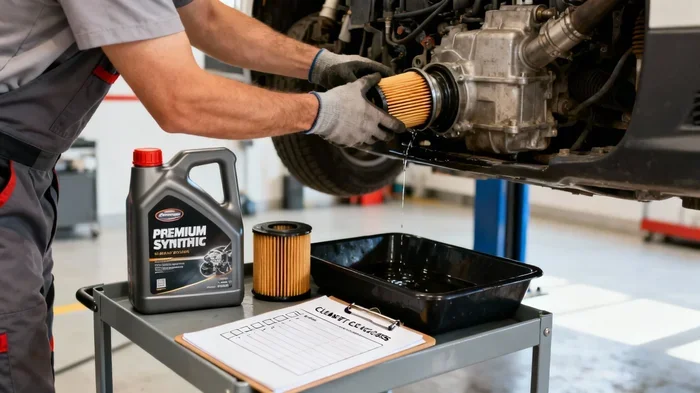
Yes, you should always reset the oil change light after an oil change. This quick step clears the dashboard warning and helps your car track the next service interval accurately. Resetting the oil change light takes just a few minutes and can be done at home with no special tools.
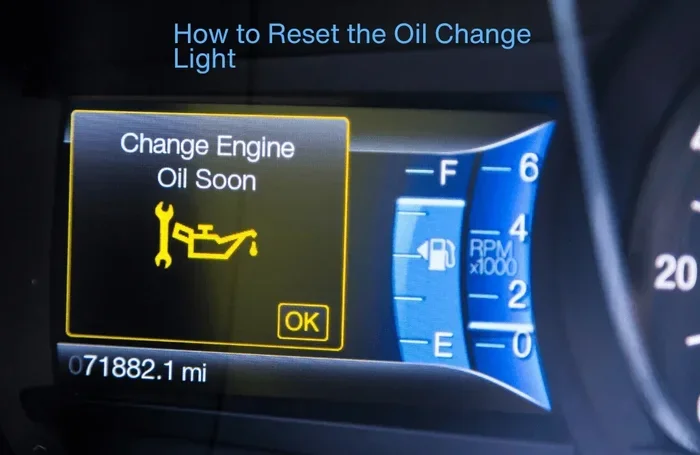
You just got your oil changed. The mechanic hands you the keys, and you drive off feeling good. But then you notice it. That little yellow or orange light on your dashboard is still staring right back at you. It says something about oil service or maintenance. You wonder, do you reset the oil change light? The short answer is yes. But there is a bit more to it than just pressing a button. Let us walk through everything you need to know about resetting your oil change reminder, why it matters, and how to do it the right way.
Your car has an oil life monitor or a maintenance reminder system built into its computer. This system tracks your driving habits, engine hours, and mileage. When it decides the time is right, it triggers a warning light on your dashboard. Some people ignore it. Others panic. But understanding how this system works can save you time, money, and stress. A dashboard warning light is your car’s way of talking to you. Learning to listen is one of the best things you can do as a car owner.
In this guide, we will cover exactly what the oil change light means, why you need to reset it, and the step-by-step process for most popular vehicles. We will also share common mistakes to avoid and answer the most frequently asked questions. Whether you drive a Toyota, a Ford, a Honda, or anything in between, this article has you covered. Let us get into it.
Key Takeaways
- Resetting the oil change light is essential: It clears the warning and resets the service counter for accurate tracking.
- The process varies by vehicle: Different car brands use different button combinations and menus to reset the light.
- You can do it yourself: Most reset procedures are simple and take only a few minutes without a mechanic.
- Ignoring the light can cause problems: Driving with an active oil change reminder may lead to skipped maintenance and engine wear.
- Check your owner’s manual: It contains the exact reset steps for your specific make and model.
- Resetting does not replace the oil: The light is just a reminder; always change the oil on schedule regardless of the light.
📑 Table of Contents
- What Does the Oil Change Light Mean?
- Why You Should Reset the Oil Change Light
- How to Reset the Oil Change Light
- Common Mistakes People Make When Resetting the Oil Change Light
- Can You Reset the Light Without an Oil Change?
- How Often Should You Reset the Oil Change Light?
- When to See a Professional
- Quick Tips for Oil Change Light Success
- Expert Insights on Oil Change Reminders
- Key Takeaways
- Conclusion
What Does the Oil Change Light Mean?
The oil change light is a signal from your car’s computer. It tells you it is time to service your engine. But what exactly triggers it? And how is it different from other warning lights on your dash? Let us break it down.
The Oil Life Monitor System
Most modern vehicles come equipped with an oil life monitor. This is not the same as an oil pressure gauge. The oil pressure gauge tells you if your oil level is dangerously low. The oil life monitor tracks driving conditions and estimates when the oil has degraded. It uses algorithms that consider factors like:
- Miles driven since the last service
- Engine temperature patterns
- Short trips versus highway driving
- Idle time and stop-and-go conditions
- Driving in extreme temperatures
Based on these factors, the system calculates an oil change interval. When that interval is reached, the light comes on. It is a helpful tool. But it is not perfect. Sometimes the system triggers too early. Other times it may not account for harsh driving conditions. This is why many mechanics still recommend following the manufacturer recommendation printed in your owner’s manual.
How It Differs from the Check Engine Light
People often confuse the oil change light with the check engine light. They are not the same thing. The check engine light signals a problem with your emissions system, sensors, or engine performance. The oil change light is purely a maintenance reminder. It does not mean something is broken. However, if you ignore the oil change light for too long, it could eventually lead to engine problems that trigger the check engine light. That is a much bigger and more expensive problem.
Why You Should Reset the Oil Change Light
Resetting the light is not just about clearing a nuisance on your dashboard. It serves several important purposes. Let us look at why this small step matters so much.
It Keeps Your Maintenance Schedule Accurate
When you reset the oil change counter, you are telling your car’s computer that fresh oil is now in the engine. The system then starts tracking from zero. This means the next reminder will be based on your actual oil life, not an outdated reading. If you skip the reset, the light may come on again too soon. Or worse, it may not come on at all when the next oil change is truly needed.
It Helps You Track Service History
For people who do their own oil changes or use multiple shops, the reset serves as a mental marker. It tells you, “Okay, this oil change is done.” Without resetting, you might drive for weeks wondering if you actually got the oil changed. A clean dashboard gives you peace of mind.
It Protects Your Engine Warranty
If your car is still under warranty, following the service interval is critical. Many manufacturers require proof of regular oil changes. A properly reset service indicator shows you are staying on top of maintenance. Skipping resets could potentially complicate a warranty claim down the road.
How to Reset the Oil Change Light
Here is the part most people want to know about. The reset process is different for every car brand. But the general idea is the same. You access the maintenance menu or use a combination of buttons on your dashboard or steering wheel. Let us walk through the most common methods.
Reset for Toyota and Lexus Vehicles
Toyota and Lexus vehicles use a fairly straightforward process. Start by turning the ignition to the “ON” position. Do not start the engine. Next, press the odometer or trip meter button until you see the odometer reading. Then turn the ignition off. Press and hold the trip meter button. After a few seconds, the maintenance light should start blinking. Release the button, and the light is reset. This method works on most Toyota models from the past two decades.
Reset for Honda and Acura Vehicles
Honda and Acura vehicles follow a similar but slightly different approach. Turn the ignition to the “ON” position without starting the engine. Locate the trip button on the dashboard or steering wheel. Press and hold it. Within about ten seconds, the oil change indicator should begin to blink. Release the button. Then turn the ignition off and back on to confirm the reset. The service indicator should now be off.
Reset for Ford and Lincoln Vehicles
Ford vehicles use the information display screen for this process. Turn the ignition to the “ON” position. Use the steering wheel arrows to navigate to the “Settings” menu. Scroll to “Vehicle Maintenance” or “Oil Life System.” Select “Reset” and confirm. The oil change reminder will be cleared. Some older Ford models use a simpler button method similar to the Toyota process.
Reset for Chevrolet and GMC Vehicles
For Chevrolet and GMC trucks and SUVs, the process depends on the model year. In most newer models, press the “Set” button on the steering wheel until the oil life display appears. Then hold the same button for several seconds until the system prompts you to reset. Confirm the reset, and the light goes off. Older models may require accessing a menu through the trip odometer.
Reset for BMW, Mercedes, and European Vehicles
European vehicles often have a more complex reset process. BMW models typically require you to use the iDrive system. Navigate to “Vehicle Status,” then “Maintenance,” and select “Reset.” Mercedes-Benz vehicles use the steering wheel controls to access the “Service” menu. Scroll to the oil change option and hold the reset button. Because European cars vary widely, always check the owner’s manual for the exact steps.
Common Mistakes People Make When Resetting the Oil Change Light
Resetting the light seems simple. But people still make mistakes that cause frustration. Let us look at the most common errors and how to avoid them.
Forgetting to Change the Oil First
This is the biggest mistake. Some people reset the light without actually getting the oil changed. The light goes off, and they think the problem is solved. But the engine still has old, degraded oil. Resetting the light does not fix the oil. It only clears the reminder. Always change the oil before you reset the light. Think of the reset as the final step, not the first one.
Not Holding the Button Long Enough
Many reset procedures require you to hold a button for several seconds. A quick tap will not work. If the light does not blink or respond, try holding the button longer. Some vehicles require a five to ten second hold. Patience is key here.
Using the Wrong Ignition Position
Most reset procedures require the ignition to be in the “ON” or “ACC” position, not the “START” position. If you start the engine while trying to reset, you may lose the sequence. Always turn the key to “ON” and leave the engine off during the process.
Skipping the Confirmation Step
Some vehicles require you to confirm the reset. You press the button, the light blinks, and then you need to press it again or navigate to a “Yes” option on the screen. Skipping this step means the reset did not complete. Always look for a confirmation prompt.
Can You Reset the Light Without an Oil Change?
Technically, yes. You can reset the oil change indicator without changing the oil. But you really should not. The light exists for a reason. It is reminding you that the oil is due for a change. Resetting it without service is like snoozing an alarm clock and pretending you woke up on time. The oil still needs attention. Resetting prematurely just delays the reminder and could lead to driving on old oil longer than is safe.
If you are unsure whether your oil needs changing, check the oil level and condition with the dipstick. Fresh oil is amber or golden. Dark, gritty oil needs to be replaced. When in doubt, change it. It is better to be safe than sorry when it comes to engine health.
How Often Should You Reset the Oil Change Light?
You reset the light every time you get an oil change. That is it. It is a one-time action per service. If you change your oil every 5,000 miles or every six months, you will reset the light at that same interval. The oil change counter starts fresh each time you reset it. This keeps your maintenance schedule accurate and your car running at its best.
Some drivers ask if they need to reset the light after every single oil change, even if they top off the oil. The answer is yes. Any time oil is added or replaced, resetting the system ensures the monitor recalibrates. This is especially important if you use synthetic oil, which has a different degradation rate than conventional oil.
When to See a Professional
Most oil change light resets are simple enough to do at home. But there are times when you should visit a professional. If the light will not turn off after following the correct reset procedure, there may be an underlying issue. The oil pressure sensor could be faulty. The engine control module might need updating. A mechanic can diagnose these problems quickly and get your dashboard back to normal.
Also, if you are uncomfortable working with your car’s dashboard buttons or menus, a quick trip to the dealership or a local shop is worth it. Many places will reset the light for free as part of an oil change service. It costs nothing and gives you peace of mind.
Quick Tips for Oil Change Light Success
- Always reset the light immediately after an oil change
- Keep your owner’s manual in the glove box for quick reference
- Write down the reset date on your oil change receipt
- Use the correct oil type recommended by your manufacturer
- Do not ignore the light for more than a few hundred miles
- Check the oil level monthly between changes
- Keep a maintenance log to track all oil changes and resets
Expert Insights on Oil Change Reminders
Automotive experts agree that the oil life monitor is a useful tool but should not be the only factor in your maintenance decisions. Driving habits matter a lot. If you frequently drive in stop-and-go traffic, tow heavy loads, or drive in extreme heat or cold, your oil degrades faster. In these cases, you may need to change your oil more often than the system recommends. Many mechanics call this “severe driving conditions.” If your driving fits this description, consider shortening your oil change interval by 20 to 30 percent.
Another expert tip is to never let the oil change light stay on for more than 500 miles. While modern oils are more durable than ever, they do degrade over time. The light is a warning, not a suggestion. Treating it as a suggestion can lead to reduced engine performance, increased fuel consumption, and eventually costly repairs. Staying on top of your vehicle maintenance schedule is one of the easiest ways to extend the life of your car.
Key Takeaways
- Resetting the oil change light is essential: Always reset after every oil change to keep your maintenance tracking accurate.
- The process varies by vehicle: Each car brand has its own reset procedure. Check your owner’s manual or follow the steps outlined above.
- You can do it yourself: Most resets take just a few minutes and require no special tools or mechanical skills.
- Never reset without changing the oil: The light is a reminder, not a fix. Always service the engine first.
- Ignoring the light risks engine damage: Driving on old oil reduces engine life and can lead to expensive repairs.
- Check the owner’s manual: It is your best resource for the exact reset steps specific to your car model.
Conclusion
So, do you reset the oil change light after an oil change? Absolutely. It is a quick, easy step that keeps your car’s maintenance system working correctly. It clears that annoying yellow light from your dashboard and gives you a fresh start on your next service interval. Whether you drive a compact car, a pickup truck, or a luxury sedan, the process is similar across most vehicles. A few button presses and you are done.
Do not make the mistake of skipping this step. It takes less than five minutes and saves you from confusion later. Pair your reset with a solid car maintenance routine and you will keep your engine running smoothly for years to come. Your car talks to you through those dashboard lights. Listening and responding is all part of being a responsible car owner. Next time you get an oil change, take that extra two minutes to reset the light. Your engine will thank you for it.
Frequently Asked Questions
Can I drive with the oil change light on?
You can drive a short distance with the light on, but you should not make a habit of it. The light means your oil is due for a change. Driving on old oil for too long can reduce engine performance and cause wear. Get the oil changed as soon as possible and then reset the oil change reminder.
What happens if I never reset the oil change light?
If you never reset it, the light will stay on and remind you that service is overdue. It can also cause confusion about when your last oil change was. The oil life monitor will not recalibrate, and the next service interval will be inaccurate. Always reset after every oil change.
How long does it take to reset the oil change light?
Most resets take between two and five minutes. The exact time depends on your vehicle model and the reset method. It is a simple process that does not require any tools or mechanical expertise. Just follow the steps for your car brand.
Will resetting the oil change light clear the check engine light?
No. The oil change light and the check engine light are separate systems. Resetting one does not affect the other. If your check engine light is on, that indicates a different problem that needs its own diagnosis. Use an OBD2 scanner or visit a mechanic to address check engine warnings.
Do I need special tools to reset the oil change light?
No special tools are needed for most vehicles. You just need to use the buttons on your dashboard or steering wheel. Some newer cars may require a diagnostic tool at a dealership, but the vast majority of resets can be done at home in minutes.
How often should I change my oil if I drive infrequently?
Even if you drive fewer miles, oil degrades over time due to moisture buildup and oxidation. Most manufacturers recommend changing oil at least once a year, even if you have not hit the mileage interval. Reset the service indicator after each change to keep your maintenance schedule on track.
=== META DESCRIPTION ===
Wondering do you reset the oil change light after an oil change? Learn the simple steps, why it matters, and how to keep your car running smoothly.