Can You Really Negotiate the Price on a Leased Car
Yes, you can negotiate the price on a leased car, and doing so can save you real money by lowering the capitalized cost. Dealers frequently adjust the sticker price, so approach the lease with confidence and you will find room to bargain.
Have you ever walked onto a car lot and felt like the numbers on the screen were completely out of your hands? You see a great vehicle, but the lease offer looks like it was written in stone. Many drivers walk away feeling frustrated because they assume there is no room to move on the price. But here is the secret that savvy shoppers know: you absolutely can negotiate the price on a leased car. It might feel surprising at first, but the sticker price is not the final word.
When you negotiate the price on a leased car, you are really negotiating the capitalized cost. This is the starting point for your entire lease agreement. If you lower this number, your monthly payment drops right along with it. Many people do not realize that the car dealer has some wiggle room here, even if the monthly payment looks fixed. You deserve to get a fair deal, and that starts with understanding how the numbers work.
Imagine driving off the lot in your new vehicle, knowing you paid exactly what it was worth. That feeling is completely possible when you take control of the leased car price negotiation. Too many shoppers accept the first offer because they do not know their options. We are here to change that. In this guide, we will walk you through exactly how to negotiate a lease, what terms to watch out for, and how to avoid common traps. By the end, you will feel ready to walk into any dealership with confidence.
Key Takeaways
- You can negotiate the lease price: The capitalized cost is not fixed and open to discussion.
- Research fair market value first: Know the car’s price before entering the dealership.
- Focus on the total cost: A lower monthly payment might hide a longer lease term.
- Avoid unnecessary add-ons: Decline extras like gap insurance if you already have coverage.
- Walk away if terms are unfavorable: Your willingness to leave gives you leverage.
- Negotiate the money factor: The interest rate equivalent can be reduced for better savings.
📑 Table of Contents
Understanding How Leased Car Pricing Works
Before you start talking numbers at the dealership, you need to understand the basic parts of a lease. The dealer uses a few key terms to set your price. If you understand these terms, you will feel much more confident. You will not get lost in the jargon, and you will know exactly what to ask for. Here is a quick look at the main pieces of your negotiate price leased car strategy.
The Role of Cap Cost in Your Lease
The cap cost is short for capitalized cost. Think of it as the sale price of the car. Just like when you buy a vehicle, you want this number to be as low as possible. The dealer will often quote a high cap cost first. They expect you to accept it without question. But you have every right to push back. Lowering the cap cost is the main goal of your lease negotiation tips. Every single dollar you shave off the cap cost reduces your monthly payment.
For example, imagine the dealer quotes a cap cost of thirty-five thousand dollars. You can politely counter with thirty-two thousand dollars. That three thousand dollars saved will make a big difference over the life of your lease terms. The dealer might seem surprised, but they are trained to expect some back-and-forth. The worst they can say is no, and you can simply walk away.
What Is Residual Value and Why It Matters
The residual value is what the car is expected to be worth at the end of your lease. The bank or leasing company sets this number based on their predictions. A higher residual value usually means a lower monthly payment. You cannot always change the residual value because it depends on the leasing company’s forecast of vehicle depreciation. However, you can absolutely negotiate the cap cost.
When you combine a low cap cost with a good residual value, you get the best possible deal. Understanding these two pieces helps you see the whole picture of your car leasing basics. It also helps you figure out if the negotiated lease price is truly fair. If the residual value is low, your monthly payment will be higher. But if the cap cost is also low, you still win. Always look at both numbers together before you sign anything.
The Short Answer: Can You Negotiate the Price on a Leased Car?
The direct answer is yes. You can negotiate the price on a leased car. Many people believe lease payments are set in stone, but that is simply a myth. The monthly payment is calculated based on the cap cost and the residual value. Since you can influence the cap cost, you can absolutely change your payment. This is the core of any successful leased car price negotiation. You are not stuck with whatever number the dealer first gives you.
Why Most People Think You Cannot
So why do so many drivers think lease prices are fixed? It comes down to how dealers present the offer. They focus heavily on the monthly payment, not the upfront price. When you see a low monthly number, it feels like a done deal. The dealer hopes you will not ask about the cap cost. They want you to sign quickly before you realize the vehicle price is too high.
But taking a moment to review the numbers gives you the upper hand. You can negotiate the price on a leased car just like you would when buying one. The difference is simply in the terminology. Instead of a sale price, you are negotiating a capitalized cost. Once you realize this, the whole process feels much less intimidating. You are just having a normal conversation about the price of a car.
The Psychology Behind the Deal
Car dealers are trained to focus your attention on the monthly payment. They know that a low number feels affordable and exciting. But a low monthly payment can hide a lot of problems. If the cap cost is too high, you are paying more for the vehicle than it is actually worth. You might also end up with negative lease equity, which means the car is worth less than what you owe at the end of the term.
Always redirect the conversation back to the vehicle price first. Once the cap cost is fair, the monthly payment will naturally fall into place. Do not let the dealer trick you with a low monthly number that hides a high vehicle price. Stay focused on the upfront cost, and you will make a much smarter decision.
Step-by-Step Guide to Negotiating Your Lease
Now that you know you have the power, let us walk through the steps. Following a clear plan keeps you focused. You will avoid common traps and walk away with a great deal. Here is how to handle your negotiate price leased car discussion like a pro.
Researching the Market Value First
Never walk into a dealership blind. Use online tools to find the fair market value of the car you want. Look at what similar vehicles are selling for in your area. Check sites that specialize in car leasing basics and fair pricing. Write down the price range you are comfortable with. When the dealer offers you a number, you can compare it to your research.
This is the strongest move you can make in a leased car price negotiation. Knowledge is your best friend at the negotiating table. If the dealer says the price is fixed, you can politely show them the market data you gathered. You can also look at what other car dealer locations are offering for the same model. Having this information in your pocket changes the entire dynamic of the conversation.
Talking to the Dealer Like a Pro
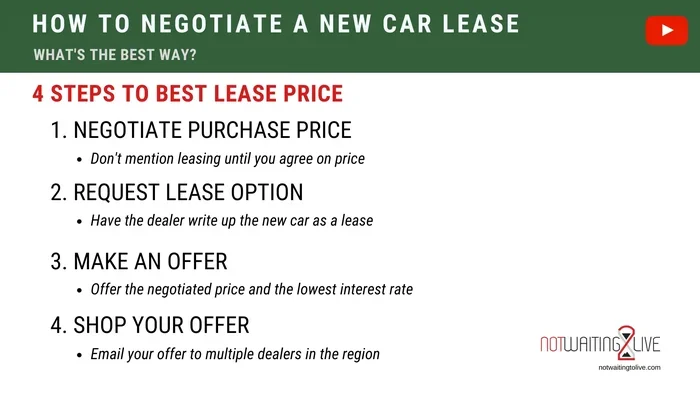
When you speak with the salesperson, stay calm and friendly. Tell them you want to negotiate the capitalized cost. Ask them to lower the price to match the market value you found. Do not mention your monthly budget right away. Let them work on the vehicle price first. Once the cap cost is low, you can discuss the monthly lease payment.
Keep your tone relaxed and confident. You are simply having a conversation, not begging for a deal. If the dealer pushes back, be willing to walk away. Often, the salesperson will call you back with a better offer. This shows you are serious about getting a fair negotiated lease price. Remember, the dealer wants to make a sale, but you want a fair one.
Getting Pre-Approved Before You Visit
Another great tip is to get pre-approved for your lease before you step foot on the lot. This gives you a baseline interest rate and budget. When the car dealer offers you a financing package, you can compare it to your pre-approval. If their rate is higher, you can ask them to match or beat it.
This puts you in a strong position right from the start. It shows the dealer that you are an informed buyer who knows the ropes of car leasing basics. Pre-approval removes a lot of the guesswork from the process. It also protects you from hidden fees. You will know exactly what the financing should cost before you ever sit down in the finance office.
Comparing Negotiating a Lease vs. Buying a Car
It helps to see how leasing compares to buying when you negotiate the price on a leased car. Both involve talking about the vehicle price, but the details differ. Understanding these differences helps you set the right expectations. Here is a side-by-side look at what you should expect.
Key Differences You Need to Know
| Feature | Negotiating a Lease | Negotiating a Purchase |
|---|---|---|
| Main Price to Negotiate | Capitalized Cost | Vehicle Sale Price |
| Focus of the Deal | Monthly Payment | Total Price or Monthly Payment |
| End of Term Option | Return the Car or Buyout | Own the Car Outright |
| Depreciation Risk | Lies with the Leasing Company | Lies with the Owner |
| Down Payment Impact | Lowers Cap Cost, Not Always Monthly | Directly Reduces Loan Amount |
| Early Termination | Can be costly with early termination fees | Can sell or trade the vehicle |
As you can see from the table, the core idea is the same. You want to pay the lowest possible price for the vehicle. In a lease, this is the negotiated lease price. In a purchase, it is the sale price. Always focus on the upfront cost before the dealer shifts the conversation to monthly payments.
This strategy protects you from hidden fees and ensures you get a fair lease buyout value later if you choose to keep the car. Whether you are leasing or buying, the negotiation process starts with the vehicle price. Never let the dealer skip straight to the monthly payment without settling the upfront cost first.
Common Mistakes to Avoid When Negotiating a Lease
Even with the best intentions, shoppers make mistakes. These errors can cost you money and stress. Being aware of them puts you ahead of the game. Here are the pitfalls to watch out for during your leased car price negotiation.
Falling for the Monthly Payment Trap
The biggest mistake is focusing only on the monthly payment. A dealer might say, “You can have this car for two hundred a month.” That sounds great, but it can hide a high cap cost. They might stretch your lease term to make the number work. A lower monthly payment over a longer time means you pay more in total.
Always ask the dealer to separate the vehicle price from the payment. This keeps your lease terms honest and transparent. Do not let a low monthly number trick you into paying too much for the vehicle upfront. Ask the dealer to show you the total cost of the lease over its entire term. This gives you a much clearer picture of what you are really paying.
Ignoring the Money Factor
The money factor is like the interest rate on a loan. It determines how much the lender charges you for borrowing the money. A higher money factor means a higher monthly payment. You can negotiate this too. Ask the dealer to show you the money factor and compare it to the current lease rate.
If it seems high, push back. Reducing the money factor is a smart way to lower your costs without touching the vehicle depreciation. It is an often overlooked part of the negotiate price leased car process that can save you real money over the years. Do not be afraid to ask the finance manager to adjust this number. It is just as negotiable as the cap cost.
Not Reading the Fine Print
Always read every document before you sign it. Some dealers add extra fees or services that you do not need. Look out for excessive lease-end fees or hidden down payment requirements. If something does not look right, ask the dealer to explain it. You have the right to a clear breakdown of all costs.
Protecting yourself from surprise charges is a crucial part of any leased car price negotiation. A fair deal is one where you understand every single line item. If a fee seems confusing or unnecessary, speak up. The dealer might be willing to remove it just to close the deal. Stay vigilant, and you will keep more money in your pocket.
Final Thoughts on Leased Car Price Negotiation
So, can you negotiate the price on a leased car? Absolutely. You have the power to shape your lease from the very beginning. By understanding cap cost, residual value, and the money factor, you take control of the deal. Do not let the dealer rush you into signing the first paper they hand over. Take your time, do your homework, and speak up for what you want.
Remember, the goal is to negotiate the price on a leased car to a fair market value. When you succeed, your monthly payment reflects a truly good deal. You will drive your new vehicle with confidence, knowing you did not overpay. Use these tips on your next visit to the dealership. A little preparation goes a long way toward saving you serious cash. Happy leasing!
Frequently Asked Questions
Can You Negotiate the Price on a Leased Car?
Yes, you absolutely can negotiate the price on a leased car. The negotiated price, also called the capitalized cost, directly affects your monthly payments. Treat it just like negotiating the price of a car you are buying outright.
How Do You Negotiate the Price on a Leased Car?
Start by researching the fair market value of the vehicle using tools like Kelley Blue Book or Edmunds. Then, negotiate the capitalized cost down from the sticker price just as you would with a purchase. Also ask the dealer to waive or reduce any acquisition fees and dealer charges.
What Can You Negotiate on a Leased Car Besides the Price?
Beyond the negotiated price, you can often negotiate the money factor, which is essentially the interest rate on your lease. You can also request that the dealer reduce or eliminate acquisition fees and security deposits. Some dealers will even agree to a lower mileage cap if you drive fewer miles per year.
Do Dealerships Allow You to Negotiate the Price on a Leased Car?
Most dealerships do allow negotiation on lease terms, but not all managers are willing to go far. Manufacturers with high demand for a model may offer less flexibility on the negotiated price. However, dealers who need to hit monthly sales targets are usually more open to negotiation.
Is It Better to Negotiate a Lease or a Financed Purchase?
Negotiating a lease can sometimes be easier because the price is already set by the manufacturer. However, the savings on a negotiated lease price may be smaller than what you would get on a financed purchase. Compare both options carefully before deciding which route gives you the best deal.
Can You Negotiate the Price on a Leased Car After Signing?
Once you sign the lease agreement, the negotiated price is locked in and cannot be changed. This is why it is so important to finalize all terms before signing. If you feel the deal was not fair, you can try returning the car within the allowed window, but you may face penalties.