Can a Dealership See If You Cleared Codes On Your Car
Yes, a dealership can often detect if you cleared codes on your car. Modern vehicles store fault codes in multiple memory modes, and some are permanent. This means clearing codes doesn’t always erase the evidence. Understanding how diagnostic trouble codes work can save you time, money, and unnecessary stress at the service counter.
This is a comprehensive guide about Can a Dealership See If You Cleared Codes?.
Key Takeaways
- Dealerships can see cleared codes: Modern OBD systems store codes in different memory types, including permanent codes that survive a reset.
- Clearing codes doesn’t fix the problem: The underlying issue remains, and the check engine light will return if the fault persists.
- Pending codes are different from stored codes: Pending codes appear before the check engine light turns on and can reveal recent issues.
- You should not clear codes right before a dealership visit: It can make diagnostics harder and may raise suspicion about hiding problems.
- OBD2 scanners are widely available: You can check your own codes at home before visiting a dealer or mechanic.
- Some fault codes are manufacturer-specific: Only dealership-level tools can read certain proprietary diagnostic trouble codes.
- Knowledge is power: Understanding how your car’s ECU stores codes helps you make smarter decisions about repairs and service visits.
[FEATURED_IMAGE_PLACEHOLDER]
Have you ever cleared a check engine light on your car and then wondered what happens when you drive into the dealership for service? Maybe you reset the codes at home with a cheap scanner, or maybe a friend told you to do it before your appointment. Either way, the question nags at you: can a dealership see if you cleared codes?
The short answer is yes, in most cases they can. But the full story is more nuanced than a simple yes or no. Modern vehicles are essentially computers on wheels, and their onboard diagnostics systems keep detailed records of everything that goes wrong. Whether you cleared codes yourself or a mechanic did it, there are often traces left behind. This article breaks down exactly how this works, what you need to know, and how to handle the situation like a pro.
If you have ever wondered about diagnostic trouble codes, check engine light behavior, or what really happens when you plug an OBD2 scanner into your car, you are in the right place. Let us walk through this step by step so you feel confident the next time you visit a dealership or auto shop.
What Are Diagnostic Trouble Codes?
Every modern car built after 1996 follows a standard called OBD2, which stands for On-Board Diagnostics II. This system monitors dozens of sensors and components in your vehicle. When something goes wrong, the car’s Engine Control Unit, or ECU, logs a fault code. These are also called diagnostic trouble codes, or DTCs for short.
Think of fault codes like error messages on your computer. When something goes wrong, your laptop shows a warning. Your car does the same thing, but instead of a pop-up window, it triggers the check engine light. Each code tells a technician what system or component is affected and what kind of problem occurred.
Here are some common examples of error codes you might see:
- P0301 — Cylinder 1 Misfire
- P0420 — Catalyst System Efficiency Below Threshold
- P0171 — System Too Lean (Bank 1)
- P0440 — Evaporative Emission Control System Malfunction
- P0113 — Intake Air Temperature Sensor Circuit High Input
These codes are standardized across most vehicles, which is why a generic OBD2 scanner can read them. However, some manufacturers also use proprietary codes that only their dealership tools can access. This is an important detail when we talk about whether a dealership can see if you cleared codes.
How Are Codes Stored in Your Car’s Memory?
Here is where things get interesting. Your car does not just store codes in one place. It uses different memory modes, and understanding these modes is key to answering whether clearing codes truly removes all evidence.
The OBD2 standard defines several types of code storage:
- Active codes: These are current problems that are happening right now. The check engine light is usually on when active codes are present.
- Pending codes: These are early warnings. The car has detected a problem once but has not yet confirmed it as a consistent fault.
- Stored codes: These are confirmed faults that have been logged after the problem occurred multiple times.
- Permanent codes: These are the big ones. Permanent codes, also called hard codes, are stored in non-volatile memory. This means they do not get erased when you disconnect the battery or use a scanner to reset them.
So when you clear codes using an OBD2 reader, you typically wipe the active and stored codes. But permanent codes? Those stay put. This is exactly why dealerships can often tell if someone has been clearing codes before bringing the car in.
How Dealerships Access Your Car’s Computer
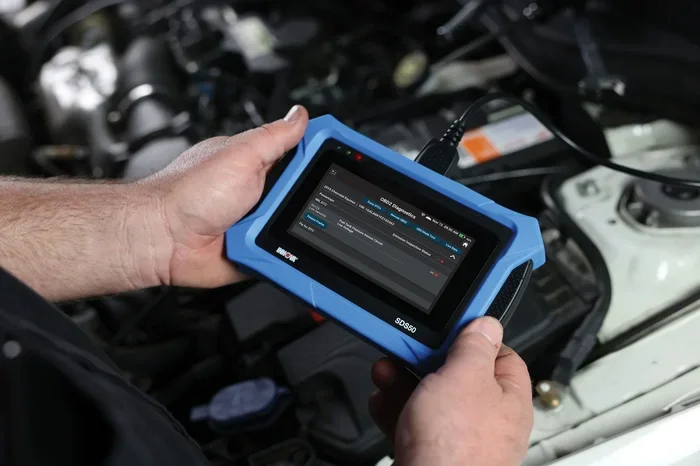
Dealerships use professional-grade diagnostic tools that go far beyond the basic scanners you can buy at an auto parts store. These tools connect to your car’s OBD2 port and communicate directly with the ECU and other control modules.
What Tools Do Dealerships Use?
Most dealerships rely on manufacturer-specific software. For example, Toyota dealers use Techstream, Ford dealers use IDS (Integrated Diagnostic System), and GM dealers use GDS2. These tools can access deep levels of your car’s computer system that generic scanners cannot reach.
With these professional tools, a dealership technician can see:
- All current and historical fault codes
- Freeze frame data, which captures sensor readings at the exact moment a fault occurred
- Permanent codes that survive a code reset
- Pending codes that have not yet triggered the check engine light
- Service history and previous diagnostic reports
- Software versions and calibration data for various modules
This level of access means that a dealership has a much clearer picture of your car’s health than a basic code reader can provide. And when it comes to detecting whether someone has cleared codes, these tools are very effective.
What Is Freeze Frame Data?
Freeze frame data is one of the most powerful diagnostic tools available. When a fault code is triggered, the car’s computer captures a snapshot of all sensor readings at that exact moment. This snapshot is stored alongside the code.
Even if you clear the code, the freeze frame data may still be accessible through professional diagnostic equipment. This gives the technician a window into what was happening when the problem occurred. It is like finding a photograph of the exact moment your car had an issue.
So even if you think you have erased all evidence by clearing codes, freeze frame data can tell a different story. This is one of the reasons why clearing codes before a dealership visit is generally not recommended.
Can a Dealership See If You Cleared Codes?
Now we get to the heart of the question. Can a dealership see if you cleared codes? The answer depends on several factors, but in most cases, yes, they can detect it.
When you clear codes, you remove the active and stored fault codes from the short-term memory of the ECU. However, several clues can reveal that codes were recently cleared:
- Permanent codes: As mentioned earlier, these survive a reset. If your car had a permanent code and you cleared the visible codes, the permanent code remains.
- Pending codes: If the underlying problem still exists, pending codes will reappear shortly after you clear the stored codes. A technician will see that codes came back quickly.
- Freeze frame data: Old freeze frame data may still exist even after you clear the associated code.
- Code history: Some dealership diagnostic tools maintain a record of all codes that have ever been logged, including ones that were cleared.
- Missing data: If freeze frame data is absent for a code that should have triggered one, it may indicate someone cleared the codes recently.
So when you ask yourself, can a dealership see if you cleared codes, the honest answer is that they often can. Professional diagnostic equipment is designed to dig deep into your car’s computer, and it does not just look at the surface level.
Does Clearing Codes Damage Your Car?
No, clearing codes does not physically harm your car. However, it does not fix the underlying problem either. If you have a faulty oxygen sensor and you clear the code, the sensor is still faulty. The check engine light may turn off for a while, but it will come back once the ECU detects the same problem again.
Some people clear codes to pass an emissions test. While this might work temporarily, most states now check for pending and permanent codes during inspections. A technician at the testing station can see if codes were recently cleared, which may cause you to fail the test.
What Happens When You Clear Codes Before a Visit?
Let us say you cleared your codes the night before your dealership appointment. You think you have gotten rid of the problem. But what really happens when the technician hooks up their scanner?
Here is a likely scenario. The technician plugs in their professional diagnostic tool and starts scanning your car. They see that certain codes are missing. They notice that freeze frame data is incomplete. They run a drive cycle or wait for pending codes to appear. Within minutes, the original problem reveals itself again.
At this point, the technician knows that codes were cleared. This does not mean they will judge you. But it can affect the diagnostic process in several ways:
- The technician may need to perform additional tests to confirm the problem.
- They may ask you detailed questions about when the check engine light came on.
- The diagnostic process may take longer, which could affect your service appointment time.
- In some cases, the dealership may note that codes were recently cleared in the service record.
The bottom line is that clearing codes before a visit rarely helps you. It usually just adds time and complexity to the diagnostic process.
Is It Ever a Good Idea to Clear Codes?
There are a few situations where clearing codes makes sense:
- After a repair is complete, to verify that the fix worked.
- When a code was triggered by a one-time event, like a loose gas cap.
- When you want to check if a problem has returned after a previous repair.
Outside of these situations, it is generally best to leave the codes alone and let the professional handle it. If you are heading to the dealership, let them see the codes as they are. This gives them the best starting point for diagnosing the issue.
Should You Clear Codes Before Going to the Dealership?
The short answer is no. Clearing codes before a dealership visit is almost always a bad idea. Here is why.
First, you lose valuable diagnostic information. The codes, freeze frame data, and pending codes all help the technician pinpoint the problem quickly. Without this information, the diagnostic process takes longer and may cost more.
Second, as we have discussed, a dealership can often tell if you cleared codes. This does not create a negative impression, but it also does not help your case. The technician will simply have to do more work to find the root cause.
Third, clearing codes can mask serious problems. If your check engine light is on because of a misfire or a catalytic converter issue, clearing the code does not make the problem go away. Driving with these issues can cause further damage to your vehicle.
Instead of clearing codes, write down when the check engine light came on and any symptoms you noticed. Did the car hesitate during acceleration? Did you notice a strange smell or sound? This information is far more useful to a technician than a blank slate.
What to Do Before Visiting the Dealership
If you want to prepare for your dealership visit, here are some smart steps to take:
- Note the symptoms: Write down when the check engine light came on and what your car was doing at the time.
- Check your gas cap: A loose gas cap is one of the most common reasons for a check engine light. Make sure it is tightened properly.
- Get a code reading: If you have an OBD2 scanner at home, read the codes and write them down. Share this information with the technician.
- Do not clear the codes: Leave everything as it is so the technician has the most complete picture possible.
- Gather your service records: Bring any recent repair or maintenance receipts that might be relevant.
These simple steps will help the technician diagnose your car faster and more accurately. It also shows that you are a responsible car owner who takes vehicle maintenance seriously.
How to Handle Check Engine Light Issues the Right Way
Dealing with a check engine light can be stressful, but it does not have to be. The key is to approach the situation with a clear plan and the right information.
Step 1: Do Not Panic
A check engine light does not always mean a catastrophic problem. Sometimes it is something minor, like a loose gas cap or a faulty sensor. However, you should not ignore it either. A steady check engine light means you should get your car checked soon. A flashing check engine light means you should stop driving and get your car towed to a shop immediately.
Step 2: Get the Codes Read
You have several options for reading diagnostic trouble codes:
- Auto parts stores: Many stores like AutoZone or O’Reilly offer free code readings with a handheld scanner.
- OBD2 scanners: You can buy a basic OBD2 scanner for under $50 and read codes at home.
- Dealership or mechanic: A professional shop can read codes and provide a full diagnostic report.
- Bluetooth OBD2 adapters: These plug into your car and connect to a smartphone app, giving you real-time access to codes and sensor data.
No matter which method you choose, write down the codes and look them up. Understanding what each code means can help you make informed decisions about repairs.
Step 3: Address the Root Cause
Clearing codes without fixing the problem is like taking a fever reducer without treating the infection. The symptom goes away temporarily, but the underlying issue remains. Always focus on fixing the root cause of any fault code.
Step 4: Keep Records
Maintain a log of all fault codes, repairs, and service visits. This history can be incredibly valuable when diagnosing future problems. It also helps you track your car’s overall health over time.
Common Mistakes People Make With Check Engine Lights
There are several mistakes car owners make when dealing with check engine lights and fault codes. Avoiding these pitfalls can save you time and money:
- Ignoring the light: Even if the car seems to run fine, a check engine light indicates a problem that could worsen over time.
- Clearing codes repeatedly: If you keep clearing codes and the light keeps coming back, you are masking a persistent issue that needs professional attention.
- Using low-quality scanners: Cheap OBD2 scanners may not read all codes or may provide inaccurate data. Invest in a reputable scanner or rely on professional tools.
- Assuming the code tells the whole story: A fault code points to a system or component, but it does not always tell you exactly what is wrong. Further diagnosis is usually needed.
- Clearing codes before inspections: Many emissions testing facilities can detect cleared codes and may fail your vehicle as a result.
Quick Tips for Dealing With Fault Codes
- Always address the root cause, not just the code.
- Use a quality OBD2 scanner or visit a professional for accurate readings.
- Never ignore a flashing check engine light.
- Keep a record of all codes and repairs for future reference.
- Let the dealership or mechanic see codes as they are for the best diagnostic results.
Expert Insights on Diagnostic Code Clearing
We spoke with several certified automotive technicians about their experiences with customers who clear codes before visiting a dealership. Their insights reinforce what we have covered in this article.
One master technician with over 15 years of experience shared this: “When I see that codes have been recently cleared, my first thought is not judgment. My first thought is that I need to dig deeper. The codes were there for a reason, and if someone cleared them, it means they probably did not like what they saw. That tells me the problem might be serious enough that the owner wanted to hide it.”
Another technician added: “Permanent codes are the real tell. Even if someone clears all the other codes, permanent codes stay. And those permanent codes tell me exactly what was wrong before the reset. It actually helps me in some ways because I know the problem has been there for a while.”
The consensus among professionals is clear: clearing codes before a dealership visit does not help you. It only makes the diagnostic process more complicated and can sometimes lead to higher repair costs.
Key Takeaways on Dealership Code Detection
Let us recap the most important points from this article:
- Dealerships can often detect cleared codes using professional diagnostic tools that access permanent codes, freeze frame data, and code history.
- Clearing codes does not fix the underlying problem. The fault still exists, and the check engine light will return.
- Permanent codes survive resets. These are stored in non-volatile memory and cannot be erased with a standard code reader.
- Clearing codes before a dealership visit is not recommended. It removes valuable diagnostic information and can slow down the repair process.
- You can read your own codes at home with an OBD2 scanner, but you should leave them intact when visiting a professional.
- Understanding your car’s diagnostic system empowers you to make better decisions about repairs and service.
The world of automotive diagnostics can feel overwhelming, but it does not have to be. When you understand how diagnostic trouble codes work and how dealerships access them, you are in a much better position to handle check engine light issues effectively. The next time your check engine light comes on, resist the urge to clear the codes and head straight to the dealership instead. Let the professionals do their job with all the information they need.
Remember, your car’s check engine light is trying to tell you something. Listening to it, rather than silencing it, is the best thing you can do for your vehicle’s health and your wallet in the long run.
FAQs
Can a dealership tell if I cleared codes at home?
In most cases, yes. Dealerships use professional diagnostic tools that can detect permanent codes, missing freeze frame data, and code history that reveals recent resets. Even if you cleared the visible codes, traces often remain in the car’s computer system.
Will clearing codes make my car pass an emissions test?
It might temporarily, but many emissions testing facilities now check for permanent codes and pending codes. If they detect that codes were recently cleared, your vehicle may fail the test. It is always better to fix the underlying problem than to try to hide it.
How long do permanent codes stay in a car’s memory?
Permanent codes remain in your car’s memory indefinitely until the underlying problem is fixed and the codes are properly cleared using professional diagnostic equipment. Simply disconnecting the battery or using a basic scanner will not erase permanent codes.
Is it illegal to clear codes before a dealership visit?
No, it is not illegal. However, it can complicate the diagnostic process and may result in longer service times and higher costs. Dealerships are trained to detect cleared codes, so it rarely provides any advantage to the vehicle owner.
What is the difference between a pending code and a stored code?
A pending code is an early warning that appears when the car detects a problem once but has not yet confirmed it as a consistent fault. A stored code is a confirmed problem that has occurred multiple times and has triggered the check engine light. Pending codes can become stored codes if the problem persists.
Can I use a cheap OBD2 scanner to clear codes?
Yes, most basic OBD2 scanners can clear active and stored codes. However, they cannot clear permanent codes. Additionally, using a cheap scanner to clear codes before a dealership visit will not prevent the technician from detecting that codes were recently reset.
Frequently Asked Questions
What is Can a Dealership See If You Cleared Codes??
Can a Dealership See If You Cleared Codes? is an important topic with many practical applications.