Are 1999 4Runners Reliable Everything You Should Know
The 1999 Toyota 4Runner has a strong reputation for durability and off-road capability. Most owners report excellent long-term reliability with proper care. This guide covers engine health, common issues, maintenance needs, and buying advice.
The 1999 Toyota 4Runner reliability story is one that off-road fans and daily drivers alike can appreciate. This SUV has earned a loyal following over the years, and for good reason. When you look at the Toyota 4Runner lineup, the 1999 model stands out as a strong contender in the used SUV market. Whether you want a rugged off-road vehicle or a dependable daily driver, this truck has a lot to offer.
But is a 1999 4Runner truly reliable? That is the question many buyers ask before pulling the trigger. The short answer is yes, with a few caveats. Like any vehicle with over two decades on the road, it needs attention and care. This guide breaks down everything you need to know about the 1999 4Runner reliability record, from engine health to common problems and buying tips.
We will cover the engine and transmission, known issues, maintenance needs, and whether this classic SUV is worth your money today. By the end, you will have a clear picture of what to expect from a 1999 Toyota 4Runner. Let us dive in.
Key Takeaways
- Solid Build Quality: The 1999 4Runner is built like a tank with a proven 3.4-liter V6 engine.
- Low Repair Costs: Parts are affordable and widely available, keeping maintenance budgets manageable.
- Common Issues Exist: Watch for transmission wear, rust, and electrical gremlins as the vehicle ages.
- Great Resale Value: The 1999 4Runner holds its value well due to strong demand in the used market.
- Regular Maintenance Matters: Staying on top of oil changes, fluid flushes, and inspections extends lifespan significantly.
- Off-Road Capability: This generation offers excellent off-road performance for adventure seekers.
- Worth Buying: A well-maintained 1999 4Runner is a smart investment for reliability and fun.
📑 Table of Contents
- What Makes the 1999 4Runner Special
- Engine and Powertrain Reliability
- Common Problems and Issues to Watch For
- Maintenance Tips for Long-Term Reliability
- Is a 1999 4Runner Worth Buying Today?
- How the 1999 4Runner Compares to Other Years
- Quick Tips for Buying a 1999 4Runner
- Common Mistakes Buyers Make
- Expert Insights on the 1999 4Runner
- Final Verdict on 1999 4Runner Reliability
What Makes the 1999 4Runner Special
The 1999 4Runner belongs to the third generation of this iconic SUV. Toyota built this generation from 1996 to 2002, and it quickly became one of the most trusted trucks on the road. The design focused on ruggedness, simplicity, and long-lasting performance. Unlike modern SUVs packed with complex electronics, the 1999 model kept things straightforward.
The Third Generation (1996-2002)
The third-generation 4Runner marked a shift in Toyota’s approach to this model. It grew larger and more comfortable than its predecessors while keeping its off-road DNA intact. The frame was sturdy, the body was well-built, and the drivetrain was proven and tested. Toyota engineers designed the 1999 4Runner with durability in mind. They used heavy-duty materials and kept the engineering simple enough for easy repairs.
One reason the 4Runner reliability record remains strong is because of this no-nonsense approach. There were fewer electronic modules to fail. The mechanical components were easy to work on. Many owners have logged over 300,000 miles without major issues. This speaks volumes about the build quality of the 1999 Toyota 4Runner.
Trim Levels and Features
The 1999 4Runner came in several trim levels. The base model, the SR5, offered a solid mix of functionality and comfort. The Limited trim added more luxury features like upgraded upholstery and additional sound insulation. Both trims shared the same core mechanical components, so reliability was consistent across the lineup.
Key features of the 1999 model include:
- 4WD and 2WD options for different driving needs
- Rear-wheel drive available for those who prefer simplicity
- Solid rear axle setup for off-road toughness
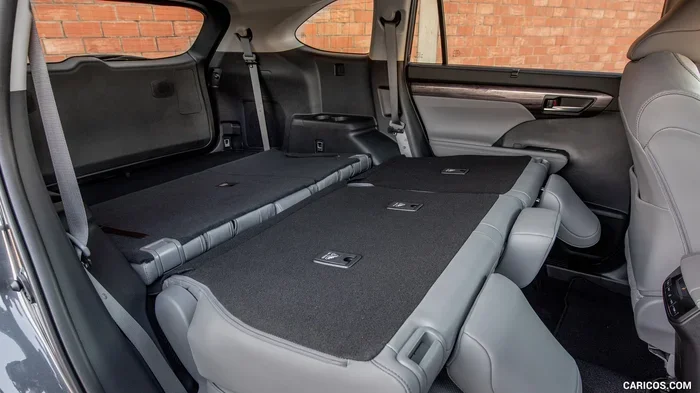
- Spacious cargo area with fold-down seats
- Basic but functional interior with easy-to-use controls
- Strong towing capacity for its size
The 4Runner generations each brought improvements, but the 1999 model is often considered a sweet spot. It has the simplicity of older models with the refinement of later ones. This balance is a big reason why buyers still seek out this specific year.
Engine and Powertrain Reliability
The heart of any vehicle determines its long-term dependability. The 1999 4Runner engine and transmission have a well-earned reputation for toughness. Let us take a closer look at what is under the hood.
The 3.4-Liter V6 Engine
The 1999 4Runner came equipped with a 3.4-liter V6 engine. This engine was part of Toyota’s famous R-series engine family. The 3.4-liter V6 produced about 190 horsepower and 220 pound-feet of torque. Those numbers may not sound impressive by today’s standards, but this engine was built for longevity, not speed.
The 4Runner engine in the 1999 model is known for several strengths:
- Cast-iron block for durability and heat resistance
- Overhead cam design for efficient operation
- Simple fuel injection system that is easy to maintain
- Proven timing chain that rarely causes problems
- Reliable cooling system that handles tough conditions
Many owners report that the 3.4-liter V6 easily surpasses 250,000 miles with basic maintenance. The engine is not picky about oil type or fuel quality. It runs well on regular gasoline and tolerates short trips and stop-and-go driving without issue. This is a major reason why Toyota reliability remains a top priority for SUV buyers.
Common engine issues on the 1999 model are rare but can include minor oil leaks from valve cover gaskets over time. Some owners also report occasional sensor failures, which are inexpensive and easy to replace. Overall, the engine is one of the strongest points of the 1999 4Runner reliability story.
Transmission Options
The 1999 4Runner offered two transmission choices. The manual transmission was a five-speed manual, and the automatic was a four-speed automatic. Both transmissions are reliable, but they have different characteristics.
The manual transmission is simpler and easier to maintain. It gives the driver more control, especially off-road. The automatic transmission is smoother for daily driving and is more popular among buyers. The four-speed automatic has a solid reputation, though some owners report it can be sluggish compared to modern transmissions.
When it comes to 4Runner transmission reliability, both options hold up well. The automatic may need a fluid change around 100,000 miles to stay healthy. The manual gearbox is virtually maintenance-free. Neither transmission is a common failure point on the 1999 model.
Common Problems and Issues to Watch For
No vehicle is perfect, and the 1999 4Runner is no exception. Understanding the 4Runner common issues helps you make an informed purchase decision. Let us look at the areas where this model may need attention.
Known Engine Issues
While the 3.4-liter V6 is generally reliable, there are a few issues to be aware of. The most common engine-related problem involves the valve cover gasket. Over time, the gasket can degrade and cause oil leaks. This is not a catastrophic issue, but it does require attention to prevent further damage.
Another potential concern is the timing chain tensioner. On higher-mileage vehicles, this component can wear out. Symptoms include a rattling noise on startup. Replacing the tensioner is a standard repair that mechanics handle regularly. It is not an expensive fix, especially compared to the cost of engine damage from neglect.
Some owners also report occasional issues with the fuel injectors. These can become clogged over time, leading to rough idling or decreased fuel economy. A fuel injector cleaning service usually resolves this problem quickly.
Electrical and Suspension Concerns
The 1999 4Runner has a simple electrical system, which is both a blessing and a curse. The blessing is that there are fewer things to break. The curse is that some older wiring can become brittle with age. Common electrical issues include faulty dashboard lights, intermittent power window problems, and occasional sensor malfunctions.
The suspension system on the 1999 model is robust but does wear over time. The front suspension uses upper and lower control arms with ball joints. These components can wear out after 100,000 miles or more. Signs of worn suspension include clunking noises over bumps, uneven tire wear, and slight pulling to one side.
The rear leaf springs are another area to inspect. They can sag over time, especially if the truck has carried heavy loads. Replacing leaf springs is a straightforward repair that keeps the ride quality and handling in good shape.
Rust and Body Issues
Rust is one of the biggest concerns for any older vehicle. The 1999 4Runner is no exception. Common rust areas include the wheel wells, rocker panels, and undercarriage. In regions that use road salt during winter, rust can progress faster.
Before buying a 1999 4Runner, inspect these areas carefully. Small surface rust is normal and easy to fix. But deep rust that affects structural components is a serious concern. A thorough undercarriage inspection by a trusted mechanic is always a smart move.
Maintenance Tips for Long-Term Reliability
The secret to 4Runner longevity is consistent maintenance. The 1999 4Runner rewards owners who stay on top of routine care. Here is what you need to know to keep this SUV running strong for years to come.
Regular Maintenance Schedule
Following a regular maintenance schedule is the single best thing you can do for a 1999 4Runner. Here are the key maintenance tasks and their recommended intervals:
- Oil changes: Every 3,000 to 5,000 miles with conventional oil, or every 7,500 miles with synthetic oil
- Transmission fluid: Change every 60,000 to 100,000 miles for the automatic transmission
- Coolant flush: Every 50,000 miles to prevent overheating and corrosion
- Brake fluid: Flush every 2 years to maintain braking performance
- Spark plugs: Replace every 60,000 miles for optimal engine performance
- Timing chain inspection: Check at 150,000 miles for wear
- Differential fluid: Change every 30,000 to 50,000 miles
Staying on top of these simple tasks can add hundreds of thousands of miles to your 4Runner’s life. The 4Runner maintenance costs remain reasonable because parts are widely available and labor is straightforward.
Common Repairs and Costs
Even with excellent maintenance, some repairs are inevitable on a vehicle this age. Here are common repairs and their approximate costs:
- Valve cover gasket replacement: $200 to $400
- Timing chain tensioner: $300 to $600
- Front control arms and ball joints: $400 to $800 per side
- Rust repair: $200 to $1,500 depending on severity
- Suspension bushings: $200 to $500
- Fuel injector cleaning: $100 to $200
These costs are quite reasonable for a vehicle of this age and size. Compare this to the cost of repairing a modern SUV, and the 1999 4Runner shines as an affordable option. The 4Runner repair costs are a big part of why owners love this truck.
Is a 1999 4Runner Worth Buying Today?
The big question for most buyers is whether a 1999 4Runner is a smart purchase today. The answer depends on your needs, budget, and expectations. Let us break it down.
Pros and Cons
Every vehicle has strengths and weaknesses. Here is a balanced look at what the 1999 4Runner offers:
- Pros:
- Exceptional reliability with proper maintenance
- Simple mechanical design that is easy to work on
- Strong off-road capability for its era
- Affordable parts and repairs
- Excellent resale value in the used market
- Comfortable for daily driving and road trips
- Proven durability with many examples exceeding 300,000 miles
- Cons:
- Older technology means lower fuel economy
- Fewer modern safety features compared to newer SUVs
- Rust can be a concern in certain climates
- Less refined ride quality than modern vehicles
- Limited cargo space compared to newer models
- Higher mileage vehicles may need more frequent repairs
Resale Value and Market Demand
The 4Runner resale value for the 1999 model remains strong. Toyota SUVs have always held their value well, and the 4Runner is no exception. Even after more than two decades, buyers actively seek out well-maintained examples of this generation. The combination of reliability, capability, and affordability keeps demand steady.
If you are buying a 1999 4Runner as an investment or a project truck, you are in a good position. These trucks tend to hold value or even appreciate over time. A clean, rust-free example with service records can command a premium price in today’s market.
For those looking for a daily driver or weekend adventure vehicle, the 1999 4Runner offers excellent value. The purchase price is low compared to newer models, and the cost of ownership remains manageable. This makes it one of the best 4Runner worth buying options in the used market.
How the 1999 4Runner Compares to Other Years
The 1999 4Runner fits within a broader timeline of 4Runner generations. Understanding how it compares to other years helps you make the best buying decision.
The 1996-2002 generation is often considered the golden era of the 4Runner. The 1999 model sits right in the middle of this range, benefiting from refinements made during the production run. Compared to the 1996 model, the 1999 version has a slightly more refined interior and improved emissions controls. Compared to the 2002 model, the differences are minimal.
When compared to the fourth generation (2003-2009), the 1999 model is simpler and more rugged. The fourth generation added more comfort features but also introduced more complex electronics. For pure reliability and simplicity, many enthusiasts prefer the third-generation models like the 1999.
The 1999 Toyota 4Runner also compares favorably to competitors from the same era. The Ford Explorer and Chevy Tahoe of the late 1990s had more reported reliability issues. The Toyota name carried a reputation for durability that competitors struggled to match. This reputation continues to benefit the 1999 4Runner in today’s resale market.
Quick Tips for Buying a 1999 4Runner
Before you pull the trigger on a 1999 4Runner, keep these quick tips in mind:
- Always request a full vehicle history report to check for accidents or flood damage
- Inspect the undercarriage carefully for rust and damage
- Test drive the vehicle in both 2WD and 4WD if possible
- Check the transmission for smooth shifting and no leaks
- Listen for unusual noises from the engine or suspension
- Verify all electrical systems are working properly
- Ask for maintenance records to confirm the owner’s care history
- Have a trusted mechanic inspect the vehicle before purchase
Common Mistakes Buyers Make
Avoid these common pitfalls when shopping for a 1999 4Runner:
- Skipping the inspection: Never buy an older vehicle without a professional inspection. Hidden issues can cost thousands.
- Ignoring rust: Surface rust is fixable, but structural rust is a dealbreaker. Always check the wheel wells, frame, and rocker panels.
- Overlooking maintenance history: A 1999 4Runner without service records is a gamble. Prioritize vehicles with documented care.
- Focusing only on price: The cheapest option is rarely the best value. A slightly higher price for a well-maintained truck saves money in the long run.
- Ignoring mileage context: A 1999 4Runner with 200,000 miles that was well-maintained is often better than one with 100,000 miles that was neglected.
Expert Insights on the 1999 4Runner
Automotive experts and long-time 4Runner owners consistently praise the 1999 model for its durability and simplicity. According to Toyota reliability studies, the third-generation 4Runner ranks among the most dependable SUVs of its era. Consumer Reports and J.D. Power have also given the 4Runner strong reliability ratings over the years.
Industry experts point to the 1999 4Runner as an example of Toyota’s engineering philosophy done right. The focus on proven components, simple design, and over-engineered safety margins results in a vehicle that just keeps going. Many mechanics who specialize in Toyota vehicles consider the 1999 4Runner one of the easiest and most rewarding vehicles to work on.
The 4Runner review consensus from experts is clear: this is a vehicle that rewards attentive owners. If you invest in regular maintenance and address small issues before they become big problems, the 1999 4Runner will reward you with years of dependable service.
Final Verdict on 1999 4Runner Reliability
So, are 1999 4Runners reliable? The answer is a resounding yes. The 1999 4Runner reliability record is strong, backed by decades of real-world ownership data. This SUV offers a rare combination of durability, capability, and affordability that few vehicles can match.
The 3.4-liter V6 engine is a proven powerhouse that can easily last 300,000 miles with proper care. The transmission options are reliable and straightforward. The maintenance costs are reasonable, and parts are easy to find. The off-road capability remains impressive even by today’s standards. And the resale value ensures that your investment holds up over time.
No vehicle is without flaws. The 1999 4Runner has some known issues, but they are manageable and well-documented. Rust, suspension wear, and minor electrical gremlins are the main concerns, and none of them are dealbreakers for a well-cared-for example.
If you are in the market for a used SUV that combines adventure capability with daily-driver dependability, the 1999 Toyota 4Runner should be at the top of your list. It is a vehicle that proves simplicity and quality can outlast trends and technology. With the right care and attention, a 1999 4Runner reliability story is one of the best you will find in the used SUV market.
Take your time finding the right example. Get a thorough inspection. Check the maintenance history. And enjoy the ride. A 1999 4Runner is more than just a vehicle; it is a proven companion for the open road and the trails beyond.
Frequently Asked Questions
How many miles can a 1999 4Runner last?
With proper maintenance, a 1999 4Runner can easily last 300,000 miles or more. Many owners report crossing the 400,000-mile mark without major engine or transmission work. The key is staying consistent with oil changes, fluid flushes, and timely repairs. The 3.4-liter V6 engine is built to handle high mileage with minimal issues.
What is the fuel economy of a 1999 4Runner?
The 1999 4Runner gets an estimated 16 to 19 miles per gallon in combined driving. The city rating is around 16 mpg, and the highway rating is around 19 to 21 mpg. Fuel economy is modest by today’s standards, but it is typical for a mid-size SUV of this era. The simple engine design helps keep fuel costs reasonable compared to more complex modern vehicles.
Is the 1999 4Runner good for off-roading?
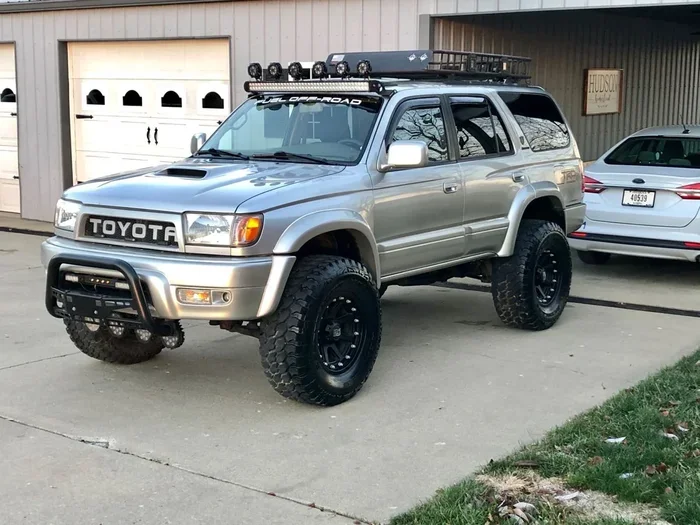
Yes, the 1999 4Runner is an excellent off-road vehicle. It comes with a solid rear axle, good ground clearance, and available 4WD. The suspension design handles rough terrain well. Many owners modify their 1999 models with lift kits and all-terrain tires for even better performance. It is a favorite among budget-conscious off-road enthusiasts.
What should I check before buying a 1999 4Runner?
Always inspect the undercarriage for rust, test the transmission for smooth shifting, and listen for unusual engine noises. Request a vehicle history report and maintenance records. Have a trusted mechanic perform a pre-purchase inspection. Check the condition of the suspension components, brakes, and electrical systems. These steps help you avoid costly surprises.
How much does a 1999 4Runner cost today?
The price of a 1999 4Runner varies based on condition, mileage, and trim level. Expect to pay between $5,000 and $15,000 for a well-maintained example. Clean, rust-free trucks with service records command higher prices. Project trucks or those needing repairs can be found at the lower end of the range. Always compare prices in your local market before making an offer.
What engine does the 1999 4Runner have?
The 1999 4Runner is equipped with a 3.4-liter V6 engine that produces approximately 190 horsepower and 220 pound-feet of torque. This engine is part of Toyota’s R-series engine family and is known for its durability and simplicity. It uses a cast-iron block and overhead cam design that has proven reliable for hundreds of thousands of miles.
=== CONCLUSION ===
The 1999 4Runner reliability story is one of durability, simplicity, and proven performance. This SUV has earned its reputation through decades of real-world use by owners who appreciate quality and longevity. From the robust 3.4-liter V6 engine to the sturdy frame and reliable drivetrain, the 1999 4Runner delivers where it counts.
Yes, there are common issues to watch for, but none of them are dealbreakers. With regular 4Runner maintenance and timely repairs, this truck will serve you faithfully for many years. The affordable 4Runner repair costs and wide availability of parts make ownership stress-free.
Whether you are looking for a weekend off-roader, a daily driver, or a smart used SUV investment, the 1999 Toyota 4Runner deserves your attention. It is a vehicle that rewards the owner who takes the time to care for it properly. Do your research, find a good example, and enjoy the journey. The 1999 4Runner reliability legacy is one that continues to impress, and it is a testament to Toyota’s commitment to building vehicles that last.