Are Toyota Hybrid CVTs Reliable Everything You Should Know
Toyota Hybrid CVTs have earned a strong reputation for reliability thanks to their simple design and fewer moving parts. The eCVT system used in Toyota hybrids is fundamentally different from traditional CVTs, which means fewer failure points and smoother operation. With proper maintenance and smart driving habits, these transmissions can easily last well over 200,000 miles. This guide covers everything you need to know about Toyota Hybrid CVT reliability, from common problems to maintenance tips.
Toyota Hybrid CVTs have become one of the most talked-about topics among car buyers and hybrid enthusiasts alike. If you are shopping for a Toyota hybrid vehicle, you have probably wondered whether the CVT transmission will hold up over time. The short answer is yes. Toyota Hybrid CVTs are widely regarded as some of the most reliable continuously variable transmissions on the market today.
But the full story is more interesting than a simple yes or no. Toyota’s hybrid system uses a special type of CVT called an eCVT, which works very differently from the CVTs found in non-hybrid vehicles. Understanding these differences is key to appreciating why Toyota Hybrid CVTs earn such strong reliability ratings. In this article, we will walk through everything you need to know. We will cover how the system works, common issues, maintenance tips, and expert insights that will help you make an informed decision.
Whether you own a Toyota Prius, a Toyota RAV4 Hybrid, or you are considering buying one, this guide has you covered. We will break down complex topics into simple, easy-to-understand language. You will walk away with practical advice you can use right away. So let us dive in and explore the world of Toyota Hybrid CVTs together.
Key Takeaways
- Toyota Hybrid CVTs use an eCVT system: Unlike traditional CVTs, the eCVT relies on planetary gear sets and electric motors, making it inherently more durable.
- Long-term reliability is excellent: Many Toyota hybrid owners report CVT lifespans exceeding 200,000 miles with basic maintenance.
- Common problems are rare: Issues like fluid degradation or software glitches can occur but are uncommon and usually covered under warranty.
- Regular fluid changes matter: Sticking to the recommended transmission fluid replacement schedule significantly extends CVT life.
- Toyota’s hybrid powertrain is proven technology: Millions of Toyota hybrids on the road validate the durability of the hybrid transmission system.
- Driving habits affect longevity: Smooth acceleration and avoiding excessive heat buildup help keep the CVT healthy for the long haul.
- Toyota’s powertrain warranty provides strong coverage: Most hybrid drivetrain warranties cover 10 years or 100,000 miles, giving owners peace of mind.
📑 Table of Contents
- What Is a CVT and How Does It Work in Toyota Hybrids?
- Are Toyota Hybrid CVTs Reliable? The Long-Term Track Record
- Common Toyota Hybrid CVT Problems to Watch For
- CVT Maintenance Tips for Toyota Hybrids
- Toyota Hybrid CVT vs Traditional Automatic Transmission
- Final Verdict: Should You Buy a Toyota Hybrid with a CVT?
What Is a CVT and How Does It Work in Toyota Hybrids?
Before we talk about reliability, it helps to understand what a CVT actually is. A CVT stands for Continuously Variable Transmission. Unlike a traditional automatic transmission with fixed gear ratios, a CVT provides an infinite number of gear ratios. This allows the engine to operate at its most efficient speed at all times.
In a conventional vehicle, a CVT uses belts and pulleys to change ratios smoothly. This design can be prone to wear and heat buildup over time. However, Toyota Hybrid CVTs work on a completely different principle. Toyota uses what is called an eCVT, or electronic continuously variable transmission. This is not a belt-driven system at all.
The eCVT Difference
The eCVT in Toyota hybrids relies on a planetary gear set and electric motors. The planetary gear set connects the internal combustion engine, the electric motor, and the generator. Together, these components split power and deliver it to the wheels in the most efficient way possible. There are no belts, no pulleys, and no traditional gear shifts.
This design is a big reason why Toyota Hybrid CVTs are so reliable. The fewer mechanical parts that wear out, the longer the system lasts. The eCVT essentially acts as a power-split device rather than a traditional transmission. This means smoother operation and fewer points of failure.
Planetary Gear Sets Explained
The planetary gear set is the heart of the Toyota hybrid powertrain. It consists of a sun gear, ring gear, and planet gears all working together inside a single housing. The electric motors control the rotation of these gears to achieve seamless ratio changes. You never feel a shift because there are no physical gears to shift between.
This system also enables regenerative braking, which captures energy during deceleration and stores it in the hybrid battery. The combination of the planetary gear set and electric motors creates a highly efficient drivetrain. Toyota has refined this technology over decades, and it shows in the real-world performance of Toyota Hybrid CVTs.
Are Toyota Hybrid CVTs Reliable? The Long-Term Track Record
The reliability of Toyota Hybrid CVTs speaks for itself. Toyota has sold millions of hybrid vehicles worldwide, and the hybrid transmission system has proven itself time and again. When we look at long-term ownership data, the numbers are very encouraging for anyone considering a Toyota hybrid.
Toyota’s Hybrid Synergy Drive System
Toyota’s Hybrid Synergy Drive is the overarching system that manages how the engine, electric motors, and eCVT work together. This system has been refined since the first-generation Toyota Prius launched in 1997. Over 25 years of development and real-world testing have made it incredibly mature and dependable.
The Hybrid Synergy Drive uses intelligent power management to reduce strain on the CVT. The system automatically decides when to use the electric motor, the gas engine, or a combination of both. This smart management reduces wear and helps the Toyota Hybrid CVTs maintain their reliability over many years of use.
Real-World Mileage and Longevity
Many Toyota hybrid owners report their vehicles reaching 200,000 to 300,000 miles with the original hybrid powertrain still intact. The CVT component of the hybrid system is typically part of the broader hybrid drivetrain, which carries Toyota’s comprehensive powertrain warranty. This warranty covers 10 years or 100,000 miles in most states, giving buyers strong peace of mind.
Consumer Reports and J.D. Power consistently give Toyota hybrid models high reliability scores. The continuously variable transmission in Toyota hybrids rarely appears on lists of problematic components. When compared to traditional automatic transmissions or even some other CVT designs from different brands, Toyota Hybrid CVTs stand out for their durability.
Real-world data from hybrid fleets and long-term test vehicles confirms this trend. Fleet operators who rely on Toyota hybrids for daily use consistently report minimal drivetrain issues. The hybrid powertrain’s simplicity and proven engineering are the foundation of this strong track record.
Common Toyota Hybrid CVT Problems to Watch For
No mechanical system is completely immune to problems, and Toyota Hybrid CVTs are no exception. However, issues are relatively rare compared to other transmission types. When problems do arise, they tend to be minor and easily addressed. Let us look at the most common concerns owners have reported over the years.
Warning Signs and Symptoms
Most Toyota Hybrid CVT problems start with subtle warning signs. Being aware of these symptoms can help you catch issues early before they become expensive repairs. Here are the most common warning signs to watch for:
- Unusual noises: A whining or grinding sound during acceleration can indicate internal wear or low fluid levels.
- Shuddering or vibration: Some owners report a slight shudder at low speeds, which is often related to the hybrid system’s software calibration rather than mechanical failure.
- Reduced fuel efficiency: If your Toyota hybrid suddenly gets worse gas mileage, the eCVT or hybrid battery may be working harder than it should.
- Check engine light: While this light can mean many things, it is always worth getting a diagnostic scan done promptly.
- Limp mode: In rare cases, the system may limit power output to protect the transmission. This usually triggers a visit to a qualified mechanic.
When to See a Mechanic
If you notice any of the symptoms listed above, do not ignore them. Early diagnosis can prevent minor issues from becoming major repairs. A certified Toyota technician has access to specialized diagnostic tools that can read hybrid-specific fault codes. These tools are essential for accurately diagnosing eCVT problems.
Most Toyota dealerships have technicians specifically trained in hybrid systems. They understand the unique aspects of Toyota Hybrid CVTs and can address issues quickly. If your vehicle is still under warranty, repairs are typically covered at no cost to you. This is another reason why buying a Toyota hybrid with a CVT is a smart choice.
CVT Maintenance Tips for Toyota Hybrids
Maintenance plays a huge role in how long your Toyota Hybrid CVT lasts. The good news is that hybrid CVT maintenance is fairly straightforward and less complex than maintaining a traditional automatic transmission. Following a few simple steps can keep your drivetrain running smoothly for hundreds of thousands of miles.
Fluid Changes and Intervals
Toyota recommends checking the hybrid transmission fluid at regular intervals. The fluid in the eCVT system serves multiple purposes. It lubricates the planetary gear set, helps with cooling, and supports the electric motor’s operation. Over time, this fluid can degrade and lose its effectiveness.
Most Toyota owners manuals suggest a fluid change around 60,000 to 100,000 miles, though this can vary by model. Always refer to your specific vehicle’s maintenance schedule. Using the correct Toyota-spec hybrid transmission fluid is critical. Aftermarket fluids may not meet the exact requirements of the eCVT system.
Here are some quick maintenance tips for Toyota Hybrid CVTs:
- Follow the factory-recommended maintenance schedule to the letter.
- Use only Toyota-approved hybrid transmission fluid.
- Check fluid levels during regular oil changes.
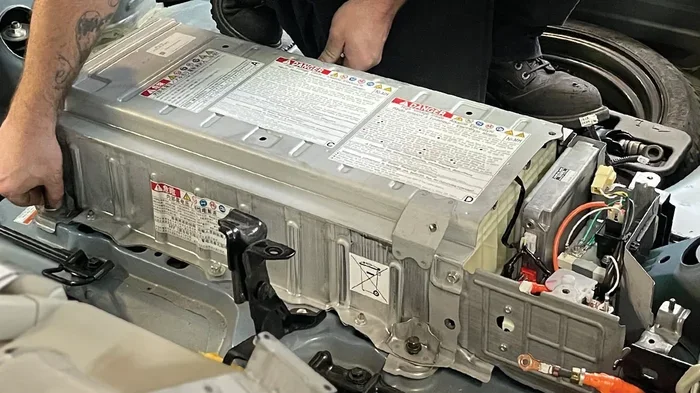
- Keep the hybrid battery in good health, as it directly affects drivetrain performance.
- Address any warning lights or unusual symptoms immediately.
Driving Habits That Extend CVT Life
How you drive your Toyota hybrid has a direct impact on the longevity of the CVT. Smooth driving habits reduce stress on the planetary gear set and electric motors. This is especially important during the first few thousand miles when the system is still bedding in.
Avoid aggressive acceleration whenever possible. Rapid hard pulls put extra load on the eCVT and generate excess heat. Instead, accelerate gently and let the hybrid system manage power delivery efficiently. This approach not only protects the CVT but also maximizes fuel efficiency.
Another important tip is to avoid prolonged high-speed driving in extreme heat. Excessive heat is one of the biggest enemies of any transmission system. If you live in a hot climate, consider parking in shaded areas and using your vehicle’s cooling systems properly. These small habits add up over years of ownership and help your Toyota Hybrid CVTs stay healthy.
Toyota Hybrid CVT vs Traditional Automatic Transmission
It is helpful to compare Toyota Hybrid CVTs with traditional automatic transmissions to understand why they are so reliable. Both systems have their strengths and weaknesses, but the hybrid eCVT has some distinct advantages when it comes to longevity and durability.
Key Differences
A traditional automatic transmission uses a complex set of clutch packs, torque converters, and multiple gear sets. All of these components wear over time and require regular maintenance. Traditional automatics also have more fluid lines, seals, and sensors that can potentially fail. The complexity creates more opportunities for problems to develop.
Toyota Hybrid CVTs, on the other hand, have far fewer mechanical components that experience direct friction. The eCVT system uses planetary gears and electric motors rather than clutch packs and torque converters. This fundamental design difference is why Toyota Hybrid CVTs tend to outlast traditional automatic transmissions in many cases.
Which Is Better for Reliability?
For pure reliability and longevity, the Toyota Hybrid CVT has a clear edge. The system’s simplicity and the way it distributes power through electric motors reduce mechanical wear significantly. The hybrid powertrain also benefits from the electric motor handling much of the low-speed driving, which takes stress off the planetary gear set.
That said, traditional automatics have their own strengths. They are often better suited for heavy towing and high-performance applications. But for daily driving, commuting, and general transportation, the Toyota Hybrid CVT is hard to beat in terms of reliability. The numbers back this up with millions of trouble-free hybrid miles logged by Toyota owners around the world.
Final Verdict: Should You Buy a Toyota Hybrid with a CVT?
The evidence strongly supports the reliability of Toyota Hybrid CVTs. From the proven Hybrid Synergy Drive system to the simple eCVT design, Toyota has engineered a drivetrain that is built to last. The long-term track record speaks for itself, with many owners surpassing 200,000 miles without major transmission issues.
Regular maintenance, smart driving habits, and staying on top of fluid changes will go a long way toward ensuring your Toyota Hybrid CVT delivers a lifetime of dependable service. The comprehensive powertrain warranty provides an extra layer of protection during the early years of ownership.
If you are in the market for a reliable hybrid vehicle, a Toyota hybrid with a CVT should be at the top of your list. The combination of fuel efficiency, low maintenance costs, and proven durability makes Toyota Hybrid CVTs one of the best choices available today. Trust the technology, follow the maintenance schedule, and enjoy the ride for many miles to come.
Whether you choose the iconic Toyota Prius, the versatile Toyota RAV4 Hybrid, or any other Toyota hybrid model, you are investing in a drivetrain that has been refined and proven over decades. Toyota Hybrid CVTs represent the best of what hybrid technology has to offer in terms of reliability and performance.
Frequently Asked Questions
How long do Toyota Hybrid CVTs last?
Toyota Hybrid CVTs are designed to last well over 200,000 miles with proper maintenance. The eCVT system has fewer moving parts than traditional transmissions, which contributes to its impressive longevity. Many owners report their hybrid CVTs reaching 300,000 miles without major issues.
What is the difference between a Toyota Hybrid CVT and a regular CVT?
A regular CVT uses belts and pulleys to provide variable gear ratios, while a Toyota Hybrid CVT uses an eCVT with planetary gears and electric motors. The eCVT design is simpler and more durable because it eliminates the belt and pulley system that can wear out in traditional CVTs.
Are Toyota Hybrid CVTs expensive to repair?
Repairs on Toyota Hybrid CVTs are generally uncommon due to the system’s reliability. When repairs are needed, costs vary depending on the issue. Most Toyota hybrids are covered by a comprehensive powertrain warranty that covers 10 years or 100,000 miles, which helps offset repair costs during the warranty period.
Do Toyota Hybrid CVTs need special maintenance?
Toyota Hybrid CVTs require the same basic maintenance as any Toyota drivetrain, with one key difference. You must use Toyota-approved hybrid transmission fluid and follow the recommended fluid change intervals. The hybrid system also benefits from keeping the battery in good condition, as it works closely with the eCVT.
Can you tow with a Toyota Hybrid that has a CVT?
Most Toyota hybrids with CVTs are rated for light towing, typically up to 1,500 pounds when properly equipped. Always check your specific vehicle’s owner manual for towing capacity. Heavy towing can put extra strain on the eCVT system, so it is important to stay within the recommended limits.
Is the Toyota RAV4 Hybrid CVT reliable?
Yes, the Toyota RAV4 Hybrid CVT has an excellent reliability track record. Consumer Reports consistently rates the RAV4 Hybrid as one of the most reliable compact SUVs on the market. The eCVT system in the RAV4 Hybrid benefits from the same proven technology found across Toyota’s entire hybrid lineup.
=== CONCLUSION ===
Toyota Hybrid CVTs represent some of the most reliable transmission technology available in the automotive market today. The eCVT system, with its planetary gear sets and electric motor design, eliminates many of the common failure points found in traditional transmissions. Toyota’s decades of hybrid development have produced a drivetrain that is efficient, durable, and remarkably low-maintenance.
Whether you are a current Toyota hybrid owner or someone considering your first hybrid purchase, understanding your Toyota Hybrid CVTs is essential. Regular maintenance, quality fluids, and mindful driving habits will keep your hybrid transmission running smoothly for the long haul. The numbers do not lie. Toyota Hybrid CVTs are built to last and backed by millions of real-world miles of proven performance.
Trust in Toyota’s engineering. Follow the maintenance schedule. And enjoy the many benefits that come with owning one of the most reliable hybrid drivetrains on the road today.