Are There Really Two Batteries in a Prius Hybrid
Yes, a Toyota Prius hybrid has two separate batteries: a high-voltage traction battery that powers the electric motor and a standard 12-volt auxiliary battery that runs the car’s electronics. Understanding the two batteries in a Prius hybrid is essential for every owner because each battery serves a completely different purpose. This guide walks you through exactly how both batteries work, what they do, and how to keep them healthy for years to come.
If you have ever popped the hood of a Toyota Prius and wondered what all those components are, you are not alone. One question that comes up constantly is whether a Prius hybrid actually has two batteries. The short answer is yes. But the full story is much more interesting than a simple yes or no.
The Toyota Prius is one of the most popular hybrid vehicles on the road. Its unique powertrain setup confuses many people, especially those new to hybrid technology. Understanding the two batteries in a Prius hybrid helps you take better care of your car. It also helps you avoid costly surprises down the road.
In this guide, we will walk you through everything you need to know. We will cover what each battery does, how they work together, and what you can do to keep them in great shape. Whether you drive a first-generation Prius or the latest Prius Prime, this article has you covered.
Key Takeaways
- Two distinct batteries exist: The Prius hybrid uses a high-voltage traction battery and a standard 12-volt auxiliary battery.
- Different jobs, different locations: The traction battery drives the electric motor, while the 12-volt battery powers the car’s computer systems and accessories.
- Battery types vary by generation: Older Prius models use NiMH batteries, while newer ones use lithium-ion technology.
- Regenerative braking charges both systems: The hybrid system recaptures energy during braking to keep batteries topped up.
- Maintenance matters: Regular checks and smart driving habits extend the life of both batteries significantly.
- Replacement costs differ: The 12-volt battery is inexpensive, but the high-voltage battery pack can be a major investment.
- Know the warning signs: Recognizing early symptoms of battery wear saves time and money.
📑 Table of Contents
Understanding the Prius Hybrid Battery System
The Toyota Prius uses a dual-battery setup that is quite different from a regular gasoline car. A conventional car has just one battery, and it is the small 12-volt unit under the hood. The Prius, however, adds a second, much larger battery pack to its system. This second battery is what makes the Prius a true hybrid vehicle.
Both batteries are essential. Neither one works without the other. Let us break down what each battery does and why Toyota designed the system this way.
The High-Voltage Traction Battery
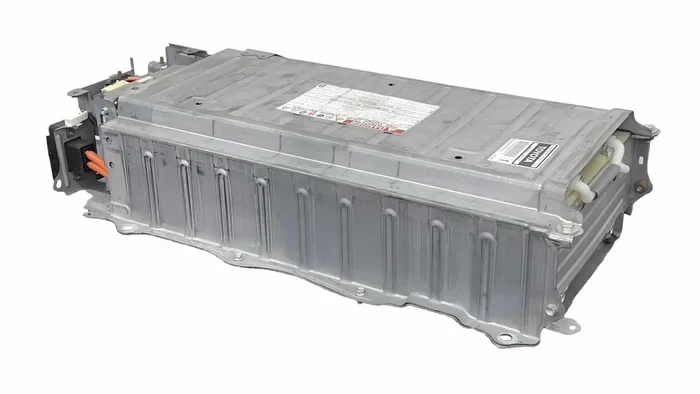
The high-voltage battery is the big one. It is also called the traction battery or the hybrid battery pack. In most Prius models, this battery sits in the rear of the car, underneath the trunk floor. It stores energy that powers the electric motor.
This battery pack is made up of many individual cells connected together. Older Prius models use nickel-metal hydride, or NiMH, technology. Newer models, especially the Prius Prime and fourth-generation Prius, use lithium-ion cells. Both types store electrical energy, but lithium-ion batteries are lighter and more energy-dense.
The high-voltage battery typically operates at around 200 to 270 volts, depending on the model year. That is a lot of power for a compact car. This battery is what allows the Prius to drive on electric power alone at low speeds. It also provides extra boost during acceleration.
The 12-Volt Auxiliary Battery
The second battery is a standard 12-volt lead-acid battery. You will find it in the engine bay, just like in any conventional car. Despite its small size, this battery plays a critical role.
The 12-volt battery powers all the electronics in the car. This includes the infotainment system, lights, power windows, and the car’s computer modules. It also starts the hybrid system. When you press the power button to start your Prius, the 12-volt battery wakes up the car’s computers first.
Here is something many people do not realize. The 12-volt battery also controls the contactor that connects the high-voltage battery to the rest of the car. Without a working 12-volt battery, the high-voltage system cannot turn on at all. So both batteries are deeply connected, even though they serve very different purposes.
What Does Each Battery Actually Do?
Now that we know both batteries exist, let us look at their specific roles. Understanding the function of each battery makes the whole system much clearer.
How the Traction Battery Powers the Car
The traction battery is the heart of the Prius hybrid system. It sends electrical energy to the electric motor, which drives the wheels. In many driving situations, the electric motor handles all the power needs. This is why the Prius can operate in pure electric mode at low speeds.
When you accelerate gently, the car runs mostly on battery power. The electric motor draws energy from the traction battery. When you need more power, such as during highway merging, the gasoline engine kicks in to help. The engine also acts as a generator to recharge the battery while you drive.
The traction battery never needs to be plugged in on standard Prius models. The hybrid system recharges it automatically through regenerative braking and engine power. However, plug-in hybrid versions like the Prius Prime do need external charging for their larger battery packs.
The Role of the 12-Volt Battery
The 12-volt battery might seem like a minor component, but it is the gatekeeper of the entire hybrid system. When you open the door or press the start button, the 12-volt battery powers up the car’s computer network.
Once the computers are awake, they check all systems. They then close the main contactor, which connects the high-voltage battery to the power inverter. The inverter converts the DC power from the traction battery into AC power for the electric motor.
If the 12-volt battery dies, your Prius will not start. You might hear clicking sounds or see warning lights on the dashboard. In some cases, the car will not even recognize that the hybrid system is present. This is why keeping the 12-volt battery healthy is so important.
How the Two Batteries Work Together
The real magic of the Prius hybrid system happens when both batteries cooperate. They are not independent systems. They communicate constantly through the car’s central computer. Let us look at how this teamwork unfolds during a typical drive.
The Power Inverter Connection
The power inverter acts as the bridge between the two battery systems. It takes the high-voltage DC power from the traction battery and converts it to AC power for the electric motor. But it also relies on the 12-volt system for its own control signals.
When the car is off, the inverter waits for the 12-volt system to wake it up. Once the 12-volt battery powers the inverter’s control unit, the inverter becomes active. It then manages the flow of energy from the traction battery to the motor. This entire process happens in milliseconds.
Regenerative Braking and Battery Charging
One of the smartest features of the Prius hybrid system is regenerative braking. When you take your foot off the accelerator or press the brake pedal lightly, the electric motor reverses its role. It becomes a generator.
As the wheels spin the motor, it creates electricity. This electricity flows back into the traction battery, recharging it. This is how the Prius recaptures energy that would otherwise be lost as heat in traditional brakes. The result is better fuel efficiency and less wear on your brake pads.
The 12-volt battery also gets charged during this process. A DC-DC converter steps down the high-voltage power to charge the 12-volt battery while the car is running. This means you rarely need to jump-start a Prius, even if the car has been sitting for a while. The hybrid system keeps the 12-volt battery topped off automatically.
Battery Types Across Prius Generations
Toyota has made significant advances in hybrid battery technology over the years. Each generation of the Prius brought improvements in battery chemistry, capacity, and durability. Let us explore how the batteries have evolved.
Nickel-Metal Hydride in Older Models
The first through third-generation Prius models used nickel-metal hydride batteries. NiMH batteries are proven and reliable. They handle thousands of charge and discharge cycles without significant degradation. Many Prius owners have reported original traction batteries lasting well beyond 200,000 miles.
NiMH batteries are also more tolerant of extreme temperatures than early lithium-ion designs. They perform well in both hot climates and cold winters. The trade-off is that they are heavier and less energy-dense than lithium-ion alternatives.
Lithium-Ion in Newer Models
Starting with the fourth-generation Prius and the Prius Prime, Toyota switched to lithium-ion batteries. These batteries are lighter, smaller, and more efficient. They store more energy per pound, which improves fuel economy and electric-only driving range.
Lithium-ion batteries also accept charge faster and handle partial discharge cycles better. This makes them ideal for plug-in hybrid operation. The Prius Prime, for example, can travel about 25 miles on electric power alone thanks to its larger lithium-ion battery.
However, lithium-ion batteries require more sophisticated battery management systems. Toyota built a complex monitoring system into the Prius Prime to keep each cell balanced and healthy. This system extends the overall life of the battery pack significantly.
Common Questions About Prius Battery Maintenance
Owning a Prius means thinking about batteries more than you would with a regular car. Let us address some of the most common questions owners have about maintaining their hybrid battery systems.
How Long Do Prius Batteries Last?
The traction battery in a Prius is designed to last the lifetime of the vehicle. Toyota has engineered these battery packs to endure extreme conditions and thousands of cycles. Many owners report their original hybrid battery lasting 150,000 to 300,000 miles without any issues.
The 12-volt auxiliary battery has a shorter lifespan. Most last between three and five years, similar to a regular car battery. Hot climates tend to shorten this lifespan. Cold climates can also cause problems if the battery is already weak.
Regular maintenance helps both batteries last longer. Simple habits like keeping the car plugged in for plug-in models and avoiding deep discharges go a long way. The key is to be proactive rather than reactive.
Signs Your Prius Battery Needs Attention
Both batteries give warning signs before they fail completely. Knowing these signs can save you from a sudden breakdown. Here are the most common symptoms to watch for.
- Warning lights on the dashboard: The check engine light or hybrid system warning light may illuminate. This often indicates a battery or sensor issue.
- Reduced electric-only driving: If your Prius no longer runs on electric power at low speeds, the traction battery may be weakening.
- Decreased fuel economy: A failing battery forces the gasoline engine to work harder. You will notice lower miles per gallon.
- Slow engine start: If the car hesitates or clicks when you press the power button, the 12-volt battery may be dying.
- Battery warning messages: The information display may show specific battery alerts. Do not ignore these messages.
- Unusual noises: Some owners report clicking or humming sounds from the battery area when something is wrong.
Can You Replace Just One Battery?
Yes, you can replace either battery independently. The 12-volt battery is inexpensive and easy to swap. Most auto parts stores carry the right replacement. A new 12-volt battery typically costs between $100 and $200, including installation.
The high-voltage traction battery is a different story. Replacement costs can range from $2,000 to $4,000 or more, depending on the model year and battery type. However, many owners explore refurbished or rebuilt battery options. Some specialized shops can rebuild a degraded traction battery pack for a fraction of the cost of a new one.
Before replacing the traction battery, have a qualified technician perform a full diagnostic. Sometimes the issue is not the battery itself but a faulty sensor, a bad connection, or a problem with the battery management system. Proper diagnosis prevents unnecessary expenses.
Expert Tips for Keeping Both Batteries Healthy
Taking care of your Prius batteries does not have to be complicated. A few smart habits can keep both systems running strong for years. Here are some practical tips that every Prius owner should follow.
Maintenance Best Practices
- Check the 12-volt battery regularly: Have a mechanic test it during every oil change or service visit. Catching a weak battery early prevents being stranded.
- Keep the traction battery cool: Extreme heat is the biggest enemy of hybrid batteries. Park in shaded areas when possible. Avoid leaving the car in direct sun for extended periods.
- Drive gently at times: Aggressive driving puts extra strain on both batteries. Smooth acceleration and gentle braking reduce the load on the hybrid system.
- Do not let the car sit for months: If you store your Prius for an extended period, use a battery maintainer on the 12-volt terminal. The traction battery also benefits from occasional driving to stay balanced.
- Keep software updated: Toyota occasionally releases software updates that improve battery management. Ask your dealer if any updates are available for your model.
- Monitor fuel economy: A sudden drop in miles per gallon often signals a battery problem. Track your fuel economy over time to catch issues early.
- Use genuine Toyota parts: When replacing the 12-volt battery, opt for the recommended specification. Aftermarket batteries may not meet the power demands of the hybrid system.
When to Seek Professional Help
Some battery issues are beyond DIY fixes. If you notice the hybrid system warning light staying on, seek professional diagnosis immediately. A trained Toyota technician has the tools to read hybrid-specific error codes. They can pinpoint problems in the battery management system, the power inverter, or individual battery modules.
For the 12-volt battery, most owners can handle the replacement themselves. But if you are unsure, a quick trip to a service center is always worth it. They can also check the DC-DC converter that charges the 12-volt battery from the traction system. A failing converter can drain the auxiliary battery even while you drive.
Key Takeaways
- Two batteries work together: The Prius hybrid system relies on both a high-voltage traction battery and a standard 12-volt auxiliary battery.
- Each battery has a unique role: The traction battery powers the electric motor, while the 12-volt battery runs the car’s electronics and controls the hybrid system.
- Battery technology has evolved: Older Prius models use NiMH batteries, while newer models feature lighter and more efficient lithium-ion cells.
- Regenerative braking keeps both charged: The hybrid system recaptures energy during braking and uses it to recharge both battery systems.
- Maintenance extends battery life: Simple habits like monitoring fuel economy, parking in shade, and regular 12-volt battery checks go a long way.
- Replacement is possible for both: The 12-volt battery is affordable and easy to replace, while the traction battery is more expensive but often lasts the life of the vehicle.
- Know the warning signs: Dashboard lights, reduced electric driving, and poor fuel economy are early signals that a battery needs attention.
Conclusion
The answer to whether there are two batteries in a Prius hybrid is a definitive yes. The Toyota Prius uses a high-voltage traction battery and a 12-volt auxiliary battery, and both are essential to the hybrid system. Understanding how they work together gives you a deeper appreciation for Toyota’s hybrid engineering.
Taking care of both batteries ensures your Prius runs efficiently for years. Simple maintenance habits and prompt attention to warning signs can prevent most battery-related problems. Whether you drive a classic third-generation Prius or a sleek Prius Prime, the dual-battery system is what makes your car such an impressive hybrid vehicle.
Next time someone asks you about the two batteries in a Prius hybrid, you can share exactly how the system works. You will know more than most people on the road. And that knowledge will help you be a smarter, more confident Prius owner.