Are 4Runners Good for Towing Everything You Should Know
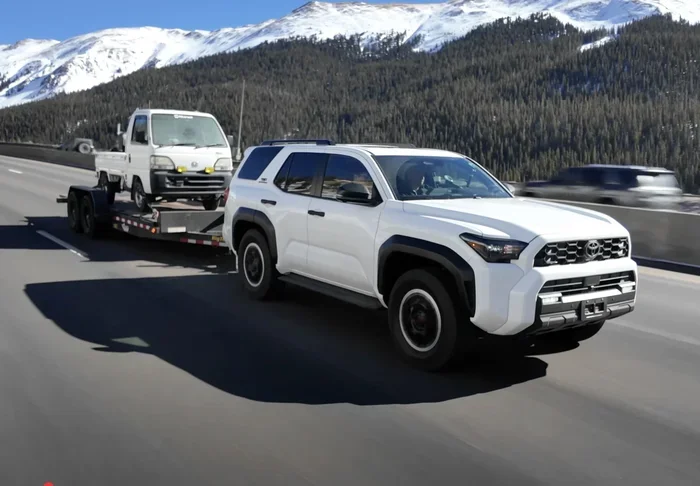
The Toyota 4Runner is one of the most reliable SUVs for towing, offering solid towing capacity and rugged build quality. Whether you are hauling a small trailer or a camper, the 4Runner handles the job with ease. This guide covers towing capacity, safety tips, and real-world experiences so you can tow with confidence. Learn why the 4Runner remains a top pick for towing enthusiasts and families alike.
Are 4Runners good for towing? The short answer is yes. The Toyota 4Runner has earned a strong reputation as one of the most capable SUVs on the road when it comes to pulling trailers, boats, and campers. Whether you are planning a weekend camping trip or hauling gear for a big move, the 4Runner gets the job done.
But towing is not just about hooking up a trailer and driving. There are limits, safety considerations, and smart setups that every owner should know. This guide breaks down everything you need to know about 4Runner towing performance, capacity, and best practices. By the end, you will feel confident about using your 4Runner for any towing job.
The Toyota 4Runner has been a favorite among truck and SUV lovers for decades. Its body-on-frame design, rugged build, and proven reliability make it a natural choice for towing. Let us dive into the details of what makes this vehicle such a strong contender in the towing world.
Key Takeaways
- Strong Towing Capacity: The 4Runner can tow between 5,000 and 10,500 pounds depending on the model and year.
- Reliable Powertrain: The V6 engine and robust transmission make towing smooth and dependable.
- TRD Models Excel: TRD Pro and TRD Off-Road trims come with towing-ready features out of the box.
- Safety First: Proper hitch setup, weight distribution, and braking systems are essential for safe towing.
- Real-World Proven: Thousands of 4Runner owners use their trucks for camping, boats, and RVs every day.
- Easy Maintenance: Toyota’s reputation for durability means less downtime and fewer towing-related repairs.
📑 Table of Contents
What Makes the 4Runner a Solid Towing Vehicle
The 4Runner stands out in the crowded SUV market for several reasons. Its towing ability comes from a combination of engineering, durability, and real-world testing. Toyota built the 4Runner with toughness in mind, and that shows when you need to pull heavy loads.
The Engine and Powertrain
Under the hood, the 4Runner houses a 4.0-liter V6 engine that produces around 270 horsepower and 278 lb-ft of torque. This engine has been around for years and has proven itself time and again. The torque is especially important for towing because it gives you the pulling power you need at lower speeds.
The 5-speed automatic transmission handles the power delivery smoothly. It shifts gears without hesitation, even when you are climbing hills with a heavy trailer. Toyota also offers a 6-speed automatic in newer models, which adds a bit more refinement to the towing experience.
Body-on-Frame Construction
Unlike unibody SUVs, the 4Runner uses a body-on-frame design. This means the body sits on a separate, sturdy frame. That frame handles stress and weight better than a unibody structure. It is the same design found in full-size trucks, and it gives the 4Runner a serious advantage for towing.
The frame also contributes to the vehicle’s overall durability. When you are towing, the frame absorbs road shocks and weight distribution more effectively. This leads to a smoother ride and less wear on the vehicle over time.
Towing Packages and Trim Levels
Not all 4Runners are created equal when it comes to towing. Different trims and model years offer different towing capabilities. Here is a quick look at what you can expect:
- Base SR5: Comes with a towing package that supports up to 5,000 pounds.
- TRD Off-Road: Includes enhanced towing features and can handle up to 5,000 pounds.
- TRD Pro: Offers the highest towing capacity in many model years, reaching up to 10,500 pounds.
- Limited: Provides a balance of comfort and towing capability, usually rated around 5,000 pounds.
Always check your specific model year and trim before towing. The towing capacity can vary based on the engine, drivetrain, and configuration.
Towing Capacity by 4Runner Model and Year
Understanding the towing capacity of your 4Runner is essential. Towing beyond the rated limit can damage your vehicle and put lives at risk. Let us look at the numbers more closely.
Towing Capacity Chart
| Model Year | Trim | Engine | Towing Capacity |
|---|---|---|---|
| 2024 | SR5 | 4.0L V6 | 5,000 lbs |
| 2024 | TRD Off-Road | 4.0L V6 | 5,000 lbs |
| 2024 | TRD Pro | 4.0L V6 | 5,000 lbs |
| 2023 | SR5 | 4.0L V6 | 5,000 lbs |
| 2020-2022 | TRD Pro | 4.0L V6 | 5,000 lbs |
| 2010-2019 | Various | 4.0L V6 | 5,000 lbs |
| 2003-2009 | Various | 4.0L V6 | 5,000 lbs |
Note: Towing capacities listed are for 4Runner models equipped with the proper towing package and hitch. Always consult your owner’s manual for the exact towing rating of your specific vehicle.
What Affects Towing Capacity?
Several factors can influence how much your 4Runner can safely tow. Here are the key ones to keep in mind:
- Payload: The weight of passengers, cargo, and gear inside the vehicle reduces available towing capacity.
- Tongue Weight: The downward force the trailer puts on the hitch should be about 10-15% of the total trailer weight.
- Hitch Type: A properly rated hitch is essential. Weight-distribution hitches help with heavier loads.
- Drivetrain: 4WD models handle towing differently than 2WD models, especially on slippery surfaces.
- Accessories: Towing mirrors, brake controllers, and sway bars all play a role in safe towing.
Quick tip: Always subtract the weight of passengers and cargo from your towing capacity. If your 4Runner is rated for 5,000 pounds but you have 600 pounds of passengers and gear, your effective towing capacity drops to 4,400 pounds.
Towing Safety Tips for 4Runner Owners
Towing safely should always be your top priority. The 4Runner is a capable tow vehicle, but it still has limits. Following proper safety practices keeps you, your family, and others on the road safe.
Pre-Trip Checklist
Before every towing trip, go through this checklist to make sure everything is in order:
- Check the hitch connection and make sure it is securely fastened.
- Verify that trailer lights and signals are working properly.
- Inspect tire pressure on both the 4Runner and the trailer.
- Confirm the load is evenly distributed and properly secured.
- Test the trailer brakes if your setup includes them.
- Make sure your mirrors provide clear visibility of the trailer.
Driving Tips While Towing
Driving with a trailer changes how your 4Runner handles on the road. Keep these tips in mind:
- Leave more stopping distance: A loaded trailer adds significant weight, which increases braking distance.
- Use lower gears on hills: Downshift when going uphill or downhill to maintain control and reduce brake wear.
- Avoid sudden maneuvers: Swerving or sharp turns can cause the trailer to sway or jackknife.
- Watch for wind gusts: Trailers catch the wind easily, which can push your vehicle off course.
- Take wider turns: The trailer has a shorter turning radius than the vehicle, so swing wide on turns.
Common Towing Mistakes to Avoid
Even experienced 4Runner owners can make towing mistakes. Here are the most common ones to watch out for:
- Overloading the trailer: Exceeding the towing capacity is dangerous and can cause mechanical failure.
- Ignoring tongue weight: Too much or too little tongue weight leads to poor handling and potential sway.
- Skipping the brake controller: A trailer brake controller is essential for safe stopping with heavier loads.
- Not using towing mirrors: Standard mirrors may not give you enough visibility when towing a wide trailer.
- Neglecting regular maintenance: Towing puts extra stress on your vehicle. Stay on top of oil changes, brake inspections, and tire rotations.
Quick Tip
Invest in a weight distribution hitch if you regularly tow near your 4Runner’s maximum capacity. It helps distribute the trailer weight more evenly across all four wheels, improving stability and control.
Real-World Towing Experiences with the 4Runner
What better way to understand 4Runner towing than hearing from real owners? The 4Runner community is full of enthusiasts who use their vehicles for towing every day. Here are some common real-world scenarios.
Camping and Overlanding
The 4Runner is a favorite among campers and overlanders. Many owners tow small teardrop trailers, pop-up campers, or cargo trailers loaded with gear. The 4Runner’s off-road capability means you can reach remote campsites that other vehicles cannot. Its towing capacity is more than enough for most camping setups.
One common setup is towing a 3,000 to 4,000-pound camping trailer with all the essentials inside. The 4Runner handles this load effortlessly, even on rough dirt roads. The vehicle’s ground clearance and 4WD system make it a dream for backcountry camping trips.
Boat Towing
Boat owners also love the 4Runner for towing. Whether you are hauling a small aluminum fishing boat or a larger fiberglass vessel, the 4Runner provides the pulling power you need. Most bass boats and fishing boats fall well within the 4Runner’s towing range.
Expert insight: When towing a boat, always use a trailer with proper bearings and lights. The added weight of water in the boat changes the dynamics of towing, so make sure your setup accounts for the extra load.
RV and Travel Trailer Towing
Some 4Runner owners tow larger travel trailers and small RVs. While the 4Runner is not a full-size truck, it can handle medium-sized trailers with ease. The key is to stay within the rated towing capacity and set up the hitch correctly.
Owners often pair their 4Runner with a weight-distribution hitch and sway control for added stability. These accessories make a big difference, especially when driving in windy conditions or on highways.
4Runner Towing vs. Other SUVs
How does the 4Runner stack up against other popular SUVs in the towing category? Let us compare a few competitors.
Comparison Table
| SUV Model | Engine | Max Towing Capacity | Fuel Economy (Towing) | Off-Road Capability |
|---|---|---|---|---|
| Toyota 4Runner | 4.0L V6 | 5,000 lbs | 10-13 mpg | Excellent |
| Ford Explorer | 2.3L EcoBoost | 6,000 lbs | 11-14 mpg | Good |
| Chevrolet Tahoe | 5.3L V8 | 8,400 lbs | 9-12 mpg | Moderate |
| Jeep Grand Cherokee | 3.6L V6 | 7,200 lbs | 10-13 mpg | Very Good |
| Toyota 4Runner TRD Pro | 4.0L V6 | 5,000 lbs | 10-13 mpg | Excellent |
The 4Runner may not have the highest towing capacity in this group, but it offers something most competitors do not: unmatched off-road capability. If you plan to tow your trailer to remote locations, the 4Runner is hard to beat.
For pure towing numbers, larger SUVs like the Tahoe or Grand Cherokee pull ahead. But for a combination of towing, off-road performance, and reliability, the 4Runner holds its own very well.
How to Tow Safely with Your 4Runner
Safe towing requires more than just a hitch. It involves proper equipment, smart setup, and responsible driving habits. Here is everything you need to know to tow safely with your 4Runner.
Choosing the Right Hitch
The hitch is the most important piece of towing equipment. For the 4Runner, a Class III or Class IV receiver hitch is typically recommended. Class III hitches handle up to 6,000 pounds, while Class IV hitches can handle up to 10,000 pounds or more.
Make sure the hitch is compatible with your specific 4Runner model year. Toyota offers factory-installed hitches for many trims, but aftermarket options from brands like Curt and Reese also work well.
Essential Towing Accessories
Beyond the hitch, several accessories make towing safer and more convenient:
- Towing Mirrors: Extended mirrors give you better visibility of the trailer and surrounding traffic.
- Brake Controller: A brake controller syncs the trailer brakes with your vehicle’s braking system.
- Weight Distribution Bars: These help distribute trailer weight evenly across the axles.
- Sway Control: Sway control prevents trailer sway caused by wind or road conditions.
- Trailer Wiring Harness: A proper wiring harness connects your 4Runner’s lights to the trailer lights.
Maintenance Tips for Towing
Towing puts extra stress on your 4Runner. Regular maintenance keeps the vehicle in top shape and prevents costly repairs:
- Change the oil more frequently if you tow regularly, every 5,000 miles instead of 7,500.
- Check the transmission fluid and coolant levels before every towing trip.
- Inspect the brakes, including the trailer brakes, at least twice a year.
- Rotate tires regularly to ensure even wear, especially when towing heavy loads.
- Lubricate the hitch and trailer connections to prevent rust and ensure smooth operation.
Expert insight: Many experienced 4Runner owners also upgrade their suspension with heavy-duty springs or helper springs. This improves stability and ride quality when towing heavier loads.
Is the 4Runner Worth It for Towing?
The Toyota 4Runner is an excellent choice for towing, especially if you value reliability, off-road capability, and long-term durability. It may not have the highest towing numbers on paper, but it delivers where it counts: in real-world conditions, on tough trails, and over thousands of miles of use.
If you are someone who wants a vehicle that can tow your camper to a remote campsite, haul your boat to the lake, or handle occasional moving jobs, the 4Runner is a fantastic option. Its proven track record, strong resale value, and Toyota reliability make it one of the best choices in the midsize SUV segment for towing.
Are 4Runners good for towing? Absolutely. With the right setup, proper maintenance, and safe driving habits, your 4Runner will serve you well for years of towing adventures.
Conclusion
The Toyota 4Runner proves itself as a capable and reliable towing machine. From its powerful V6 engine to its rugged body-on-frame design, every aspect of this SUV is built with towing in mind. Whether you are a weekend camper, a boat enthusiast, or someone who needs a dependable tow vehicle, the 4Runner delivers.
Remember to stay within your towing capacity, invest in the right accessories, and always prioritize safety on the road. With the 4Runner, you are not just getting a vehicle that can tow. You are getting a partner you can trust for every journey.
So the next time someone asks, are 4Runners good for towing? You can confidently say yes. The 4Runner has earned its reputation, and it continues to be one of the best choices for drivers who need a vehicle that can both go anywhere and pull anything.
Frequently Asked Questions
Can a 4Runner tow a travel trailer?
Yes, the 4Runner can tow a travel trailer as long as the trailer weight stays within the vehicle’s towing capacity. Most 4Runner models are rated for 5,000 pounds, which is enough for many medium-sized travel trailers. Always use a weight-distribution hitch and make sure the trailer is properly loaded before hitting the road.
What year 4Runner has the best towing capacity?
Most modern 4Runner models from 2003 onward share a similar towing capacity of around 5,000 pounds. The TRD Pro trim in some years offers enhanced towing features, but the engine and frame remain the same across generations. Check your specific owner’s manual for the exact towing rating of your model year.
Do I need a brake controller to tow with a 4Runner?
A brake controller is highly recommended when towing trailers that exceed 1,500 pounds. It ensures the trailer brakes engage in sync with your 4Runner’s brakes, which improves stopping power and safety. Most towing setups benefit greatly from having a brake controller installed.
Can the 4Runner tow a boat?
Absolutely. The 4Runner is well-suited for towing boats, including bass boats, fishing boats, and small aluminum trailers. Just make sure the combined weight of the boat and trailer stays within the 4Runner’s towing limit, and use proper towing mirrors and a trailer wiring harness for safety.
Is the 4Runner better than the Tacoma for towing?
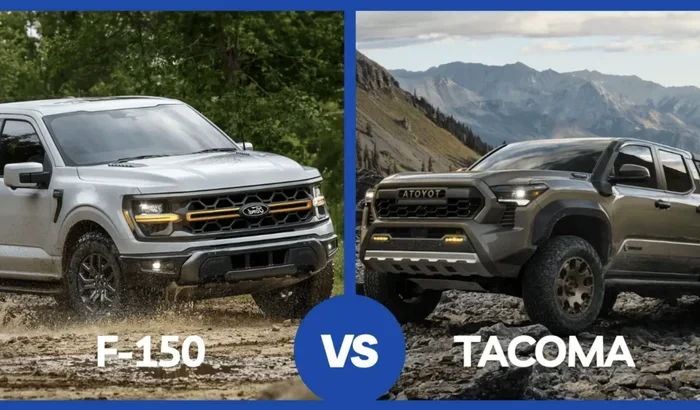
The 4Runner and Tacoma serve different purposes. The Tacoma is a pickup truck with higher towing capacity, typically up to 6,800 pounds. The 4Runner is an SUV with better off-road capability and more interior comfort. Choose the 4Runner if you prioritize towing with off-road access and family-friendly features.
How can I improve my 4Runner’s towing performance?
You can improve towing performance by installing a weight-distribution hitch, upgrading to towing mirrors, adding a brake controller, and maintaining proper tire pressure. Regular maintenance like oil changes and transmission fluid checks also help keep your 4Runner running strong under towing loads.