Are Toyota Corollas Good in Snow for Winter Driving
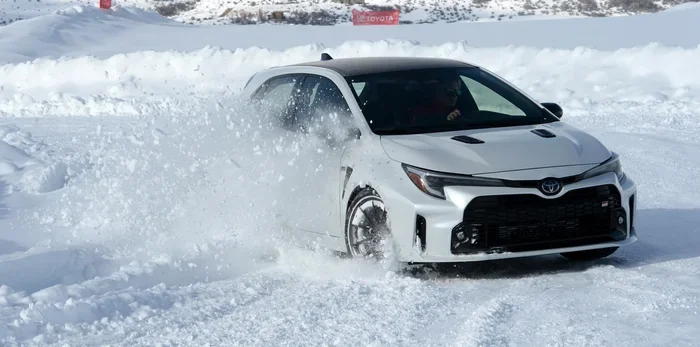
Are Toyota Corollas good in snow? Yes, they can handle light to moderate snowfall with the right setup. The key is choosing the correct drivetrain and tire type. Front-wheel drive models work fine for most winter conditions, while all-wheel drive adds extra confidence on icy roads. Adding winter tires makes a huge difference in traction and safety.
Winter driving can be stressful. Roads get slippery. Visibility drops. And you start wondering if your car can handle it. If you drive or are thinking about buying a Toyota Corolla, you might be asking one big question: are Toyota Corollas good in snow? The short answer is yes. But the full answer depends on a few important factors. Let us break it all down so you know exactly what to expect when snow starts falling.
The Toyota Corolla is one of the most popular cars on the road. It is known for being reliable, fuel-efficient, and affordable. But how does it stack up when winter weather hits? Whether you face light snow or heavy storms, your Corolla can handle a lot more than you might think. The trick is understanding what helps it perform and what does not. We will cover drivetrain options, tire choices, real-world performance, and practical tips to keep you safe all winter long.
Key Takeaways
- Toyota Corollas handle snow well when equipped with the right drivetrain and tires.
- All-wheel drive Corollas offer better grip and stability in snowy conditions than front-wheel drive models.
- Winter tires are the single best upgrade you can make for snow performance.
- Toyota’s traction control and stability systems help maintain control on icy roads.
- Ground clearance on the Corolla is decent but not ideal for deep snow.
- Hybrid Corollas perform just as well in snow as gas-powered models.
- Driving habits matter just as much as the car itself in winter weather.
📑 Table of Contents
- How Toyota Corollas Handle Snow
- Snow Tire Options for Toyota Corollas
- Real-World Winter Driving Experience
- Common Mistakes to Avoid
- Tips for Better Snow Performance
- Which Corolla Trims Are Best for Snow?
- Ground Clearance and Snow Depth
- Expert Insights on Toyota Corollas in Winter
- Final Thoughts: Are Toyota Corollas Good in Snow?
How Toyota Corollas Handle Snow
The way a Toyota Corolla handles snow depends mainly on two things. The first is the drivetrain. The second is the tires. Let us look at both in detail so you understand what is happening when you turn the wheel on a snowy road.
Front-Wheel Drive vs All-Wheel Drive
Most Toyota Corollas come with front-wheel drive (FWD). This means the engine sends power to the front wheels only. In snow, FWD can work well. The front wheels pull the car forward, which helps with acceleration. But there is a catch. If the front wheels lose grip, the car will slide. This is called understeer. It happens when you try to turn and the front wheels just keep sliding straight.
All-wheel drive (AWD) changes the game. AWD sends power to all four wheels at the same time. This gives you better traction when accelerating. It also helps the car stay stable when you turn. The Toyota Corolla offers AWD on higher trims like the Corolla SE and Corolla XLE. If you live in an area with regular snow, AWD is a smart choice.
But here is the truth. AWD does not help you stop faster. It does not magically make your brakes work better on ice. AWD helps with acceleration and keeping the car moving straight. For stopping and turning, your tires do the heavy lifting.
Traction Control and Stability Features
Toyota builds the Corolla with smart safety tech. Traction control prevents your wheels from spinning when you accelerate on slippery surfaces. Electronic stability control helps you stay on course when the road gets slick. These systems work in the background. You do not need to turn them on or off. They are always active.
These features use sensors to detect wheel slip. When one wheel starts spinning faster than the others, the system reduces power or applies the brakes to that wheel. This helps you maintain control. It is a big reason why the Toyota Corolla snow performance is better than you might expect from a compact car.
Snow Tire Options for Toyota Corollas
If there is one upgrade that makes the biggest difference for snow driving, it is your tires. The tires are the only part of your car that touches the road. Everything else just supports them. So choosing the right tires matters a lot.
When to Switch to Winter Tires
You should switch to winter tires when temperatures drop below 45 degrees Fahrenheit. This is important. All-season tires start to harden in cold weather. When they harden, they lose grip. Winter tires stay soft and flexible even in freezing temperatures. This means they grip the road better. They grip better on snow. They grip better on ice. They grip better on cold pavement too.
Do not wait until the first snowfall to put on winter tires. Get them early. You will thank yourself when the roads get bad. Many tire shops offer storage services too. So you can swap your tires twice a year without hassle.
All-Season vs Winter Tires
All-season tires are convenient. They work okay in light snow. But they are a compromise. They are not great in heavy snow or ice. Winter tires are built specifically for cold weather. They have deeper tread patterns that bite into snow. They also have tiny grooves called sipes. Sipes create thousands of edges that grip the road surface.
Here is a quick comparison to help you decide.
- All-season tires: Good for mild winters. Work in rain and light snow. Less grip on ice. Last longer in warm weather.
- Winter tires: Best for heavy snow and ice. Superior grip in cold temperatures. Softer rubber compound. Need to be swapped out in spring.
If you face real winter weather, winter tires are a must. They will transform how your Toyota Corolla handles snow. You will feel the difference the moment you drive.
Real-World Winter Driving Experience
What does it actually feel like to drive a Toyota Corolla in snow? Let us talk about real-world conditions. Not the ideal scenario. The real kind.
Icy Road Performance
Icy roads are the hardest to drive on. A thin layer of ice can make any car feel out of control. The Toyota Corolla does a decent job on ice. With front-wheel drive and winter tires, you can drive safely on cleared roads. But black ice is dangerous for any car. Even the best winter driving vehicle can struggle on black ice.
The key is to slow down. Leave extra space between you and the car ahead. Avoid sudden movements. Smooth steering and gentle braking go a long way. The Corolla’s electronic stability control will help you if you start to slide. But it cannot do all the work. You still need to drive carefully.
Braking and Handling in Snow
Braking in snow is all about anticipation. The Toyota Corolla has anti-lock braking systems (ABS). ABS prevents your wheels from locking up when you brake hard. This lets you steer while stopping. It is a valuable feature on snowy roads.
However, stopping distances are always longer in snow. Even with ABS and winter tires, it takes more distance to stop. Give yourself plenty of room. Do not tailgate. Do not rush. These simple habits keep you safe when the roads are bad.
Handling in snow comes down to smoothness. The Corolla is a light car. This is both a good thing and a bad thing. Light cars can slide more easily on ice. But they also respond quickly to steering corrections. If you drive smoothly and avoid jerky movements, the Corolla handles snow quite well.
Common Mistakes to Avoid
Even the best car can get into trouble if you make avoidable mistakes. Here are some common errors drivers make in snow. And how to prevent them.
- Rushing on icy roads: Speed is the enemy of winter driving. Slow down and give yourself time.
- Using cruise control on snow: Cruise control can cause wheel spin on slippery surfaces. Turn it off when roads are bad.
- Neglecting tire pressure: Cold weather lowers tire pressure. Check your tires weekly during winter.
- Ignoring your wiper blades: Good visibility is essential. Replace worn wiper blades before winter hits.
- Overconfidence with AWD: AWD helps you go. It does not help you stop or turn. Do not let AWD make you careless.
- Using all-season tires in heavy snow: All-season tires are not enough for serious winter conditions. Invest in winter tires.
Avoiding these mistakes will keep you safer. It will also help your Toyota Corolla last longer through many winter seasons.
Tips for Better Snow Performance
Want to get the most out of your Toyota Corolla in snow? Try these practical tips. They are simple but they make a big difference.
- Install winter tires before the first snowfall. This is the single best thing you can do for snow performance.
- Keep your gas tank at least half full. This prevents fuel line freeze and gives you a safety buffer if you get stuck.
- Pack an emergency kit. Include a blanket, flashlight, ice scraper, and small shovel. You never know when you might need them.
- Clear all snow from your car. Remove snow from the roof, hood, trunk, and all windows. It is the law in many states and it keeps you visible.
- Use gentle inputs on the controls. Smooth steering, smooth braking, and smooth acceleration keep the tires gripping.
- Stay in the tracks of other vehicles. Packed snow has more traction than fresh snow. Follow the paths other cars have cleared.
- Know when to stay home. If the weather is really bad, there is no shame in staying off the roads. Safety comes first.
These tips work for any car. But they are especially important for a compact sedan like the Corolla. It is not a truck or an SUV. It is a lightweight car built for efficiency. Understanding its limits helps you drive smarter.
Which Corolla Trims Are Best for Snow?
Not all Toyota Corolla trims are the same when it comes to snow. Some come with features that make winter driving easier. Here is a quick look at the best options.
| Trim Level | Drivetrain | Snow Suitability |
|---|---|---|
| Corolla L | Front-Wheel Drive | Good with winter tires |
| Corolla LE | Front-Wheel Drive | Good with winter tires |
| Corolla SE | Front-Wheel Drive or AWD | Better with AWD and winter tires |
| Corolla XLE | Front-Wheel Drive or AWD | Best snow performance with AWD |
| Corolla Hybrid | Front-Wheel Drive | Good with winter tires |
The Corolla XLE and Corolla SE with AWD are the best choices for snow driving. They give you the most traction and confidence. But any Corolla can handle snow if you put on the right tires and drive carefully.
What about the Toyota Corolla hybrid? The hybrid version performs just as well in snow as the gas-powered models. The hybrid system does not affect traction or handling. You still get the same drivetrain options and the same need for good tires. The hybrid may even have an advantage in stop-and-go snow traffic because of regenerative braking.
Ground Clearance and Snow Depth
The Toyota Corolla has about 5.3 inches of ground clearance. That is decent for a compact car. It handles snow-covered roads well as long as the snow is not too deep. If you live in an area with heavy snowfall and unplowed roads, you might run into issues. The front bumper and undercarriage can scrape deep snow.
If deep snow is common where you live, consider a lift kit. A small lift can add clearance and prevent damage. But for most drivers, the Corolla’s ground clearance is more than enough for typical winter driving conditions.
Expert Insights on Toyota Corollas in Winter
Winter driving experts agree on a few things when it comes to compact cars like the Toyota Corolla. First, the drivetrain matters less than the tires. A front-wheel drive Corolla with winter tires will outperform an all-wheel drive Corolla with all-season tires. Second, driver behavior is the biggest factor. The safest winter driver in the best car is still safer than an aggressive driver in a truck.
Experts also recommend keeping your fuel tank full in winter. A full tank adds weight to the rear of the car, which helps with traction on front-wheel drive vehicles. It also ensures you can run the heater if you get stuck. These small details add up to a much safer winter driving experience.
The Toyota Corolla has earned a strong reputation for reliability in all seasons. Owners in snowy states like Minnesota, Michigan, and Colorado report positive experiences. The car handles light to moderate snow with ease. With the right tires and a careful driving approach, the Corolla is a solid choice for winter driving.
Final Thoughts: Are Toyota Corollas Good in Snow?
So, are Toyota Corollas good in snow? The answer is a confident yes. The Toyota Corolla is a capable winter commuter. It handles light to moderate snow with ease. With front-wheel drive or all-wheel drive and a set of winter tires, it performs reliably in cold weather. The Toyota Corolla snow performance is impressive for a compact sedan. It is not built for deep snow or extreme off-road conditions. But for daily driving in winter weather, it gets the job done.
The key is preparation. Choose the right drivetrain for your needs. Invest in quality winter tires. Drive smoothly and stay alert. Follow the tips in this article, and your Corolla will serve you well all winter long. Winter driving does not have to be scary. With the right car and the right mindset, you can feel confident on every snowy road.
Take care of your Corolla. Keep up with maintenance. Check your tires before winter. And always respect the road conditions. A little preparation goes a long way. Your Toyota Corolla is ready for winter. You just need to give it the right tools and a safe driving approach.
Frequently Asked Questions
Can a Toyota Corolla handle heavy snow?
A Toyota Corolla can handle moderate to heavy snow with winter tires and careful driving. It is not designed for deep snow or off-road use. For heavy snow areas, AWD and proper tires make a big difference in keeping you safe and moving.
Is front-wheel drive or all-wheel drive better for snow driving?
All-wheel drive is better for snow driving. It sends power to all four wheels for better traction. However, front-wheel drive with winter tires can also perform very well. The tires matter more than the drivetrain in most snow conditions.
Do I need winter tires on my Toyota Corolla?
Yes, winter tires are highly recommended if you live in an area with regular snow. They provide much better grip on ice and snow than all-season tires. They make a noticeable difference in both traction and safety during winter driving.
How does the Toyota Corolla Hybrid perform in snow?
The Toyota Corolla Hybrid performs just as well in snow as the gas-powered versions. The hybrid powertrain does not affect traction or handling. You still need winter tires and careful driving to stay safe on snowy roads.
What is the best Toyota Corolla trim for snow driving?
The Corolla XLE and Corolla SE with all-wheel drive are the best trims for snow. They offer AWD and additional features that help in winter weather. But any Corolla trim can handle snow well with the right tires.
Can I drive a Toyota Corolla in icy conditions?
Yes, you can drive a Toyota Corolla in icy conditions with winter tires and a careful driving style. The car has traction control and stability systems that help maintain grip. Always drive slowly and avoid sudden movements on ice.
=== META DATA ===
SEO Title: Are Toyota Corollas Good in Snow for Winter Driving
Meta Title: Are Toyota Corollas Good in Snow? Winter Driving Guide
Meta Description: Find out if Toyota Corollas handle snow well. We cover AWD, FWD, snow tires, and real winter driving tips for Corolla owners.
URL Slug: are-toyota-corollas-good-in-snow
Primary Keyword: Are Toyota Corollas Good in Snow
LSI Keywords: winter driving, snow tires, all-wheel drive, front-wheel drive, traction control, icy roads, Toyota Corolla snow performance, winter weather, road safety, drivetrain options, ground clearance, Toyota Corolla hybrid, snow driving tips, braking in snow, Corolla SE, Corolla XLE, electronic stability control, winter driving conditions, Corolla trim levels, compact car winter performance