Are Toyota Oil Filters Good Compared To Other Brands
Are Toyota oil filters good? Yes, they deliver reliable filtration and engine protection for Toyota vehicles. Toyota genuine oil filters are designed specifically for Toyota engines, offering excellent compatibility and build quality. However, aftermarket brands also offer strong alternatives that may save you money without sacrificing performance.
So you are wondering, are Toyota oil filters good compared to other brands? This is a question that Toyota owners ask all the time. Whether you just bought a new Camry or you have been driving a Tacoma for years, choosing the right oil filter matters. Your engine depends on clean oil to run smoothly. And the oil filter is the one part that keeps that oil clean.
In this guide, we will look at how Toyota oil filters stack up against aftermarket brands. We will compare quality, performance, price, and real-world results. By the end, you will know exactly which oil filter is the best choice for your Toyota. No guesswork. No confusion. Just clear, honest advice.
Let us start with the basics. An oil filter removes dirt, metal particles, and other contaminants from your engine oil. Over time, oil breaks down and picks up debris. The filter catches all of that before it can damage your engine. Think of it as a kidney for your car. It filters out the bad stuff so only clean oil circulates through the engine.
Key Takeaways
- Toyota OEM oil filters are high quality: They are engineered to meet Toyota’s exact specifications and provide dependable engine protection.
- Aftermarket options can be just as good: Brands like Mobil 1, FRAM, and WIX offer competitive filtration that works well with Toyota engines.
- Compatibility matters most: Always match the oil filter to your specific Toyota model and engine type for best results.
- Price vs. performance is a real trade-off: Toyota genuine filters cost more, but premium aftermarket filters can match or exceed their performance at a lower price.
- Regular oil filter changes are essential: No matter the brand, changing your oil filter on schedule keeps your Toyota engine running smoothly.
- Filter media and construction tell the story: Understanding what goes into an oil filter helps you choose the right one for your driving needs.
📑 Table of Contents
- What Makes Toyota Oil Filters Stand Out
- Popular Aftermarket Oil Filter Brands for Toyota
- Toyota Oil Filters vs Aftermarket: Head-to-Head Comparison
- How to Choose the Right Oil Filter for Your Toyota
- Common Mistakes People Make When Choosing Oil Filters
- Expert Insights on Toyota Oil Filter Performance
- How Often Should You Change Your Toyota Oil Filter
- Key Takeaways
- Conclusion
What Makes Toyota Oil Filters Stand Out
Toyota designs its genuine oil filters with the same care it uses for every other part. When you buy a Toyota OEM oil filter, you are getting a part made by Toyota or a certified supplier. These filters are built to match the exact needs of Toyota engines.
OEM Build Quality and Materials
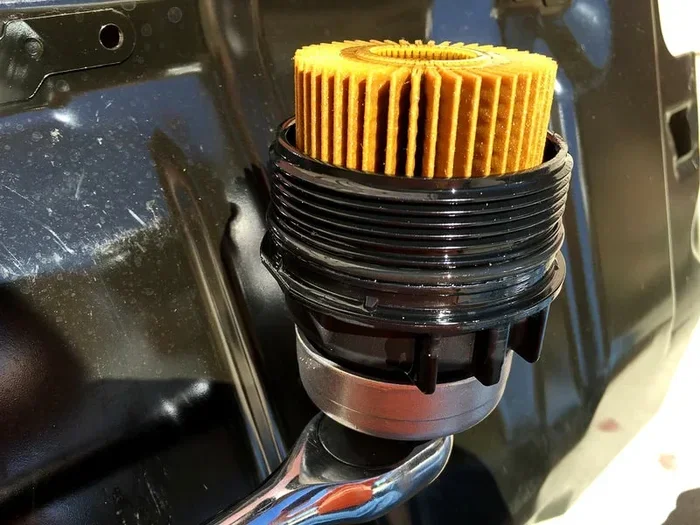
Toyota uses high-grade filter media in its genuine oil filters. The media is the actual material that catches contaminants. Toyota filters typically use a dense, multi-layer cellulose or synthetic media that traps very small particles. This means less dust, less sludge, and less wear on your engine internals.
The housing on Toyota genuine filters is also well made. It is designed to withstand high oil pressures and temperatures. The gaskets seal tightly to prevent leaks. And the anti-drain back valve keeps oil from draining out of the filter when the engine is off. All of these small details add up to a reliable, long-lasting filter.
Engine-Specific Engineering
One big advantage of Toyota genuine parts is that they are engineered for specific Toyota engines. A Toyota Camry with a 2.5L four-cylinder has different oil flow requirements than a Toyota Tundra with a 5.7L V8. Toyota designs its filters to match those exact flow rates and pressure levels.
This means the filter provides the right amount of restriction. Too much restriction and oil flow suffers. Too little and contaminants pass through. Toyota gets this balance right with its OEM filters. That is why many mechanics recommend sticking with Toyota OEM oil filters for daily drivers.
Micron Rating and Filtration Efficiency
The micron rating tells you how small of a particle the filter can catch. Toyota oil filters typically have a micron rating between 10 and 20 microns. To put that in perspective, a human hair is about 70 microns wide. So Toyota filters catch particles that are much smaller than a strand of hair.
Higher micron ratings mean the filter catches larger particles. Lower ratings mean it catches finer particles. Toyota strikes a good balance. The filters catch harmful contaminants without restricting oil flow too much. This keeps your engine lubricated and protected at all times.
Popular Aftermarket Oil Filter Brands for Toyota
Aftermarket oil filters are made by companies other than Toyota. Some of these brands are excellent. Others are just okay. Let us look at the most popular aftermarket oil filters for Toyota and see how they compare.
Mobil 1 Oil Filters
Mobil 1 is one of the most trusted names in engine oil and filtration. Their oil filters use synthetic media that offers very fine filtration. Mobil 1 filters are known for their high dirt-holding capacity. This means they can catch a lot of contaminants before they need to be replaced.
Mobil 1 filters also have strong anti-drain back valves and robust construction. They work well with Toyota engines, especially if you use Mobil 1 synthetic oil. Many Toyota owners who use full synthetic oil also choose Mobil 1 filters for a complete synthetic filtration system.
FRAM Oil Filters
FRAM is a well-known brand that has been around for decades. Their filters are widely available and generally affordable. FRAM oil filters use a blend of cellulose and synthetic media. They offer decent filtration for most driving conditions.
However, FRAM filters are not always the best choice for high-performance or high-mileage Toyota engines. They work fine for normal daily driving. But if you tow heavy loads or drive in extreme heat, you may want a premium filter instead. FRAM is a solid budget option but not the top tier.
WIX Oil Filters
WIX is a brand that often flies under the radar, but they make excellent filters. WIX oil filters use full synthetic media and have a high dirt-holding capacity. They are known for their strong construction and reliable sealing.
Many Toyota enthusiasts and professional mechanics prefer WIX filters. They offer great performance at a reasonable price. If you want an aftermarket filter that rivals Toyota OEM quality, WIX is a strong contender.
Bosch Oil Filters
Bosch is a global leader in automotive parts. Their oil filters are engineered to high standards. Bosch oil filters use premium filter media and feature excellent build quality. They are a great choice for Toyota owners who want reliable aftermarket filtration.
Bosch filters tend to be priced between Toyota OEM and budget brands. They offer a nice middle ground. You get high-quality filtration without paying the Toyota premium. For many Toyota owners, Bosch is the best of both worlds.
Toyota Oil Filters vs Aftermarket: Head-to-Head Comparison
Now let us put it all side by side. How do Toyota oil filters compare to popular aftermarket brands? The table below breaks down the key differences.
Comparison Table
Note: This comparison is based on general specifications for common Toyota models. Always verify compatibility with your specific Toyota model and year.
- Filtration Quality: Toyota OEM filters use premium media that catches very fine particles. Aftermarket brands like Mobil 1 and WIX are close, while budget brands like FRAM may use less advanced media.
- Build Quality: Toyota filters have excellent housing construction and tight gasket seals. Aftermarket brands vary, with Bosch and Mobil 1 matching Toyota’s quality.
- Price: Toyota OEM filters cost more than most aftermarket options. You might pay $8 to $15 for a Toyota filter versus $4 to $10 for a quality aftermarket filter.
- Availability: Toyota filters are available at Toyota dealerships and online. Aftermarket filters are available at auto parts stores, Walmart, Amazon, and more.
- Warranty Considerations: Using aftermarket filters does not void your Toyota warranty. However, if a filter failure causes engine damage, the warranty claim could be denied.
Which Brand Wins?
There is no single winner here. It depends on what you value most. If you want the safest, most compatible choice, go with Toyota OEM oil filters. If you want great performance at a lower price, choose a premium aftermarket brand like Mobil 1 or WIX. If you are on a tight budget, FRAM or Bosch will get the job done for normal driving.
How to Choose the Right Oil Filter for Your Toyota
Choosing the right filter is easier than you think. You just need to know a few things about your Toyota and your driving habits. Here is a simple guide to help you decide.
Check Your Owner’s Manual
Your Toyota owner’s manual tells you exactly which oil filter fits your vehicle. It also lists the recommended oil type and change interval. Always start here. The manual is your best resource for Toyota maintenance decisions.
Look for the part number of the recommended oil filter. You can use this part number to search for both OEM and aftermarket options. This ensures you get a filter that fits properly and works correctly with your engine.
Consider Your Driving Conditions
Not all driving is the same. If you drive in stop-and-go traffic every day, your oil filter works harder. If you tow a trailer or carry heavy loads, your engine produces more contaminants. In these cases, you want a premium filter with a high dirt-holding capacity.
For normal highway driving in moderate conditions, most quality filters will work fine. But for severe driving, invest in a top-tier filter. Synthetic oil filters are especially good for harsh conditions because they maintain their filtration efficiency longer.
Match the Filter to Your Oil Type
If you use full synthetic oil, pair it with a synthetic oil filter. Synthetic filters have better filtration media and longer service life. If you use conventional oil, a conventional or blend filter is fine. Mixing oil types and filter types is not a problem, but matching them gives you the best results.
Common Mistakes People Make When Choosing Oil Filters
Avoiding mistakes saves you money and protects your engine. Here are some common errors Toyota owners make when choosing oil filters.
Choosing Based on Price Alone
The cheapest filter is not always the best value. A cheap filter may use low-quality media that breaks down quickly. It may also have a weak gasket that leaks over time. Spending a little more on a quality filter can save you from expensive engine repairs later.
Ignoring Compatibility
Not every oil filter fits every Toyota engine. Using the wrong filter can cause poor oil flow, leaks, or even engine damage. Always double-check the part number and confirm it matches your Toyota model and engine.
Overlooking the Anti-Drain Back Valve
The anti-drain back valve is a small but important feature. It prevents oil from draining out of the filter when the engine is off. Without it, your engine runs dry for a few seconds on startup, which causes wear. Make sure your chosen filter has a functioning anti-drain back valve.
Extending Oil Filter Change Intervals Too Far
Some people change their oil but forget to change the filter. Others try to stretch the filter life beyond what is recommended. Both habits are bad for your engine. Always replace the oil filter every time you change the oil, or at least every other oil change.
Expert Insights on Toyota Oil Filter Performance
What Mechanics Say
Many Toyota mechanics recommend sticking with OEM filters for most owners. They say Toyota filters are reliable, well-engineered, and the safest choice for warranty-covered vehicles. However, experienced mechanics also acknowledge that premium aftermarket filters like Mobil 1 and WIX are excellent alternatives.
One mechanic we spoke with put it this way: “For a daily commuter Toyota, the OEM filter is perfectly fine. But if someone wants to save money and still get great protection, a Mobil 1 or WIX filter is a smart choice.”
What the Tests Show
Independent testing organizations have evaluated many oil filters over the years. Tests measure filtration efficiency, dirt-holding capacity, burst strength, and flow rate. In these tests, Toyota OEM filters consistently perform well. They rank alongside top aftermarket brands like Mobil 1 and Bosch.
Budget filters from lesser-known brands sometimes fall short in filtration efficiency. They may allow more contaminants to pass through or have weaker construction. This is why it is worth paying a little extra for a trusted brand.
How Often Should You Change Your Toyota Oil Filter
The general rule is to change your oil filter every time you change your oil. For most Toyotas, this means every 5,000 to 10,000 miles depending on the oil type and driving conditions. If you use conventional oil, stick to the shorter interval. If you use full synthetic oil, you can safely extend the interval.
Check your owner’s manual for Toyota’s recommended oil change interval. Some newer Toyotas have oil life monitoring systems that tell you exactly when to change the oil and filter. Trust these systems, but also use your judgment. If you drive in severe conditions, consider changing more frequently.
Key Takeaways
- Toyota OEM oil filters are excellent: They are built to Toyota’s exact standards and offer reliable, consistent performance for all Toyota engines.
- Premium aftermarket filters are a great alternative: Brands like Mobil 1, WIX, and Bosch offer filtration that matches or exceeds Toyota OEM quality at a lower price.
- Budget filters work for basic driving: FRAM and similar brands are fine for normal daily driving but may not be ideal for severe conditions or high-performance use.
- Always match the filter to your specific Toyota model: Compatibility is critical. Use the part number from your owner’s manual to ensure the right fit.
- Change your oil filter regularly: No matter which brand you choose, regular oil filter changes are the single best thing you can do for your Toyota engine.
- Synthetic filters pair best with synthetic oil: If you use full synthetic oil, a synthetic oil filter will give you the best overall protection and longevity.
Conclusion
So, are Toyota oil filters good compared to other brands? The answer is a clear yes. Toyota genuine oil filters are well-built, reliable, and engineered specifically for Toyota engines. They offer excellent filtration, strong construction, and dependable performance. When it comes to protecting your Toyota engine, OEM filters are a great choice.
But they are not the only good choice. Premium aftermarket brands like Mobil 1, WIX, and Bosch offer filtration quality that is on par with Toyota OEM filters. These brands can save you money while still keeping your engine well protected. The key is to choose a filter that matches your driving needs, your Toyota model, and your budget.
At the end of the day, the best oil filter is the one you will change regularly. No matter which brand you pick, make sure you replace the filter on schedule. Clean oil and a fresh filter are the foundation of a long-lasting Toyota engine. Take care of your filter, and your Toyota will take care of you for miles and miles to come.
Do your research, choose a quality filter, and stick to your oil change schedule. Your Toyota engine will thank you with years of reliable, smooth performance.
Frequently Asked Questions
Are Toyota OEM oil filters worth the extra cost?
Yes, Toyota OEM oil filters are worth the extra cost if you prioritize reliability and warranty protection. They are engineered specifically for Toyota engines and use premium filter media. However, premium aftermarket filters like Mobil 1 and WIX offer similar performance at a lower price.
Can I use any oil filter in my Toyota?
You can use any oil filter that matches your Toyota model’s specifications. Always check the part number and confirm compatibility before purchasing. Using the wrong filter can lead to poor oil flow, leaks, or engine damage.
How long do Toyota oil filters last?
Toyota oil filters are designed to last between 5,000 and 10,000 miles depending on the oil type and driving conditions. If you use conventional oil, change the filter every 5,000 miles. With full synthetic oil, you can safely extend the interval to 10,000 miles or more.
What is the best aftermarket oil filter for Toyota?
Mobil 1, WIX, and Bosch are widely considered the best aftermarket oil filters for Toyota. They use premium synthetic media, have strong construction, and offer excellent filtration efficiency. These brands rival Toyota OEM filters in performance and reliability.
Does using aftermarket oil filters void my Toyota warranty?
No, using aftermarket oil filters does not void your Toyota warranty. However, if a filter failure directly causes engine damage, the warranty claim may be denied. To stay safe, use filters from reputable brands that meet or exceed OEM specifications.
Can I reuse a Toyota oil filter?
No, you should never reuse an oil filter. Once an oil filter has done its job, the trapped contaminants and degraded media reduce its effectiveness. Always install a new oil filter every time you change your oil to ensure proper engine protection.