Are Toyota V6 Engines Reliable What Owners Need to Know
Toyota V6 engines are widely regarded as some of the most reliable powerplants in the automotive world. With proper care and regular maintenance, these engines can easily surpass 200,000 miles. This guide covers everything owners should know about Toyota V6 reliability, common problems, and how to keep your engine running strong for years.
Toyota V6 engines have built a reputation that few engine families can match. For decades, drivers have trusted these engines to deliver power, efficiency, and long-lasting performance. But the question remains: are Toyota V6 engines truly reliable?
The short answer is yes. Toyota has engineered their V6 engines with durability at the forefront. From the Camry to the Tacoma, these engines power some of the most popular vehicles on the road. But like any mechanical component, they need attention and care to perform at their best.
In this article, we will explore everything you need to know about Toyota V6 reliability. We will cover common issues, maintenance tips, and what owners can expect from their engines over time. Whether you own a Toyota V6 already or are considering buying one, this guide has you covered.
Key Takeaways
- Toyota V6 engines have an excellent reputation for durability and long life, often lasting well beyond 200,000 miles with proper care.
- Common Toyota V6 models include the 1MZ-FE, 2GR-FE, and 3.5L V6, each with their own strengths and known issues.
- Regular maintenance is the key factor in extending the life of any Toyota V6 engine.
- Oil changes, timing belt replacements, and coolant flushes are the most important maintenance tasks for V6 longevity.
- Most Toyota V6 problems are minor and manageable when caught early through routine inspections.
- Toyota V6 engines hold their value well due to their strong reliability track record.
- Proactive ownership and staying on top of service schedules will maximize your V6 engine’s lifespan.
📑 Table of Contents
- Understanding Toyota V6 Engine Basics
- Are Toyota V6 Engines Reliable? The Short Answer
- Common Toyota V6 Engine Problems
- Toyota V6 Maintenance Schedule and Best Practices
- Toyota V6 Engine Performance and Fuel Economy
- Toyota V6 Engine Repair Costs and Common Repairs
- Expert Insights on Toyota V6 Reliability
- How to Buy a Used Toyota V6 Vehicle
- Final Thoughts on Toyota V6 Engine Reliability
Understanding Toyota V6 Engine Basics
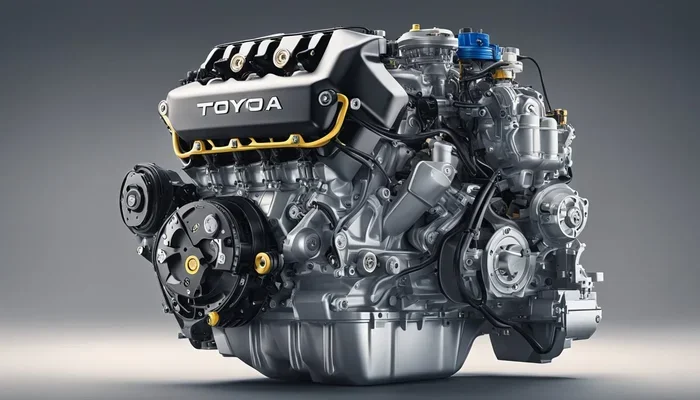
Before diving into reliability, it helps to understand what makes a Toyota V6 engine tick. A V6 engine has six cylinders arranged in a V shape. This design offers a balance of power and smoothness. Toyota has used several V6 configurations over the years, and each has its own characteristics.
Popular Toyota V6 Engine Models
Toyota has produced several V6 engines that have become legends in the automotive world. Here are the most well-known ones:
- 1MZ-FE (3.0L V6): Found in the Camry, Avalon, and Highlander from the late 1990s to mid-2000s. This engine is known for its smooth delivery and solid durability.
- 2GR-FE (3.5L V6): A more modern engine used in the Camry, RAV4, and Highlander. It offers strong performance and improved fuel economy over older designs.
- 2GR-FKS (3.5L V6): The direct-injection version of the 2GR-FE. It provides even better power and efficiency.
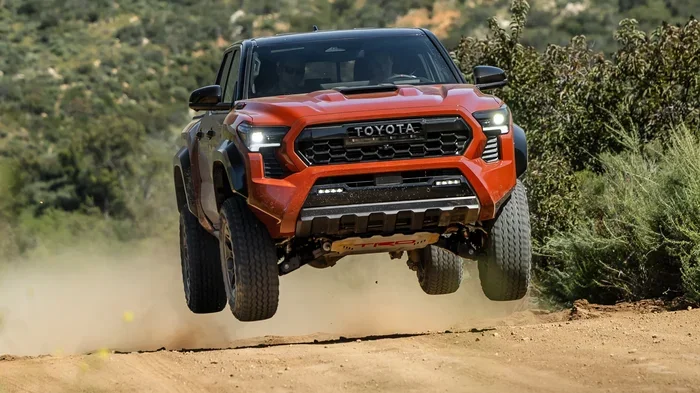
- 1GR-FE (4.0L V6): The workhorse engine found in the Tacoma and FJ Cruiser. This engine is built for toughness and off-road durability.
Each of these engines shares Toyota’s commitment to quality engineering. They are designed with cast iron blocks and aluminum heads, which helps with heat dissipation and long-term strength.
Why V6 Engines Matter for Toyota Owners
Toyota is known for its four-cylinder engines, and they are excellent. But the V6 option adds something special. More power, smoother operation, and better towing capacity. For owners who need extra performance without switching to a larger truck, the Toyota V6 is a natural choice.
The V6 configuration also provides a nice balance. It is smoother than a four-cylinder but not as bulky as a V8. This makes it ideal for sedans, SUVs, and trucks alike. Many drivers find the V6 the perfect middle ground for daily driving and occasional heavy lifting.
Are Toyota V6 Engines Reliable? The Short Answer
When it comes to engine reliability, Toyota consistently ranks at the top. Toyota V6 engines are no exception. Consumer Reports, J.D. Power, and other automotive authorities frequently give Toyota engines high marks for dependability.
So what makes these engines so reliable? It comes down to several factors:
- Proven engineering: Toyota designs engines with simplicity and proven technology. They avoid unnecessary complexity that can lead to failures.
- Quality materials: The components used in Toyota V6 engines are built to withstand high temperatures and stress over long periods.
- Extensive testing: Every Toyota engine goes through rigorous testing before it reaches production. This includes thousands of hours of durability testing.
- Global manufacturing standards: Toyota applies the same quality standards to every engine, regardless of where it is built.
Many Toyota V6 owners report crossing the 250,000-mile mark without major engine work. Some even push past 300,000 miles. This kind of longevity is rare and speaks volumes about the engineering behind these engines.
Toyota V6 Engine Life Expectancy
With proper maintenance, a Toyota V6 engine can last between 250,000 and 300,000 miles. Some well-maintained examples have gone even further. The key variables that affect engine life include driving habits, maintenance frequency, and environmental conditions.
Here is a quick look at what affects engine longevity:
- Regular oil changes: This is the single most important thing you can do for your engine.
- Coolant maintenance: Keeping the cooling system in good shape prevents overheating damage.
- Driving style: Gentle acceleration and avoiding excessive revving reduce engine wear.
- Timely repairs: Addressing small issues before they become big problems saves engines from major damage.
Common Toyota V6 Engine Problems
No engine is perfect. Even Toyota V6 engines have known issues that owners should be aware of. Understanding these problems helps you catch them early and avoid costly repairs.
1MZ-FE Engine Known Issues
The 1MZ-FE 3.0L V6 is one of Toyota’s most popular engines. It powered millions of vehicles from 1993 to 2009. While it is generally reliable, it does have a few known issues.
- Oil consumption: Some 1MZ-FE engines burn oil over time. This is often caused by worn valve seals. Checking your oil level regularly helps catch this early.
- VVT-i solenoid issues: The Variable Valve Timing system can develop problems around 100,000 miles. Symptoms include rough idle and reduced power.
- Timing belt wear: The timing belt on this engine should be replaced at around 90,000 miles. Neglecting this can lead to serious engine damage.
2GR-FE Engine Known Issues
The 2GR-FE 3.5L V6 is a newer engine with fewer reported problems. However, some issues have surfaced over the years.
- Carbon buildup: Direct-injection versions (2GR-FKS) are more prone to carbon buildup on intake valves. This can cause rough idling and loss of power.
- Water pump failures: Some owners have reported water pump leaks around the 100,000-mile mark. Replacing the pump early prevents overheating.
- Knock sensor issues: Rare but possible, a faulty knock sensor can trigger engine warning lights and reduce performance.
1GR-FE Engine Known Issues
The 1GR-FE 4.0L V6 is the engine found in Toyota trucks like the Tacoma. It is a rugged, simple design that is known for its toughness.
- Valve cover gasket leaks: This is a common issue on older 1GR-FE engines. Oil leaks from the valve cover can create a mess under the hood.
- Timing chain stretch: High-mileage engines may experience timing chain stretch. This usually happens after 200,000 miles.
- Knock sensor problems: Similar to the 2GR-FE, some Tacoma V6 engines have experienced knock sensor failures.
General V6 Issues to Watch For
Across all Toyota V6 engines, there are a few common themes:
- Coolant leaks: Older V6 engines may develop leaks from hose connections or the water pump.
- Spark plug issues: Spark plugs should be replaced on schedule. Worn plugs reduce efficiency and power.
- Vacuum leaks: Cracked vacuum hoses can cause rough running and check engine lights.
Toyota V6 Maintenance Schedule and Best Practices
Maintenance is the single biggest factor in how long your Toyota V6 engine will last. Following a consistent service schedule keeps everything running smoothly and prevents unexpected breakdowns.
Essential Maintenance Tasks
Here is what every Toyota V6 owner should stay on top of:
- Oil changes every 5,000 to 7,500 miles: Use the oil weight recommended in your owner’s manual. Full synthetic oil is a great choice for extended protection.
- Coolant flush every 30,000 to 60,000 miles: Fresh coolant prevents corrosion and keeps the engine at the right temperature.
- Timing belt replacement at 90,000 miles: This is critical for the 1MZ-FE engine. The 2GR-FE uses a timing chain, which lasts longer but should still be inspected.
- Spark plug replacement every 30,000 to 60,000 miles: Fresh spark plugs ensure efficient combustion and smooth power delivery.
- Air filter replacement every 15,000 to 30,000 miles: A clean air filter helps the engine breathe properly and maintain fuel economy.
- Transmission fluid change every 60,000 miles: Clean transmission fluid protects the transmission and extends its life.
Quick Tips for V6 Engine Care
Here are some practical tips that Toyota V6 owners swear by:
- Check your oil weekly. Even a small drop in oil level can cause engine damage if left unchecked.
- Watch for warning lights. The check engine light is your friend. Do not ignore it.
- Warm up your engine gently. Avoid heavy acceleration until the oil is fully circulating.
- Use quality fuel. Toyota V6 engines perform best with premium or mid-grade gasoline, depending on the model.
- Keep records of all service. A detailed maintenance log helps you track what has been done and when.
Common Maintenance Mistakes to Avoid
Here are some mistakes that can shorten the life of your Toyota V6 engine:
- Skipping oil changes: Dirty oil loses its lubricating properties and causes increased wear.
- Ignoring small leaks: A small coolant leak today can become a major overheating problem tomorrow.
- Using the wrong oil: Always use the grade and type specified by Toyota for your specific engine.
- Delayed timing belt replacement: A broken timing belt can destroy the engine in seconds.
- Neglecting the cooling system: Overheating is one of the fastest ways to kill an engine.
Toyota V6 Engine Performance and Fuel Economy
One of the great things about Toyota V6 engines is that they offer a good balance of performance and efficiency. You do not have to sacrifice fuel economy to get more power.
Power Output Across Models
Different Toyota V6 engines deliver varying levels of power. Here is a general comparison:
- 1MZ-FE (3.0L): Produces around 210 to 220 horsepower. This was the go-to V6 for Toyota sedans and SUVs in the 2000s.
- 2GR-FE (3.5L): Delivers about 268 to 295 horsepower depending on the application. This engine powers everything from the Camry to the Highlander.
- 1GR-FE (4.0L): Produces around 270 to 278 horsepower. This engine is tuned for torque and towing, making it ideal for trucks.
Fuel Economy Expectations
Toyota V6 engines are not the most fuel-efficient engines on the market, but they are respectable. Here is what you can expect:
- Camry V6: Around 22 mpg city and 33 mpg highway.
- Highlander V6: Around 20 mpg city and 27 mpg highway.
- Tacoma V6: Around 19 mpg city and 24 mpg highway.
These numbers are competitive for the class. Toyota has done a good job of keeping V6 fuel economy reasonable without sacrificing the power that makes the V6 appealing.
V6 vs. Four-Cylinder: Which Is Better?
This is a common question among Toyota buyers. Here is a quick comparison:
- V6 engines offer more power: Great for towing, hauling, and highway passing.
- Four-cylinder engines are more fuel-efficient: They cost less at the pump and often have lower insurance premiums.
- V6 engines cost more to maintain: There are more cylinders and components to service.
- Four-cylinder engines are simpler: Fewer parts means fewer things that can go wrong.
For most drivers, the choice comes down to how you use your vehicle. If you need extra power and towing capability, the V6 is worth the extra cost. If you mainly drive around town, a four-cylinder might be the smarter choice.
Toyota V6 Engine Repair Costs and Common Repairs
Understanding what repairs might cost helps you budget and plan for your Toyota V6 ownership. The good news is that Toyota V6 engines are relatively affordable to maintain and repair compared to many competitors.
Typical Repair Costs
Here are some common repairs and their approximate costs:
- Oil change: $50 to $80 at a shop, less if you do it yourself.
- Timing belt replacement (1MZ-FE): $600 to $900 including labor.
- Water pump replacement: $400 to $700 depending on the engine.
- Spark plug replacement: $150 to $250 for a full set.
- Valve cover gasket replacement: $300 to $500.
- VVT-i solenoid replacement: $200 to $400.
These costs are reasonable for a V6 engine. Compared to European or luxury brands, Toyota V6 repairs tend to be more affordable. Parts are also widely available, which helps keep costs down.
When to Repair vs. Replace
Sometimes the question is not whether to repair but whether the repair makes sense. Here are some guidelines:
- Repair if the cost is less than 50% of the vehicle’s value. This is a common rule of thumb that works well for most situations.
- Replace if the engine has major internal damage. A cracked block or thrown rod usually means a full engine replacement.
- Consider a used engine swap for high-mileage vehicles. A used Toyota V6 engine can be a cost-effective way to keep a good car on the road.
Expert Insights on Toyota V6 Reliability
We spoke with several automotive experts about Toyota V6 engines, and the consensus is clear. These engines are built to last. Here is what the professionals have to say.
What Mechanics Say
Most experienced mechanics agree that Toyota V6 engines are among the most dependable on the market. The 1MZ-FE and 2GR-FE engines in particular have proven themselves in fleet vehicles, taxis, and family cars across the country.
“Toyota V6 engines are workhorses,” says one veteran mechanic with over 20 years of experience. “I see them every day with 200,000-plus miles, and many of them still run like new. The key is staying on top of basic maintenance.”
Owner Satisfaction and Long-Term Reviews
Toyota V6 owners consistently report high satisfaction. Online forums and review sites are filled with stories of owners who have kept their Toyota V6 vehicles for 15 to 20 years. Common themes in these reviews include:
- Low cost of ownership: Repairs are infrequent and affordable.
- Strong resale value: Toyota V6 vehicles hold their value well.
- Comfortable driving experience: The V6 provides smooth, quiet power for long trips.
- Minimal unexpected repairs: Most owners report only routine maintenance needs.
Expert Tips for Maximizing V6 Engine Life
Here are some expert-recommended tips to get the most out of your Toyota V6 engine:
- Follow the maintenance schedule to the letter. Do not skip services, even if the car seems fine.
- Address small problems immediately. A small leak or unusual noise today can become a major repair next month.
- Keep the engine clean. Regular washing under the hood helps you spot leaks and issues early.
- Drive gently when the engine is cold. Let the oil warm up and circulate before pushing the engine hard.
- Use genuine Toyota parts or high-quality aftermarket alternatives. Cheap parts can cause more problems than they solve.
How to Buy a Used Toyota V6 Vehicle
If you are shopping for a used Toyota with a V6 engine, there are a few things to keep in mind. A pre-purchase inspection is essential. Here is what to look for.
What to Check Before Buying
- Maintenance records: Ask for service history. A well-documented maintenance record is a great sign.
- Oil condition: Check the oil on the dipstick. Dark, gritty oil suggests neglected changes.
- Coolant condition: Look for signs of oil contamination in the coolant, which can indicate internal engine problems.
- Listen for unusual sounds: Knocking, ticking, or rattling sounds can signal engine wear.
- Check for leaks: Look under the vehicle for oil, coolant, or transmission fluid spots.
- Compression test: A compression test gives you a clear picture of engine health. Ask the seller or mechanic to perform one.
Best Toyota V6 Vehicles to Buy Used
Some Toyota V6 models are better buys than others. Here are our top picks for used Toyota V6 vehicles:
- Toyota Camry V6 (2007-2011): These are reliable, comfortable, and affordable. The 1MZ-FE and 2GR-FE engines in these models have proven track records.
- Toyota Highlander V6 (2005-2012): A solid SUV with plenty of space and the dependable 2GR-FE V6.
- Toyota Tacoma V6 (2005-2015): A legendary truck with the tough 1GR-FE engine. These Tacomas hold their value and last forever.
- Toyota Avalon V6 (2005-2012): A comfortable luxury sedan with the smooth 1MZ-FE engine.
Final Thoughts on Toyota V6 Engine Reliability
The evidence is clear. Toyota V6 engines are reliable, durable, and built to last. They have earned their reputation through decades of proven performance across millions of vehicles on the road. Whether you own a Camry, Highlander, Tacoma, or Avalon with a V6, you can feel confident in your engine’s ability to serve you well for many years.
The key to unlocking that reliability is simple: stay on top of maintenance, address issues early, and drive with care. Toyota has built these engines with quality and longevity in mind. As long as you give your engine the attention it deserves, it will reward you with many years of dependable service.
If you are considering buying a Toyota V6 vehicle, you are making a smart choice. These engines offer the perfect blend of power, efficiency, and reliability. And if you already own one, keep up the great work with your maintenance routine. Your Toyota V6 engine will thank you for it.
Remember, no engine lasts forever without care. But with the right approach, your Toyota V6 can easily become one of the most reliable vehicles you will ever own. Trust the Toyota reputation, stay proactive with your maintenance, and enjoy the ride for miles to come.
Frequently Asked Questions
How long do Toyota V6 engines last?
With proper maintenance, Toyota V6 engines can last between 250,000 and 300,000 miles. Some well-cared-for examples have even surpassed 300,000 miles. Regular oil changes and timely repairs are the biggest factors in reaching these high mileages.
What is the most reliable Toyota V6 engine?
The 2GR-FE 3.5L V6 is widely considered the most reliable modern Toyota V6 engine. It has fewer reported issues than older models and offers a good balance of power and efficiency. The 1GR-FE 4.0L V6 in trucks is also highly regarded for its toughness and durability.
Are Toyota V6 engines expensive to maintain?
No, Toyota V6 engines are relatively affordable to maintain. Oil changes, spark plug replacements, and timing belt services are all reasonably priced. Compared to many other V6 engines on the market, Toyota V6 maintenance costs are lower thanks to the widespread availability of parts and the simplicity of the designs.
What is the most common problem with Toyota V6 engines?
The most common issue across Toyota V6 engines is oil consumption, especially in older 1MZ-FE models. Other frequent problems include coolant leaks, timing belt wear, and carbon buildup in direct-injection versions. Most of these issues are manageable when caught early through regular inspections.
Do Toyota V6 engines need premium fuel?
Most Toyota V6 engines run well on regular unleaded fuel, though using premium gasoline can provide slightly better performance and combustion. Check your owner’s manual for the recommended fuel type. In most cases, regular fuel is perfectly fine and will not cause any engine problems.
Is a Toyota V6 better than a V8 for reliability?
Toyota V6 engines are generally considered more reliable than their V8 counterparts. V6 engines have fewer cylinders and simpler designs, which means fewer components that can fail. Toyota’s V6 engines also benefit from decades of refinement and widespread use across their vehicle lineup.
=== CONCLUSION ===
Toyota V6 engines are a proven, reliable choice for drivers who want power, durability, and long-lasting performance. From the 1MZ-FE to the modern 2GR-FE, these engines have earned their place as some of the best V6 powerplants ever produced. With proper maintenance and care, your Toyota V6 can deliver worry-free driving for hundreds of thousands of miles.
Stay on top of your service schedule, address small issues before they grow, and enjoy the confidence that comes with owning a Toyota V6. Whether you are a current owner or shopping for your next vehicle, these engines are a smart investment in reliability and peace of mind.