Can a Prius Run With a Dead Battery What You Should Know
Yes, a Prius can run with a dead 12V auxiliary battery, but it will not start or operate normally. The Toyota Prius relies on two battery systems: a high-voltage hybrid battery and a standard 12V battery. If either one fails, you may face starting problems, warning lights, or a complete shutdown. Understanding how these systems work helps you troubleshoot issues quickly and avoid costly repairs.
You turn the key or press the button on your Toyota Prius, and nothing happens. The dashboard stays dark. The engine doesn’t turn over. Your first thought? Can a Prius run with a dead battery?
The answer is more complicated than a simple yes or no. A Prius uses two separate battery systems, and each one plays a critical role in how the car operates. Understanding the difference between these systems is the first step to solving any battery-related problem.
Whether you own a Prius or are considering buying one, knowing what happens when the battery dies can save you time, money, and a lot of frustration. This guide walks you through everything you need to know about Prius battery failure, from warning signs to solutions.
The Toyota Prius has been a popular hybrid vehicle since 1997. Its hybrid battery technology set the standard for fuel efficiency and eco-friendly driving. But like all car components, the battery system can fail over time. Let’s break down exactly how it works and what to do when things go wrong.
Key Takeaways
- A Prius needs both a 12V battery and a high-voltage hybrid battery to function properly. If the 12V battery dies, the car won’t start even if the hybrid battery is fine.
- Warning signs like reduced fuel economy, dashboard alerts, and sluggish performance indicate battery problems. Catching these early saves you from bigger issues.
- You can jump-start a Prius using another vehicle or a portable jump starter. The process is different from a regular gasoline car because of the hybrid system.
- Hybrid battery replacement costs range from $2,000 to $4,000 or more. However, refurbished or rebuilt options can save you significant money.
- Regular maintenance and smart driving habits extend battery life. Simple steps like avoiding extreme temperatures and monitoring battery health go a long way.
- A dead hybrid battery does not mean your car is totaled. Many options exist for repair, replacement, or even DIY solutions.
📑 Table of Contents
- How the Prius Battery System Works
- What Happens When Your Prius Battery Dies
- Can You Still Drive a Prius With a Dead Battery?
- How to Jump Start a Prius With a Dead Battery
- Hybrid Battery Replacement Cost and Options
- Preventing Prius Battery Problems
- When to Seek Professional Help
- Final Thoughts on Prius Battery Reliability
How the Prius Battery System Works
Most people think a car has one battery. The Toyota Prius is different. It has two battery systems working together. Understanding both is essential to answering the question, can a Prius run with a dead battery?
The 12V Auxiliary Battery
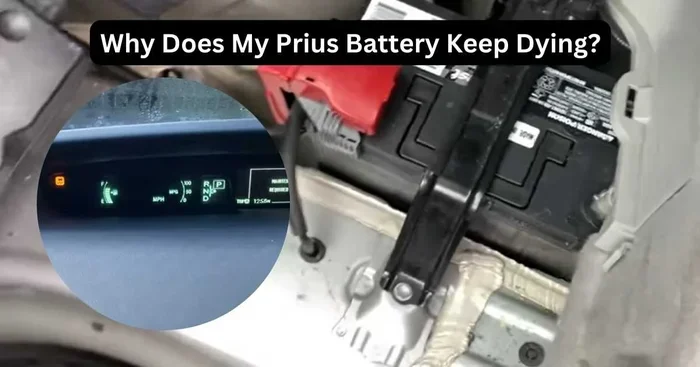
The 12V battery is a standard lead-acid battery, similar to what you find in a regular gasoline car. It powers the car’s computer system, lights, radio, and other electronics. When you press the start button, the 12V battery sends power to the hybrid system control unit.
If this battery dies, your Prius won’t start at all. You won’t be able to turn on the headlights or use the infotainment system. Think of it as the “brain starter” of the car. Without it, nothing happens.
The High-Voltage Hybrid Battery
The high-voltage battery is what makes the Prius a hybrid. It typically operates at 200 to 300 volts and powers the electric motor. This battery is what gives the Prius its incredible fuel efficiency and allows it to run on electric power alone at low speeds.
The hybrid powertrain uses a process called regenerative braking to recharge this battery. When you slow down, the electric motor acts as a generator and sends power back to the battery. This is a key feature of Toyota hybrid technology that sets the Prius apart from traditional cars.
What Happens When Your Prius Battery Dies
So, what actually happens when a Prius battery dies? The answer depends on which battery has failed. Let’s look at the symptoms for each scenario.
Symptoms of a Dead 12V Battery
A dead 12V battery is the most common battery issue Prius owners face. Here are the signs to watch for:
- The car won’t start. You press the power button and nothing happens.
- The dashboard is completely dark. No lights, no displays, no warning messages.
- The headlights are dim or don’t work. This is a telltale sign of a dead 12V battery.
- The key fob doesn’t unlock the car. Some models rely on the 12V battery for the door lock system.
- A clicking sound when you try to start. This means the battery has some charge but not enough to turn the system on.
Symptoms of a Failing High-Voltage Hybrid Battery
A failing high-voltage battery is a more serious problem. Here is what to look for:
- The “Check Hybrid System” warning light appears on the dashboard. This is the most common indicator.
- The car switches to “limp mode.” This limits your speed and power to protect the system.
- Fuel economy drops significantly. The hybrid system can’t charge or assist the engine properly.
- The engine runs more often than usual. The gas engine takes over because the electric motor can’t help.
- Strange noises from the powertrain area. You might hear clicking or grinding sounds.
- The battery icon on the dashboard flashes or stays red. This is a serious warning that should not be ignored.
Can You Still Drive a Prius With a Dead Battery?
Now for the big question: can a Prius run with a dead battery? The short answer is: it depends on which battery and how dead it is.
If the 12V Battery Is Dead
If the 12V auxiliary battery is completely dead, the Prius will not start. The hybrid system needs the 12V battery to wake up and initialize. Even if the high-voltage battery is fully charged, the car will not move.
However, if the 12V battery has some charge but is weak, the car might start in a limited way. You may get warning lights and error codes, but the vehicle could still run in some cases. This is not a reliable or safe way to drive, though.
If the High-Voltage Hybrid Battery Is Dead
If the high-voltage battery is dead or severely degraded, the situation is different. The Prius uses both the electric motor and the gasoline engine together. If the electric motor can’t work because the hybrid battery is dead, the car may still run on gasoline alone.
But here is the catch: you probably should not drive it this way for long. Running solely on the gas engine puts extra strain on the engine and transmission. It also defeats the entire purpose of owning a hybrid. Fuel economy will drop dramatically, and you could cause further damage to the hybrid system.
The “Limp Mode” Scenario
Many modern Prius models have a built-in safety feature called “limp mode.” When the hybrid battery starts to fail, the car limits itself to a low speed, usually around 15 to 25 mph. This allows you to drive to a safe location or a repair shop without causing more damage.
Limp mode is your friend. It means the car is trying to protect itself. If you see this happen, pull over safely and address the battery issue as soon as possible.
How to Jump Start a Prius With a Dead Battery
Jump-starting a Prius is different from jump-starting a regular car. The process involves both the 12V battery and the hybrid system. Here is a step-by-step guide.
Jump-Starting the 12V Battery
If your 12V battery is dead, you can jump-start it using another vehicle or a portable jump starter. Here is how to do it:
- Find the jump-start terminals. On most Prius models, the positive terminal is located under the hood, near the fuse box. Check your owner’s manual for the exact location.
- Turn off both vehicles. Make sure the other car is turned off and parked close to your Prius.
- Connect the red clamp to the positive terminal on your Prius. Then connect the other red clamp to the positive terminal on the working vehicle.
- Connect the black clamp to the negative terminal on the working vehicle. Then connect the other black clamp to an unpainted metal surface on your Prius, away from the battery.
- Start the working vehicle first. Let it run for a few minutes to charge the dead battery.
- Try starting your Prius. Press the power button and see if the car turns on.
- Remove the cables in reverse order. Start with the black clamps and then the red clamps.
Important safety tip: Never connect the black clamp directly to the negative terminal of the dead battery. This can cause sparks near the battery, which may be dangerous in a hybrid vehicle.
Can You Jump Start the High-Voltage Battery?
No. You cannot jump-start the high-voltage hybrid battery the way you jump-start a 12V battery. The high-voltage battery requires specialized equipment and professional handling. If your hybrid battery is dead, you will need a hybrid battery replacement or a visit to a certified Toyota service center.
Using a Portable Jump Starter
A portable jump starter is a great alternative if you don’t have another vehicle nearby. Make sure the jump starter is rated for at least 200 amps. Connect the clamps to the 12V battery terminals the same way you would with another vehicle.
Quick tip: Keep a portable jump starter in your trunk. It is a small investment that can save you from being stranded on the side of the road.
Hybrid Battery Replacement Cost and Options
If your high-voltage hybrid battery is dead or failing, you will likely need a replacement. Understanding the costs and options helps you make an informed decision.
How Much Does a Hybrid Battery Cost?
The cost of a hybrid battery replacement varies depending on the Prius model year and where you live. Here is a general breakdown:
- New OEM battery: $2,500 to $4,500 installed. This is the most expensive option but comes with a warranty from Toyota.
- Refurbished battery: $1,200 to $2,500 installed. These are used batteries that have been rebuilt and tested.
- Aftermarket battery: $1,500 to $3,000 installed. Third-party manufacturers offer these as a more affordable alternative.
- DIY replacement: If you are handy, you can buy the battery yourself for $800 to $2,000, but installation requires specialized tools and knowledge.
Is a New Battery Always Necessary?
Not always. Before replacing the battery, consider these options:
- Battery reconditioning: Some shops can recondition a degraded battery by replacing weak cells. This costs less than a full replacement.
- Software reset: In rare cases, a software glitch causes the hybrid system to report a dead battery when it is actually fine. A dealer or mechanic can reset the system.
- Individual cell replacement: If only a few cells are bad, a technician might replace just those cells instead of the entire battery pack.
Expert insight: Always get a second opinion before replacing a hybrid battery. Some shops may recommend a full replacement when a simpler fix would work. Ask about diagnostics and testing before committing to any repair.
Preventing Prius Battery Problems
Prevention is always better than cure. Regular maintenance and smart driving habits can extend the life of your Prius battery and help you avoid unexpected breakdowns.
Tips to Keep Your 12V Battery Healthy
- Drive your Prius regularly. The 12V battery charges while the car is running. If the car sits unused for weeks, the battery can drain.
- Turn off all electronics when the engine is off. Lights, radio, and USB devices drain the 12V battery quickly.
- Check the battery terminals for corrosion. Clean any white or green buildup with a wire brush and baking soda solution.
- Replace the 12V battery every 3 to 5 years. Even if it seems fine, preventive replacement avoids surprises.
Tips to Keep Your Hybrid Battery Healthy
- Avoid extreme temperatures when possible. Both hot and cold weather can degrade the hybrid battery faster.
- Use regenerative braking properly. Smooth driving and gentle braking help the battery recharge efficiently.
- Don’t let the battery drain completely. If possible, avoid running the car until the hybrid battery is fully depleted.
- Get regular hybrid system diagnostics. A Toyota dealer or qualified mechanic can check the battery health during routine service.
- Keep the software updated. Toyota occasionally releases software updates that improve battery management and performance.
Common Mistakes That Damage Prius Batteries
- Leaving the car parked for months without starting it. This drains both the 12V and hybrid batteries.
- Ignoring warning lights. If the “Check Hybrid System” light comes on, get it checked immediately.
- Using the wrong type of 12V battery. Always use a battery that matches the specifications in your owner’s manual.
- Attempting DIY repairs on the high-voltage system. The high-voltage battery carries dangerous voltage levels. Leave this work to professionals.
When to Seek Professional Help
While some Prius battery issues are simple to fix, others require professional attention. Here is when you should call a mechanic or visit a Toyota service center.
- The car won’t start after a jump-start attempt. This could indicate a deeper problem with the hybrid system or the 12V battery.
- Multiple warning lights appear on the dashboard. This is a sign of a serious electrical or hybrid system issue.
- The car enters limp mode frequently. Repeated limp mode means the hybrid battery is likely failing.
- You notice a burning smell or fluid leaks. These are signs of potential battery damage or overheating.
- The fuel economy has dropped dramatically. A significant drop in miles per gallon often points to hybrid battery problems.
Quick tip: Keep a record of any warning lights, error codes, or unusual behavior. This information helps mechanics diagnose problems faster and more accurately.
Final Thoughts on Prius Battery Reliability
The Toyota Prius is known for its reliability and long lifespan. The hybrid battery system is a marvel of modern engineering, but it is not immune to problems. So, can a Prius run with a dead battery? The answer is nuanced. A dead 12V battery means the car won’t start at all. A dead high-voltage battery means the car may run on gas alone, but not efficiently or safely for the long term.
Understanding your Prius battery system empowers you to take action quickly when problems arise. Whether it is a simple jump-start or a full hybrid battery replacement, knowing what to expect saves you time and money.
Regular maintenance, smart driving habits, and prompt attention to warning signs are the best ways to keep your Prius running smoothly. The Prius has earned its reputation as one of the most reliable hybrid cars on the road. With proper care, your battery system will keep you going for years to come.
Don’t wait until your Prius won’t start. Pay attention to the warning signs, keep your batteries healthy, and enjoy the fuel-efficient, eco-friendly driving experience that made the Prius a household name.
Frequently Asked Questions
Can a Prius run with only the 12V battery?
No, the 12V battery alone cannot power the Prius. It only powers the electronics and computer systems. The high-voltage hybrid battery is required to move the car. Without the hybrid battery, the Prius will not drive even if the 12V battery is fully charged.
How long does a Prius hybrid battery last?
Most Toyota Prius hybrid batteries last between 100,000 and 150,000 miles. Some owners report batteries lasting even longer with proper maintenance. Factors like driving habits, climate, and battery care significantly affect battery lifespan.
Can you drive a Prius with the check hybrid system light on?
You can drive a short distance with the check hybrid system light on, but it is not recommended. The car may enter limp mode, limiting your speed and power. Continued driving with this light on can cause further damage to the hybrid system.
Is it safe to jump-start a Prius?
Yes, it is safe to jump-start a Prius when done correctly. Always follow the proper procedure for hybrid vehicles. Never connect cables to the high-voltage battery components. Stick to the 12V auxiliary battery terminals and follow the steps outlined in the owner’s manual.
What causes a Prius battery to die prematurely?
Several factors can cause premature battery failure. Leaving the car parked for long periods is a common cause. Extreme temperatures, both hot and cold, also accelerate battery degradation. Faulty voltage regulators, aging components, and infrequent driving can all contribute to a dead battery.
Can I replace the Prius hybrid battery myself?
It is not recommended to replace the high-voltage hybrid battery yourself. The battery operates at very high voltage levels that can be extremely dangerous without proper training and equipment. Always have the replacement done by a certified Toyota technician or a qualified hybrid specialist.