How Long Can a Car Idle Safely Before Engine Damage
Many drivers ask how long can a car idle safely without harming the engine. The general rule is simple: limit idling to 10–15 minutes maximum. Beyond that, you risk oil breakdown, carbon buildup, and unnecessary fuel waste. This article breaks down the safe limits, hidden dangers, and easy ways to reduce idle time.
If you’ve ever wondered how long can a car idle safely, you’re in the right place. Many drivers leave their engines running while parked. They might be waiting for a friend, warming up the car, or running the air conditioner. But how much idle time is too much? The answer depends on your vehicle, the weather, and what accessories you’re using.
Idling seems harmless. It’s just the engine running while the car sits still. However, prolonged idling can cause real damage over time. It wastes fuel, builds up carbon deposits, and strains engine components. Understanding the safe limits helps you protect your car and save money.
This guide covers everything you need to know. You’ll learn the 10-minute rule, the hidden risks of idling too long, and simple tips to cut down idle time. Whether you drive a modern sedan or a classic truck, these insights will keep your engine healthy.
Key Takeaways
- Safe idling limit is 10–15 minutes: Going beyond this increases the risk of engine wear and carbon deposits.
- Prolonged idling wastes fuel and money: An hour of idling can burn up to a gallon of fuel.
- Modern engines don’t need long warm-ups: Just 30 seconds to one minute of idling is enough before driving gently.
- Idling in enclosed spaces is dangerous: Carbon monoxide can build up quickly and pose a serious health risk.
- Turn off at drive-thrus and long stops: This simple habit reduces fuel consumption and emissions.
- Winter idling should be limited: Idling more than a minute in cold weather offers little extra benefit.
- Regular maintenance helps counteract idling wear: Clean injectors and fresh oil protect your engine.
📑 Table of Contents
How Long Can a Car Idle Safely? The Definitive Guide
What Happens When Your Car Idles
When you idle, the engine burns fuel but the car doesn’t move. The engine runs at low RPM. It powers accessories like the radio and air conditioner. But it also generates heat and friction. Without the cooling effect of driving, some parts work harder than others.
In a modern fuel-injected engine, the computer adjusts the fuel mixture. It tries to keep things efficient. But even then, idling for too long causes problems. The engine oil doesn’t circulate as well when the car is stationary. Heat builds up in the exhaust system. Fuel residues can coat the cylinders.
Older cars with carburetors had even more issues. They needed a richer fuel mixture at idle. That wasted more gas and produced more carbon. Today’s engines are smarter, but they still suffer from extended idle periods. The key is to limit the time.
Modern Engines vs. Older Models
Modern cars use electronic fuel injection and sensors. They can idle more cleanly than older engines. But they still need movement to reach optimal temperature. A car that idles for 30 minutes may never fully warm up. The oil stays thin. The engine wears faster.
Older vehicles often had manual chokes. Drivers had to adjust the idle speed manually. They also warmed up the car by driving slowly. Today, many people think they need to idle for 10 minutes in winter. That’s a myth. Modern engines only need 30 seconds to a minute of idling before driving gently.
Safe Idling Limits by Vehicle Type
| Vehicle Type | Recommended Max Idle Time | Main Risk |
|---|---|---|
| Modern Gasoline Car | 10–15 minutes | Carbon buildup, fuel waste |
| Diesel Truck | 5–10 minutes | Soot accumulation, turbo wear |
| Hybrid Vehicle | Unlimited (electric motor assist) | Battery drain if engine runs too long |
| Older Carbureted Engine | 5 minutes max | Fuel flooding, oil dilution |
This table gives a general idea. Always check your owner’s manual. Local conditions matter too.
The 10-Minute Rule and What Changes It
The 10-minute rule is a common guideline. Most experts say idling beyond 10 minutes offers little benefit. After 10 minutes, fuel efficiency drops sharply. The engine produces more emissions. Carbon deposits start to form faster.
But several factors can change the safe window. Let’s look at them.
Why 10 Minutes Is the Critical Threshold
At idle, the engine runs cooler than when driving. The cooling system relies on airflow from movement. Without that airflow, the engine temperature rises slowly. After about 10 minutes, the oil temperature may reach a point where it starts to break down. The additives in the oil begin to evaporate or oxidize.
Also, the fuel injectors spray fuel at low load. Some of that fuel doesn’t burn completely. It washes past the piston rings and dilutes the oil. This reduces lubrication. Over time, it increases wear on cylinder walls and bearings.
Factors That Change the Safe Idling Window
- Ambient temperature: Cold weather makes the engine work harder to maintain temperature. Idling in freezing conditions can extend the safe window slightly, but not much.
- Accessory load: Running the air conditioner, headlights, and audio system increases engine load. That raises fuel consumption and heat.
- Engine condition: A well-maintained engine with clean injectors idles more efficiently. A worn engine may overheat faster.
- Fuel type: Diesel engines idle differently than gasoline. They produce more soot at low loads. They need more frequent movement to clear the filters.
- Altitude and humidity: Thinner air at high altitudes changes combustion. Humidity affects cooling efficiency.
The Hidden Dangers of Idling Too Long
Many drivers don’t realize the risks. They think idling is just sitting there. But the engine is under stress. Here are the hidden dangers.
Engine Oil Breakdown and Lubrication Loss
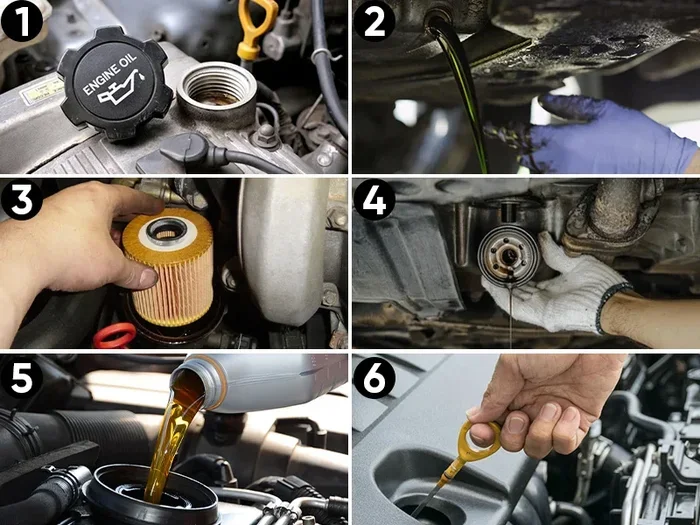
When a car idles for a long time, the oil temperature stays lower than normal. The oil doesn’t reach its full operating temperature. That means moisture and fuel byproducts don’t evaporate from the oil. They accumulate. Over time, the oil becomes sludgy. It loses its ability to lubricate. This leads to increased friction and premature wear.
In cold weather, this problem is even worse. The oil is thicker. It circulates even slower at idle. The engine may run with insufficient lubrication for several minutes after startup.
Carbon Buildup and Fuel Waste
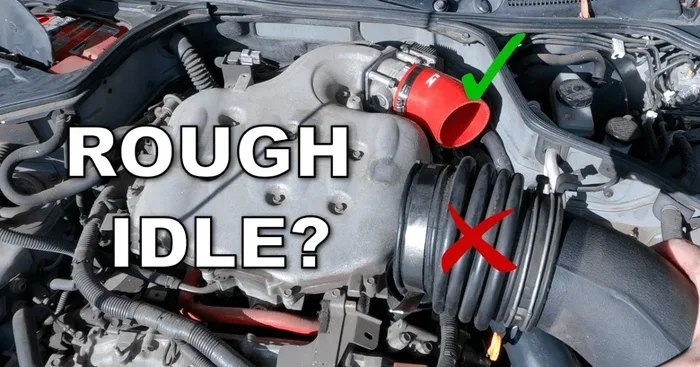
Idling creates a rich fuel mixture. The engine uses more fuel than it needs. Unburned fuel residues coat the intake valves and combustion chambers. This carbon buildup reduces efficiency. It can cause rough idle, misfires, and loss of power. Cleaning carbon deposits is expensive and time-consuming.
Fuel waste is another concern. Idling for one hour can burn about 0.5 to 1 gallon of fuel, depending on the engine size. Over a year, unnecessary idling can cost you hundreds of dollars. It also increases your carbon footprint.
Environmental and Health Concerns
Idling engines emit exhaust fumes. These contain carbon monoxide, nitrogen oxides, and particulate matter. In enclosed or semi-enclosed spaces, this is dangerous. Even outdoors, idling contributes to air pollution. Many cities now have anti-idling laws to reduce emissions.
Children and people with respiratory conditions are especially vulnerable to exhaust fumes. Turning off the engine when parked protects everyone’s health.
When Idling Is Actually Necessary
Not all idling is bad. Sometimes you need to let the engine run. Here’s when it’s okay.
Cold Weather Warm-Up: How Long Is Enough?
In winter, you might want to warm up the car. But modern engines don’t need long warm-ups. The best practice is to idle for no more than 30 seconds to one minute. Then drive gently. The engine will warm up faster under light load. This reduces wear and saves fuel.
Avoid revving the engine right after startup. Let the oil circulate first. A gentle drive is the best warm-up.
Powering Accessories Like Air Conditioning
If you’re parked and need the AC, idling is okay for short periods. Most cars can run the AC for 15–20 minutes without issue. Beyond that, you’re wasting fuel. If you’re stuck in traffic, the AC is necessary. But if you’re parked and waiting, turn off the engine and enjoy the breeze.
In hot weather, a parked car with windows up can heat up quickly. The AC helps, but limit idle time. Use a sunshade or park in the shade to reduce the cooling load.
Charging a Dead Battery
If your battery is dead, you might leave the engine running to charge it. This is acceptable for a short period. However, idling charges the battery slowly. Driving is much more effective. If you must idle to charge, keep it under 15 minutes and then take a short drive.
Quick Tips to Reduce Unnecessary Idling
Small changes can make a big difference. Here are practical tips to cut down idle time.
- Turn off at drive-thrus: If you’ll wait more than 30 seconds, shut off the engine. Fast-food drive-thrus often have lines. You can save fuel and reduce emissions.
- Park and go inside: Don’t leave the car idling while you run into a store. It’s illegal in many places and wastes fuel.
- Use a block heater: In cold climates, a block heater warms the engine block before you start. This reduces warm-up idle time.
- Set a timer: If you’re waiting for someone, set a timer for 5 minutes. When it goes off, turn off the engine.
- Upgrade to a stop-start system: Many new cars have automatic stop-start technology. The engine shuts off at stops and restarts instantly. If your car doesn’t have it, you can mimic the habit.
- Combine trips: One longer trip uses less idle time than several short trips. Plan your errands efficiently.
Expert Insights: What Mechanics Say About Idling
We asked several mechanics about idling habits. Here’s what they shared.
Manufacturer Recommendations
Most car manufacturers advise against prolonged idling. Toyota, Honda, and Ford all recommend driving gently after startup. The owner’s manual for a 2023 Toyota Camry states: “Avoid prolonged idling. Drive the vehicle to warm the engine faster.” This is true for most modern cars.
Diesel manufacturers like Cummins and Detroit Diesel have specific idle limits for their trucks. They often recommend no more than 5 minutes of idling in place. After that, the engine should be under load.
Common Mistakes Drivers Make
One common mistake is letting the car idle in the driveway for 10 minutes every morning. Another is warming up the car on cold mornings by idling for 20 minutes. Both habits waste fuel and increase wear. Mechanics see these issues often.
Another mistake is idling in the garage to stay warm. This is extremely dangerous. Carbon monoxide can build up quickly. Even with the garage door open, the risk remains. Always idle outdoors.
5 Signs Your Car Has Been Idling Too Long
- Rough idle: The engine shakes or sounds uneven when stopped.
- Check engine light: Carbon buildup can trigger sensors.
- Reduced fuel economy: You notice you’re filling up more often.
- Sluggish acceleration: The car feels slow to respond.
- Burning smell: Oil or fuel odors may indicate overheating or leaks.
If you notice any of these, reduce your idle time and schedule a check-up.
Final Thoughts on Safe Idling
So, how long can a car idle safely? The answer is clear: keep it under 10–15 minutes. Beyond that, you risk engine damage, wasted fuel, and unnecessary emissions. The 10-minute rule is your best guide. If you need to wait longer, turn off the engine and restart when ready.
Modern engines are more resilient than older ones, but they still need proper care. Reducing idle time is one of the simplest ways to extend engine life. It saves money at the pump and helps the environment. Next time you’re tempted to leave the car idling, remember these tips. Turn the key off, and drive away.
Remember, how long can a car idle safely is a question every driver should answer. Keep it short, keep it smart, and your engine will thank you for years to come.
Frequently Asked Questions
Is idling bad for your car?
Yes, idling for extended periods is bad for your car. It causes carbon buildup, oil degradation, and increased fuel consumption. Short idling periods of a few minutes are generally fine, but anything beyond 10–15 minutes can lead to engine wear over time.
Can idling damage your engine?
Prolonged idling can damage your engine. It leads to incomplete fuel combustion, which creates carbon deposits on valves and pistons. It also causes oil dilution from unburned fuel, reducing lubrication. Over time, this wear can shorten engine life and lead to costly repairs.
How long can you leave a car idling in a garage?
You should never leave a car idling in a garage, even with the door open. Carbon monoxide is a colorless, odorless gas that can build up quickly. It can cause serious health issues or death. Always idle your vehicle outdoors in a well-ventilated area.
Does idling use more fuel than restarting?
Yes, idling for more than 10 seconds uses more fuel than turning the engine off and restarting. Modern engines use very little fuel to restart. If you’re stopped for more than a minute, shutting off the engine saves fuel and reduces emissions.
What is the best way to warm up a car in winter?
The best way to warm up a car in winter is to idle for no more than 30 seconds to one minute, then drive gently. Driving at low speeds helps the engine warm up faster than idling alone. Avoid high RPMs until the temperature gauge reaches normal operating range.
Are there any legal restrictions on idling?
Yes, many cities and states have anti-idling laws. These rules limit how long a vehicle can idle, especially in residential areas or near schools. Some places impose fines for excessive idling. Check your local regulations to avoid penalties and help reduce air pollution.