Heres How Much Gas Is Left When the Light Comes On
The gas light is not a measure of how much fuel remains — it is a warning that you are running low. Most cars have about 2 to 4 gallons left when the light comes on, which translates to roughly 30 to 80 miles of driving. Understanding your fuel gauge and reserve fuel can save you from unexpected breakdowns and costly repairs.
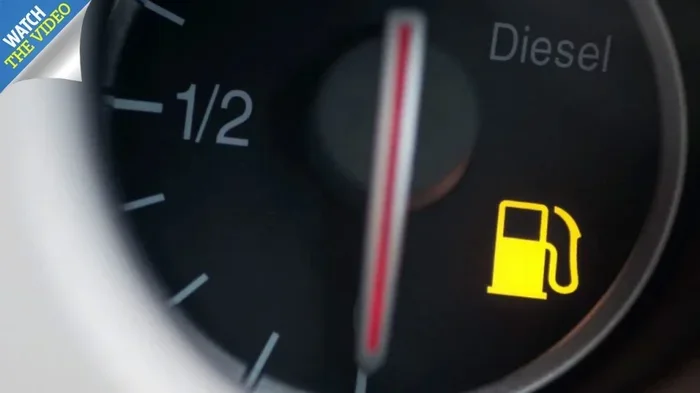
You are driving down the road, minding your own business, when suddenly a little yellow or orange light pops up on your dashboard. It looks like a fuel pump icon, and your stomach drops just a little. You start doing the math in your head. How much gas is left when the light comes on? Can you make it to the next exit? Should you stop right now?
This is a situation almost every driver has faced at some point. Maybe you were running late for work. Maybe you were on a long road trip and the nearest gas station felt miles away. Whatever the reason, understanding what your gas light really means can save you time, money, and a lot of stress. Let us break it all down for you.
Key Takeaways
- The gas light means you have very little fuel left: typically 2 to 4 gallons depending on your vehicle.
- You can usually drive 30 to 80 miles after the light turns on: but this varies widely by car model and driving habits.
- Running on empty can damage your fuel pump: dirt and debris settle at the bottom of the tank and can clog critical components.
- Your vehicle’s miles-to-empty display is a helpful tool: use it to plan your next fuel stop.
- Driving habits affect how far you can go on reserve fuel: aggressive driving, AC use, and highway speeds all burn fuel faster.
- Never ignore the fuel warning light: it exists to protect your engine and your wallet.
- Keeping your tank at least a quarter full is best practice: it protects the fuel pump and gives you peace of mind.
📑 Table of Contents
- What the Gas Light Actually Means
- How Much Gas Is Really Left When the Light Comes On
- Why You Should Never Ignore the Gas Light
- How Far Can You Really Go on Empty?
- Tips to Avoid Running Out of Gas
- Common Myths About the Gas Light
- What to Do When the Gas Light Comes On
- When to See a Mechanic
- Conclusion
What the Gas Light Actually Means
The fuel warning light is not a precise measurement. It is not saying “you have exactly X gallons left.” Instead, it is a simple alert. The light tells you that your fuel level has dropped below a certain threshold set by your car manufacturer. Think of it as a heads-up, not a final countdown.
Different car brands set this threshold at different levels. Some vehicles trigger the light when you have about 3 gallons remaining. Others wait until you are down to 1.5 gallons. The threshold depends on the size of the fuel tank, the design of the fuel system, and the automaker’s safety margin.
How the Fuel Gauge Sensor Works
Inside your gas tank, there is a device called a fuel level sending unit. It uses a float that rises and falls with the fuel level. As the fuel drops, the float drops too. This changes the electrical resistance in the sensor, which sends a signal to your dashboard gauge. When the signal drops low enough, the warning light activates.
This system is simple but not perfectly precise. The float can stick. The sensor can wear out over time. Temperature changes can also affect fuel volume slightly. So while the gas light is a reliable warning, it should not be treated as an exact science.
Why Automakers Set the Threshold Where They Do
You might wonder why car companies do not just tell you exactly how much fuel is left. The answer comes down to safety and design margins. Automakers want to give drivers enough warning to find a gas station safely. They also build in a buffer to protect the fuel pump from running dry, which can cause serious damage.
At the same time, they do not want the light to come on too early and annoy drivers who prefer to stretch their tanks. It is a balance between convenience and protection. This is why the gas light varies so much across different vehicles and models.
How Much Gas Is Really Left When the Light Comes On
Now for the question you really want answered. How much gas is left when the light comes on? The short answer is usually between 2 and 4 gallons. But the longer answer depends on several factors.
Fuel Tank Size Matters
A compact car with a 12-gallon tank will have a different reserve than a full-size SUV with a 25-gallon tank. Here is a quick look at what you can expect from different vehicle types:
- Compact cars: roughly 1.5 to 2.5 gallons remaining
- Mid-size sedans: roughly 2 to 3.5 gallons remaining
- SUVs and trucks: roughly 3 to 5 gallons remaining
- Hybrid vehicles: reserve amounts vary, but they often have smaller gas tanks
These numbers are estimates. Your specific vehicle may differ. Check your owner manual for the exact fuel tank capacity and reserve amount. This information is usually listed in the section about fuel and refueling.
Miles to Empty: Your Best Friend
Many modern cars come with a trip computer that estimates how many miles you can still drive on the remaining fuel. This feature, often called “miles to empty” or “range to empty,” is incredibly useful when the gas light comes on.
However, keep in mind that this estimate is based on your recent driving patterns. If you were driving on the highway, the estimate might be higher. If you were stuck in city traffic with lots of stops, the estimate could drop quickly. Use it as a guide, not a guarantee.
Average Distance You Can Drive After the Light Comes On
Most drivers can go between 30 and 80 miles after the fuel warning light turns on. Again, this is a broad range. Here are some real-world examples based on common vehicles:
- Toyota Camry: about 40 to 55 miles on empty
- Honda Civic: about 45 to 60 miles on empty
- Ford F-150: about 50 to 70 miles on empty
- Chevrolet Equinox: about 35 to 50 miles on empty
These figures come from driver reports and manufacturer data. Your results may vary based on driving speed, terrain, weather, and how hard you are on the accelerator.
Why You Should Never Ignore the Gas Light
It is tempting to push through when the light comes on. You tell yourself you will make it to the next exit. Or the next town. Or the next gas station. While you sometimes can, ignoring the gas light regularly can lead to real problems.
Damage to the Fuel Pump
Your fuel pump relies on fuel to stay cool. When the tank runs low or empty, the pump can overheat. Over time, this leads to premature wear and eventual failure. Replacing a fuel pump is expensive. It can cost anywhere from 400 to 1,000 dollars, depending on your vehicle.
Fuel pumps are designed to be submerged in fuel. The fuel acts as a lubricant and coolant. When the level drops too low, the pump starts sucking in air, which causes it to work harder and run hotter. This is one of the most common causes of fuel pump failure.
Debris and Contaminants
At the bottom of your gas tank, sediment and debris collect over time. When you run low on fuel, the fuel pump is more likely to pull in these contaminants. This can clog fuel filters, injectors, and other parts of the fuel system. The result? Poor engine performance, reduced fuel efficiency, and costly repairs.
The Risk of Stalling
Running completely out of gas can cause your engine to stall. This is dangerous if you are on a highway, in heavy traffic, or in an unsafe area. A stalled car also puts extra stress on the catalytic converter and other emission components, which can lead to expensive repairs down the road.
Impact on Your Fuel Gauge Accuracy
Constantly running on empty can also throw off your fuel gauge readings over time. The sensor float can become less accurate if it frequently rests at the very bottom of the tank. This means your gauge might start showing incorrect fuel levels, making it even harder to know when to refuel.
How Far Can You Really Go on Empty?
The honest answer is it depends. Several factors determine how far your car can go after the gas light comes on. Understanding these factors can help you make better decisions when you are low on fuel.
Driving Habits
How you drive has a big impact on fuel consumption. Aggressive acceleration burns fuel fast. Hard braking wastes energy. Smooth, steady driving is the most fuel-efficient way to operate a vehicle. If you see the gas light come on, ease off the accelerator and maintain a steady speed. This simple change can add several extra miles to your range.
Highway vs. City Driving
Highway driving generally uses less fuel than stop-and-go city driving. If the gas light comes on while you are on the interstate, you will likely have more range than if you are navigating city streets with traffic lights and congestion.
However, highway driving at very high speeds also increases fuel consumption due to aerodynamic drag. Most vehicles are most fuel-efficient between 45 and 65 miles per hour. If you can keep your speed in that range, you will stretch your remaining fuel further.
Weather and Terrain
Cold weather reduces fuel efficiency. Your engine takes longer to warm up, and your heater pulls energy from the engine. Hilly terrain also uses more fuel, especially when climbing grades. If you are driving in mountainous areas or during winter, expect your range on empty to be shorter than usual.
Vehicle Load and Accessories
Carrying heavy cargo or towing a trailer increases fuel consumption. Running the air conditioning also puts a load on the engine. If you want to maximize your range after the gas light comes on, reduce unnecessary weight and turn off the AC if you can tolerate the heat for a short while.
Tips to Avoid Running Out of Gas
The best way to deal with the gas light is to prevent it from coming on in the first place. Here are some practical tips that can help you stay ahead of the fuel gauge.
Keep Your Tank at Least a Quarter Full
This is one of the simplest and most effective habits you can develop. Keeping at least a quarter of a tank of fuel at all times ensures that your fuel pump stays submerged and cool. It also gives you a comfortable buffer for unexpected detours or traffic delays.
Many drivers wait until the tank is nearly empty before refueling. This habit puts unnecessary strain on the fuel system and leaves you vulnerable to running out of gas at the worst possible moment.
Plan Your Fuel Stops
If you know you have a long drive ahead, plan your fuel stops in advance. Use apps like GasBuddy or Google Maps to find gas stations along your route. Do not wait until the gas light comes on to start looking for a place to refuel.
Monitor Your Fuel Efficiency
Pay attention to your vehicle fuel efficiency over time. If you notice that your gas mileage has dropped significantly, it could be a sign of a problem. Poor fuel efficiency means you are using more gas than normal, which means you will hit empty faster.
Common causes of reduced fuel efficiency include dirty air filters, worn spark plugs, low tire pressure, and a malfunctioning oxygen sensor. Regular car maintenance can help keep your fuel consumption in check.
Know Your Vehicle’s Fuel Tank Capacity
Every vehicle is different. Knowing your car fuel tank capacity gives you a baseline for understanding how far you can go on a full tank and how much reserve you have when the light comes on. Check your owner manual or look up the specs for your specific make and model online.
Use the Trip Meter
Your trip meter is a handy tool for tracking how far you have driven since your last fill-up. Reset it every time you refuel, and you will start to get a feel for how many miles you can squeeze out of each tank. This knowledge makes it much easier to decide when to stop for gas before the light ever comes on.
Common Myths About the Gas Light
There are a lot of misconceptions about what the gas light means and how much fuel is actually left. Let us clear up some of the most common ones.
Myth 1: The Gas Light Means You Have Exactly One Gallon Left
This is not true. The reserve amount varies widely by vehicle. Some cars have more than a gallon left, others have less. The gas light is a general warning, not a precise measurement.
Myth 2: You Can Always Drive 50 Miles on Empty
While many cars can go 30 to 80 miles after the light comes on, there is no guarantee. Your actual range depends on driving conditions, speed, load, and vehicle condition. Never assume you will make it a specific distance.
Myth 3: Modern Cars Are Accurate About Fuel Levels
Modern vehicles have improved fuel gauge systems, but they are still not perfect. Factors like fuel sloshing during turns, temperature changes, and sensor wear can all affect accuracy. Treat the gauge as an estimate, not an exact reading.
Myth 4: Running on Empty Saves Fuel Because the Tank Is Lighter
A nearly empty tank does weigh less than a full tank, but the difference is minimal. A gallon of gas weighs about 6 pounds. Even if you have 10 gallons less fuel, that is only 60 pounds. The weight difference is not enough to make a meaningful impact on fuel efficiency. The real risk is damage to your fuel system.
What to Do When the Gas Light Comes On
If the gas light comes on and you are not near a gas station, stay calm. Here is a step-by-step approach to handle the situation safely.
- Turn off unnecessary electrical loads: shut off the air conditioning, heated seats, and anything else that draws power from the engine.
- Drive at a steady, moderate speed: avoid sudden acceleration and hard braking. Keep your speed between 45 and 60 miles per hour if possible.
- Use your miles-to-empty display: if your car has this feature, watch it closely to estimate how much range you have left.
- Find the nearest gas station: use your phone or GPS to locate the closest fuel stop. Even if it is slightly out of your way, it is worth it.
- Do not attempt to push or tow the car: if you do run out of gas, pulling the vehicle can damage the fuel system and transmission. Call for roadside assistance instead.
When to See a Mechanic
If your gas light comes on frequently or your fuel gauge behaves erratically, it is worth getting your vehicle checked. A mechanic can inspect the fuel level sending unit, check for fuel system leaks, and ensure your fuel pump is working properly. These are relatively simple repairs when caught early, but they can become expensive if ignored.
Also, if you notice that your vehicle range to empty estimate seems way off, the fuel gauge sensor may need recalibration or replacement. A professional diagnostic scan can identify the issue quickly and accurately.
Conclusion
So how much gas is left when the light comes on? In most cases, you have about 2 to 4 gallons of fuel remaining, which gives you roughly 30 to 80 miles of driving range. But this is just an estimate. Your actual reserve depends on your vehicle, your driving habits, road conditions, and much more.
The gas light is a warning system designed to protect you and your car. It is not a challenge to see how far you can push it. Treat it as a signal to refuel soon, and you will avoid the risks of running out of fuel, damaging your fuel pump, or getting stranded in an unsafe location.
Make it a habit to keep your tank at least a quarter full, pay attention to your fuel gauge, and plan your fuel stops ahead of time. These simple practices will keep your car running smoothly and save you from the stress and expense of fuel-related problems. Your vehicle will thank you, and so will your wallet.
Next time that little fuel pump icon lights up on your dashboard, you will know exactly what it means. You will know how much gas is left, how far you can go, and what steps to take. That knowledge gives you confidence and control behind the wheel.
Frequently Asked Questions
How many gallons of gas are left when the fuel light comes on?
Most vehicles have between 2 and 4 gallons of fuel remaining when the gas light activates. However, this varies by car model, fuel tank size, and manufacturer settings. Check your owner manual for the exact reserve amount for your specific vehicle.
Can you drive 50 miles after the gas light comes on?
Many cars can go 30 to 80 miles after the warning light turns on. Whether you can drive 50 miles depends on your vehicle type, driving conditions, speed, and load. Use the miles-to-empty display if your car has one for a more accurate estimate.
Is it bad to drive with the gas light on?
Driving occasionally with the gas light on is not ideal but usually not catastrophic. However, doing it regularly can damage the fuel pump, introduce debris into the fuel system, and reduce the accuracy of your fuel gauge over time.
How do I find out my car’s exact reserve fuel amount?
Your vehicle owner manual is the best source for exact reserve fuel information. Look in the section about fuel specifications or refueling procedures. You can also check the manufacturer website or contact a dealership with your VIN number.
Does the gas light mean the tank is completely empty?
No. The gas light means the fuel level has dropped to a preset low threshold, not that the tank is empty. There is still usable fuel in the tank, but you should refuel as soon as possible to avoid running out completely.
Why does my gas light come on earlier sometimes than other times?
Fuel gauge readings can vary based on driving conditions, temperature, fuel sloshing during turns, and sensor calibration. If the light comes on at different fuel levels frequently, the fuel level sending unit may need inspection or replacement by a qualified mechanic.