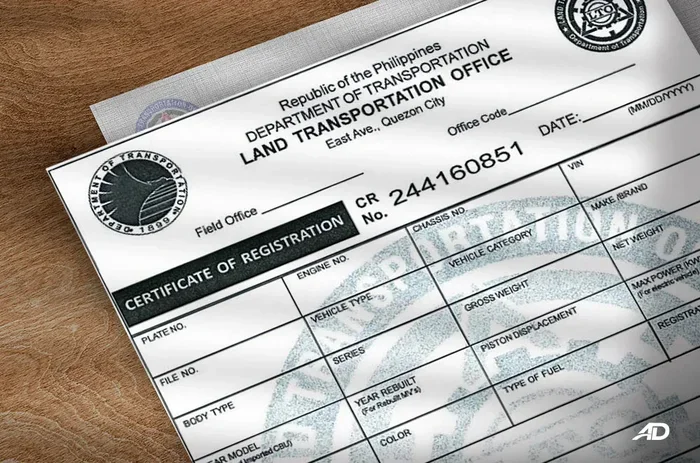
Can a Car Be Registered in Two Names Is It Possible
Yes, a car can be registered in two names, and it is a common practice for couples, family members, and business partners. Joint car registration allows co-owners to share legal ownership, but the process varies by state and country. This guide walks you through the requirements, benefits, risks, and step-by-step process to register a vehicle under two names.
Have you ever wondered if two people can share legal ownership of a car? Maybe you are buying a vehicle with a spouse, a parent, or a friend. The question “can a car be registered in two names” comes up more often than you might think.
The short answer is yes. You can register a car under two names in most places. But the process is not always simple. Different states and countries have different rules. Insurance, taxes, and liability all come into play. This guide will walk you through everything you need to know about co-owning a vehicle and joint car registration.
Whether you are a first-time car buyer or looking to add someone to an existing registration, this article covers it all. We will break down the legal requirements, the benefits, the risks, and the step-by-step process. By the end, you will have a clear picture of what it means to share car ownership with another person.
Key Takeaways
- Joint Registration Is Legal: You can register a car in two names in most states and countries.
- Process Varies by Location: Each state has its own rules for co-owning a vehicle.
- Shared Responsibility: Both names share legal liability for the car, including taxes and tickets.
- Insurance Matters: You need a policy that covers all listed owners.
- Title Transfer Options Exist: You can add or remove a name with the right paperwork.
- Know the Risks: Disputes can arise if both parties do not agree on selling or transferring the vehicle.
📑 Table of Contents
- What Does It Mean to Register a Car in Two Names?
- Legal Requirements for Registering a Car Under Two Names
- Benefits of Registering a Car in Two Names
- Risks and Challenges of Two-Name Registration
- How to Register a Car in Two Names: Step-by-Step
- Adding or Removing a Name from an Existing Registration
- How Insurance Works with Jointly Registered Vehicles
- Expert Insights on Co-Owning a Vehicle
- Key Takeaways
- Conclusion
What Does It Mean to Register a Car in Two Names?
When you register a car in two names, both individuals are listed as legal owners on the vehicle title and registration documents. This means both people have equal rights to the vehicle. They can drive it, sell it, or transfer it. But they also share equal responsibility.
How Joint Ownership Works
Joint car registration works similarly to joint bank accounts. Both owners are listed on the title. In most cases, the title will list both names with “and” or “or” between them. The word you use matters a lot. “And” means both signatures are needed for transactions. “Or” means either owner can act alone.
For example, if a title says “John Smith and Jane Doe,” both must sign to sell the car. But if it says “John Smith or Jane Doe,” either one can sell it independently. This distinction is critical when you co-own a car.
Common Reasons for Two-Name Registration
People choose to register a vehicle under two names for many reasons:
- Married couples sharing household vehicles
- Parents and adult children co-signing a car loan
- Business partners using a vehicle for work
- Friends splitting costs on a shared vehicle
- Couples building credit together
No matter the reason, understanding the legal implications is essential before you proceed. Shared car ownership is a legal arrangement, and both parties are bound by the terms.
Legal Requirements for Registering a Car Under Two Names
The legal requirements for joint car registration vary depending on where you live. Each state and country has its own set of rules. However, some general principles apply across the board.
Required Documents
To register a vehicle under two names, you typically need the following documents:
- Proof of identity for both owners (driver’s license or ID)
- Vehicle title signed by the seller and both buyers
- Bill of sale showing the purchase price
- Proof of insurance covering both owners
- Registration application completed by both parties
- Emission or inspection certificates where required
Make sure all documents are filled out correctly. Even one missing signature can delay the process. The DMV requirements for joint registration are strict in most jurisdictions.
State-by-State Differences
Some states make it easy to register a car in two names. Others have more complex rules. For instance, California allows joint ownership with both names on the title. Texas also permits it but requires both parties to appear in person at the DMV in some cases. Always check your local vehicle registration rules before visiting the office.
Tax Implications
When two names are on a car registration, tax obligations can change. In some states, both owners are responsible for property taxes on the vehicle. In others, only the primary owner pays. It is wise to consult a tax professional to understand how co-ownership affects your tax situation.
Benefits of Registering a Car in Two Names
There are several advantages to having a car registered under two names. Let us look at the most common benefits.
Shared Financial Responsibility
One of the biggest benefits of shared car ownership is splitting costs. Two people can share the loan payments, insurance premiums, and maintenance expenses. This makes owning a vehicle more affordable for many families and couples.
For example, a married couple might buy a family SUV. By registering it in both names, they can split the monthly payment and the insurance cost. This arrangement works well when both parties contribute equally.
Building Credit Together
If you and your co-owner are paying off an auto loan together, both credit scores can benefit. On-time payments reported to credit bureaus help build a positive credit history for both individuals. This is especially helpful for young adults or people with limited credit history.
Simplified Estate Planning
In many cases, a car registered in two names with “right of survivorship” automatically passes to the surviving owner. This avoids the probate process and makes estate planning simpler. It is a practical benefit that many people overlook when they ask “can a car be registered in two names.”
Flexibility in Usage
Both owners can legally drive the vehicle at any time. There is no need for permission slips or formal arrangements. This flexibility is convenient for families and partners who share daily transportation needs.
Risks and Challenges of Two-Name Registration
While there are clear benefits, co-owning a car also comes with risks. Understanding these challenges is just as important as knowing the advantages.
Shared Liability
When two names are on a registration, both owners are legally responsible for the vehicle. This means if the car gets a parking ticket, both owners are liable. If the car is involved in an accident, both insurance policies and both owners may be affected.
This shared liability can become a problem if the co-owners disagree. For example, if one owner drives recklessly and gets cited, the other owner is still on the hook for any unpaid fines.
Disputes Over Selling
Selling a car with two names on the title can be complicated. If the title uses “and,” both owners must agree and sign. If one owner refuses to cooperate, selling the vehicle becomes very difficult. This is one of the most common disputes in car co-ownership.
Impact on Insurance
Insurance companies often treat jointly registered vehicles differently. Premiums may be higher because the risk is spread across two drivers. Some insurers require both owners to be listed on the policy. If one owner has a poor driving record, it can raise premiums for both parties.
Breakups and Relationship Changes
What happens if the two co-owners are a couple that splits up? Untangling shared car ownership during a breakup can be messy. The vehicle cannot be sold or transferred without both signatures. This situation can lead to legal disputes and financial headaches.
How to Register a Car in Two Names: Step-by-Step
If you have decided to proceed with joint car registration, here is a step-by-step guide to help you through the process.
Step 1: Gather All Required Documents
Start by collecting all necessary paperwork. This includes proof of identity, the vehicle title, bill of sale, and insurance documents. Make copies of everything. Being organized saves time at the DMV.
Step 2: Complete the Title Transfer
Both buyers must sign the back of the title. Fill out all required fields, including names, addresses, odometer readings, and purchase price. Double-check for accuracy before submitting.
Step 3: Visit Your Local DMV or Registration Office
Both co-owners should visit the DMV together if possible. Some states require both parties to appear in person. Bring all documents, payment for registration fees, and any required identification.
Step 4: Obtain Insurance Coverage
Before finalizing registration, make sure you have an insurance policy that covers both owners. Contact your insurance provider and add both names to the policy. Get proof of insurance that meets your state’s minimum requirements.
Step 5: Pay Registration Fees and Receive Your Documents
Pay the applicable registration and title fees. These fees vary by state and vehicle type. Once processed, you will receive updated registration cards and a new title with both names listed.
Quick Tips for a Smooth Process
- Call your local DMV ahead of time to confirm requirements
- Bring original documents, not photocopies
- Complete all forms at home before your visit
- Check online for appointment requirements
- Keep copies of everything you submit
Adding or Removing a Name from an Existing Registration
Sometimes you do not register a car in two names from the start. Instead, you need to add or remove a name later. Here is what you need to know about title transfer and name changes.
Adding a Name to an Existing Registration
To add someone to an existing registration, you typically need to visit the DMV with the current title. Both the current owner and the new co-owner must complete a title application. The new name is added, and a new title is issued. Insurance must also be updated to reflect the change.
Removing a Name from a Registration
Removing a name is trickier. In most cases, both parties must agree. You may need a notarized release of ownership or a court order. If the vehicle has a loan, the lender must also approve the change. Always check with your local DMV for the specific process.
Common Mistakes to Avoid
- Skipping insurance updates after a name change
- Forgetting to sign the title in front of a notary
- Using the wrong form for your state
- Not paying all applicable fees upfront
- Assuming the process is the same in every state
How Insurance Works with Jointly Registered Vehicles
Insurance is one of the most important aspects of co-owning a car. When two names are on a registration, the insurance policy must reflect that. Most insurers require all listed owners to be on the policy.
Here are some key points to keep in mind:
- Both owners should be listed as drivers on the policy
- Premiums may increase with each additional driver
- Claims can be filed by either owner in most cases
- Coverage types should match both drivers’ needs
- Shop around for quotes from multiple insurers
Comparing insurance quotes is a smart move when you are registering a car under two names. Different providers handle joint policies differently, and the right coverage can save you money and headaches.
Expert Insights on Co-Owning a Vehicle
We spoke with several automotive legal experts and DMV professionals to get their take on joint car registration. Here is what they had to say.
Attorney Sarah Mitchell, a specialist in vehicle law, advises: “Always read the title carefully before signing. The word ‘and’ versus ‘or’ changes your legal rights significantly. If you are unsure, consult a lawyer before proceeding.”
DMV Specialist James Carter adds: “The most common mistake people make is not bringing all required documents. We see people come back two or three times because they forgot one form. Make a checklist and check it twice.”
Insurance Agent Lisa Wong recommends: “Update your policy the same day you change the registration. Driving without proper coverage on a jointly registered vehicle can lead to serious penalties.”
Key Takeaways
- Joint Registration Is Legal: You can register a car in two names in most states and countries.
- Process Varies by Location: Each state has its own rules for co-owning a vehicle.
- Shared Responsibility: Both names share legal liability for the car, including taxes and tickets.
- Insurance Matters: You need a policy that covers all listed owners.
- Title Transfer Options Exist: You can add or remove a name with the right paperwork.
- Know the Risks: Disputes can arise if both parties do not agree on selling or transferring the vehicle.
Conclusion
The answer to “can a car be registered in two names” is a clear yes. Joint car registration is a legal and practical option for many people. Whether you are a married couple, family members, or business partners, co-owning a vehicle offers real benefits.
But it is not without challenges. Shared liability, insurance complexities, and potential disputes are all part of the picture. The key is to go into the arrangement with your eyes open. Understand the rules in your state, get proper insurance, and make sure both parties are on the same page.
If you are considering shared car ownership, start by checking your local DMV requirements. Gather your documents, compare insurance options, and take your time with the paperwork. A little preparation goes a long way toward a smooth experience.
Ultimately, co-owning a car can be a great way to save money and share responsibilities. Just make sure you and your co-owner understand what you are agreeing to. With the right approach, two-name registration works well for many people and households.
Frequently Asked Questions
Can a car be registered in two names if there is an outstanding loan?
Yes, but it depends on your lender’s policies. Some lenders allow joint registration on financed vehicles, while others require the primary borrower’s name only. Check with your lender before adding a second name to the registration.
Do both owners need to be present at the DMV?
In most cases, yes. Both co-owners should appear together to sign documents and provide identification. However, some states allow one party to appear with a notarized power of attorney. Always call your local DMV to confirm their specific requirements.
Can a married couple register a car in one name only?
Yes, a married couple can choose to register a vehicle under only one name. This is perfectly legal and common. However, registering in both names provides equal legal rights and can simplify insurance and estate planning.
What happens if one co-owner wants to sell the car but the other does not?
If the title uses “and,” both signatures are required to sell the vehicle. If one owner refuses, the other may need to seek legal intervention. This is why it is important to understand the difference between “and” and “or” on a title before registering.
Does registering a car in two names affect insurance rates?
Yes, it can. Insurance companies often consider all listed owners when calculating premiums. Adding a second driver, especially one with a poor driving record, may increase rates. Always inform your insurer about joint registration to avoid coverage issues.
Is it possible to remove a name from a car registration after the fact?
Yes, but the process varies by state. Typically, both parties must agree to the removal. You may need a notarized release, court order, or specific DMV forms. If there is an outstanding loan, the lender must also approve the change.