How to Care for Your Auto Tint and Keep It Looking New
Learning how to care for your auto tint is essential if you want it to last for years. Proper automotive tint care protects your investment, keeps your car looking sharp, and maintains UV protection. This guide covers everything from the right cleaning methods to avoiding common mistakes that cause tint peeling and tint fading. Follow these simple steps and your window tint film will stay in excellent condition.
You spent good money on car window tinting. Maybe it was for the sleek look, the heat rejection, or the added privacy. Whatever your reason, you want that automotive window film to look great for as long as possible. But here is the thing many car owners overlook: how to care for your auto tint matters just as much as the installation itself.
Without the right tint maintenance routine, even the highest-quality solar control film can start to peel, bubble, or fade. The good news is that caring for your tint is not complicated. It just takes a few simple habits and the right products. In this guide, we walk you through everything you need to know about automotive tint care, from the first few days after installation to long-term window tint durability.
Whether you just got your car window tinting done last week or you have been driving with tinted windows for years, this article has practical advice you can use right away. We will cover cleaning techniques, common mistakes, prevention tips, and expert insights that will help you keep your tint looking brand new.
Key Takeaways
- Wait at least 7-10 days before cleaning: Your tint needs proper curing time to bond with the glass.
- Use ammonia-free cleaners only: Ammonia breaks down the tint adhesive and causes bubbling and peeling.
- Always use soft microfiber cloths: Rough materials create micro-scratches that dull your tint over time.
- Park in shaded areas when possible: Extended UV exposure accelerates tint fading and adhesive breakdown.
- Avoid sharp objects near your windows: Even small scratches can compromise the entire tint film.
- Check your warranty terms: Proper tint warranty care ensures you stay covered if issues arise.
- Address bubbles early: Small bubbles can be fixed at home before they become bigger problems.
📑 Table of Contents
Why Proper Auto Tint Care Matters
Your window tint film does more than make your car look cool. It blocks harmful UV rays, reduces interior heat, and adds a layer of protection to your windows. But all of these benefits depend on the tint staying in good condition. When you neglect tint maintenance, you lose more than just the appearance.
Protecting Your Investment
Professional car window tinting is not cheap. A quality installation can cost anywhere from $200 to $500 or more depending on your vehicle and the type of film. That is a significant investment. Proper automotive tint care ensures you get the full value out of your money. A well-maintained tint can last 10 years or more, while a neglected one might start failing within two or three years.
Maintaining UV and Heat Protection
One of the main reasons people invest in heat rejection tint is to protect themselves and their car interior from the sun. When your tint starts to degrade, its ability to block UV rays drops significantly. This means more sun damage to your dashboard, seats, and skin. Keeping your automotive window film in top shape ensures you continue getting the protection you paid for.
Preserving Your Vehicle’s Appearance
Let us be honest. Tinted windows make any car look better. They add a polished, finished look that plain glass simply cannot match. But when tint fading or tint peeling starts to show, it has the opposite effect. Your car can actually look worse than it did before you tinted the windows. Regular tint maintenance keeps your vehicle looking its best.
How to Clean Your Auto Tint the Right Way
Cleaning your tinted windows is the most important part of how to care for your auto tint. But doing it wrong can cause just as much damage as not cleaning at all. The key is knowing what products to use and what techniques to follow.
Choosing the Right Cleaner
Not all window cleaners are safe for tinted windows. Many household glass cleaners contain ammonia, which is one of the biggest enemies of window tint film. Ammonia breaks down the adhesive that holds the tint to your glass. Over time, this leads to tint bubbling, tint peeling, and even complete film failure.
Instead, look for ammonia-free cleaner options specifically made for tinted windows. You can also use a simple DIY solution. Mix equal parts distilled water and white vinegar in a spray bottle. This gentle cleaner works wonders without harming your automotive window film.
Here are some safe cleaning product options:
- Dedicated tint-safe window cleaners from auto detail shops
- Distilled water and white vinegar mixture (50/50 ratio)
- Mild dish soap diluted in water for heavy grime
- Microfiber-specific spray cleaners that are ammonia-free
Cleaning Technique That Works
How you clean matters just as much as what you use. Always start by rinsing your windows with plain water to remove loose dirt and debris. Scrubbing a dirty window without rinsing first creates friction that can scratch your solar control film.
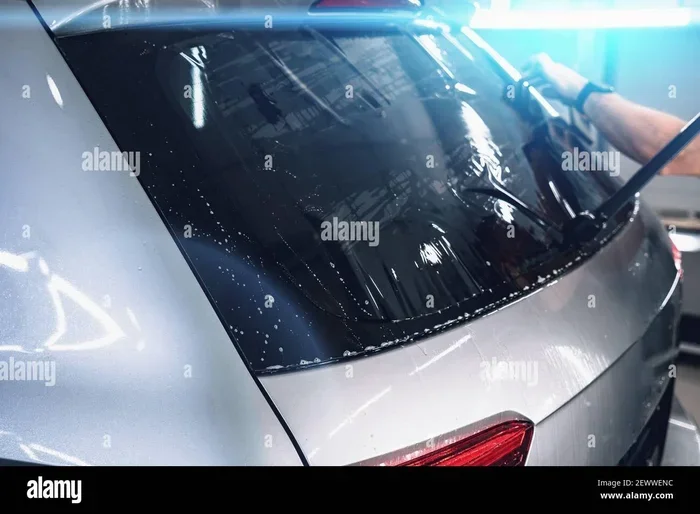
After rinsing, spray your ammonia-free cleaner onto the glass, not directly onto the tint film. Use a soft microfiber cloth to wipe gently in circular motions. Never use paper towels, newspaper, or rough sponges. These materials are too abrasive and will create fine scratches that dull the appearance of your tint over time.
For the best results, use a separate dry microfiber cloth to buff the window dry after cleaning. This prevents water spots and gives your tinted windows a crystal-clear finish.
How Often Should You Clean Tinted Windows?
A good rule of thumb is to clean your tinted windows at least once every two weeks. If you park outside often or live in a dusty area, you might need to clean them more frequently. Regular cleaning prevents buildup that can be harder to remove later and keeps your car tint cleaning routine simple and effective.
Common Mistakes That Damage Your Auto Tint
Even with the best intentions, many car owners accidentally damage their tint through everyday habits. Knowing what to avoid is just as important as knowing what to do. Here are the most common mistakes that shorten the life of your automotive tint care investment.
Using Ammonia-Based Cleaners
This is the number one mistake people make with tinted windows. Ammonia-based glass cleaners like Windex might work great on regular windows, but they are terrible for automotive window film. The ammonia slowly eats away at the tint adhesive, causing it to lift and bubble. If you have been using these cleaners, switch to a safe alternative immediately.
Using Rough or Abrasive Materials
Your window tint film is much more delicate than regular glass. Using rough towels, old rags, or abrasive scrubbers creates micro-scratches that accumulate over time. These scratches not only look bad but can also weaken the film structure. Always stick to soft, lint-free microfiber cloths for any contact with your tinted windows.
Ignoring the Curing Period
One of the biggest mistakes is cleaning your tint too soon after installation. The tint curing process needs time for the adhesive to fully bond with the glass. Cleaning too early can dislodge the film and create tint bubbling or tint peeling. Most professionals recommend waiting at least 7 to 10 days before cleaning your newly tinted windows. During this time, you might notice some cloudiness or small bubbles. This is completely normal and part of the tint drying time.
Rolling Down Windows Too Soon
After installation, keep your windows rolled up for at least 48 hours. Rolling them down too early can put stress on the tint adhesive before it has fully set. This can cause the edges of the film to lift, which leads to moisture getting underneath and eventually causing tint peeling.
Using Sharp Objects Near Windows
It sounds obvious, but many people accidentally scratch their tint with keys, phone cases, or seatbelt buckles. Even small scratches can spread over time and compromise the entire section of film. Be mindful of what comes in contact with your tinted windows, especially when loading items into your car.
Preventing Tint Bubbles and Peeling
Bubbles and peeling are the most common issues with automotive window film. While they can be frustrating, most problems are preventable with the right tint maintenance routine. Understanding what causes these issues is the first step toward preventing them.
Understanding the Curing Process
After installation, your window tint film goes through a curing process. During this time, the adhesive dries and bonds completely to the glass. You might notice small bubbles, a hazy appearance, or moisture trapped under the film. All of this is normal and temporary.
The tint curing process typically takes 3 to 4 weeks depending on weather conditions and the type of film used. During this period, avoid touching, pressing, or cleaning the tinted areas. Let the film do its job and bond properly to the glass.
Here are some tips for the curing period:
- Keep windows rolled up for at least 48 hours
- Avoid direct sunlight on freshly tinted windows when possible
- Do not apply any cleaners or products to the tinted surface
- Be gentle with window controls and avoid pressing on the glass
When Small Bubbles Appear After Curing
Once your tint has fully cured, small bubbles can still appear from time to time. This is usually caused by temperature changes or minor moisture trapped underneath. The good news is that you can often fix these at home without professional help.
For small bubbles, use a soapy water solution and a plastic squeegee. Spray the soapy water onto the bubbled area and gently push the bubble toward the nearest edge using the squeegee. The soap acts as a lubricant and helps the film settle back into place. This simple tint bubble removal technique works for most minor bubbles.
When to Call a Professional
Not all tint problems can be fixed at home. If you notice large bubbles, significant tint peeling, or areas where the film has started to separate from the glass, it is time to call a professional. Trying to fix major issues yourself can make things worse and potentially void your tint warranty care coverage.
A professional can reapply the film or replace damaged sections without causing further harm to your remaining tint. Many installers offer warranty services that cover these issues, especially if the problem was not caused by improper care.
Extending the Life of Your Auto Tint
Proper automotive tint care goes beyond just cleaning. There are everyday habits and seasonal considerations that can significantly extend the life of your window tint film. These tips will help you maximize window tint durability and get the most out of your investment.
Parking Tips for Tint Protection
Where you park your car has a bigger impact on your tint than you might think. Extended exposure to direct sunlight accelerates tint fading and breaks down the adhesive over time. Whenever possible, park in shaded areas or use a sunshade for your windshield.
Here are some parking tips that help protect your heat rejection tint:
- Park in garages or covered areas whenever available
- Use a windshield sunshade to block direct UV rays
- Avoid parking under trees that drop sap or bird droppings
- Turn your steering wheel away from direct sunlight to protect the tint on your front windows
Seasonal Care for Your Tint
Different seasons bring different challenges for your automotive window film. In summer, intense heat and UV exposure are the main concerns. In winter, salt, road grime, and condensation can affect your tint adhesive.
During summer, be extra diligent about cleaning your windows to remove pollen and dust that can trap moisture against the film. In winter, gently remove salt spray and road grime as soon as possible, since these chemicals can degrade the tint adhesive over time.
Interior Accessories That Help
Some interior accessories can actually help protect your tint. Dashboard covers reduce heat buildup that radiates through the windows. Seat covers prevent dyes from transferring onto tinted glass. Even simply keeping your car interior clean reduces the amount of grime that can get onto your car window tinting during daily driving.
Understanding Your Tint Warranty
Most quality automotive window film comes with a manufacturer warranty. Understanding what your warranty covers is an important part of tint warranty care. Many warranties cover bubbling, peeling, and fading but do not cover damage caused by improper cleaning or accidents.
Keep your installation receipt and warranty documentation in a safe place. If you ever notice issues with your tint, check the warranty terms before scheduling any repairs. Following the recommended automotive tint care guidelines is usually required to keep your warranty valid.
Expert Tips for Long-Lasting Auto Tint
We asked several professional tint installers for their top tips on maintaining window tint film. Here is what the experts had to say about keeping your tint in perfect condition for years to come.
Wait for the Right Weather
Professional installers often prefer to tint vehicles in moderate weather conditions. Extreme heat or cold can affect how the tint adhesive bonds to the glass. If you are getting your tint installed, try to schedule it during mild weather and avoid driving your car in extreme temperatures for the first week.
Invest in Quality Film
Not all solar control film is created equal. Higher-quality films from reputable brands tend to have better adhesives and more durable coatings. When choosing your car window tinting, invest in a quality product. The upfront cost is higher, but the window tint durability and reduced maintenance needs make it well worth it.
Schedule Annual Inspections
Just like you take your car in for oil changes, consider having your tinted windows inspected once a year. A professional can spot early signs of tint fading, adhesive breakdown, or edge lifting before they become major problems. Early detection saves you money and keeps your tint looking great.
Be Careful with Aftermarket Accessories
If you use phone mounts, GPS holders, or other accessories on your dashboard or near your windows, be careful about where they sit. These items can press against the tint and cause damage over time. Choose accessories that do not require suction cups on tinted glass, as the suction can pull on the film edges.
Conclusion
How to care for your auto tint does not have to be complicated or time-consuming. With the right products, a few simple habits, and a little attention, you can keep your window tint film looking fantastic for many years to come. The key is prevention and consistency.
Start by waiting the proper curing time after installation. Switch to ammonia-free cleaners and soft microfiber cloths. Avoid common mistakes like using rough materials or cleaning too soon. Park in shaded areas when you can, and address small issues like bubbles before they become big problems.
Your automotive window film protects you from UV rays, keeps your car cooler, and adds value to your vehicle. Taking care of it is one of the easiest ways to protect that investment. Follow the tips in this guide, make tint maintenance part of your regular car care routine, and you will enjoy clear, beautiful tinted windows for a long time to come.
Remember, the effort you put into automotive tint care today pays off tomorrow. Your car will look better, perform better, and your tint will last longer. Start implementing these tips today and see the difference in your car window tinting for yourself.
Frequently Asked Questions
How long should I wait before cleaning my newly installed auto tint?
You should wait at least 7 to 10 days before cleaning your newly installed tint. During this time, the tint adhesive needs to fully cure and bond with the glass. Cleaning too early can cause tint bubbling or tint peeling. If you are unsure, check with your installer for their specific recommendation based on the film type and weather conditions.
Can I use regular glass cleaner on my tinted windows?
No, you should avoid regular glass cleaners that contain ammonia. Ammonia breaks down the tint adhesive and can cause the film to bubble, peel, or fade. Instead, use ammonia-free cleaners or a simple mixture of distilled water and white vinegar. Always check the label of any cleaner before using it on your automotive window film.
What is the best way to remove small bubbles from my auto tint?
For small bubbles, apply a soapy water solution to the affected area and use a plastic squeegee to gently push the bubble toward the nearest edge. The soap acts as a lubricant and helps the film settle back into place. This simple tint bubble removal technique works for most minor bubbles that appear after the tint curing process is complete.
How long does auto tint typically last with proper care?
With proper automotive tint care, quality window tint film can last anywhere from 5 to 10 years or even longer. The lifespan depends on the type of film, the quality of installation, and how well you maintain it. Regular cleaning, avoiding harsh chemicals, and protecting your tint from excessive sun exposure all contribute to longer window tint durability.
Does parking in the shade really help my auto tint last longer?
Yes, parking in shaded areas significantly extends the life of your automotive window film. Prolonged exposure to direct sunlight accelerates tint fading and breaks down the adhesive over time. Using a windshield sunshade and seeking covered parking whenever possible are simple habits that protect your heat rejection tint and keep it looking new.
Can I fix tint peeling on my own?
Small areas of tint peeling can sometimes be temporarily managed with tint repair kits, but these are not permanent solutions. For significant peeling or bubbling, it is best to consult a professional. Attempting major repairs yourself can cause further damage and may void your tint warranty care coverage. A professional can reapply or replace damaged sections safely and effectively.
=== CONCLUSION ===
How to care for your auto tint comes down to a few simple habits done consistently. Use the right cleaners, avoid harsh materials, and give your tint time to cure after installation. With these practices, your car window tinting will stay in excellent condition for years. Start today and enjoy the benefits of well-maintained tinted windows every time you drive.