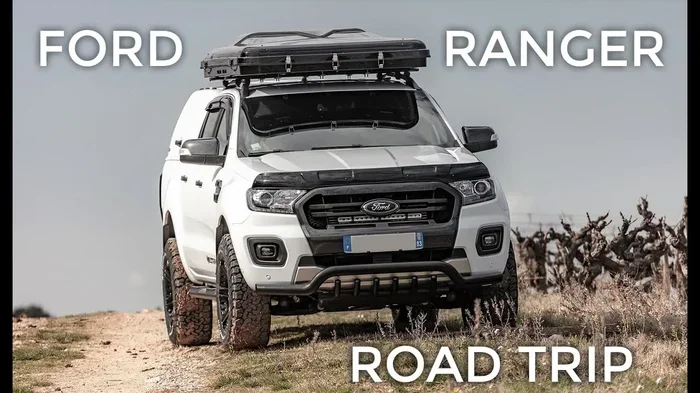
How Many Miles Will a Ford Ranger Last on the Road
The Ford Ranger is a dependable midsize truck that can easily surpass 200,000 miles with proper care. Many owners report their Rangers lasting well beyond 300,000 miles when they follow a solid maintenance schedule. Engine type, driving habits, and regular upkeep all play a big role in how long your Ranger will serve you.
The Ford Ranger has been a staple in the American truck market for decades. Whether you use it for work, towing, or weekend adventures, one question always comes up: how many miles will a Ford Ranger last? The answer is more encouraging than most people expect. With the right care and a little luck, this midsize truck can stick around for a very long time.
Many drivers assume that once a truck hits the 200,000-mile mark, it is on its way out. That is simply not true for the Ranger. The Ford Ranger has a strong reputation for reliability, and countless owners have pushed their trucks well past the 300,000-mile threshold. What makes the difference? It comes down to a few key factors that we will break down in this article.
If you are considering buying a used Ford Ranger or already own one, understanding what affects its lifespan can save you money and headaches. Let us dive into everything you need to know about the Ford Ranger lifespan and what you can do to maximize it.
Key Takeaways
- Average Lifespan: A well-maintained Ford Ranger typically lasts between 200,000 and 300,000 miles.
- Engine Matters: The 2.3L EcoBoost and 3.3L V6 engines are known for strong longevity compared to older 4-cylinder models.
- Maintenance Is Key: Regular oil changes, brake inspections, and transmission fluid swaps dramatically extend Ranger life.
- Body Style Impacts Durability: The extended cab and supercab configurations offer different long-term wear patterns.
- Driving Habits Count: Highway driving and gentle acceleration help a Ford Ranger reach higher mileage milestones.
- Resale Value Holds Strong: Rangers with 150,000+ miles still command good prices due to their reputation for durability.
📑 Table of Contents
- Understanding Ford Ranger Mileage and Lifespan
- Factors That Determine How Long a Ford Ranger Lasts
- Ford Ranger Model Years and Their Reliability
- Common Ford Ranger Problems That Affect Mileage
- How to Maximize Your Ford Ranger’s Lifespan
- Ford Ranger Resale Value at High Mileage
- Expert Tips for Buying a High-Mileage Ford Ranger
- Conclusion
Understanding Ford Ranger Mileage and Lifespan
When we talk about how many miles a Ford Ranger will last, we are really asking about its overall lifespan. The average Ford Ranger can handle between 200,000 and 300,000 miles before major mechanical issues start to pile up. Some Rangers even reach 400,000 miles, though these are less common and usually belong to owners who religiously follow maintenance schedules.
The Ford Ranger mileage expectations have improved significantly over the years. Older models from the 1990s and early 2000s were simpler machines, but they lacked the advanced engineering of newer versions. Modern Rangers benefit from better materials, improved fuel injection systems, and more durable engine components. This means a 2019 or 2020 Ford Ranger has a much better chance of reaching high mileage than a model from 2005.
What the Data Tells Us
Real-world data from Ford Ranger owners shows a clear pattern. Most Rangers that reach 250,000 miles have had consistent oil changes, timely brake replacements, and regular transmission service. The ones that break down early usually suffered from neglect. The data also shows that highway-driven Rangers tend to outlast those used primarily for short city trips. This is because highway driving keeps the engine at a steady operating temperature and reduces wear on components like the transmission and brakes.
How Does the Ford Ranger Compare to Other Midsize Trucks?
When you compare the Ford Ranger lifespan to competitors, it holds its own quite well. The Toyota Tacoma is often considered the gold standard for midsize truck longevity, and the Ranger comes close. The Tacoma averages around 250,000 to 350,000 miles, while the Ranger sits comfortably in the 200,000 to 300,000 range. Both trucks reward owners who keep up with maintenance. If you are curious about how other trucks measure up, check out how many man hours it takes to build a car to understand the level of craftsmanship that goes into vehicles like the Ranger.
Factors That Determine How Long a Ford Ranger Lasts
Not every Ford Ranger will hit the same mileage. Several factors influence how long your specific truck will last. Understanding these can help you make smarter decisions about maintenance and driving habits.
Engine Type and Configuration
The engine under your hood plays a huge role in Ford Ranger longevity. The 2.3L EcoBoost four-cylinder engine, introduced in the 2019 Ranger, has proven to be a strong and reliable powerplant. It delivers good fuel economy and produces enough torque for most driving needs. The 3.3L V6 engine, available in newer models, offers even more durability due to its simpler design and fewer stress points.
Older Rangers came with 2.5L and 3.0L engines that were also dependable but lacked the advanced features of modern powerplants. If you are shopping for a used Ranger, look for models with the 2.3L EcoBoost or 3.3L V6 for the best long-term outlook.
Driving Habits and Usage
How you drive your Ranger directly affects its lifespan. Aggressive acceleration, hard braking, and constant towing put extra stress on the engine, transmission, and suspension components. A Ranger driven gently on highways will easily outlast one used for stop-and-go city traffic and heavy towing.
That does not mean you cannot use your Ranger for work or towing. Just be aware that heavy use means more frequent maintenance. If you regularly tow a trailer, you should check your transmission fluid more often and consider upgrading your cooling system. For comparison, the towing capability of trucks like the Tacoma varies by engine, and similar principles apply to the Ranger.
Maintenance Schedule and Upkeep
This is the single biggest factor in how long a Ford Ranger lasts. A Ranger that gets regular oil changes every 5,000 to 7,500 miles, fresh brake pads when needed, and timely transmission service will run for hundreds of thousands of miles. Skipping maintenance is the fastest way to shorten your Ranger’s life.
Here is a simple maintenance checklist for Ranger owners:
- Change the oil and filter every 5,000 to 7,500 miles
- Replace brake pads every 30,000 to 50,000 miles
- Swap transmission fluid every 60,000 to 100,000 miles
- Rotate tires every 5,000 to 7,500 miles
- Replace the timing belt at 100,000 miles
- Flush the coolant system every 30,000 miles
- Check and replace spark plugs every 30,000 miles
Ford Ranger Model Years and Their Reliability
Not all Ford Ranger model years are created equal. Some generations have better track records than others, and knowing which years to trust can help you buy smarter.
The Best Years for Longevity
The 2019 and newer Ford Rangers are widely regarded as the most reliable in the modern lineup. They come with the 2.3L EcoBoost engine and feature updated suspension and braking systems. Owners of these models report few major issues and smooth performance even at high mileage. The 2011 to 2014 Rangers are also solid choices, though they use the older 3.7L V6 engine, which is known for durability.
Years to Approach With Caution
Some Ranger model years have more reported problems than others. The 2015 and 2016 models had some issues with the transmission and electrical components. While not all Rangers from these years are problematic, buyers should request full vehicle history reports and pre-purchase inspections. If you are shopping for a used Ranger, spending a little extra on a vehicle inspection can save thousands in repairs down the road.
Common Ford Ranger Problems That Affect Mileage
Even the best-built trucks develop issues over time. Knowing what to watch for can help you address problems before they become serious and shorten your Ranger’s life.
Transmission Issues
The 10-speed automatic transmission in newer Rangers is generally reliable, but some owners have reported rough shifting and delayed engagement after 100,000 miles. Regular transmission fluid changes are the best prevention. If you notice any slipping or hesitation, get it checked immediately. Ignoring transmission problems is one of the fastest ways to end up with a very expensive repair bill.
Suspension Wear
The Ford Ranger is a workhorse, and its suspension takes a beating over time. Ball joints, tie rod ends, and control arm bushings are common wear items that need replacement as the truck accumulates miles. A Ranger with a well-maintained suspension will handle better and last longer than one with neglected components. If you are curious about how truck dimensions affect ride quality, you might find it interesting to learn about how long an extended cab truck is and how that impacts cabin space and suspension geometry.
Rust and Body Corrosion
Rust is the silent killer of many trucks. Rangers driven in northern states where road salt is common are more susceptible to body corrosion. Regular washing, especially under the wheel wells and frame, can help prevent rust from taking hold. Applying a rust inhibitor or undercoating early in the truck’s life is also a smart move.
How to Maximize Your Ford Ranger’s Lifespan
Want your Ford Ranger to keep running strong for 300,000 miles or more? Follow these practical tips from long-time Ranger owners and mechanics.
Stick to the Maintenance Schedule
This cannot be overstated. Ford provides a detailed maintenance schedule in the owner’s manual. Follow it to the letter. Do not skip oil changes, ignore warning lights, or postpone recommended services. The cost of routine maintenance is tiny compared to the cost of major repairs.
Drive With Care
Warm up your engine gently in cold weather and avoid redlining the RPMs during the first few minutes of driving. Once the engine reaches operating temperature, you can drive normally. Avoid overloading the truck beyond its rated capacity, as this puts unnecessary stress on the engine, transmission, and suspension.
Address Problems Early
Do not ignore strange noises, warning lights, or changes in performance. A small problem today can become a big repair tomorrow. If your Ranger starts making unusual sounds or the check engine light comes on, get it diagnosed quickly. Early intervention is always cheaper than waiting until a minor issue becomes a major failure.
Keep It Clean
A clean truck is a healthy truck. Regular washing removes salt, dirt, and debris that can cause corrosion and wear. Pay special attention to the undercarriage, especially during winter months. A clean interior also helps you spot leaks, unusual wear, and other issues early.
Consider Your Truck Bed and Configuration
The Ranger comes in different body styles, including regular cab, supercab, and supercrew configurations. The truck bed size also varies, with some models offering a 5-foot bed and others a 6.5-foot bed. The 6.5-foot truck bed configuration is popular for owners who need more cargo space. Your choice of body style can affect weight distribution and long-term wear patterns, so pick one that matches your actual needs rather than wants.
Ford Ranger Resale Value at High Mileage
One of the great things about the Ford Ranger is that it holds its value well, even at high mileage. A Ranger with 150,000 to 200,000 miles still commands a strong resale price because of its reputation for durability. Buyers in the used truck market recognize that a well-maintained Ranger can go the distance.
Compared to competitors, the Ranger holds up nicely. Its resale value at the 100,000-mile mark is competitive with the Toyota Tacoma and Chevrolet Colorado. The key to maximizing resale value is keeping detailed service records and addressing any issues before selling. A Ranger with a clean history report and documented maintenance will always fetch a higher price than one with unknown past.
If you are thinking about selling your high-mileage Ranger, make sure to highlight any recent services, new tires, or major repairs. Transparency builds buyer confidence and helps you get the best possible price. For those considering other truck options, it is worth noting that capabilities like towing vary widely, and you can explore what a Toyota Tacoma with a 6-cylinder engine can tow to compare real-world utility.
Expert Tips for Buying a High-Mileage Ford Ranger
If you are in the market for a used Ford Ranger with significant mileage, here are some expert tips to help you make a smart purchase.
First, always get a pre-purchase inspection from a trusted mechanic. They can spot hidden issues that a visual inspection might miss. Second, request a full vehicle history report through services like Carfax or AutoCheck. Look for signs of regular oil changes, accident-free history, and consistent ownership. Third, test drive the truck thoroughly. Listen for unusual sounds in the engine, transmission, and suspension. Pay attention to how the truck handles on both highways and city streets.
Fourth, check the truck bed and cab configuration. The extended cab Ranger offers more seating and cargo versatility than the regular cab, which can be a deciding factor for families or contractors. Finally, compare the price with similar listings in your area. Overpriced high-mileage Rangers are common, so do your research and negotiate confidently.
Conclusion
The Ford Ranger is a truck built to last. With an average lifespan of 200,000 to 300,000 miles, it proves that you do not need a massive full-size truck to get years of reliable service. The key to unlocking that mileage lies in regular maintenance, sensible driving habits, and addressing issues before they snowball.
Whether you are buying a new Ranger or shopping for a used one, understanding what affects its longevity puts you in a strong position. Choose the right engine, follow the maintenance schedule, and treat your truck with respect. The Ford Ranger will reward you with countless miles of dependable service. So how many miles will a Ford Ranger last? The answer is in your hands.
Take the time to care for your truck, and it will take care of you for years to come. The Ford Ranger is more than just a vehicle. It is a long-term partner in your daily life and adventures.
Frequently Asked Questions
How many miles can a Ford Ranger last with regular maintenance?
With consistent maintenance and careful driving, a Ford Ranger can easily last between 250,000 and 300,000 miles. Some well-cared-for Rangers even reach 400,000 miles. The key is never skipping oil changes, transmission service, and brake inspections.
What is the most reliable Ford Ranger engine for high mileage?
The 2.3L EcoBoost four-cylinder and the 3.3L V6 are the most reliable engines for high mileage. They are built with modern materials and engineering that withstand long-term use better than older engine designs. Both engines have proven track records in the Ranger lineup.
Does towing shorten a Ford Ranger’s lifespan?
Heavy towing does put extra stress on the engine, transmission, and suspension, which can shorten the overall lifespan if not managed properly. Regular towing requires more frequent maintenance, including transmission fluid changes and cooling system checks. However, light to moderate towing should not significantly reduce a Ranger’s longevity.
At what mileage do Ford Rangers start having problems?
Most Ford Rangers begin showing minor issues around the 150,000-mile mark. Common problems include suspension wear, transmission hesitation, and minor electrical gremlins. These issues are manageable and inexpensive to fix when caught early. Regular maintenance helps push major problems well past the 200,000-mile threshold.
Is a Ford Ranger a good daily driver for long commutes?
Yes, the Ford Ranger makes an excellent daily driver for long commutes. Its fuel-efficient EcoBoost engine delivers good mileage, and the ride quality is comfortable for extended driving. Just make sure to stay on top of oil changes and tire rotations, as high-mileage daily driving demands consistent upkeep.
How does the Ford Ranger’s lifespan compare to the Toyota Tacoma?
The Toyota Tacoma has a slight edge in longevity, with many models reaching 350,000 miles or more. The Ford Ranger typically lasts between 200,000 and 300,000 miles. Both trucks reward owners who follow maintenance schedules. The Ranger offers strong value and reliability that rivals the Tacoma in many areas.