How to Modify a Car to Make It Faster and More Powerful
Modifying your car to go faster is one of the most exciting upgrades you can make. Whether you want more horsepower, better throttle response, or improved handling, the right modifications can transform your driving experience. This guide covers engine upgrades, exhaust systems, ECU tuning, and more to help you build a faster, more powerful car safely.
There is something undeniably thrilling about making a car faster. Whether you drive a daily commuter or a weekend project car, the desire to squeeze out more power is universal. How to modify a car to make it faster is a question every car enthusiast asks at some point. The good news is that you do not need to be a professional mechanic to get started. With the right knowledge and a bit of patience, you can significantly boost your car’s performance.
Performance upgrades come in many forms. Some focus on the engine, while others improve how the car handles or weighs less. Each modification plays a role in making your vehicle faster and more responsive. This guide walks you through the most effective ways to modify your car for speed and power. You will learn about engine upgrades, exhaust systems, tuning, and much more. Let us dive in.
Key Takeaways
- Engine upgrades like turbochargers and superchargers deliver serious horsepower gains.
- Cold air intake and exhaust upgrades improve airflow and engine breathing.
- ECU remapping and performance chips unlock hidden power from your engine.
- Suspension and tire upgrades help you handle all that extra speed safely.
- Weight reduction is one of the simplest and most effective ways to improve performance.
- Always prioritize safety and consider professional installation for complex mods.
📑 Table of Contents
Understanding What Makes a Car Faster
Before you start buying parts, it helps to understand the basics of car performance. A car’s speed comes down to three main factors: power, weight, and aerodynamics. More power means your engine can push the car harder. Less weight means the engine does not have to work as hard. Better aerodynamics reduce drag and let the car move through air more efficiently.
When people ask how to modify a car to make it faster, they are usually focused on power. But ignoring weight and handling can hold you back. A well-rounded approach gives you the best results. Think of it like building a team. Every part works together to make the car quicker.
Power-to-Weight Ratio Matters
The power-to-weight ratio is a key concept in car performance. It compares how much power your engine makes relative to the car’s weight. A lighter car with the same engine will always feel faster than a heavier one. This is why many builders focus on both adding power and reducing weight at the same time.
For example, a car that weighs 3,000 pounds and makes 300 horsepower has a ratio of 10 pounds per horsepower. Drop the weight to 2,500 pounds, and that ratio improves to 8.3 pounds per horsepower. That is a noticeable difference on the road or track.
Engine Modifications for More Power
The engine is the heart of your car. Upgrading it is the most direct way to increase speed and horsepower boost. There are many engine modifications to choose from, ranging from simple bolt-on parts to full engine swaps. Here are the most popular options.
Install a Turbocharger or Supercharger
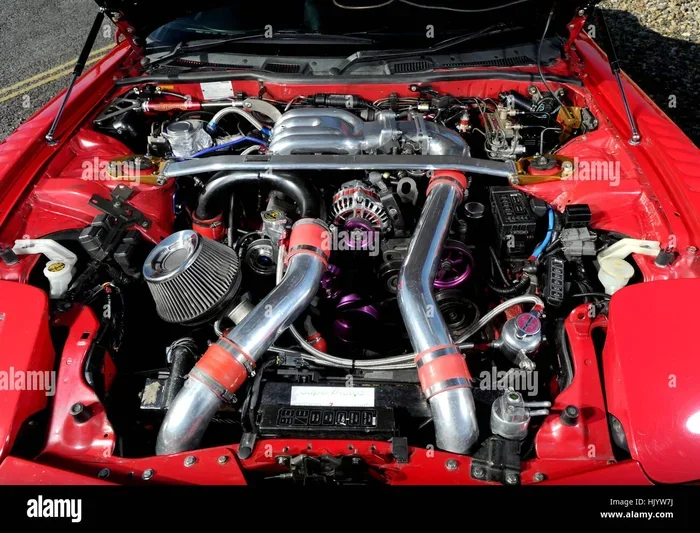
A turbocharger or supercharger forces more air into the engine. More air allows the engine to burn more fuel, which creates more power. This is one of the biggest performance upgrades you can make. Turbochargers use exhaust gases to spin a compressor. Superchargers are driven directly by the engine’s crankshaft.
Turbochargers are more efficient because they reuse energy that would otherwise be wasted. Superchargers provide instant power without the delay known as turbo lag. Both options can double or even triple your car’s horsepower depending on the setup.
Keep in mind that adding a forced induction system requires supporting modifications. You will need stronger fuel injectors, an upgraded cooling system, and proper tuning. Engine tuning is essential to make sure everything works safely together.
Upgrade the Camshafts
The camshaft controls when the engine’s valves open and close. Upgrading to a performance camshaft changes the engine’s timing to allow more air and fuel in. This is a popular choice among those looking for a horsepower increase without going turbo or supercharged.
Performance camshafts are relatively affordable and can make a big difference. They work best when paired with other intake and exhaust upgrades. A cam swap is a great step for someone looking to improve daily drivability while gaining some extra power.
Upgrade the Intake Manifold
The intake manifold distributes air to each cylinder. A performance intake manifold improves airflow and helps the engine breathe better. This is a less dramatic upgrade, but it contributes to overall gains in engine performance.
Some intake manifolds are designed specifically for certain engines. Choosing one that matches your engine’s specifications ensures the best results. This is a great supporting modification when combined with other upgrades like a cold air intake or headers.
Exhaust and Air Intake Upgrades
An engine is essentially an air pump. The more efficiently it takes in air and pushes out exhaust, the more power it makes. Upgrading your exhaust and air intake systems is one of the simplest and most effective ways to modify a car for speed.
Cold Air Intake Systems
A cold air intake replaces the factory airbox and filter. It draws in cooler, denser air from outside the engine bay. Cooler air contains more oxygen, which helps the engine burn fuel more efficiently. The result is a noticeable improvement in throttle response and a modest power gain.
Cold air intakes are one of the first upgrades most enthusiasts install. They are affordable, easy to fit, and give the engine a more aggressive sound. Most kits can be installed in under an hour with basic tools. Look for kits from reputable brands that are designed for your specific car model.
Performance Exhaust Systems
A cat-back exhaust replaces the factory exhaust system from the catalytic converter back. It uses larger diameter pipes and less restrictive mufflers to let exhaust gases flow out more freely. This reduces back pressure and helps the engine breathe better.
Performance exhausts offer a deep, sporty sound along with real performance gains. They are available in stainless steel, titanium, and aluminized steel. Stainless steel lasts the longest but costs more. A good exhaust system can add 5 to 15 horsepower depending on your car and engine size.
Headers and Downpipes
Headers replace the factory exhaust manifold. They are designed with equal-length pipes to ensure each cylinder exhausts evenly. This improves scavenging and reduces back pressure significantly. Headers and downpipes are among the most effective exhaust upgrades you can make.
For turbocharged cars, a downpipe upgrade is especially important. The downpipe connects the turbo to the rest of the exhaust system. A larger, less restrictive downpipe helps the turbo spool faster and reduces heat buildup. This leads to better performance and improved throttle response.
ECU Tuning and Performance Chips
The engine control unit, or ECU, is the brain of your car. It controls fuel delivery, ignition timing, boost pressure, and other critical functions. ECU remapping and performance chips are some of the most powerful ways to unlock hidden potential in your engine.
What Is ECU Remapping?
ECU remapping involves modifying the software that controls your engine. A professional tuner adjusts parameters like fuel injection timing, boost pressure, and rev limits. The result is a custom tune that maximizes your car’s performance based on the modifications you have installed.
A good remap can add 10 to 30 percent more power from your engine. It is especially effective after you have made hardware upgrades like a turbo or intake. The ECU needs to be recalibrated to take full advantage of the new parts.
Performance Chips vs. Plug-and-Play Tuners
Performance chips are older devices that replace or supplement the factory ECU. They are still available but have largely been replaced by modern plug-and-play tuners. Devices like the HP Tuner or MaxxECU connect to your car’s OBD-II port and allow you to upload custom tunes.
Plug-and-play tuners are more flexible and easier to use. You can switch between different tunes depending on your needs. A street tune gives you better daily driving performance, while a race tune maximizes power for track days.
Risks of ECU Tuning
While ECU tuning is powerful, it does come with risks. A poorly tuned engine can run too lean, which causes overheating and potential engine damage. Always work with a reputable tuner who understands your specific engine and modifications. Engine tuning should never be done blindly or with generic maps.
It is also important to use quality fuel and maintain your engine properly when running a tuned setup. Performance chips and remaps put extra stress on internal components, so regular oil changes and inspections become even more important.
Suspension and Handling Improvements
Making a car faster means nothing if you cannot control it. Suspension upgrades improve handling, stability, and cornering speed. They are just as important as engine upgrades when it comes to overall performance.
Coilovers and Shock Absorbers
Coilovers replace your factory shock absorbers and springs with adjustable units. They allow you to lower the car’s center of gravity and fine-tune the ride stiffness. A lower car reduces body roll during cornering, which helps the car stay flat and stable at high speeds.
Quality coilovers are adjustable for both compression and rebound damping. This means you can tailor the setup to your driving style and conditions. For street driving, a slightly stiffer setting works well. For track days, you may want to dial it in even firmer.
Anti-Roll Bars and Strut Bars
Anti-roll bars reduce body roll during turns. They connect the left and right sides of the suspension and transfer force between them. A stiffer anti-roll bar means less lean and more precise handling.
Strut bars reinforce the engine bay and reduce chassis flex. They are especially useful in cars with unibody construction. A stiffer chassis responds more predictably and feels more connected during aggressive driving. These are relatively inexpensive upgrades that make a noticeable difference.
Upgraded Tires and Wheels
Your car is only as fast as its grip allows it to be. Upgraded performance tires provide more traction, which translates to faster acceleration, better braking, and improved cornering speeds. Summer and track-focused tires offer the best grip but may not be suitable for daily driving in cold weather.
Lighter wheels also help performance. Heavy wheels increase unsprung weight, which hurts acceleration, braking, and ride quality. Switching to lightweight alloy or forged wheels reduces rotational mass and improves throttle response. Look for wheels that balance weight savings with strength and durability.
Weight Reduction Strategies
Reducing weight is one of the simplest and most cost-effective ways to make a car faster. Every pound you remove improves the power-to-weight ratio. This means the engine can accelerate the car more easily without any additional horsepower.
Remove Unnecessary Items
Start by removing items from your car that you do not need. Spare tires, heavy sound systems, rear seats, and trunk clutter all add weight. Many enthusiasts remove the spare tire and replace it with a tire repair kit, saving several pounds right away.
While this may seem minor, every bit helps. A lighter car accelerates faster, brakes better, and handles more responsively. It is one of the first steps anyone should take when looking to modify a car to make it faster.
Lightweight Replacement Parts
For more significant weight savings, consider replacing heavy factory parts with lighter alternatives. Carbon fiber hoods, aluminum radiators, and titanium exhaust systems are popular choices. These parts can save dozens of pounds while also improving aesthetics and performance.
Weight reduction seats are another excellent option. They are lighter than factory seats and often provide better lateral support during spirited driving. Weight reduction is a mod that benefits every aspect of your car’s performance, from acceleration to fuel efficiency.
Common Mistakes to Avoid
Modifying a car for speed is exciting, but it is easy to make mistakes. Here are some common pitfalls to watch out for.
- Skipping supporting mods. Adding a turbo without upgrading fuel injectors or cooling systems can damage your engine.
- Ignoring tuning. Hardware upgrades without proper ECU tuning waste potential and can cause reliability issues.
- Overlooking maintenance. Performance modifications put extra stress on parts. Regular maintenance becomes even more critical.
- Buying cheap parts. Low-quality components fail sooner and may compromise safety. Invest in reputable brands.
- Neglecting handling. More power means nothing if the car cannot handle it. Always upgrade suspension and tires alongside engine mods.
Avoiding these mistakes will save you money, time, and frustration. A thoughtful, planned approach to car performance upgrades delivers the best long-term results.
Expert Tips for Maximum Performance
Experienced builders know that small details make a big difference. Here are some expert tips to help you get the most out of your modifications.
- Start with a strong foundation. Make sure your engine, transmission, and drivetrain are in good mechanical condition before adding power.
- Upgrade in stages. Do not try to do everything at once. Each stage builds on the last and allows you to tune and test properly.
- Monitor your temperatures. Increased power generates more heat. Install an oil temperature gauge and watch your coolant temps closely.
- Use quality fuel. Higher-octane fuel resists detonation and allows for more aggressive timing and boost levels.
- Log your data. Use a wideband O2 sensor and data logging tool to monitor air-fuel ratios and ensure your engine is running safely.
These tips may seem basic, but they are the foundation of successful engine tuning and modification. Following them keeps your car reliable and performing at its best.
Conclusion
Learning how to modify a car to make it faster is a rewarding journey. From engine upgrades and exhaust systems to ECU tuning and weight reduction, every modification brings you closer to the car of your dreams. The key is to plan your upgrades carefully, prioritize supporting modifications, and never skip proper tuning.
Start with the basics like a cold air intake and performance exhaust, then work your way up to more advanced mods like turbochargers and ECU remaps. Each step builds on the last, creating a compounding effect that transforms your driving experience. Remember that speed is not just about raw power. Handling, braking, and weight all play a role in making a car truly fast.
Take your time, do your research, and enjoy the process. The best performance upgrades are the ones that make your car faster, safer, and more fun to drive. Now get out there and start building your dream machine.
Frequently Asked Questions
What is the easiest modification to make a car faster?
A cold air intake is the easiest and most affordable modification. It improves airflow to the engine and provides a noticeable increase in throttle response. Most kits can be installed in under an hour with basic tools.
How much horsepower can I gain from ECU tuning?
ECU tuning can add 10 to 30 percent more horsepower depending on your engine and existing modifications. The exact gain varies based on the car model, current setup, and the quality of the tune. Always work with a reputable tuner for the best results.
Is it safe to modify a car for more speed?
Yes, as long as you plan your upgrades carefully and follow proper installation and tuning procedures. Skipping supporting modifications or proper tuning can cause engine damage. Always prioritize quality parts and professional installation for complex upgrades.
Do I need to upgrade my transmission for more power?
If you are making significant horsepower gains, upgrading the transmission is a smart move. Stock transmissions may not handle the extra torque and can fail under heavy load. Consider an upgraded clutch, torque converter, or transmission swap for high-power builds.
How much does it cost to modify a car for speed?
The cost varies widely depending on the modifications you choose. Simple upgrades like a cold air intake and exhaust can cost a few hundred dollars. More advanced mods like a turbo kit and ECU tune can cost several thousand. Set a budget and prioritize upgrades based on your goals.
Can I modify a daily driver for better performance?
Absolutely. Many enthusiasts build their daily drivers for improved performance. Start with mods that improve drivability like a cold air intake and ECU tune. As long as you balance performance with reliability and comfort, a daily driver can be a great platform for speed upgrades.