How Do I Turn Off Auto Start on My Car Step by Step
Turning off auto start on your car is simpler than most people think. Whether you want to save fuel, reduce engine wear, or just prefer a quieter ride, disabling the auto start system is a straightforward process. This guide walks you through every method step by step, so you can take control of your vehicle’s engine behavior today.
Have you ever sat in your car on a cold morning and wondered why the engine keeps turning on by itself? Or maybe you just hate the idea of your car starting without you asking it to. Whatever the reason, learning how to turn off auto start on your car is a skill every driver should have. The auto start system, also known as the start-stop system, is designed to save fuel and reduce emissions. But not everyone loves it. Some drivers find it annoying, and others worry about extra wear on the engine. This guide will show you exactly how to disable it, no matter what kind of car you drive.
The good news is that turning off auto start is not complicated. Most modern vehicles come with a simple button or menu option that lets you shut the feature down. A few older models might need a slightly different approach, but the steps are still easy to follow. In this article, we will cover every method, every tip, and every thing you need to know. By the end, you will feel confident making the change yourself. Let us get started.
Key Takeaways
- Locate the auto start button: Most vehicles have a dedicated button or switch near the dashboard or steering column.
- Check your owner’s manual: The manual provides model-specific instructions for disabling auto start.
- Use the ignition or key fob method: Some cars let you turn off auto start through the settings menu or key fob controls.
- Reset the system after changes: Always restart your vehicle to confirm the auto start feature has been disabled.
- Avoid common mistakes: Don’t confuse the auto start button with other dashboard controls, and never bypass safety features.
- Know when to seek help: If the feature won’t turn off, a mechanic or dealership can assist with diagnostics.
📑 Table of Contents
- What Is the Auto Start System in Your Car?
- How Do I Turn Off Auto Start on My Car Step by Step
- Why You Should Consider Turning Off Auto Start
- Common Mistakes When Turning Off Auto Start
- How to Know If Auto Start Is Successfully Turned Off
- Does Turning Off Auto Start Affect Fuel Economy?
- When to Seek Professional Help
- Key Takeaways
- Final Thoughts
What Is the Auto Start System in Your Car?
Before we dive into the steps, let us talk about what the auto start system actually does. The auto start system, sometimes called the start-stop technology, shuts off your engine when you stop at a red light or in traffic. When you take your foot off the brake, the engine turns back on automatically. The goal is to save fuel and cut down on exhaust emissions. Many new cars come with this feature turned on by default.
However, there are situations where you might want to turn it off. For example, if you are in heavy traffic on a hot day, the constant starting and stopping can wear on the starter motor. Some drivers also find the brief pauses annoying, especially when the engine restarts every few seconds. Understanding how the system works helps you appreciate why turning it off is so simple. The manufacturers built these systems with driver control in mind.
How Do I Turn Off Auto Start on My Car Step by Step
Now let us get into the meat of the guide. There are several ways to turn off auto start, and the method you use depends on your car model and year. Below, we cover the most common approaches. Follow the one that matches your vehicle.
Method 1: Press the Auto Start Button
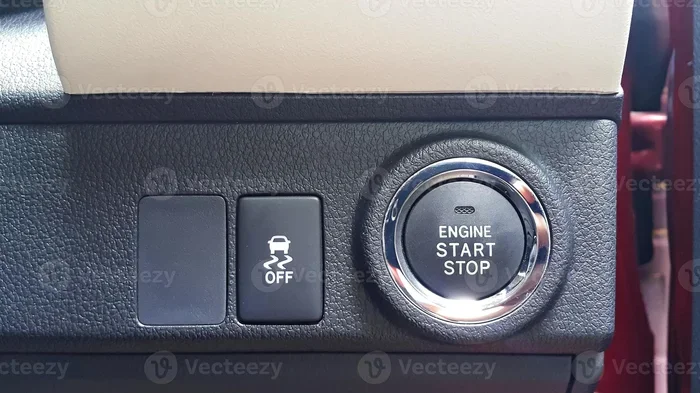
The easiest way to turn off auto start is by pressing a dedicated button. Most cars with this feature have a button labeled “Auto Start,” “Start/Stop,” or something similar. You can usually find it near the dashboard, on the steering wheel, or on the center console.
Here is how to do it:
- Start your car and let the engine run for a few seconds.
- Look for the auto start button on the dashboard or steering column.
- Press the button once. You should see a light turn on or off.
- The indicator light will tell you whether the feature is active or disabled.
When the light is off, the auto start system is disabled. Your engine will now keep running even when you stop at a light. This method works on most vehicles made after 2010. If you are not sure where the button is, check your owner’s manual for the exact location.
Quick Tip
Some cars remember your last setting, so the auto start stays off even after you turn the engine off and back on. Other cars reset to “on” every time you start the vehicle. Knowing which one you have helps set the right expectation.
Method 2: Use the Infotainment Settings Menu
Many newer vehicles let you control the auto start system through the infotainment screen. This method is common in cars from brands like Toyota, Ford, Chevrolet, and Honda. The steps vary slightly from model to model, but the general process is the same.
Here is what to do:
- Start the car and press the menu or settings button on the touchscreen.
- Navigate to “Vehicle Settings” or “Car Settings.”
- Look for “Engine Start/Stop” or “Auto Start” in the list.
- Toggle the switch to “Off.”
- Exit the menu and restart the car to confirm the change.
This method gives you more control because you can often set it to turn off permanently or only for certain driving conditions. If you cannot find the option, try searching for “start stop” in the settings search bar. Most modern infotainment systems have a search function built in.
Method 3: Use the Key Fob Controls
Some vehicles with push-button start let you manage the auto start system using the key fob. This is especially common in luxury vehicles from brands like BMW, Mercedes-Benz, and Lexus.
Here is how it works:
- Make sure the car is parked and the engine is off.
- Press and hold the lock button on the key fob for about three seconds.
- Look for a specific sequence of flashes or beeps that confirms the auto start is off.
- Some models require you to press a combination of buttons on the fob. Check your manual for the exact sequence.
This method is handy because it lets you control the auto start system even before you get inside the car. It is also useful if you share your vehicle with someone else and want to keep the feature off by default.
Why You Should Consider Turning Off Auto Start
You might be wondering if it is really worth turning off the auto start system. After all, it is supposed to save fuel, right? The answer is yes, but there are trade-offs. Let us look at the reasons why many drivers choose to disable it.
Reduced Wear on the Starter Motor
The auto start system engages the starter motor every time you come to a stop. In heavy traffic, this can happen dozens of times during a single commute. Over time, this extra use can wear out the starter motor faster than normal. Turning off auto start reduces that wear and can save you money on repairs down the road.
Better Engine Warm-Up in Cold Weather
In cold climates, the auto start system can interrupt the engine warm-up process. When the engine shuts off at a red light, it loses heat quickly. Restarting it puts extra strain on a cold engine. Disabling auto start lets your engine warm up steadily, which is better for long-term engine health.
Less Noise and Vibration
Let us be honest. The repeated starting and stopping can be annoying. It creates noise and a slight vibration each time the engine kicks back on. If you value a smooth, quiet ride, turning off auto start makes a noticeable difference. You will enjoy your drive more without the constant engine restarts.
Battery Life Considerations
The auto start system puts extra demand on your car battery. Each restart draws power, and in stop-and-go traffic, the battery has less time to recharge between stops. If you already have an older battery, disabling auto start can help extend its life. You might even notice your battery lasting longer after making the change.
Expert Insight
According to automotive engineers, the auto start system is designed for vehicles that sit in traffic for long periods. If your daily commute involves heavy congestion, the fuel savings can be real. But for short trips or highway driving, the feature offers little benefit and can cause more wear than it saves. Always consider your driving habits before deciding whether to keep or disable the system.
Common Mistakes When Turning Off Auto Start
Even though the process is simple, people make mistakes. Here are the most common ones to avoid.
Confusing the Auto Start Button with Other Buttons
Many cars have buttons that look similar. The auto start button might be next to the traction control button or the fog light switch. Always double-check the label on the button before pressing it. If you are unsure, refer to your owner’s manual or look up the button layout online for your specific model.
Forgetting to Restart the Vehicle
Some cars require a full restart for the changes to take effect. If you press the button but do not restart the engine, the auto start system might still be active. Always turn the car off and back on after making any changes to the settings.
Ignoring the Indicator Light
Every auto start system has an indicator light that shows whether the feature is on or off. If you do not pay attention to this light, you might think you turned the feature off when you actually did not. Look for the light on the dashboard after you press the button or change the settings.
Trying to Bypass the System with DIY Fixes
Some drivers try to bypass the auto start system by pulling fuses or disconnecting wires. This is a bad idea. It can void your warranty, damage electrical components, or create safety hazards. Always use the manufacturer-approved methods to turn off auto start. If the system is not working properly, take the car to a certified mechanic instead of trying to fix it yourself.
Common Mistakes to Avoid
- Mistake 1: Pressing the wrong button and thinking you disabled auto start.
- Mistake 2: Not restarting the car after changing the settings.
- Mistake 3: Ignoring the indicator light that shows the feature status.
- Mistake 4: Attempting DIY electrical fixes that can damage the vehicle.
- Mistake 5: Assuming all cars use the same method to turn off auto start.
How to Know If Auto Start Is Successfully Turned Off
After you follow the steps, how do you know it worked? There are a few simple ways to confirm that the auto start system is disabled.
- Check the dashboard indicator: Most cars show a light on the dash that says “Auto Start Off” or displays a “Start/Stop Off” message.
- Test at a red light: Stop your car and take your foot off the brake. If the engine keeps running, the auto start is off.
- Listen for the engine: When you come to a complete stop, you should not hear the engine shut off and restart.
- Check the infotainment screen: Some cars display the auto start status on the screen. Look for a toggle or switch that shows “Off.”
If the engine still shuts off at a stop, go back and repeat the steps. Make sure you followed the correct method for your vehicle model. Sometimes it takes two or three tries to get the settings right.
Quick Tip
Keep a note in your owner’s manual or on your phone with the exact steps for your car model. This saves time and frustration the next time you need to adjust the auto start settings. You can also bookmark this guide for easy reference.
Does Turning Off Auto Start Affect Fuel Economy?
This is one of the most common questions drivers ask. The short answer is yes, turning off auto start can slightly reduce your fuel economy. The auto start system is designed to save fuel by shutting off the engine when the car is idle. In stop-and-go city traffic, those small savings add up over time.
However, the difference is usually small. Most drivers will not notice a significant change in fuel costs. And for many people, the comfort and convenience benefits outweigh the tiny fuel savings. If you do a lot of highway driving, the auto start system barely activates at all, so turning it off has zero impact on your fuel economy.
Here is a quick comparison to help you understand:
| Driving Condition | Auto Start On (Fuel Saved) | Auto Start Off (Fuel Impact) |
|---|---|---|
| Heavy City Traffic | Up to 10% improvement | Negligible loss |
| Suburban Driving | 5-7% improvement | Almost no difference |
| Highway Driving | No benefit | No impact |
| Short Trips (under 5 miles) | Minimal savings | No noticeable difference |
As you can see, the fuel savings from auto start are most noticeable in heavy city traffic. If your driving is mostly highway or short trips, the feature does very little for you. In those cases, turning it off is a no-brainer.
When to Seek Professional Help
Most of the time, turning off auto start is a simple process you can do yourself. But sometimes, the feature might not respond to the normal methods. If that happens, it is time to seek help. Here are some signs that you need professional assistance:
- The auto start button does not respond when you press it.
- The indicator light stays on even after you follow all the steps.
- The engine keeps auto-starting despite your settings.
- You see warning lights on the dashboard related to the engine or electrical system.
- The infotainment screen shows an error message when you try to change the settings.
A certified mechanic or dealership technician can run diagnostics to find out what is wrong. Sometimes the issue is a faulty sensor, a software glitch, or a wiring problem. These are not things you should try to fix on your own. Let the professionals handle it, and your auto start system will be back to normal in no time.
Expert Insight
Automotive technicians recommend getting your start-stop system checked at least once a year during routine maintenance. This ensures the system works properly when you do want it on, and it helps catch small issues before they become expensive repairs.
Key Takeaways
- Know your button location: The auto start button is usually on the dashboard, steering wheel, or center console.
- Use the infotainment menu for newer cars: Many modern vehicles let you disable auto start through the settings screen.
- Key fob control works on some models: Luxury brands often allow fob-based control of the auto start system.
- Always confirm with the indicator light: Check the dashboard to make sure the feature is truly off.
- Avoid DIY electrical fixes: Stick to manufacturer-approved methods to avoid warranty issues or damage.
- Restart your car after changes: This ensures the new settings take effect properly.
Final Thoughts
Learning how to turn off auto start on your car is one of those small skills that makes a big difference in your daily driving experience. Whether you want to reduce engine wear, enjoy a quieter ride, or simply prefer more control over your vehicle, the steps in this guide will help you get it done. The process is quick, easy, and does not require any special tools or mechanical knowledge.
Remember to always check your owner’s manual for model-specific instructions. Every car is a little different, and the manual is your best friend when it comes to understanding your vehicle’s features. If you run into any trouble, do not hesitate to reach out to a professional mechanic or your local dealership.
Take a few minutes today to turn off the auto start feature if it bothers you. You will be glad you did. And the next time someone asks you how to turn off auto start on their car, you will be the expert they turn to.
Frequently Asked Questions
Can I turn off auto start on any car model?
Most modern cars with a start-stop system allow you to turn off auto start. However, the method varies by model. Check your owner’s manual for the specific steps for your vehicle. Some older or budget models may not have the feature at all.
Will turning off auto start void my car warranty?
No. Turning off the auto start feature using the manufacturer-approved methods will not void your warranty. However, if you modify the electrical system or pull fuses to disable it, you could risk warranty coverage. Always use the built-in controls.
Does turning off auto start damage the engine?
No. Disabling the auto start system does not damage the engine in any way. It simply stops the automatic engine shutdown at stops. The engine will run normally as you drive, just like it did before the start-stop feature was added.
Why does my auto start turn back on after I restart the car?
Some vehicles reset the auto start feature to “on” every time you turn the engine off and back on. This is a factory default setting on many models. Check your manual to see if your car has an option to save your preference permanently.
Is it safe to drive with auto start turned off?
Yes, it is completely safe. Turning off auto start does not affect any other safety systems in your car. Your brakes, steering, airbags, and all other features continue to work normally. You will not notice any difference in how the car drives.
How can I tell if my car has an auto start system?
Look for a “Start/Stop” or “Auto Start” button on your dashboard or center console. You can also check your owner’s manual or look up your vehicle model online. Most cars made after 2012 have some form of auto start technology.
=== CONCLUSION ===
Turning off auto start on your car is a quick and easy process that anyone can do. Whether you use the dashboard button, the infotainment menu, or the key fob controls, the steps are straightforward and take only a few minutes. You now have all the knowledge you need to take control of your vehicle’s engine behavior. Follow the steps in this guide, avoid the common mistakes, and enjoy a more comfortable driving experience. Your car is your machine, and you should drive it exactly the way you want.