How to Remove Tape Marks From Car Glass Without Streaks
Removing tape marks from car glass without streaks is a simple DIY task that anyone can master. This guide reveals safe, effective methods using household items like rubbing alcohol and vinegar. You’ll learn how to restore crystal-clear windows without scratching or leaving residue. Keep reading for a step-by-step approach that works on all car glass surfaces.
Tape marks on car glass can ruin your view and make your vehicle look neglected. How to Remove Tape Marks From Car Glass Without Streaks is a question many drivers ask after pulling off a bumper sticker or phone mount. Whether the residue is from masking tape, duct tape, or a decorative decal, the sticky film left behind is more than just an eyesore. It can cause glare, reduce visibility, and even damage your car’s protective clear coat if not handled properly. In this guide, I’ll walk you through the safest, most effective techniques to get your windows looking brand new again.
The key to success is using the right solvents and tools without applying too much pressure. I’ll show you how to use common household products like rubbing alcohol and white vinegar, as well as professional-grade detailing sprays. By the end, you’ll know exactly how to tackle tape residue on your windshield, side windows, and rear glass. Let’s dive in and make those windows streak-free.
Key Takeaways
- Use household solvents like rubbing alcohol or vinegar: These safely dissolve adhesive residue without harming your car’s glass or clear coat.
- Always work in the shade and use a microfiber cloth: Heat and abrasive materials cause streaks and scratches.
- Follow a three-step process: soak, scrape gently, polish: This sequence removes tape marks completely and leaves a streak-free shine.
- Avoid common mistakes like using paper towels or excessive pressure: These create micro-scratches that attract dirt.
- Apply a glass sealant after cleaning: This protects against future adhesive buildup and makes future decal removal easier.
- Test any solution on a hidden area first: Ensures compatibility with your specific glass tint or coating.
📑 Table of Contents
- Why Tape Leaves Such Stubborn Marks on Car Glass
- How to Remove Tape Marks From Car Glass Without Streaks: The Right Tools
- Step-by-Step Guide to Removing Tape Marks Without Streaks
- Expert Tips for Windshield and Rear Glass
- Common Mistakes That Cause Streaks and Scratches
- Keeping Your Car Glass Crystal Clear After Tape Mark Removal
Why Tape Leaves Such Stubborn Marks on Car Glass
Understanding the enemy is the first step in removing tape marks from car glass without streaks. Adhesive tape is designed to bond strongly to surfaces, and car glass presents a unique challenge because of its smooth, non-porous finish. Over time, heat from the sun and UV exposure cause the glue to harden and bond even tighter. This is why a simple wipe with a dry cloth never works.
The type of tape matters significantly. Masking tape leaves a thin, powdery residue that responds well to gentle solvents. Duct tape and packing tape leave a thicker, more stubborn glue that needs a stronger approach. Decorative decals often use a pressure-sensitive adhesive that can seep into microscopic pores in the glass, especially if the car has a ceramic coating or paint protection film nearby. Recognizing the type of residue helps you choose the right removal method.
The Science Behind Adhesive Residue
Adhesive residues are essentially polymers that form a mechanical bond with the glass surface. When you peel the tape off, the top layer of the adhesive stretches and leaves behind long-chain molecules that cling to the glass. These molecules attract dust and oils from your fingers, creating a hazy film. This is why you often see a shadowy outline where the tape used to be. The residue also becomes more brittle over time, which makes it easier to crack and remove, but only if you use the correct softening agent.
Common Types of Tape Marks You’ll Encounter
- Masking tape residue: Light, powdery, and easy to dissolve with mild soap and water.
- Duct tape glue: Thick, oily, and requires a solvent like rubbing alcohol or citrus cleaner.
- Decal adhesive: Often clear and sticky, leaving a glue spot that feels like a hardened droplet.
- Window tint adhesive: A milky, stubborn film that needs a dedicated adhesive remover or a clay bar.
Quick Tips: How to Prevent Tape Damage
- Always remove tape as soon as possible. The longer it stays, the deeper the glue penetrates.
- Pull the tape slowly at a 180-degree angle to reduce residue left behind.
- Use a hair dryer on a low setting to warm the adhesive before peeling. This softens the bond and reduces the chance of tearing.
- Never use your fingernails or hard plastic scrapers on hot glass. Wait for the car to cool down.
Key Takeaways
- Identify the tape type first: Masking tape, duct tape, and decals each require different approaches.
- Heat softens adhesive: A quick warm-up makes residue easier to remove.
- Act fast: Fresh tape marks are always easier to clean than old, weathered ones.
How to Remove Tape Marks From Car Glass Without Streaks: The Right Tools
Having the correct supplies is essential for streak-free tape mark removal. You don’t need expensive products, but you do need items that won’t scratch the glass or leave their own residue behind. I’ll break this down into household staples and professional-grade options so you can pick what works best for you.
Household Items That Work Wonders
Start with a clean microfiber cloth. This is the most important tool because it traps dirt without scratching. You’ll also need a spray bottle filled with distilled water, white distilled vinegar, and a small bowl of warm water. Rubbing alcohol (isopropyl alcohol) from your medicine cabinet is a powerful adhesive solvent. A plastic razor blade or a detailing clay bar can handle the most stubborn glue spots. Avoid using newspaper for cleaning, as the ink can transfer onto the glass, especially in warm weather.
Professional Products for Heavy-Duty Jobs
For heavily bonded tape, a dedicated adhesive remover like Goo Gone or a citrus-based cleaner works wonders. A detailing spray with sealant adds a protective layer after cleaning. A glass polish compound can remove any remaining haze. These products are widely available at auto parts stores and online. Always choose products labeled safe for automotive glass to avoid damaging your windshield cleaning system or defroster lines.
DIY Solutions vs Commercial Cleaners: A Comparison
| Solution | Pros | Cons | Best For |
|---|---|---|---|
| Rubbing Alcohol + Water | Fast-acting, cheap, leaves no residue | Can dry out rubber seals if left too long | Duct tape residue on side windows |
| White Vinegar + Warm Water | Non-toxic, safe for all glass types | Slower on thick glue | Masking tape marks and light stickiness |
| Citrus-Based Cleaner | Pleasant smell, dissolves tough adhesive | Slightly more expensive | Decal glue and window tint residue |
| Detailing Clay Bar | Physically lifts embedded glue without chemicals | Requires lubricant and gentle pressure | Hardened glue spots after soaking |
| Commercial Adhesive Remover | Engineered for automotive use, fast results | Chemical smell, requires ventilation | Severely weathered tape marks |
Key Takeaways
- Microfiber cloth is your best friend: It’s the only safe material for wiping glass after treatment.
- DIY solutions are effective for 90% of jobs: Rubbing alcohol and vinegar handle most household tape residue.
- Match the tool to the tape type: A clay bar for hardened glue, a solvent for sticky residue.
Step-by-Step Guide to Removing Tape Marks Without Streaks
Now that you have your supplies, follow this simple sequence. Removing tape marks from car glass without streaks is all about patience and the right order of operations. Rushing the process is the number one cause of streaks and scratches.
Method 1: The Rubbing Alcohol Technique
Dampen a microfiber cloth with 70% isopropyl alcohol. Place it directly over the tape mark and let it sit for 60 seconds. The alcohol breaks down the adhesive polymer. Gently wipe in a circular motion. You’ll see the sticky film lift onto the cloth. For edges, wrap the cloth around your finger and use a gentle rolling motion. Never scrub back and forth aggressively. If residue remains, apply a second cloth soaked in alcohol and let it sit for another 30 seconds before wiping.
Method 2: The Vinegar and Warm Water Solution
Mix equal parts white vinegar and warm distilled water in a spray bottle. Spray the solution onto the tape mark and let it penetrate for two minutes. The acidity softens the glue without damaging the glass. Use a clean microfiber cloth to wipe away the residue. For larger areas, spray the solution directly onto the glass and wipe with a horizontal motion, then dry with a second dry cloth. This method is perfect for windshield cleaning where you want to avoid harsh chemicals near the rubber seals.
Method 3: Using a Clay Bar for Stubborn Glue Spots
When a glue spot refuses to budge, a detailing clay bar is your secret weapon. Spray a quick detailer or a mixture of water and a few drops of dish soap onto a small section of glass. Gently glide the clay bar back and forth with light pressure. The clay picks up the hardened adhesive particles without scratching the glass. Wipe the area clean with a damp cloth and dry immediately. This method works beautifully on car window sticky residue that has been baked by the sun.
Quick Tips for Each Method
- Always work in the shade: Heat causes solvents to evaporate too quickly, leaving behind a hazy film.
- Fold your cloth into quarters: This gives you a fresh surface for each wipe, preventing you from re-applying residue.
- Check your progress frequently: Hold the glass at an angle to see if streaks are forming. If they are, switch to a dry cloth immediately.
Key Takeaways
- Soak before you scrape: Letting the solvent work for at least 60 seconds makes removal effortless.
- Use gentle circular motions: This lifts the residue without creating swirl marks.
- Dry the glass immediately after treatment: Letting any solvent air-dry invites streaks.
Expert Tips for Windshield and Rear Glass
The front windshield and rear glass often have unique challenges. The windshield is usually the largest and most exposed surface, and it may have a window tint residue along the edges. The rear glass can have defroster lines that are sensitive to scratching. I’ll share techniques specifically designed for these areas to ensure you don’t cause damage while achieving a streak-free tape mark removal.
Dealing with Window Tint Residue Safely
If you’ve removed a tint strip or a decorative film, the leftover adhesive can look like a milky haze. Never use sharp metal scrapers on tinted glass. Instead, soak the area with a citrus-based adhesive remover and let it sit for five minutes. The solvent breaks down the tint adhesive without affecting the tint layer itself. Wipe gently with a microfiber cloth. If the haze persists, apply a small amount of clay lubricant and use the clay bar in straight lines, not circles, to avoid creating swirl patterns that show up under sunlight.
Protecting Your Glass During the Process
Before you start any removal process, inspect the glass for any existing chips or cracks. Solvents can seep into cracks and cause further damage. Apply a thin layer of petroleum jelly to the rubber seals around the window before you begin. This prevents accidental contact with alcohol or vinegar, which can dry out and crack the rubber over time. Also, never use hot water on a cold windshield, as the thermal shock can cause the glass to crack. Always use warm, not hot, water.
Expert Insights: Pro Detailer Advice
Professional detailers often start with a protective coating after removing tape residue. They apply a thin layer of glass sealant or ceramic coating to the cleaned area. This creates a hydrophobic barrier that makes it harder for future tape adhesive to bond. If you frequently use phone mounts or temporary decals, applying a small piece of clear bra film to the mounting area can save your glass from repeated adhesive removal. This is a game-changer for automotive glass maintenance.
Key Takeaways
- Tint residue requires patience and citrus solvents: Avoid metal scrapers at all costs.
- Protect rubber seals with petroleum jelly: This simple step extends the life of your window seals.
- Apply a glass sealant after cleaning: It repels future adhesive and makes cleaning easier.
Common Mistakes That Cause Streaks and Scratches
Even with the right products, a few common errors can turn a simple cleaning job into a frustrating experience. I’ve seen drivers use abrasive household scrubbers and end up with permanent micro-scratches that only a professional polish can fix. Here are the mistakes to avoid when you’re working on removing tape marks from car glass.
Using Abrasive Materials
Never use paper towels, old rags, or scrub sponges on your car glass. Paper towels are made of wood fibers that scratch the glass surface, especially when wet. Old t-shirts can trap dirt particles that act like sandpaper. A dedicated microfiber cloth is the only safe option. If you’re using a clay bar, always ensure it’s lubricated with a quick detailer or soapy water. A dry clay bar will mar the glass.
Applying Too Much Pressure
It’s tempting to press hard when you see a stubborn glue spot, but this is the fastest way to create streaks. The glass is softer than you think. Let the solvent do the work. If the residue isn’t lifting, apply more solvent and wait longer, rather than increasing pressure. For the clay bar, use only the pressure of your hand resting on it. Anything more can leave visible swirl marks that show up when the sun hits the glass at an angle.
Skipping the Final Polish
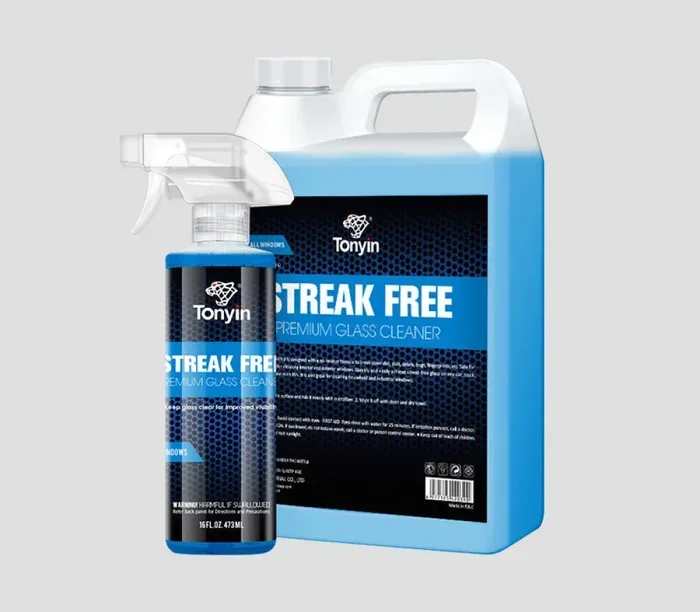
After you’ve removed all the tape residue, your glass might still look slightly hazy. This is because the solvents have left a thin film. Always finish with a dedicated glass cleaner or a streak-free wipe. Spray the cleaner onto the cloth, not directly onto the glass, to avoid overspray on the paint. Buff the glass in a straight, horizontal motion, then immediately dry with a second clean cloth. This final step is what separates a professional-looking result from a DIY job that still shows streaks.
Key Takeaways
- Only use microfiber cloths and lubricated clay bars: No paper towels, no dry scraping.
- Let the solvent work: Patience prevents scratches.
- Always do a final polish with a dedicated glass cleaner: This removes any chemical haze.
Keeping Your Car Glass Crystal Clear After Tape Mark Removal
Once you’ve achieved a crystal-clear finish, you’ll want to maintain it. Regular maintenance prevents adhesive buildup and keeps your windows looking great. A few simple habits can save you from repeating this process every time you remove a decal or mount.
Maintaining a Streak-Free Finish
Clean your windows once a month with a quality glass cleaner. This removes any invisible oils that attract dust and future adhesive. When applying a new phone mount or decal, use a protective coating on the glass first. A ceramic coating or a glass sealant creates a barrier that makes adhesive removal much easier later. If you notice a small glue spot forming, address it immediately with a quick wipe of rubbing alcohol before it has a chance to harden.
Final Thoughts on Tape Mark Removal
How to Remove Tape Marks From Car Glass Without Streaks is a skill that every car owner should have. With the right tools, a little patience, and the methods outlined in this guide, you can restore your windows to their original clarity without spending a dime at a detailing shop. The key is to never rush the process and to always finish with a proper polish. Your car’s glass deserves the same care you give to the paint. Now go enjoy that unobstructed view of the road ahead.
Key Takeaways
- Monthly glass cleaning prevents buildup: A little maintenance goes a long way.
- Apply a protective coating before mounting accessories: This makes future removal effortless.
- Address new glue spots immediately: Fresh residue is always easier to remove than old, cured adhesive.
Frequently Asked Questions
Can I use WD-40 to remove tape marks from car glass?
Yes, WD-40 can dissolve adhesive residue effectively. Spray a small amount onto a microfiber cloth and gently rub the tape mark. However, WD-40 is an oil-based product, so you must thoroughly wash the area with dish soap and water afterward to remove any oily film that could attract dirt and cause streaks.
Will rubbing alcohol damage my car’s window tint?
Rubbing alcohol is generally safe for factory-installed window tint, but it can degrade aftermarket tint films over time. If your car has tinted windows, test the alcohol on a hidden edge of the tint first. For tinted glass, the vinegar and water solution is a safer alternative that won’t compromise the tint adhesive.
How do I get tape marks off a car windshield without scratching it?
The secret is to never use abrasive pads or dry scraping. Start with a rubbing alcohol soak, then use a plastic razor blade held at a 30-degree angle if any glue remains. Always keep the blade lubricated with a detailing spray. Finish with a glass polish applied with a microfiber pad to remove any micro-scratches.
What is the fastest way to remove decal adhesive from car glass?
The fastest method is a two-step process. First, apply a citrus-based adhesive remover and let it sit for three minutes. Then, use a detailing clay bar with lubricant to glide over the residue. This physically lifts the glue without chemicals and takes less than five minutes per window.
Can I use a magic eraser on car glass tape marks?
Magic erasers are abrasive and can leave fine scratches on automotive glass, especially when used dry or with heavy pressure. They are not recommended for car windows. Stick to microfiber cloths, clay bars, and dedicated glass cleaners for a completely streak-free result.
How long does it take to remove tape marks from car glass?
For most tape marks, the entire process takes 10 to 15 minutes per window. Light masking tape residue can be removed in under five minutes with a vinegar solution. Thick duct tape glue or old window tint residue may take up to 30 minutes, including soaking time and final polishing.