How to Save Money on Auto Tint Without Sacrificing Quality
Want to know how to save money on auto tint without cutting corners? This guide covers DIY options, film types, and pro tips to keep your car looking great while staying on budget. You’ll learn about ceramic tint, carbon film, and affordable window tinting cost choices that actually last. Follow our advice and get premium results without the premium price tag.
How to Save Money on Auto Tint Without Sacrificing Quality
How to save money on auto tint is a question every car owner asks before tinting their windows. The good news is that you don’t have to spend a fortune to get great results. This guide walks you through budget-friendly options, DIY tricks, and smart choices that keep your car looking sharp. By the end, you’ll know exactly how to cut costs while still getting top-quality car window tinting that lasts for years.
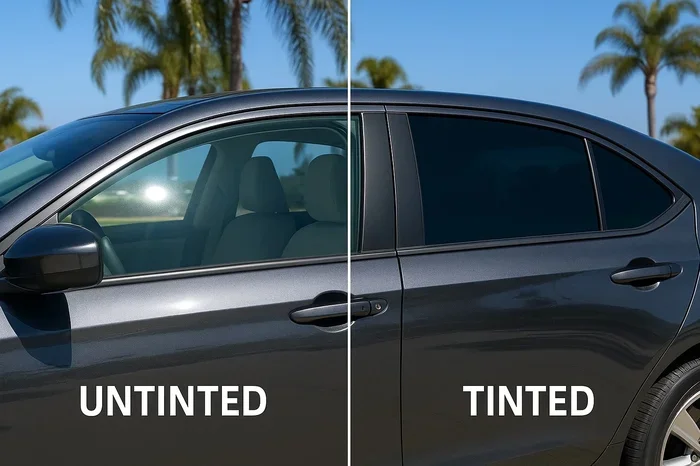
Auto tinting is one of the best upgrades you can make to your vehicle. It reduces heat, blocks harmful UV rays, and adds privacy. But the car window tinting cost can surprise you if you’re not prepared. Many people assume tinting means spending hundreds of dollars, but that’s not always true. There are plenty of ways to bring down your window film price without sacrificing the look or performance of your tint.
Whether you choose a DIY auto tint kit or compare quotes from different shops, small decisions add up to big savings. The key is knowing your options before you commit. Let’s dive into everything you need to know about affordable tinting that still delivers premium results.
Key Takeaways
- Know your film types: Ceramic, carbon, and dyed films each offer different price points and benefits for car window tinting.
- Consider DIY kits: A quality auto tint kit can cut installation costs by up to 50% if you follow the right steps.
- Check local laws first: Auto tint laws vary by state, and violating them can lead to fines and ticket costs.
- Compare quotes: Getting multiple estimates from professional tinting shops helps you find the best window film price for your budget.
- Maintain your tint: Proper care prevents tint peeling, bubbles, and premature replacement costs.
- Look for warranties: A solid window tint warranty protects your investment and saves money on future repairs.
📑 Table of Contents
Why Does Auto Tint Cost So Much?
Understanding what drives the car window tinting cost helps you make smarter choices. When you know where your money goes, you can find ways to save without losing quality. Several factors influence the final price of your tint job.
What Goes Into the Price
The cost of tint installation depends on the type of film you choose, the size of your windows, and where you live. Premium films like ceramic tint cost more upfront but often last longer. Cheaper films may save you money now but could need replacement sooner. The skill level of the installer also affects the price. A highly experienced professional will charge more, but their work usually comes with fewer problems like tint bubbles or tint peeling.
Here are the main cost drivers:
- Film type and material quality
- Number of windows being tinted
- Installer’s experience and reputation
- Your geographic location
- Additional services like heat rejection film
Hidden Costs to Watch For
Some costs aren’t obvious at first. For example, removing old tint can add to your bill. If your auto tint laws require a specific shade level, you might need to pay extra for the right film. And don’t forget about maintenance. Poor-quality tint can fade or peel, leading to early replacement costs. Always ask for a full breakdown of fees before you agree to any tint installation.
Quick Tips
- Always ask for a written quote before scheduling tint installation.
- Ask if old tint removal is included in the price.
- Check if the shop offers a window tint warranty with the job.
Types of Window Tint Film and Their Prices
Not all tint film is created equal. The tint material types available today vary widely in price, performance, and durability. Choosing the right one is the biggest factor in how much you’ll spend on how to save money on auto tint. Let’s break down the most common options.
Dyed Film
Dyed film is the most affordable option. It uses layers of dye to block sunlight and reduce glare. The window film price for dyed tint is usually the lowest, making it popular for budget-conscious car owners. However, dyed film fades over time. It also offers less heat rejection compared to other options. If you just want a basic look and don’t mind replacing it every few years, dyed film works fine.
Metalized Film
Metalized tint contains tiny metallic particles that reflect heat. It’s more durable than dyed film and doesn’t fade as easily. The window film price for metalized film is moderate. One downside is that it can interfere with cell phone signals and GPS. If you rely heavily on your phone while driving, this is worth considering before you buy.
Carbon Film
Carbon film offers a matte finish that many car owners love. It blocks a good amount of heat and doesn’t fade over time. Carbon tint is mid-range in price, making it a solid choice for those looking for quality without breaking the bank. It also doesn’t interfere with electronic signals, which is a big plus.
Ceramic Film
Ceramic tint is the premium option. It offers the best heat rejection and UV protection without interfering with electronics. The ceramic tint price is the highest, but it also lasts the longest. If you want the best car window protection and don’t mind paying more upfront, ceramic film is worth every penny. Over time, its durability can actually save you money.
Comparison Table: Tint Film Types
| Film Type | Avg. Price per Window | Heat Rejection | Durability | Signal Interference |
|---|---|---|---|---|
| Dyed | $20 – $40 | Low | 2-3 years | None |
| Metalized | $40 – $70 | Medium-High | 5-7 years | Yes |
| Carbon | $50 – $80 | Medium-High | 7-10 years | No |
| Ceramic | $70 – $120 | High | 10+ years | No |
As you can see, the budget tint options range from affordable dyed film to premium ceramic. Your choice depends on your priorities. If longevity matters most, ceramic is the way to go. If you just want a quick upgrade on a tight budget, dyed or carbon film gets the job done.
DIY Auto Tint vs Professional Installation
One of the biggest decisions you’ll make is whether to tint your car yourself or hire a professional. Both options have pros and cons, and the right choice depends on your budget, skills, and how much time you have.
When DIY Makes Sense
A DIY auto tint kit can cost as little as $20 to $100 per window. That’s a fraction of what professional tint installation costs. If you’re handy and patient, DIY can save you a lot of money. Many auto tint kits come with everything you need, including the film, a squeegee, and a spray solution.
DIY tinting works best if you’re tinting just one or two windows. It also makes sense if you’re comfortable with precise work and don’t mind spending a few hours on each window. The biggest risk is bubbles, wrinkles, or peeling if the film isn’t applied correctly.
When to Hire a Pro
Professional tint installation gives you a cleaner, more durable result. A skilled installer can apply film to all windows in a single day. They also know how to handle curved glass and tricky edges. If you want a flawless finish and a window tint warranty, hiring a pro is the better choice.
Professional installation typically costs between $100 and $400 for a full car, depending on the film type and your location. That’s more than DIY, but the quality and warranty often make it worth it.
Common DIY Mistakes That Cost Money
Many people try DIY tinting and end up making costly mistakes. Here are the most common ones:
- Buying the cheapest kit: Ultra-budget kits often have poor adhesion and fade quickly.
- Skipping the prep work: Not cleaning your windows properly leads to tint bubbles and peeling.
- Applying in direct sunlight: Heat makes the film shrink and bubble, ruining the finish.
- Rushing the process: Taking shortcuts almost always leads to visible imperfections.
If you’re new to DIY auto tint, watch a few tutorial videos first. Practice on an old piece of glass before you tackle your car windows. This small investment of time can save you from costly do-overs.
How to Choose the Right Tint for Your Budget
Choosing the right tint isn’t just about price. You also need to consider your climate, your driving habits, and what you want from your tint. The goal is to find the sweet spot between cost and quality.
Understanding Tint Shade Percentage
The tint shade percentage refers to how much light the film blocks. A 5% tint is very dark and blocks most light. A 70% tint is very light and barely changes the look of your windows. Most states have auto tint laws that specify the minimum allowed shade for front side windows. Check your local regulations before you buy. Choosing the wrong shade can result in fines and the cost of re-tinting.
Matching Film to Your Needs
Think about what matters most to you. If you live in a hot climate, prioritize heat rejection and UV protection. If you mainly want privacy, a darker shade might be all you need. Here’s a quick guide:
- Hot climate? Go with ceramic or carbon film for maximum heat rejection.
- Budget-focused? Carbon or dyed film offers good value at a lower window film price.
- Privacy priority? Choose a darker shade, but make sure it’s legal in your state.
- UV protection focus? Most quality films block 99% of UV rays, so even mid-range options work well.
Expert Insights
“The biggest mistake people make is choosing the cheapest film without considering their climate and driving needs,” says Mark Daniels, a professional tint installer with over 15 years of experience. “A slightly more expensive carbon or ceramic film can save you money in the long run because it lasts longer and performs better.”
When you’re figuring out how to save money on auto tint, think beyond the upfront cost. A film that lasts 10 years is cheaper per year than one that needs replacing in 3 years. Always ask about the window tint warranty before you commit. A good warranty covers peeling, bubbling, and fading, which means fewer surprise expenses down the road.
Common Mistakes That Waste Your Money
Even with the best intentions, it’s easy to make choices that cost you more money. Here are the most common mistakes car owners make when tinting their windows.
Skipping Research on Auto Tint Laws
Every state has different auto tint laws about how dark your tint can be and which windows it can cover. Some states allow very dark rear windows but restrict front side windows. If you tint your car without checking the laws, you could get pulled over and fined. In some cases, you’ll even have to remove the tint entirely. That’s money wasted. Always research your local regulations before you buy any film.
Choosing the Cheapest Film Without Comparing
It’s tempting to go with the lowest window film price you find, but not all cheap tint is created equal. Ultra-budget films often fade within a year or two. They may also peel or bubble, leaving you with an ugly finish and the need for a replacement. Always compare a few options and read reviews before you decide. Spending a little more upfront on a quality budget tint option can save you from costly replacements later.
Ignoring Warranty Details
A window tint warranty is one of the most important parts of any tint job. But many people don’t read the fine print. Some warranties only cover manufacturing defects, not damage from improper installation. Others require you to have the tint installed by a certified professional. Make sure you understand exactly what’s covered before you sign anything. A good warranty can save you hundreds of dollars if something goes wrong.
Forgetting About Interior Fading
One of the biggest benefits of quality tint is preventing interior fading. UV rays can crack your dashboard, fade your seats, and damage your electronics over time. Cheap tint blocks less UV radiation, which means your interior takes more damage. Investing in a film with strong UV protection actually protects the value of your car’s interior. That’s a hidden savings that many people overlook.
Maintaining Your Tint to Avoid Costly Repairs
Once you’ve invested in quality tint, you want it to last. Proper maintenance keeps your tint looking great and prevents problems like tint bubbles, tint peeling, and discoloration. A little care goes a long way toward protecting your investment.
Proper Cleaning Techniques
How you clean your tinted windows matters more than you might think. Avoid ammonia-based cleaners, as they can break down the film over time. Instead, use a gentle, ammonia-free glass cleaner and a soft microfiber cloth. Never use abrasive scrubbers or rough sponges, as they can scratch the film and ruin its appearance.
Here are some simple cleaning rules:
- Wait at least 3-4 days after tint installation before cleaning your windows.
- Use a soft microfiber cloth for wiping.
- Choose ammonia-free glass cleaners.
- Avoid high-pressure washers directly on tinted windows.
- Dry the edges gently to prevent moisture from getting under the film.
When to Replace Your Tint
Even with the best care, tint won’t last forever. Signs that it’s time for a replacement include bubbling, peeling, fading, or a purplish discoloration. If you notice any of these issues, don’t wait too long. Damaged tint won’t block UV rays or reduce heat effectively, which means your car’s interior takes more wear. Replacing worn-out tint promptly protects your car and your wallet.
Expert Insight
“The average quality tint lasts between 5 and 10 years with proper care,” notes Sarah Lin, an automotive detailer and tint specialist. “If you clean it regularly and avoid harsh chemicals, you’ll get the full lifespan out of your investment. That’s how you truly save money on auto tint over the long run.”
Key Takeaways
- Know your film types: Ceramic, carbon, and dyed films each offer different price points and benefits for car window tinting.
- Consider DIY kits: A quality auto tint kit can cut installation costs by up to 50% if you follow the right steps.
- Check local laws first: Auto tint laws vary by state, and violating them can lead to fines and ticket costs.
- Compare quotes: Getting multiple estimates from professional tint installation shops helps you find the best window film price for your budget.
- Maintain your tint: Proper care prevents tint peeling, tint bubbles, and premature replacement costs.
- Look for warranties: A solid window tint warranty protects your investment and saves money on future repairs.
Conclusion
How to save money on auto tint comes down to making smart, informed choices. You don’t have to choose between quality and affordability. By understanding your film options, comparing quotes, and maintaining your tint properly, you can enjoy great results without overspending. Whether you go the DIY route or hire a professional, the key is to plan ahead and avoid the common mistakes that waste money.
Start by choosing the right film type for your needs and budget. Check your local auto tint laws so you don’t run into legal trouble. And always protect your investment with proper care and a solid window tint warranty. With the right approach, you can get the car window protection and style you want while keeping your car window tinting cost reasonable. Your car — and your wallet — will thank you.
Now that you know the secrets to affordable, high-quality tinting, it’s time to take action. Research your options, get a few quotes, and pick the path that works best for you. Saving money on auto tint is absolutely possible — you just need the right plan.
Frequently Asked Questions
Is DIY auto tint worth the effort?
Yes, if you’re patient and follow the instructions carefully. A DIY auto tint kit can save you 50% or more compared to professional tint installation. However, the result depends on your skill level and the quality of the kit you buy.
How long does window tint last on a car?
Quality tint typically lasts between 5 and 10 years. Ceramic and carbon films tend to last the longest. Dyed film may need replacement sooner, usually within 2 to 4 years, depending on sun exposure and care.
What’s the cheapest tint that still works well?
Carbon film offers a great balance of performance and window film price. It blocks heat well, doesn’t fade easily, and costs less than ceramic. Dyed film is the cheapest option but offers the least durability.
Are there auto tint laws I need to know before tinting?
Absolutely. Every state has different auto tint laws about shade percentages and which windows can be tinted. Violating these laws can result in fines and mandatory tint removal. Always check your local regulations first.
Can I tint just one or two windows to save money?
Yes, you can tint only the windows you want. This reduces the total car window tinting cost significantly. Many car owners choose to tint just the rear windows or the windshield for privacy and UV protection.
Does tinting really help reduce heat inside the car?
Yes, quality tint with good heat rejection can reduce interior temperatures by 30 to 40 degrees. This means less reliance on air conditioning, which can slightly improve fuel efficiency over time. Ceramic and carbon films offer the best heat rejection film performance.