Is It Okay to Jump-Start a Hybrid Car – Learn the Truth
Yes, you can jump-start a hybrid car, but it works very differently than a regular vehicle. Hybrid vehicles use both a 12-volt battery and a high-voltage battery, so the jump-start procedure requires extra care. This guide covers everything you need to know about safely jump-starting a hybrid car and avoiding costly mistakes.
So you are standing in a parking lot with a hybrid car that will not start. The dashboard is dark. The clock is blank. You wonder, is it okay to jump-start a hybrid car? The short answer is yes. But the full answer is a lot more nuanced than you might think.
Hybrid vehicles are not the same as regular gasoline cars. They have two battery systems working together. One is a standard 12-volt battery that powers the electronics. The other is a high-voltage traction battery that drives the electric motor. Understanding this difference is the first step to safely getting your car going again.
Many drivers panic when their hybrid car will not start. They assume it is a complex problem. Sometimes it is just a dead 12-volt battery. And yes, you can jump-start it. But you need to know exactly where to connect the cables and what to avoid. This article walks you through the entire process in plain, simple language.
Whether you are dealing with a dead battery after leaving the lights on or you are stranded on a cold morning, this guide has you covered. We will look at the jump-start procedure step by step. We will cover safety precautions you must never skip. And we will talk about when it is better to call for professional help instead of trying it yourself.
Let us get into it. By the end of this article, you will feel confident about jump-starting a hybrid car the right way. You will also know what not to do, which is just as important.
Key Takeaways
- Hybrid cars can be jump-started: The process is safe when you follow the right steps and target the 12-volt battery, not the high-voltage traction battery.
- Always read your hybrid car manual first: Every hybrid vehicle has specific instructions that may differ from standard gasoline cars.
- Location matters: The 12-volt battery in hybrids is often in a different spot than you expect, so find it before you need it.
- Safety comes first: Working with hybrid electrical systems requires caution, especially around high-voltage components.
- Avoid common mistakes: Connecting cables to the wrong terminals or ignoring warning lights can cause serious damage.
- Know when to call for help: If you feel unsure, roadside assistance is always a safe and smart choice.
📑 Table of Contents
What Happens When a Hybrid Car Battery Dies
A hybrid car relies on two separate battery systems. The 12-volt battery is the same type found in a regular car. It powers the computer systems, lights, radio, and starter motor. The traction battery is a high-voltage pack that provides energy to the electric motor. These two systems work together but serve very different purposes.
When people say their hybrid car battery is dead, they usually mean the 12-volt battery. This is the one that causes the car not to start. The high-voltage traction battery rarely dies completely. It is designed to last many years and holds a strong charge under normal conditions.
Signs Your Hybrid 12-Volt Battery Is Dead
How do you know it is the 12-volt battery that has gone bad? Watch for these warning signs:
- The dashboard lights do not turn on when you press the start button.
- The radio and infotainment system are completely dark.
- You hear a clicking sound but the engine does not crank.
- The hybrid car warning lights flash on the dashboard.
- The car was working fine yesterday but will not start today.
If you notice any of these symptoms, the 12-volt battery is likely the culprit. Before you reach for jumper cables, take a breath and read the next section carefully.
Why Hybrid Batteries Die Prematurely
Several things can drain a hybrid 12-volt battery faster than normal. Leaving lights or accessories on is the most common cause. But other factors play a role too. Extreme cold weather reduces battery performance significantly. Short trips that never fully recharge the battery can also cause problems over time. And age matters. Most 12-volt batteries last between three and five years before they need replacement.
Regular hybrid car maintenance includes checking the 12-volt battery during every service visit. Many owners skip this. A quick check can save you from an unexpected dead battery on a busy morning.
Can You Jump-Start a Hybrid Car? The Real Answer
This is the question most drivers want answered. Is it okay to jump-start a hybrid car? Yes, it is okay. But you must follow the correct jump-start procedure and understand what makes a hybrid different from a standard vehicle.
The good news is that the 12-volt battery in most hybrids can be jump-started using the same basic method as a regular car. You use jumper cables connected to another vehicle or a portable jump starter. The key difference is where you connect those cables and which battery you target.
Here is the most important rule you must remember. Never attempt to jump-start the high-voltage traction battery directly. That battery operates at hundreds of volts. It is dangerous and not designed for jump-starting. You are only jump-starting the 12-volt auxiliary battery. This powers the car’s computer systems and allows the hybrid powertrain to engage.
How the Hybrid Powertrain Relies on the 12-Volt Battery
Many people do not realize this. Even though the hybrid vehicle runs partly on electricity, it still needs a standard 12-volt battery to start. The traction battery cannot turn on the car by itself. The 12-volt battery powers the control systems that tell the hybrid powertrain to wake up and begin operating. Without a functioning 12-volt battery, the entire hybrid system reset cannot happen.
Think of it like this. The traction battery is the fuel tank. The 12-volt battery is the ignition key. You need both for the car to work. When the 12-volt battery dies, the car cannot start, even if the traction battery is fully charged.
Which Hybrid Models Can Be Jump-Started?
Most hybrid vehicles on the road today can be jump-started safely. Popular models like the Toyota Prius, Honda Civic Hybrid, Ford Escape Hybrid, and Chevrolet Volt all support standard jump-starting of the 12-volt battery. However, the exact location of the battery and the jump-start terminals can vary by model.
Always consult your hybrid car manual before attempting any emergency start. The manual will show you the exact location of the 12-volt battery and the jump-start terminals. Some hybrids hide the 12-volt battery in the trunk. Others place it under the hood. You need to know before you open the hood.
Step-by-Step Guide to Jump-Starting a Hybrid Car
Now that you know it is safe and possible, let us walk through the actual jump-start procedure. Follow these steps carefully and in order. Do not skip anything.
Step 1: Gather Your Equipment
You will need a few things before you begin:
- A set of quality jumper cables
- A working vehicle with a healthy 12-volt battery
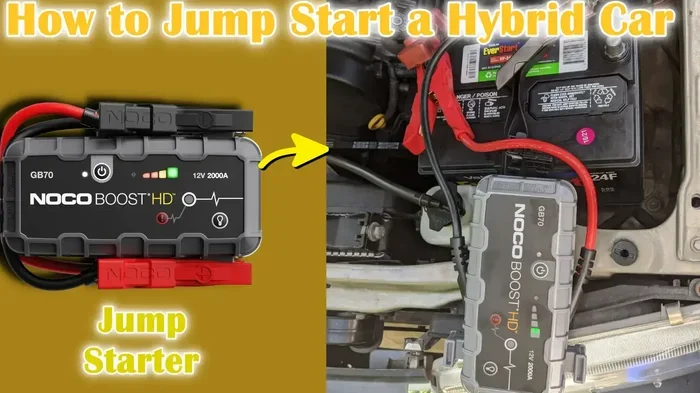
- Or a portable jump starter rated for at least 300 amps
- Your hybrid car manual for reference
Make sure the jumper cables are in good condition. Check for frayed insulation or corroded clamps. Damaged cables can cause sparks or fail to transfer power properly.
Step 2: Park Both Vehicles Safely
Place the working vehicle close to the hybrid car. The hoods should face each other but the cars must not touch. Turn off the engine in both vehicles. Engage the parking brake on both cars. This is a critical safety precaution that many people overlook.
Step 3: Locate the 12-Volt Battery and Jump Terminals
Open the hood of the hybrid car. Find the 12-volt battery. Look for the positive (+) and negative (-) terminals. Some hybrid models have dedicated jump-start posts near the battery. These are clearly marked and safer to use than connecting directly to the battery terminals.
If you cannot find the battery or jump posts, check your hybrid car manual. It will have a diagram showing the exact location. Do not guess. Connecting cables to the wrong place can damage the electrical system.
Step 4: Connect the Jumper Cables in the Correct Order
This is where most people make mistakes. Follow this order exactly:
- Connect the red clamp to the positive (+) terminal on the dead hybrid battery.
- Connect the other red clamp to the positive (+) terminal on the working vehicle’s battery.
- Connect the black clamp to the negative (-) terminal on the working vehicle’s battery.
- Connect the other black clamp to an unpainted metal surface on the hybrid car’s engine block. This is called the negative ground point. Never connect the last black clamp directly to the dead battery’s negative terminal.
Connecting the final black clamp to a metal ground point instead of the battery terminal reduces the risk of sparking near the hybrid battery. This is an important safety step specific to hybrid vehicles.
Step 5: Start the Working Vehicle First
Start the engine of the working vehicle. Let it idle for about two to three minutes. This allows the 12-volt battery in the hybrid car to receive a charge. You will notice the dashboard lights on the hybrid car starting to come alive.
Step 6: Start the Hybrid Car
Now try starting the hybrid car. Press the start button or turn the key. If the hybrid system reset works, the dashboard will light up and the car will start. Let the hybrid car run for at least 15 to 20 minutes. This allows the 12-volt battery to recharge fully.
Step 7: Disconnect the Cables in Reverse Order
Once the hybrid car is running, remove the cables in the reverse order you put them on:
- Remove the black clamp from the hybrid car’s ground point.
- Remove the black clamp from the working vehicle’s battery.
- Remove the red clamp from the working vehicle’s battery.
- Remove the red clamp from the hybrid car’s positive terminal.
Do not let the clamps touch each other while any cable is still connected to a battery. This creates a dangerous spark.
Quick Tips for a Smooth Jump-Start
- Keep the jumper cables organized and untangled before you start.
- Never let the red and black clamps touch each other once connected.
- If the hybrid car does not start after one attempt, wait five minutes before trying again.
- Wear gloves and safety glasses if you have them available.
- Keep the hybrid car manual in your glove box for easy reference.
Safety Precautions You Must Follow
Safety is the most important part of any jump-start procedure. Hybrid cars have both a standard 12-volt system and a high-voltage system. Mixing up the two can lead to serious injury or expensive damage. Follow these safety precautions every single time.
Never Touch the High-Voltage Components
Hybrid vehicles have bright orange cables that connect to the high-voltage traction battery. These cables carry hundreds of volts of electricity. Never touch them, disconnect them, or attempt to jump-start anything connected to them. The hybrid car warning labels on the engine bay and in the manual are there for a reason. Respect them.
Check for Battery Acid Leaks
Before you connect jumper cables, inspect the 12-volt battery for any signs of leaking acid. If you see a white or greenish crusty buildup on the terminals, do not attempt to jump-start the car. The battery may be damaged or could vent harmful fumes. In this case, replace the battery or call for roadside assistance.
Work in a Well-Ventilated Area
Batteries can produce hydrogen gas, which is flammable. Do not attempt a jump-start procedure in an enclosed garage or near open flames. Move the cars to an open, well-ventilated area before you begin.
Read Your Owner’s Manual First
This cannot be stressed enough. Every hybrid vehicle is different. The hybrid car manual contains model-specific instructions for jump-starting. Some manufacturers explicitly warn against certain methods. Reading the manual takes five minutes and can save you hundreds of dollars in repairs.
Keep a Emergency Kit in Your Trunk
Every hybrid driver should keep a basic emergency kit. Include jumper cables, a portable jump starter, rubber gloves, and a flashlight. These simple tools can turn a stressful situation into a quick fix. Hybrid car maintenance is not just about the traction battery. It is about being prepared for any situation on the road.
Common Mistakes People Make When Jump-Starting Hybrids
Even with the best intentions, people make mistakes. Knowing what not to do is just as valuable as knowing the right steps. Here are the most common errors drivers make when trying to start a hybrid car with a dead battery.
Connecting Cables to the Wrong Battery
This is the number one mistake. Some drivers see the high-voltage battery pack and assume that is what needs the jump. It does not. You are only jump-starting the 12-volt auxiliary battery. The high-voltage traction battery has its own charging system and does not need a jump start.
Skipping the Negative Ground Step
Many people connect the last black cable directly to the negative terminal of the dead battery. In a hybrid car, this can be risky. The spark could ignite gas near the battery. Always connect the last black clamp to a metal ground point on the engine block, away from the battery.
Not Letting the Working Car Charge Long Enough
After connecting the cables, some drivers try to start the hybrid car immediately. This does not give the 12-volt battery enough time to receive a charge. Wait at least two to three minutes with the working car idling before attempting to start the hybrid.
Ignoring Warning Lights After Starting
If the hybrid car starts but warning lights remain on the dashboard, do not ignore them. The hybrid car warning lights could indicate a deeper problem with the hybrid system. Drive to a service center as soon as possible to get the issue diagnosed.
Using Damaged or Incompatible Jumper Cables
Cheap, thin jumper cables may not carry enough current to start a hybrid car. Use cables rated for at least 300 amps. Also, make sure the clamps are clean and free of corrosion. Poor connections lead to failed attempts and frustration.
When to Call for Professional Help
There are times when jump-starting a hybrid car is not the right move. Knowing when to stop and call for help is a sign of wisdom, not weakness.
If you have attempted the jump-start procedure twice and the car still will not start, stop. The problem may not be the 12-volt battery at all. There could be an issue with the hybrid system, the alternator, or the starter motor. Continuing to attempt jump-starts could make the problem worse.
If you notice any of the following, call for professional roadside assistance immediately:
- The battery case is swollen or cracked.
- You smell sulfur or rotten eggs near the battery.
- The hybrid car warning lights are flashing rapidly.
- You see visible damage to any electrical components.
- The car started but dies again within a few minutes.
Professional technicians have the tools and training to diagnose hybrid electrical problems safely. They can test both the 12-volt battery and the high-voltage system to determine the root cause. Sometimes a simple jump-start is not enough, and a battery replacement is needed.
Most hybrid warranties cover the 12-volt battery for a certain period. Check your warranty before paying for a new battery out of pocket. You might be covered.
Key Takeaways
- Hybrid cars can be jump-started safely: You are only jump-starting the 12-volt auxiliary battery, not the high-voltage traction battery.
- Always follow the correct cable connection order: Red to positive first, black to a ground point last. This prevents sparks and protects the hybrid system.
- Read your hybrid car manual before you need it: Every model has specific jump-start instructions and terminal locations.
- Never touch the high-voltage components: The bright orange cables and battery pack are dangerous and should never be disturbed during a jump-start.
- Know when to stop trying: If two attempts fail, call for professional roadside assistance instead of risking further damage.
- Regular maintenance prevents dead batteries: Check your 12-volt battery during every service visit to avoid being stranded.
Conclusion
So, is it okay to jump-start a hybrid car? Absolutely yes. As long as you target the 12-volt battery, follow the correct jump-start procedure, and respect the safety precautions, you can get your hybrid vehicle back on the road. The key is understanding that a hybrid car has two battery systems and only one of them needs the jump.
Remember to keep your hybrid car manual accessible at all times. Know where your 12-volt battery is located before you ever need to use it. Keep a set of quality jumper cables and a portable jump starter in your trunk. And most importantly, do not take shortcuts when it comes to safety.
Getting a dead battery is never fun. But with the knowledge you have gained from this guide, you are now prepared to handle it calmly and correctly. Share this information with other hybrid drivers in your life. You never know when someone might need it. Stay safe, stay prepared, and keep your hybrid car running strong.
Frequently Asked Questions
Can I jump-start a hybrid car using another hybrid vehicle?
Yes, you can. The jump-start procedure is the same regardless of whether the assisting vehicle is a hybrid or a gasoline car. Just make sure both vehicles are turned off and parked safely before connecting the cables.
Will jump-starting damage my hybrid car’s electrical system?
No, as long as you follow the correct steps. The key is connecting cables to the 12-volt battery only and never touching the high-voltage components. Following the hybrid car manual instructions ensures you do not cause any damage.
How long should I let the hybrid car run after a successful jump-start?
Let the hybrid car run for at least 15 to 20 minutes. This gives the 12-volt battery time to recharge. If the battery was completely dead, a longer driving period may be needed for a full charge.
What is the difference between the 12-volt battery and the traction battery in a hybrid?
The 12-volt battery powers the car’s electronics and starter motor. The traction battery is a high-voltage pack that drives the electric motor. You only jump-start the 12-volt battery. The traction battery recharges itself through regenerative braking and the gasoline engine.
Can a portable jump starter be used for a hybrid car?
Yes. A portable jump starter rated for at least 300 amps works well for jump-starting a hybrid car. Make sure the device is compatible with hybrid vehicles and follow the manufacturer’s instructions for connecting it to the 12-volt battery.
How often should I replace my hybrid’s 12-volt battery?
Most 12-volt batteries last between three and five years. Regular hybrid car maintenance includes checking the battery’s health during every service. Replacing it before it fails completely prevents unexpected breakdowns.