How Do I Know If a Hubcap Will Fit My Car Without Hassle
Finding the perfect hubcap for your vehicle doesn’t have to be a headache. This guide shows you exactly how to measure bolt patterns, check center bore size, and decode tire size markings to guarantee a fit. You’ll learn simple tricks to avoid returns and save money. Whether you need a standard cover or a sleek alloy wheel, we break it down step by step. Read on to make hubcap fit easy and hassle-free.
You want a fresh look for your car, and a new hubcap is an easy way to get it. But the excitement can quickly turn to frustration if the cover doesn’t fit. A hubcap that wobbles, rubs, or won’t seat properly can damage your wheels and ruin your day. The good news is that checking fitment is simpler than most people think. You just need to know the right measurements and what to look for.
This guide walks you through every step, from understanding your car’s wheel specs to making a confident purchase. I’ll share practical tips, common mistakes to avoid, and expert tricks that save time and money. By the end, you’ll know exactly how to pick a hubcap that fits like it came from the factory.
Key Takeaways
- Know Your Bolt Pattern: The 5-digit number (like 5×114.3) is the most important measurement for a secure fit.
- Center Bore Matters: A hubcap must match your car’s hub center hole to sit flush and avoid vibration.
- Check Tire Size Too: The wheel diameter and tire size printed on your tire sidewall guide the correct hubcap size.
- Use a Simple Tape Measure: You can measure bolt pattern and diameter at home with basic tools.
- Avoid Guessing: Always double-check measurements and your vehicle’s manual before ordering.
- Return Policies Are Your Friend: Buy from sellers with clear return policies in case of fitment issues.
- Hub-Centric Rings Help: These small rings adapt an aftermarket hubcap to your car’s exact hub size.
📑 Table of Contents
What Exactly Is a Hubcap and Why Does Fit Matter?
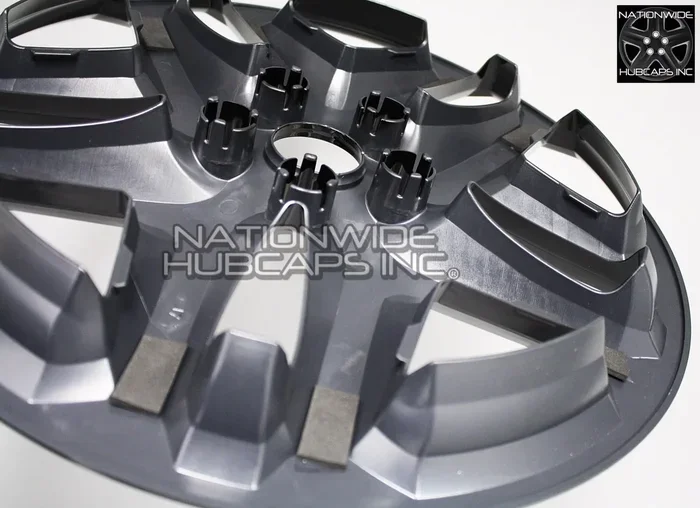
A hubcap is the decorative cover that sits over the center of your wheel. It hides the lug nuts and the wheel hub. Many people call it a wheel cover, but a true hubcap only covers the center. A full wheel cover, on the other hand, wraps around the entire rim. Both need a precise fit to stay secure while driving.
Fit matters because a loose hubcap can fly off at highway speeds. A too-tight cover can put stress on the wheel and brake components. Vibration, noise, and uneven wear are all signs of a bad fit. Getting the right hubcap protects your investment and keeps your car looking sharp.
Hubcap vs. Wheel Cover vs. Alloy Wheel
It’s easy to mix up these terms. A hubcap is a small center cap. A wheel cover is a full decorative disk. An alloy wheel is the metal wheel itself. When you shop for a hubcap, you’re usually looking for the center piece that matches your alloy wheel or covers the lug nuts on a steel wheel. Always confirm which part you need before measuring.
The Three Key Measurements That Determine Hubcap Fit
Three measurements control whether a hubcap will fit your car. They are the bolt pattern, the center bore, and the wheel diameter. Get these right, and the rest usually falls into place. Let’s break each one down.
Bolt Pattern: The Heart of Wheel Fitment
The bolt pattern, also called the lug pattern, is the arrangement of the lug bolts on your wheel. It’s written as two numbers. The first number tells you how many bolts. The second number is the distance between them in millimeters. For example, 5×114.3 means five bolts in a circle 114.3 millimeters across. This is the most critical number for a hubcap fit.
You can find your bolt pattern in the owner’s manual or on the driver’s door jamb sticker. Some cars use a 4-bolt pattern, while most modern vehicles use 5 bolts. The hubcap must match this pattern exactly. Even one extra or missing bolt hole means the cover won’t seat properly.
Center Bore: Why Size Matters
The center bore is the hole in the middle of the hubcap or wheel. It must align perfectly with the hub flange on your car. If the hole is too large, the hubcap will rattle and wobble. If it’s too small, it won’t go on at all. The center bore measurement is usually printed on the wheel or listed in the vehicle specs.
A hub-centric ring solves this problem. It’s a small spacer that fills the gap between a larger center bore and your car’s hub. Many aftermarket hubcap sets include these rings. They ensure a snug, vibration-free fit. Always check if your new cover needs one.
Wheel Diameter and Tire Size Decoded
The wheel diameter is the size of the metal wheel itself, measured in inches. You’ll find it on the tire sidewall. Look for a string of numbers like 205/55R16. The last two digits, 16, tell you the wheel diameter. Your hubcap must match this number. A 16-inch cover won’t fit a 17-inch wheel, no matter how similar they look.
The tire size also gives you the load rating and speed rating. While this doesn’t directly affect the hubcap, it helps confirm the overall wheel package. When you know the full tire size, you can be confident the hubcap will sit correctly on the wheel face.
How to Measure Your Car Like a Pro
Measuring your wheels at home is easy and takes just a few minutes. You don’t need expensive tools. A simple tape measure, a ruler, and a notepad are all you need. I’ll walk you through the exact steps.
Tools You’ll Need
- A metal tape measure or ruler
- A pen and paper
- A flashlight to see the lug nuts clearly
- Your vehicle owner’s manual or a phone with the car specs
Step-by-Step Bolt Pattern Measurement
- Look at the wheel and count the number of lug bolts. Most cars have 4 or 5.
- If you have 4 bolts, measure from the center of one bolt hole to the center of the opposite hole. That’s the bolt circle diameter.
- If you have 5 bolts, the measurement is trickier. Measure from the back of one bolt hole to the center of the bolt hole directly across. This gives you the pitch circle diameter.
- Write down the number and the unit (millimeters or inches).
- Compare this number to the hubcap spec sheet. They must match exactly.
Finding Your Center Bore
Place the wheel face down on a flat surface. Look through the center hole. You can measure the diameter with a ruler or tape measure. If the hubcap you want has a smaller center bore, you’ll need a hub-centric ring. If it’s larger, the ring goes inside the hubcap to fill the gap. Always measure both the wheel hub and the hubcap center hole to be sure.
Quick Tips for Accurate Measurements
- Measure when the tire is cold for the most accurate wheel diameter.
- Clean the lug nut area before measuring so you can see the bolt holes clearly.
- Double-check the bolt pattern with your owner’s manual. Don’t rely on memory.
- Take a photo of your wheel with a ruler next to it for reference when shopping online.
Common Fitment Mistakes That Cost You Time and Money
Even with good measurements, mistakes happen. Knowing the common pitfalls helps you avoid a frustrating return. Here are the errors I see most often.
Ignoring the Center Bore
This is the number one reason a hubcap won’t fit right. People often focus only on the bolt pattern and wheel size, forgetting the center hole. If the bore is off by just a few millimeters, the cover will vibrate at speed. Over time, that vibration can loosen the lug nuts and become dangerous. Always check the center bore and use hub-centric rings if needed.
Guessing the Bolt Pattern
Guessing the bolt pattern is a costly mistake. Two cars can look similar but have different bolt patterns. A 5×114.3 hubcap won’t fit a 5×112 wheel. The difference is small but real. Always measure or look up the exact pattern for your make, model, and year. Don’t assume a hubcap from a similar car will work.
Forgetting About Tire Size Compatibility
Your tire size affects the overall wheel diameter. If you’ve upgraded to a larger tire, the wheel diameter might have changed too. A hubcap that fit the old tire won’t fit the new one. Always check the full tire size on the sidewall before ordering a new cover. This is especially important for trucks and SUVs where tire sizes vary widely.
Expert Advice for Choosing the Perfect Hubcap
Choosing the right hubcap isn’t just about measurements. It’s also about quality, material, and the seller’s return policy. A few expert tips can make the whole process smoother.
OEM vs. Aftermarket Covers
OEM stands for Original Equipment Manufacturer. These hubcap sets are made by the same company that supplied the car factory. Aftermarket covers are made by third-party companies. OEM covers offer a perfect match in color and fit. Aftermarket covers often cost less and come in more styles. Both can work great if you verify the fitment details.
| Feature | OEM Hubcap | Aftermarket Hubcap |
|---|---|---|
| Fit Accuracy | Exact match to factory specs | Usually accurate, but verify measurements |
| Price Range | Higher cost | Budget-friendly options |
| Style Variety | Limited to original design | Wide range of styles and finishes |
| Durability | High quality plastic or metal | Varies by brand and material |
| Return Policy | Often strict | Many sellers offer easy returns |
The Role of Hub-Centric Rings
Hub-centric rings are small, lightweight spacers that make an aftermarket hubcap fit a non-matching center bore. They are usually made of plastic or metal. You place the ring inside the hubcap so it sits squarely on the hub. This centers the cover perfectly and eliminates wobble. Many quality hubcap kits include them. If yours doesn’t, you can buy them separately for a few dollars.
Return Policies and Warranty Tips
Always buy from a seller with a clear return policy. Even with perfect measurements, a hubcap might not look right or could have a manufacturing defect. Look for a 30-day return window and a warranty against cracking or fading. Keep the original packaging until you’re sure the fit is perfect. This saves you from paying for return shipping.
When to Seek Professional Help
Most hubcap installs are simple bolt-on jobs. But sometimes, professional help makes sense. If your wheels have an unusual bolt pattern or if you’ve made custom wheel upgrades, a professional can confirm fitment. They have access to detailed fitment databases that go beyond what a quick online search can offer.
Complex Fitment Issues
If your car has a staggered wheel setup (different sizes front and rear), finding matching hubcap sets gets tricky. A tire shop or wheel specialist can measure each wheel individually and recommend the right covers. They can also check for clearance issues with brakes or suspension components that might interfere with the cover.
Custom Wheels and Hubcaps
Custom wheels often have unique bolt patterns or center bore sizes. If you’ve invested in a custom set, you might need a custom hubcap or a specialized adapter. Don’t force a standard cover onto a custom wheel. It can damage the threads or the wheel face. A professional can fabricate a custom hubcap or recommend a compatible aftermarket option.
Conclusion
Getting a hubcap to fit your car doesn’t have to be a hassle. The secret is to measure three things: bolt pattern, center bore, and wheel diameter. Write these numbers down and double-check them before you buy. Use the simple tools and steps I’ve shared, and you’ll avoid the most common mistakes. A proper fit means no wobble, no vibration, and a clean look that turns heads.
Take your time, compare options, and always check the return policy. Whether you choose an OEM hubcap or an aftermarket one, the right fit is all about the details. Now you have the knowledge to make a confident choice. Go ahead and give your car the fresh look it deserves.
Frequently Asked Questions
Can I use a hubcap from a different car model?
Only if the bolt pattern, center bore, and wheel diameter match exactly. A hubcap from a similar-looking car might have a different bolt pattern, which will prevent it from fitting safely. Always measure your own wheels first.
What happens if my hubcap is too big or too small?
A too-large hubcap won’t seat properly and will wobble at speed. A too-small one might not cover the lug nuts or could pop off. Both situations can damage the wheel and create a safety hazard. Always match the diameter exactly.
Do I need hub-centric rings for aftermarket hubcaps?
You need them if the aftermarket hubcap center bore is larger than your car’s hub. The ring fills the gap and centers the cover on the hub. Without it, you may feel vibration at highway speeds. Check the center bore measurement before you buy.
How do I read the numbers on my tire sidewall?
The last two digits in the tire size represent the wheel diameter in inches. For example, in 215/55R17, the 17 means the wheel is 17 inches. Your hubcap must match this number. The other numbers tell you the tire width and aspect ratio.
Can I mix hubcaps from different brands?
Yes, as long as the measurements match. The brand doesn’t matter if the bolt pattern, center bore, and diameter are correct. However, sticking to one brand ensures a consistent look and often better warranty coverage.
What’s the easiest way to find my bolt pattern without measuring?
Check your vehicle’s owner’s manual or the sticker on the driver’s door jamb. Many online parts retailers also have fitment tools where you enter your car’s year, make, and model. This gives you the exact hubcap specs without any measuring at all.