Is There a Separate Reservoir for the Rear Washer Fluid
Most vehicles share a single washer fluid reservoir for both front and rear wipers, but some cars and SUVs do have a separate reservoir for the rear washer fluid. Understanding your vehicle’s washer fluid system helps you maintain clear rear visibility and avoid costly repairs. This guide covers how the system works, how to check and refill it, and what to do when things go wrong.
Have you ever been driving down the highway and noticed grime splattered across your rear window? You flick the rear wiper, but nothing happens — or worse, a weak spray barely clears the glass. One common reason for this frustrating experience is a low or empty rear washer fluid reservoir. But here is the big question many car owners ask: is there a separate reservoir for the rear washer fluid, or does it share one with the front wipers?
The answer is not as straightforward as you might think. While most modern vehicles use a single shared tank for both front and rear windshield washer fluid, some cars, trucks, and SUVs actually do have a dedicated rear reservoir. Understanding how your vehicle’s washer fluid system works can save you time, money, and a lot of frustration on the road.
In this guide, we will break down everything you need to know about rear washer fluid reservoirs. We will look at how the system works, how to find and refill the reservoir, what to do when the rear wiper spray stops working, and how to keep your entire windshield washer system in great shape. Whether you are a new car owner or have been driving for years, this guide has practical tips that will help you stay safe and keep your rear window crystal clear.
Key Takeaways
- Most cars use a shared reservoir: The front and rear washer fluid often come from the same tank in modern vehicles.
- Some vehicles have a separate rear reservoir: Larger SUVs, trucks, and certain models may feature a dedicated rear washer fluid tank.
- Checking the fluid level is simple: You can usually locate the reservoir under the hood and inspect the minimum and maximum markers.
- Refilling is easy and affordable: You can use standard windshield washer fluid or a DIY mixture for a fraction of the cost.
- Common problems include clogged nozzles and low fluid: These issues are usually quick and inexpensive to fix at home.
- Winter requires special fluid: Using the right washer fluid in cold climates prevents freezing and keeps your rear window clear.
- Regular maintenance extends system life: Simple checks and seasonal fluid changes keep your entire washer system running smoothly.
📑 Table of Contents
- How the Rear Washer Fluid System Works
- Is There a Separate Reservoir for the Rear Washer Fluid?
- Where Is the Rear Washer Fluid Reservoir Located?
- How to Check and Refill Rear Washer Fluid
- Common Problems with Rear Washer Fluid Systems
- Quick Tips for Maintaining Your Rear Washer System
- Expert Insights on Rear Washer Fluid Systems
- Key Takeaways
- Conclusion
How the Rear Washer Fluid System Works
The rear windshield washer system is a simple but important part of your vehicle. It uses a small electric pump, a set of hoses, and a nozzle to spray washer fluid onto the rear window. When you activate the rear wiper control, the pump pushes fluid through the hose and out of the nozzle onto the glass. The rear wiper then wipes the fluid and debris away, leaving you with a clear view.
Key Components of the System
Understanding the parts of your rear washer system helps you troubleshoot problems more easily. Here are the main components:
- Washer fluid reservoir: This is the tank that holds the fluid. It can be shared with the front wipers or separate for the rear.
- Electric pump: This small motor-driven pump pushes the fluid from the tank through the hoses.
- Hoses and lines: These carry the fluid from the reservoir to the rear nozzle.
- Nozzle: The small spray tip that directs the fluid onto the rear window.
- Rear wiper motor: This powers the rear wiper blade to wipe away fluid and debris.
- Fluid level sensor: Some vehicles have a sensor that warns you when the washer fluid is running low.
When all these parts work together, you get a reliable spray that keeps your rear window clean. But when one part fails, the whole system can stop working. The most common culprit is a low fluid level, but clogged nozzles, broken hoses, or a faulty pump can also cause problems.
Is There a Separate Reservoir for the Rear Washer Fluid?
This is the question at the heart of the topic, and the answer depends on your vehicle. Let us explore the two main setups you will find in cars today.
Single Shared Reservoir (Most Common)
The vast majority of cars on the road today use a single shared washer fluid reservoir for both the front and rear wipers. This means when you fill up the washer fluid, you are topping off the fluid that feeds both the front and rear nozzles. This design is simple, cost-effective, and easy to maintain.
In a shared system, there is only one tank under the hood, usually located near the engine bay. It has a single cap, often labeled with a windshield wiper symbol. When you pull the rear wiper lever, the same pump and fluid supply that serves the front wipers also feeds the rear nozzle.
This setup works well for most drivers. It means fewer parts to maintain and a simpler system overall. However, it also means that if the fluid runs low, both your front and rear spraying could be affected.
Separate Rear Reservoir (Less Common)
Some vehicles, particularly larger SUVs, trucks, and certain luxury models, do feature a separate reservoir for the rear washer fluid. In these setups, there are two distinct tanks under the hood — one for the front wipers and one dedicated to the rear wiper system.
A separate rear reservoir can be useful in several situations. For example, if you frequently drive in dusty or off-road conditions, having a dedicated tank means you can keep the rear fluid topped off without worrying about using up the front fluid. It also means that a leak or problem in the front system does not affect your rear visibility.
However, finding and maintaining a separate rear reservoir can be slightly more complicated. You need to know which tank is which, and you may need to refill two separate containers instead of one. Always check your vehicle owner’s manual to confirm which setup your car has.
How to Tell Which Setup Your Car Has
Not sure whether your car has a shared or separate reservoir? Here are a few ways to find out:
- Check under the hood: Look for one or two washer fluid tanks. A single tank with one cap usually means a shared system. Two tanks suggest a separate rear reservoir.
- Consult your owner’s manual: This is the most reliable source. The manual will clearly show the layout of your washer fluid system.
- Look for labels on the caps: Some vehicles label the reservoir caps as “front” and “rear” to avoid confusion.
- Check the fluid level gauge: Some modern cars have separate level indicators for front and rear fluid on the dashboard display.
Where Is the Rear Washer Fluid Reservoir Located?
Finding the rear washer fluid reservoir is usually straightforward, but the exact location varies by vehicle make and model. In most cars, the reservoir sits in the engine bay, often near the front bumper or firewall. It is typically a white or translucent plastic tank with a cap that features a windshield wiper icon.
If your vehicle has a separate rear reservoir, it may be located in a different spot from the front reservoir. Some manufacturers place the rear tank near the trunk or rear passenger area, especially in SUVs and station wagons where the rear wiper is mounted on the tailgate or rear hatch.
Always refer to your owner’s manual for the exact location. If you cannot find the manual, a quick online search for your specific make, model, and year will usually show you the location. Being able to find the reservoir quickly is important, especially in emergencies when you need a top-up on the road.
Tips for Locating Your Reservoir
- Look for the wiper symbol on the cap — this is the universal indicator for washer fluid tanks.
- Follow the hoses from the rear wiper area; they usually lead back to the reservoir.
- In cold weather, be careful not to confuse the washer fluid tank with the coolant reservoir, which may look similar.
- Use your phone flashlight to peer into dark engine bays for better visibility.
How to Check and Refill Rear Washer Fluid
Checking and refilling your rear washer fluid is one of the simplest maintenance tasks you can do. It takes just a few minutes and requires no special tools. Here is a step-by-step guide to help you through the process.
Step-by-Step Refill Guide
- Locate the reservoir: Open your hood and find the washer fluid tank. If you have a separate rear tank, identify it using your owner’s manual.
- Check the current level: Most reservoirs have minimum and maximum markers on the side. If the fluid is below the minimum mark, it is time to refill.
- Remove the cap: Twist or pull the cap off the reservoir. Some caps have a warning symbol, while others simply say “washer fluid.”
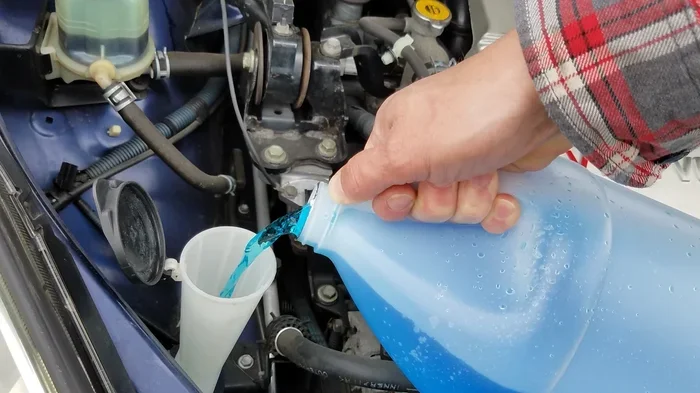
- Pour in the fluid: Use a funnel to avoid spills. Fill the reservoir up to the maximum line. Do not overfill, as fluid can expand in warm weather.
- Replace the cap: Secure the cap tightly to prevent leaks and contamination.
- Test the system: Go to a safe area and test the rear wiper and spray to make sure everything is working properly.
What Kind of Washer Fluid Should You Use?
Not all washer fluids are created equal. Using the right type of fluid can make a big difference in performance and protection.
- Standard washer fluid: Suitable for most driving conditions. It cleans well and is widely available at auto parts stores and gas stations.
- Winter-grade fluid: Contains antifreeze agents that prevent the fluid from freezing in cold temperatures. This is essential if you live in areas where temperatures drop below freezing.
- Bug and grime remover: A stronger formula designed to break down insect residue and road grime. Great for summer driving or off-road adventures.
- Water-only option: Some drivers use plain water, but this is not recommended. Water does not clean as effectively, can freeze in cold weather, and may promote bacterial growth in the tank.
Pro tip: If you have a separate rear reservoir, you can use different fluid types in each tank. For example, you might use a standard formula for the front and a winter-grade fluid for the rear if the rear window tends to get more grime from road spray.
Common Problems with Rear Washer Fluid Systems
Even with regular maintenance, rear washer fluid systems can develop issues. Knowing what to look for helps you catch problems early and avoid costly repairs.
Low or Empty Fluid
The most common problem is simply running out of fluid. This happens more often than you might think, especially if you drive frequently in dusty or rainy conditions. If your rear spray stops working, checking the fluid level should always be your first step.
Clogged Nozzle
Over time, dirt, debris, and dried fluid can clog the rear washer nozzle. When this happens, the spray becomes weak or uneven. A simple fix is to use a pin or needle to gently clear the nozzle opening. You can also try blowing compressed air through the nozzle to dislodge any blockages.
Leaking Hoses
The rubber hoses that carry fluid from the reservoir to the nozzle can crack or come loose over time. A leaking hose means fluid escapes before it reaches the rear window. Inspect the hoses regularly and replace any that show signs of wear or damage.
Faulty Electric Pump
If the fluid level is fine and the nozzles are clear, but you still get no spray, the electric pump may be faulty. Pumps can fail due to electrical issues, corrosion, or simply age. Replacing a pump is usually an affordable repair, but it may require a visit to a mechanic if you are not comfortable working under the hood.
Frozen Fluid in Winter
Using regular washer fluid in freezing temperatures can cause the fluid to freeze inside the reservoir and hoses. This can crack the tank and block the lines completely. Always use winter-grade washer fluid in cold climates to prevent this problem.
Quick Tips for Maintaining Your Rear Washer System
Keeping your rear washer fluid system in top shape does not require a lot of effort. A little regular attention goes a long way toward ensuring clear rear visibility whenever you need it.
- Check fluid levels monthly: Make it a habit to check both front and rear fluid levels at least once a month.
- Use the right fluid for the season: Switch to winter-grade fluid before the cold months arrive.
- Clean the nozzles regularly: A quick cleaning with a pin or compressed air keeps the spray strong and even.
- Inspect hoses for cracks: Look for wear and tear during your regular fluid checks.
- Do not let the tank run completely dry: Running the pump dry can damage it and shorten its lifespan.
- Top up after long trips: Road trips, especially in dusty or rural areas, can use up fluid quickly. Refill when you get back.
These small habits take just a few minutes but can save you from unexpected visibility problems. A well-maintained rear washer system is one of the simplest ways to improve your safety on the road, especially when driving in rain, snow, or on dusty highways.
Expert Insights on Rear Washer Fluid Systems
Automotive experts agree that the rear washer fluid system is one of the most overlooked maintenance items on a vehicle. Many drivers only think about their washer fluid when the spray stops working, but regular attention to this system pays off in the long run.
“A clean rear window is just as important as a clean front window,” says automotive technician Mark Stevenson. “The rear wiper and washer system helps you see clearly when changing lanes, merging, or reversing. Keeping the fluid topped up and the system maintained should be part of every driver’s regular routine.”
Another common expert recommendation is to always carry a bottle of washer fluid in your trunk. This is especially helpful for long road trips or if you frequently drive in conditions that quickly dirty your rear window. A quick top-up takes seconds and can make a real difference in visibility and safety.
Some mechanics also suggest replacing the rear washer nozzles every few years. Nozzles can wear out and become misaligned, leading to poor spray patterns. New nozzles are inexpensive and easy to install, making this a worthwhile upgrade for any vehicle.
Key Takeaways
- Most cars use a shared reservoir: The front and rear washer fluid often come from the same tank in modern vehicles.
- Some vehicles have a separate rear reservoir: Larger SUVs, trucks, and certain models may feature a dedicated rear washer fluid tank.
- Checking the fluid level is simple: You can usually locate the reservoir under the hood and inspect the minimum and maximum markers.
- Refilling is easy and affordable: You can use standard windshield washer fluid or a DIY mixture for a fraction of the cost.
- Common problems include clogged nozzles and low fluid: These issues are usually quick and inexpensive to fix at home.
- Winter requires special fluid: Using the right washer fluid in cold climates prevents freezing and keeps your rear window clear.
- Regular maintenance extends system life: Simple checks and seasonal fluid changes keep your entire washer system running smoothly.
Conclusion
So, is there a separate reservoir for the rear washer fluid? The answer is: it depends on your vehicle. Most cars share a single reservoir between the front and rear wipers, but some larger vehicles and certain models do have a dedicated rear tank. Either way, understanding your vehicle’s washer fluid system is essential for maintaining clear rear visibility and staying safe on the road.
Checking and refilling your washer fluid is one of the easiest maintenance tasks you can do. It takes just a few minutes, costs very little, and makes a huge difference in your driving experience. Add it to your regular car care routine, and you will never have to worry about a dirty rear window slowing you down.
Remember to use the right type of fluid for the season, inspect your system for leaks and clogs, and never let the tank run completely dry. These simple habits will keep your rear washer system working reliably for years to come. Your rear window deserves the same attention as your front windshield, and a little regular care goes a long way toward keeping both views crystal clear.
Now that you know how the system works and what to look for, you are well equipped to handle any washer fluid issue that comes your way. Stay safe, keep your windows clean, and enjoy the drive.
Frequently Asked Questions
Can I use water instead of washer fluid in the rear reservoir?
While you technically can, it is not recommended. Water does not clean as effectively as washer fluid, can freeze in cold weather, and may grow bacteria inside the tank. Always use proper windshield washer fluid for the best results and system protection.
How often should I check my rear washer fluid level?
It is a good habit to check your rear washer fluid at least once a month. You should also check it before long trips and after driving in dusty or rainy conditions that use up fluid quickly.
What happens if I run the rear washer pump dry?
Running the pump dry can cause it to overheat and burn out. The pump needs fluid to lubricate its internal components. If you notice the spray has stopped, check the fluid level before using the system again.
Can I use the same washer fluid for both front and rear wipers?
Yes, in most vehicles that share a single reservoir, the same fluid serves both the front and rear wipers. If your car has separate reservoirs, you can use the same type of fluid in both or choose different formulas based on your needs.
Why is my rear washer spray weak or uneven?
A weak or uneven spray is usually caused by a clogged nozzle or a low fluid level. Try cleaning the nozzle with a pin or compressed air first. If that does not fix the issue, check the fluid level and inspect the hoses for leaks or blockages.
Do all SUVs have a separate rear washer fluid reservoir?
No, not all SUVs have a separate rear reservoir. While some larger SUVs and trucks do feature a dedicated rear tank, many SUVs share a single reservoir with the front wipers. Always check your vehicle owner’s manual to confirm your specific model’s setup.