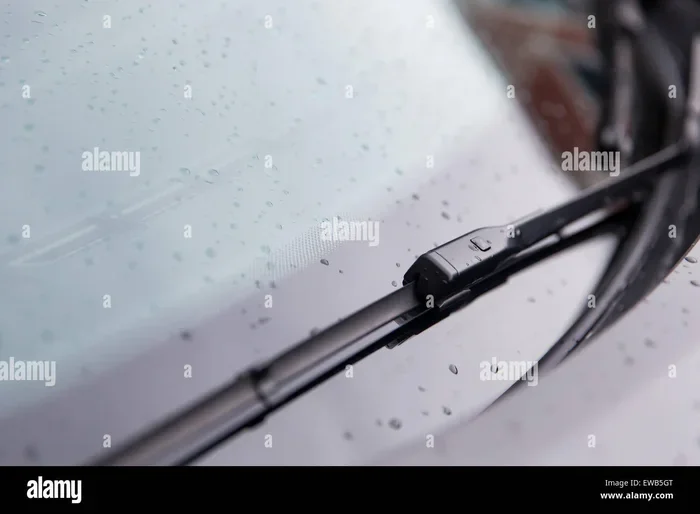
How Do I Get My Windshield Wipers to Turn On Right Now
Getting your windshield wipers to turn on is usually a simple fix you can do at home. Most problems come from a blown fuse, a faulty wiper switch, or a dead motor. This guide walks you through every step to diagnose and solve the issue quickly and safely.
Key Takeaways
- Check the fuse first: A blown fuse is the most common reason wipers stop working.
- Inspect the wiper switch: The switch on your steering column can wear out over time.
- Test the wiper motor: If the motor gets no power, the problem is electrical, not mechanical.
- Look at the linkage and arms: Sometimes the wipers work but cannot move the blades.
- Reset the system: A simple reset can fix many wiper glitches in modern cars.
- Replace worn blades: Old wiper blades can cause the motor to strain and fail.
- Know when to call a pro: Some issues need a trained technician.
📑 Table of Contents
- How Do I Get My Windshield Wipers to Turn On Right Now?
- Why Do Windshield Wipers Stop Working?
- Step 1: Check the Wiper Fuse
- Step 2: Test the Wiper Switch
- Step 3: Inspect the Wiper Motor
- Step 4: Check the Wiper Linkage and Arms
- Step 5: Reset the Wiper System
- Step 6: Replace Wiper Blades and Check Wiper Fluid
- Common Mistakes People Make When Fixing Wiper Problems
- Expert Tips for Keeping Your Windshield Wipers in Top Shape
- When Should You Call a Professional?
- Key Takeaways
- Conclusion
How Do I Get My Windshield Wipers to Turn On Right Now?
There is nothing more frustrating than a rain shower and wipers that refuse to work. You flip the switch. Nothing happens. You wonder if you need a mechanic or if this is something you can fix yourself. The good news is that most wiper problems are simple and fixable at home.
This guide will show you exactly how to get your windshield wipers to turn on in minutes. We will walk through every possible cause from the easiest fix to the more complex ones. Whether you drive a Toyota, Honda, Ford, or anything else, the basic steps are the same. You will learn how to check fuses, test the motor, and replace parts if needed.
Before you start, make sure your car is parked on a flat surface and the ignition is off. Safety always comes first. Windshield wiper repair is one of the most common car maintenance tips every driver should know. You do not need special tools for most of these steps. A basic do you need a tool to change windshield wipers guide can help if you also need to replace your blades at the same time.
Let us dive in and get those wipers working again.
Why Do Windshield Wipers Stop Working?
Windshield wipers rely on a simple electrical and mechanical system. When you flip the switch, power flows through a fuse to the motor. The motor spins a linkage that moves the wiper arms across your glass. If any part of this chain breaks, the wipers stop.
Here are the most common reasons windshield wipers not working:
- Blown fuse: The fuse that powers the wiper circuit has blown.
- Faulty wiper switch: The switch on your steering column is worn or broken.
- Dead wiper motor: The motor itself has failed or lost power.
- Broken linkage: The mechanical arm connecting the motor to the wiper arms is damaged.
- Corroded wiring: Wires have rusted or disconnected over time.
- Tripped safety feature: Some cars have a wiper parking mode that locks them in place.
Each of these causes has a clear fix. The key is to work through them in order from simplest to most complex. You will save time and money by starting with the fuse.
Step 1: Check the Wiper Fuse
The fuse is the first thing you should check. It is the most common reason wipers fail, and it is the easiest to fix. A fuse is a small safety device that stops power from flowing if there is a surge. When it blows, the wipers get zero power.
Where Is the Wiper Fuse Located?
Open your driver side door and look for the fuse box. In most cars, you will find one fuse box under the dashboard on the left side. Some vehicles also have a second fuse box under the hood. Check your owner manual for the exact location. The manual will also list which fuse controls the wipers.
How to Test the Fuse
Follow these simple steps to test your fuse:
- Turn off the ignition and remove the key.
- Pull the fuse box cover off. It usually clips or twists off.
- Find the wiper fuse using the diagram on the inside of the lid.
- Gently pull the fuse out with the plastic puller tool included in the box.
- Look at the metal strip inside the fuse. If it is broken or melted, the fuse is blown.
- Replace it with a new fuse of the same amp rating.
If the new fuse blows again right after you turn on the wipers, you have a bigger electrical problem. Do not keep replacing fuses. This means there is a short circuit somewhere in the wiring. Take your car to a mechanic at this point.
Step 2: Test the Wiper Switch
If the fuse is fine, the next suspect is the wiper switch. This is the stalk or button on your steering column that controls the wiper speed and settings. Over time, these switches wear out from daily use.
Signs of a Bad Wiper Switch
Watch for these warning signs that your wiper switch is failing:
- The wipers only work on one speed setting.
- The wipers do not turn off when you switch them off.
- You hear a clicking sound but the wipers do not move.
- The intermittent wiper setting stops working.
How to Test the Switch
Testing the switch requires a multimeter, which you can pick up at any auto parts store for under twenty dollars. Set the multimeter to measure voltage. Turn the ignition on and move the wiper switch to different positions. If you read zero voltage at the switch output, the switch is bad and needs replacement.
Replacing a wiper switch is a moderate repair. You will need to remove the steering column cover. If you are not comfortable doing this, a mechanic can do it in under an hour.
Step 3: Inspect the Wiper Motor
The wiper motor is the heart of the system. It is a small electric motor mounted under the hood, usually near the base of the windshield. When the switch sends power to the motor, it spins and moves the linkage.
How to Know If the Motor Is Bad
Here is how to test if your wiper motor is the problem:
- Turn the ignition on and switch the wipers on.
- Listen carefully under the hood. Do you hear a humming or buzzing sound?
- If you hear nothing, the motor is not getting power.
- If you hear a hum but the wipers do not move, the motor may be seized.
You can also check for power at the motor connector directly. Use your multimeter to see if voltage reaches the motor when the switch is on. If power is present but the motor does not run, the motor is dead and needs replacement.
Replacing a wiper motor is a more involved job. You will need to remove the windshield cowling and disconnect the linkage. If you want to tackle this yourself, search for a how many man hours does it take to build a car guide to understand general automotive labor concepts. For most people, this is a job best left to a professional.
Step 4: Check the Wiper Linkage and Arms
Sometimes the motor works perfectly but the wipers still do not move. In this case, the problem is mechanical. The linkage connects the motor to the wiper arms and transmits the spinning motion into a back-and-forth sweeping action.
Common Linkage Problems
- Broken linkage rod: The rod that connects the motor to the wiper transmission can snap.
- Disconnected wiper arm: The arm that holds the blade can pop off its post.
- Seized transmission: Grease inside the transmission can dry out and lock the gears.
To check the linkage, pop the hood and look at the base of the windshield where the wiper mechanism sits. Have someone turn the wiper switch on while you watch. If the motor spins but the linkage does not move, the linkage or transmission is broken.
Replacing a linkage is usually straightforward. You can find replacement parts at your local auto parts store or online. Just make sure you get the right part for your specific car model.
Step 5: Reset the Wiper System
Modern cars have smart wiper systems with electronic controls. Sometimes the system simply needs a reset. This is especially common after a battery disconnect or a power surge.
How to Reset Your Wiper System
Try this simple reset procedure:
- Turn the ignition off and remove the key.
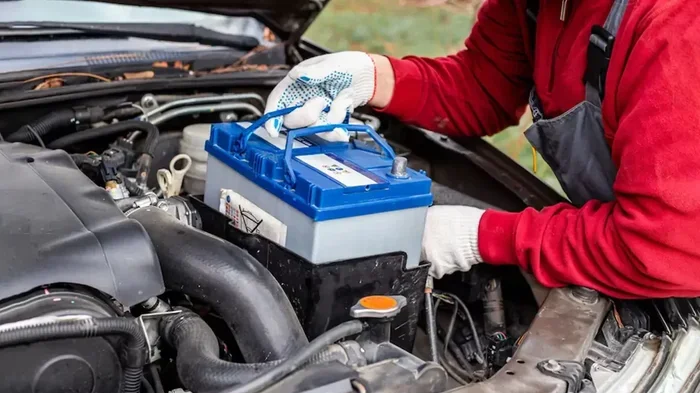
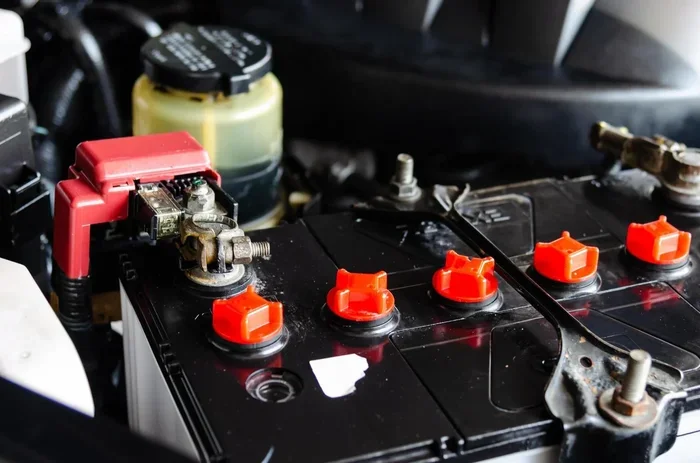
- Disconnect the negative battery terminal for five minutes.
- Reconnect the battery terminal and turn the ignition on.
- Test the wipers by switching them on at the lowest setting.
This reset clears any electronic glitches in the wiper control module. It works for many intermittent wiper issues and sensor-based systems. If your car has rain sensing wipers, a reset can often recalibrate the rain sensor and get them working again.
Some vehicles also have a wiper parking reset procedure in the owner manual. Check there for model-specific instructions. If the reset does not work, the problem is likely hardware and not software.
Step 6: Replace Wiper Blades and Check Wiper Fluid
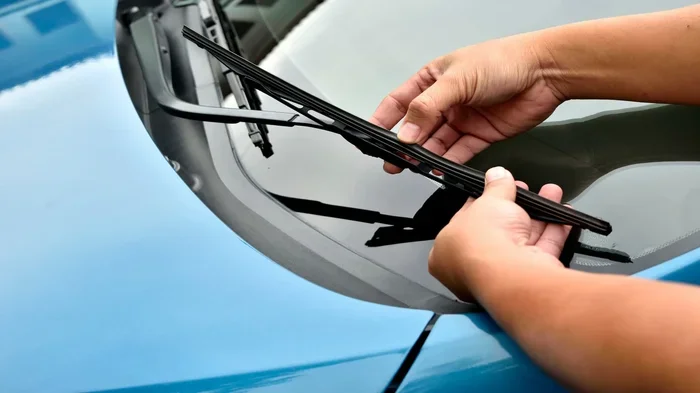
While bad blades will not stop the wipers from turning on, worn blades put extra strain on the motor. If the motor is working hard to move stiff or damaged blades, it can overheat and fail prematurely. Keeping your blades in good shape is a key part of car maintenance tips.
When to Replace Your Wiper Blades
Replace your wiper blades every six to twelve months. Signs that you need new blades include:
- Smearing or streaking on the windshield.
- Chattering or skipping across the glass.
- Cracked or bent rubber edges.
- Wipers that leave visible gaps.
If you need to replace your blades, you may also want to check if you can go up a size in windshield wipers for better coverage. Just make sure the size fits your vehicle properly. Using the wrong size can cause the blades to hit the windshield edges or not cover the full view.
Also, check your wiper fluid level. Low fluid does not stop the wipers from turning on, but it does make them less effective. Top off the reservoir with the proper windshield washer fluid for your climate. In winter, use a winter-grade fluid that will not freeze.
Common Mistakes People Make When Fixing Wiper Problems
Even experienced car owners make mistakes when troubleshooting wiper issues. Here are some common mistakes to avoid:
- Skipping the fuse check: Many people jump straight to the motor when the fuse is the real problem.
- Using the wrong fuse rating: Always replace a fuse with the exact amp rating specified in your manual.
- Forcing the wiper arms: If the wipers are stuck, do not force them by hand. This can damage the linkage.
- Ignoring water in the connector: Corrosion in the electrical connector can block power to the motor.
- Not checking the ground wire: A bad ground connection can cause the motor to receive power but not run.
Avoiding these mistakes will save you time and prevent you from making the problem worse.
Expert Tips for Keeping Your Windshield Wipers in Top Shape
Prevention is always better than repair. Here are some expert insights to keep your wipers running smoothly:
- Clean your windshield regularly: Dirt and grit wear down wiper blades faster.
- Lift the wiper arms in winter: This prevents the rubber from freezing to the glass.
- Use windshield washer fluid, not water: Water does not clean as well and can freeze in the lines.
- Replace blades before they fail: Do not wait until you can barely see through the windshield.
- Check the wiper system during oil changes: Ask your mechanic to inspect the wiper function at every service.
These simple habits will extend the life of your wiper system and keep you safe on the road. If you notice any issues early, address them right away. A small problem today can become a big safety issue tomorrow.
When Should You Call a Professional?
Not every wiper problem is a DIY fix. You should call a professional if:
- The fuse keeps blowing after replacement.
- The wiper motor gets power but does not run at all.
- You smell burning plastic or see smoke under the hood.
- The wiper system involves complex electronics or sensors.
- You are not comfortable working on your car’s electrical system.
A trained technician has the tools and experience to diagnose electrical issues quickly. Many shops offer free wiper inspections. It is always better to be safe than sorry when it comes to your visibility on the road.
Key Takeaways
- Start with the fuse: A blown fuse is the number one reason wipers do not turn on.
- Work through the system step by step: Fuse, switch, motor, linkage, and reset in that order.
- Use the right tools and parts: Match fuse ratings and wiper blade sizes to your vehicle.
- Reset before replacing: A simple battery disconnect can fix electronic glitches.
- Maintain your blades: Regular replacement prevents motor strain and ensures clear visibility.
- Know your limits: Some repairs need a professional. Do not hesitate to call one.
Conclusion
Getting your windshield wipers to turn on is almost always a solvable problem. Start with the simplest fix, the fuse, and work your way through the system. Most of the time, the issue is something you can handle in your driveway with basic tools and a few minutes of your time.
Remember to keep your wiper blades fresh, your fluid topped off, and your electrical connections clean. These small habits make a big difference. If the problem persists after you have checked all the common causes, do not hesitate to visit a trusted mechanic.
Your visibility on the road is too important to ignore. Now that you know how to diagnose and fix wiper problems, you are better prepared for whatever weather comes your way. Stay safe and keep those wipers in top shape.
Frequently Asked Questions
Why won’t my windshield wipers turn on at all?
The most common reason is a blown fuse. Check the fuse box first and replace the wiper fuse if it is blown. If the fuse is good, the next likely cause is a faulty wiper switch or a dead motor. Work through the steps in this guide to narrow down the problem.
How much does it cost to fix windshield wipers that won’t turn on?
A fuse replacement costs just a few dollars. A wiper switch replacement typically runs between fifty and one hundred fifty dollars. A wiper motor can cost one hundred to three hundred dollars including parts and labor. The final cost depends on what part is actually broken.
Can a dead battery cause windshield wipers not to work?
Yes, a weak or dead battery can prevent the wiper motor from getting enough power to operate. If your battery is old or struggling, have it tested. You can also check if a bad battery cause the wrench light to come on since electrical issues often trigger multiple warning lights.
How do I know if my wiper motor is bad?
Turn the ignition on and switch the wipers on. Listen for a humming sound under the hood. If you hear the motor trying to run but the wipers do not move, the motor may be seized. If you hear nothing at all, the motor may not be getting power from the electrical system.
Can I drive with broken windshield wipers?
You should not drive with broken wipers, especially in rain or snow. Poor visibility is a serious safety hazard. If your wipers fail while driving, pull over safely and address the issue. Many states also require functioning wipers as part of vehicle safety inspections.
How often should I replace my windshield wiper blades?
Replace your wiper blades every six to twelve months. Factors like extreme heat, cold, and frequent use can shorten their lifespan. If you notice streaking, chattering, or visible damage on the rubber, replace them immediately. Clean windshield wipers work better and put less strain on the motor.