What It Means When Your Car Wont Start But Lights Come On
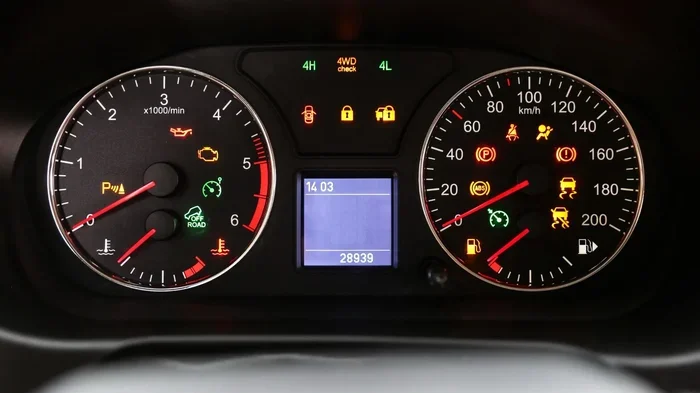
Your car won’t start but lights come on usually points to an issue with the electrical system, ignition, or fuel delivery rather than a completely dead battery. When your dashboard lights stay bright but the engine refuses to turn over, it tells you that power is reaching the accessories but not the starter or engine. This guide breaks down every possible reason your vehicle won’t fire up and gives you clear steps to diagnose and fix the problem. You’ll learn how to tell the difference between a simple fix and a serious repair, saving both time and money.
Key Takeaways
- Power reaches accessories but not the engine: When your car won’t start but lights come on, the electrical system is partially working, which narrows down the possible causes.
- Battery and terminal issues are the most common culprits: Corroded or loose battery terminals can prevent enough current from reaching the starter motor.
- Ignition switch and starter motor failures are frequent causes: These components wear out over time and can stop your engine from cranking even when you have full electrical power.
- Fuel system problems often get overlooked: A failing fuel pump or clogged filter can leave your engine with no fuel even though everything else looks normal.
- Security systems can secretly prevent starting: Immobilizers and faulty key fob batteries can block your engine from turning over without any obvious warning.
- Simple diagnostics can save you hundreds of dollars: Many causes of a car that won’t start but has power can be checked at home with basic tools.
- Know when to call a professional: Some electrical and fuel issues require expert diagnosis and specialized equipment to repair safely.
📑 Table of Contents
Why Your Car Lights Work But It Won’t Start
There’s nothing more frustrating than turning your key or pressing the push-button start and hearing silence. Yet your dashboard lights glow brightly, your radio still works, and your power accessories are fully functional. This exact situation happens to millions of drivers every year, and it almost always means one thing: your car won’t start but lights come on.
When your car won’t start but lights come on, it tells you something important about your vehicle’s electrical system. Your battery is alive enough to power the lights and accessories, but it can’t deliver the massive burst of energy needed to crank the engine. Think of it like a water hose that can fill a glass but can’t power a fire hose. The water flows, but not with enough pressure.
Understanding this distinction is the first step toward solving the problem. Your vehicle’s electrical system has two separate power paths. One path runs to your lights, radio, and dashboard. The other path sends a heavy electrical current to the starter motor, which turns the engine over. When your car won’t start but lights come on, the first path is working fine. The problem lies somewhere in the second path or in the engine itself.
Several components share responsibility for starting your car. The battery provides the stored energy. The starter motor uses that energy to spin the engine. The ignition switch tells the system to engage. The neutral safety switch ensures the car is in park or neutral. And the fuel system must deliver gas to the engine at the right pressure. When any one of these fails, you get the maddening symptom of lights on but no start.
The good news is that this symptom gives you a head start on diagnosis. Because you know the battery has some charge and the electrical system is partially functional, you can rule out a completely dead battery right away. This article walks you through every possible cause, from the simplest fix to the most complex repair, so you can get back on the road with confidence.
The Most Common Causes
When your car won’t start but lights come on, the root cause usually falls into one of several categories. Let’s explore the most common reasons this happens and what each one feels like when you turn the key.
| Cause | What You Notice | Severity | DIY Fixable? |
|---|---|---|---|
| Corroded Battery Terminals | Clicking sound, slow crank, or no response at all | Low | Yes |
| Weak or Dead Battery | Dim lights when turning key, slow engine crank | Low to Medium | Yes (jump start or replace) |
| Faulty Ignition Switch | No response at all, or accessories work but engine won’t crank | Medium | No (needs replacement) |
| Bad Starter Motor | Single loud click, grinding noise, or complete silence | Medium to High | No (professional repair) |
| Failed Fuel Pump | Engine cranks but won’t fire, starts after sitting briefly | High | No (professional repair) |
| Neutral Safety Switch Failure | No start in park but may start in neutral | Medium | Sometimes |
| Security System Lockout | Security light flashes on dashboard, no crank at all | Medium | Sometimes (key fob or reset) |
Each of these causes has a distinct signature. Learning to recognize the sounds and behaviors your car shows when you try to start it will help you narrow down the problem fast. A single click usually points to the starter motor or solenoid. A rapid clicking often means a weak battery. Complete silence with working lights often points to the ignition switch or neutral safety switch.
Quick Tip
Before you dig into any diagnosis, try turning the key to the “ON” position (not start) and wait about five seconds before cranking. This gives the fuel pump time to build pressure, which can sometimes solve a no-start condition caused by a fuel system issue.
Corroded or Loose Battery Terminals
This is the number one most common reason your car won’t start but lights come on. Your battery terminals are the connection points where electrical current flows from the battery to the rest of the car. Over time, these terminals can develop a white or blue-green crusty buildup called corrosion. This corrosion acts like an insulator, blocking the flow of electricity.
When the terminals are corroded, your battery still has plenty of power. It can run your dashboard lights and radio because those need very little current. But the starter motor needs a massive surge of electricity, and the corroded terminals can’t deliver it. The result is a clicking sound or complete silence when you turn the key.
The fix is simple and cheap. You can clean the terminals with a wire brush or a baking soda and water solution. Just disconnect the cables (negative first, then positive), scrub away the corrosion, and reconnect them (positive first, then negative). This small maintenance task solves the problem more often than most drivers realize.
Weak or Failing Battery
Even though your lights work, your battery might not have enough juice to crank the engine. A battery can read 12.6 volts with no load (just the lights on) but drop to 10 volts or lower when the starter motor demands a huge burst of current. This is why your car won’t start but lights come on can still be a battery problem.
Batteries typically last three to five years. Heat, short trips, and leaving accessories on all shorten their lifespan. If your battery is older than three years and you live in a hot climate, it might be time for a replacement. A simple battery load test at any auto parts store will tell you exactly where your battery stands. Many stores test it for free.
Faulty Ignition Switch
The ignition switch is the component that sends electrical signals to different parts of your car when you turn the key. When it wears out, it can prevent the starter circuit from engaging while still allowing power to flow to your lights and accessories.
Signs of a failing ignition switch include flickering dashboard lights, the key feeling loose or sticking, and the car starting intermittently before completely refusing to start. This is a more serious issue that usually requires professional diagnosis and replacement. But it’s a straightforward repair once identified.
Electrical and Ignition System Problems
Your car’s starting system relies on a chain of electrical components working together perfectly. When your car won’t start but lights come on, the breakdown often happens somewhere in this chain between the battery and the engine.
The Starter Motor and Solenoid
The starter motor is the heavy-duty electric motor that actually turns your engine over when you start the car. It’s connected to the battery through a solenoid, which acts like a heavy-duty relay. When you turn the key, the solenoid pushes the starter gear into the engine’s flywheel and sends a massive electrical current to the motor.
Starter motors fail for several reasons. The brushes inside wear out over time. The solenoid can develop a bad spot in its coil. The motor’s internal windings can short out. When a starter fails, you might hear a single loud click, a rapid clicking, or nothing at all. If your lights work fine but you get clicking sounds and the engine won’t turn over, the starter motor is a prime suspect.
Replacing a starter motor is not a DIY job for most drivers. The starter sits in a hard-to-reach spot on the engine, often behind other components. A mechanic can typically replace it in one to two hours. The cost ranges from $200 to $500 depending on your vehicle model.
The Neutral Safety Switch
The neutral safety switch is a safety feature that prevents your car from starting unless the transmission is in park or neutral. When this switch fails, it can block the starting circuit even when everything else is working perfectly.
Here’s a simple test you can do at home. Try turning the key while the shifter is in neutral. If the car starts in neutral but not in park, the neutral safety switch is likely the problem. This is a relatively inexpensive repair, and some drivers temporarily adjust the switch themselves. But a proper replacement usually costs between $100 and $250 at a repair shop.
Bad Ground Wires and Electrical Connections
Your car’s electrical system relies on a complete circuit. Power flows from the battery through wires to components and then back through ground wires to the battery. A bad ground wire can interrupt this circuit and prevent the starter motor from receiving power.
Ground wires connect to the engine block and the car’s chassis. Over time, these connections can corrode, loosen, or rust. When a ground connection is weak, your lights and accessories might still work because they draw very little current. But the starter motor, which needs a huge current, simply can’t get through.
Checking ground wires is something any car owner can do. Look for the wires connecting the battery to the engine block and chassis. Clean any corrosion and tighten the connections. This simple step resolves many mysterious no-start conditions.
Common Mistakes People Make
- Assuming it’s always the battery: Many people jump-start their car when the real problem is corroded terminals or a bad starter motor.
- Ignoring the clicking sound: A single click usually means the solenoid is engaging but the starter motor is bad. Rapid clicking usually means the battery is too weak.
- Not checking the simple stuff first: Loose battery cables and corroded terminals are the easiest and cheapest fixes. Always check these before replacing expensive parts.
- Tapping the starter with a hammer: This old trick sometimes works temporarily, but it can damage the starter and is not a real fix.
Fuel System Issues That Prevent Starting
Here’s a surprise for many drivers: your car won’t start but lights come on can be caused by a fuel system problem, not an electrical one at all. If your engine cranks normally (you hear it turning over) but it just won’t fire up, the problem is likely fuel-related.
Fuel Pump Failure
The fuel pump sends gasoline from the tank to the engine at the right pressure. When the fuel pump fails, the engine gets no fuel even though it cranks perfectly. Fuel pumps can fail suddenly or gradually. A gradual failure often shows warning signs first, like a whining noise from the fuel tank, hesitation when accelerating, or the engine stalling at highway speeds.
One telltale sign of a failing fuel pump is when the car starts after sitting for 20 minutes but won’t start when it’s hot. Heat causes the pump’s internal windings to weaken, and a hot pump can’t maintain the right pressure. A fuel pump replacement typically costs between $400 and $800, with parts accounting for most of that cost.
Clogged Fuel Filter
The fuel filter catches debris and contaminants before they reach the engine. Over time, it can become clogged and restrict fuel flow. A severely clogged filter can prevent enough fuel from reaching the engine to start it.
Fuel filters are inexpensive and easy to replace. Most should be changed every 30,000 to 40,000 miles. If it’s been a long time since your last filter change and your car cranks but won’t start, this is a quick and cheap thing to check.
Empty Fuel Tank (Yes, Really)
It sounds silly, but fuel gauge malfunctions happen more often than you’d think. The gauge might read full while the tank is actually empty. Before you assume the worst, check the actual fuel level. Many drivers have been saved by a simple walk to the gas station with a portable fuel container.
Expert Insight
Experienced mechanics say that when a car cranks but won’t start, the first thing they check is fuel delivery. They listen for a brief humming sound from the back of the car when you turn the key to the “ON” position (not start). This sound is the fuel pump priming. If you don’t hear it, the fuel pump or its relay is likely the problem. This simple listening test can save hours of unnecessary electrical diagnosis.
Security and Anti-Theft System Failures
Modern vehicles come packed with security features designed to prevent theft. These systems can sometimes malfunction and prevent your car from starting even when everything else is perfectly healthy. When your car won’t start but lights come on and you hear no crank at all, the security system could be the culprit.
Key Fob Battery Issues
If your car uses a push-button start system, it relies on a key fob to communicate with the vehicle. When the fob’s battery gets low, the car might not recognize it as a valid key. The dashboard lights work fine, but the car refuses to start because it thinks someone is trying to steal it.
Replacing the key fob battery is easy and costs just a few dollars. Most fobs use a CR2032 coin cell battery. Check your owner’s manual for the exact battery type. Many drivers keep a spare battery in their glove box for exactly this situation.
Immobilizer System Malfunction
The immobilizer is an electronic security feature that prevents the engine from running unless it recognizes the correct key. When the immobilizer system malfunctions, it can block the starter motor and fuel injection system simultaneously. This often happens after a battery disconnect, a recent battery replacement, or when the key’s transponder chip gets damaged.
If your security warning light flashes on the dashboard when you try to start the car, the immobilizer is likely engaged. Try using a spare key if you have one. If the spare key works, the problem is with the transponder chip in your primary key. A dealer or locksmith can reprogram or replace the key.
Quick Tip
If your push-button start car won’t start, try holding the key fob directly against the start button. Many cars have a backup antenna built into the button area that can read the fob even when its battery is completely dead. This trick can get you going long enough to reach a dealer or auto parts store.
How to Diagnose and Fix the Problem
Now that you know the common causes, let’s walk through a systematic approach to diagnosing why your car won’t start but lights come on. Following these steps in order will help you identify the problem quickly and avoid unnecessary repairs.
Step 1: Check the Battery Voltage
Get a multimeter and test the battery voltage with the car off. A fully charged battery should read 12.6 volts or higher. If it reads below 12.4 volts, the battery is partially discharged. If it reads below 12.0 volts, the battery is likely too weak to start the car even though it has enough power for the lights.
Next, have someone turn the key to the start position while you watch the voltage. If it drops below 10 volts during cranking, the battery can’t handle the load. This is a clear sign you need a new battery or a jump start.
Step 2: Inspect the Battery Terminals
Open the hood and look at the battery terminals. They should be clean and metallic, not covered in white, blue, or greenish buildup. If you see corrosion, disconnect the cables (negative first), clean the terminals with a wire brush or battery cleaner, and reconnect them securely.
Also check that the cables are tight. A loose cable can vibrate loose over time, especially on cars driven on rough roads. Give each terminal a gentle tug to make sure the connection is snug.
Step 3: Listen for the Click
When you turn the key, pay close attention to what you hear. A single loud click usually means the solenoid is engaging but the starter motor is bad or not getting enough power. Rapid clicking usually means the battery is too weak to power the starter. No sound at all often points to the ignition switch, neutral safety switch, or a completely failed starter circuit.
Step 4: Check the Fuel Pump
Turn the key to the “ON” position without starting the engine. Listen carefully at the back of the car near the fuel tank. You should hear a brief humming or whirring sound lasting about two seconds. This is the fuel pump pressurizing the system. If you hear nothing, the fuel pump might be dead, or its relay or fuse could be blown.
Step 5: Try the Neutral Safety Switch
If the car won’t start in park, try shifting to neutral and pressing the start button or turning the key again. If it starts in neutral, the neutral safety switch needs adjustment or replacement. This is a relatively simple and inexpensive fix.
Expert Insight
Professional mechanics recommend keeping a basic diagnostic toolkit in your trunk. A multimeter, a pair of jumper cables, a flashlight, and a spare key fob battery can help you handle most no-start situations on the spot. These small investments pay for themselves many times over by helping you avoid costly tow bills and unnecessary part replacements.
When to Call a Professional
While many causes of your car won’t start but lights come on can be diagnosed at home, some situations call for professional help. If you’ve checked the battery, terminals, and fuel pump and the car still won’t start, it’s time to see a mechanic. Electrical problems involving the ignition switch, starter motor, or wiring harness often require specialized tools and expertise to diagnose properly.
Also call a professional if your car starts intermittently. An intermittent no-start issue can be dangerous and is often a sign of a failing component that will eventually leave you stranded. A mechanic can use diagnostic scanners to read error codes from your car’s computer, which can pinpoint the exact problem much faster than manual testing.
Cost is another factor to consider. A basic diagnostic session at a repair shop typically costs between $50 and $100. This is money well spent if it prevents you from replacing parts that aren’t actually broken. Many shops will credit the diagnostic fee toward any repair they perform, so don’t hesitate to get a professional opinion when you’re stuck.
Prevention Tips to Avoid Future No-Start Situations
The best way to deal with your car won’t start but lights come on is to prevent it from happening in the first place. A few simple maintenance habits can keep your starting system healthy for years.
- Get your battery tested annually: Most auto parts stores offer free battery testing. This helps you replace a weak battery before it leaves you stranded.
- Clean battery terminals every six months: A quick cleaning with a wire brush prevents corrosion buildup that can block electrical current.
- Don’t leave accessories on when the engine is off: Lights, radio, and phone chargers drain your battery over time, especially if the engine isn’t running to recharge it.
- Replace your fuel filter on schedule: A clean fuel filter ensures proper fuel flow to the engine and prevents starting issues.
- Keep a spare key fob battery in your car: A dead fob battery can leave you stranded even when your car is perfectly healthy.
- Drive your car regularly: Batteries charge while you drive. A car that sits unused for weeks can develop a weak battery that can’t start the engine.
Common Mistakes to Avoid
- Ignoring warning signs: Slow cranking, dim lights when starting, and occasional no-starts are all early warning signs. Address them before they become a complete failure.
- Over-tightening battery terminals: This can crack the battery post and cause a new set of problems. Tighten until snug, then give it just a quarter turn more.
- Using the wrong battery: Not all batteries are the same. Make sure your replacement battery matches the cold cranking amps (CCA) rating recommended for your vehicle.
- Charging a frozen battery: If your battery has been sitting in freezing temperatures, don’t try to charge it. A frozen battery can explode. Let it warm up to room temperature first.
Conclusion
Dealing with a car won’t start but lights come on situation can feel overwhelming, but it doesn’t have to be. The fact that your lights work is actually good news. It tells you the battery has some charge and the electrical system is partially functional, which narrows down the possible causes significantly.
From corroded battery terminals to a failing fuel pump, from a faulty ignition switch to a dead key fob battery, there are many reasons this can happen. The good news is that most of them are diagnosable at home and many are affordable to fix. By following the steps in this guide, you can systematically work through the possible causes and find the solution.
Remember to start with the simplest explanations. Check your battery terminals, listen for the fuel pump, try the neutral safety switch, and make sure your key fob battery isn’t dead. These small checks solve the problem more often than people realize. And when the problem is beyond a DIY fix, don’t hesitate to call a trusted mechanic. A professional diagnosis can save you time, money, and a lot of frustration.
The most important takeaway is this: your car won’t start but lights come on is a very common problem with many known solutions. You’re not alone, and this issue is almost always fixable. Stay calm, follow the diagnostic steps, and you’ll be back on the road before you know it.
Frequently Asked Questions
Can a bad alternator cause my car not to start even though the lights work?
Yes, a failing alternator can cause this exact problem. The alternator charges your battery while you drive. When it starts to fail, your battery slowly loses charge. The lights and accessories still work because they need very little power, but the battery can’t deliver enough current to crank the engine. If you notice your lights dimming when you idle or your battery warning light flickering, the alternator might be to blame.
Why does my car make a clicking sound but won’t start?
A clicking sound usually means the solenoid is trying to engage the starter motor but can’t complete the circuit. This is most often caused by a weak battery, corroded terminals, or a bad starter motor. A single loud click typically points to a starter motor problem, while rapid clicking usually indicates the battery doesn’t have enough charge to power the starter.
How do I know if it’s my battery or my starter motor?
A simple test helps distinguish between the two. Turn the key to start and watch the dashboard lights. If they dim significantly or flicker, the battery is trying to work but can’t deliver enough current, which points to a battery problem. If the lights stay bright but you hear a single click or nothing at all, the starter motor or its circuit is likely the issue. A multimeter test can confirm the battery’s health.
Can a dead key fob battery cause my car not to start?
Absolutely. Cars with push-button start systems rely on the key fob to communicate with the vehicle’s immobilizer system. When the fob battery dies, the car can’t verify the key is valid and will refuse to start. Try holding the fob directly against the start button or the steering column area. Most vehicles have a backup reader that can detect the fob even with a dead battery.
Is it safe to drive if my car sometimes won’t start?
An intermittent no-start issue is a warning sign that should not be ignored. It usually means a component is failing and will eventually stop working completely. While the car might start fine one day and refuse to start the next, this unpredictable behavior can leave you stranded. Have the issue diagnosed as soon as possible to avoid getting stuck in an unsafe location.
How much does it cost to fix a car that won’t start but has power?
The cost varies widely depending on the cause. Cleaning corroded battery terminals costs almost nothing. A battery replacement typically runs $100 to $250. A starter motor replacement costs $200 to $500. A fuel pump replacement can range from $400 to $800. Ignition switch repairs usually fall between $150 and $300. Getting a proper diagnosis first ensures you don’t pay for unnecessary parts.