Can I Use My Handicap Placard in Another Car While Driving
Yes, you can typically use your handicap placard in another car while driving, but there are important rules you must follow. The placard hangs from the rearview mirror and is meant for the person with the disability, not the vehicle. Understanding disabled parking permit laws and accessible parking regulations helps you avoid fines and stay compliant.
If you rely on a disability parking permit, you know how much easier it makes daily life. But what happens when you hop into a friend’s car, a rental, or your spouse’s vehicle? Can I use my handicap placard in another car while driving? This is a question many disabled drivers ask, and the answer is not always straightforward.
The short answer is yes, in most cases you can use your handicap placard in another car. The placard belongs to you, the person with the disability, not to a specific vehicle. However, there are rules, restrictions, and common mistakes that can land you in trouble if you are not careful. This guide walks you through everything you need to know about using your disabled parking placard in someone else’s car.
Whether you have a temporary disability placard or a permanent one, understanding the rules protects you from fines and keeps accessible parking spaces available for those who truly need them. Let us break it all down.
Key Takeaways
- Transferable Permit: Your handicap placard is tied to you, not your car, so you can use it in another vehicle.
- Correct Placement Matters: Hang the placard from the rearview mirror where parking enforcement can see it clearly.
- State Laws Vary: Rules differ by state, so always check your local state parking laws.
- Penalties Are Real: Misusing a placard can lead to fines, confiscation, or even license suspension.
- Only for the Disabled Person: The placard is for the individual with the disability, not for anyone else to use.
- Time Limits Apply: Temporary placards expire, and permanent ones need renewal on schedule.
- Know the Rules: Staying informed keeps you protected and helps prevent handicap parking abuse accusations.
📑 Table of Contents
- Understanding Your Handicap Placard
- Can I Use My Handicap Placard in Another Car While Driving?
- State-by-State Variations in Parking Laws
- Common Mistakes When Using a Placard in Another Car
- Possible Penalties for Placard Misuse
- Tips for Using Your Placard in Another Car
- Expert Insights on Disabled Parking Permits
- Key Takeaways
- Conclusion
Understanding Your Handicap Placard
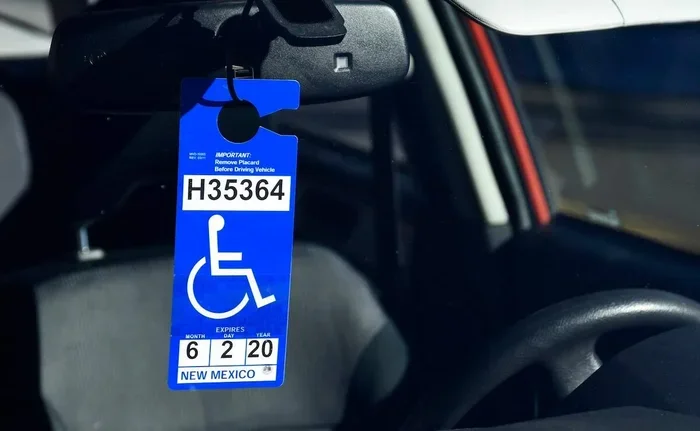
A handicap placard, also called a disabled parking permit or handicap tag, is a portable device that grants parking privileges. It hangs from your rearview mirror and signals to enforcement officers that you are authorized to park in accessible parking spaces. These placards come in two main forms: temporary and permanent.
What Is a Handicap Placard?
A disability parking permit is issued by your state’s Department of Motor Vehicles or equivalent agency. It verifies that you have a qualifying condition that limits your mobility. The placard allows you to park closer to entrances in designated accessible parking spaces. Without it, finding a convenient spot can be a daily struggle for people with mobility disabilities.
Temporary vs. Permanent Placards
Temporary disability placards are issued for short-term conditions. Think surgery recovery, a broken leg, or a temporary medical episode. These usually expire within six months to a year. Permanent disability placards are for long-term or lifelong conditions. They typically need renewal every few years, depending on your state.
Both types follow the same core rules when it comes to using them in another vehicle. The key difference is simply the duration of validity.
Who Qualifies for a Placard?
Qualification criteria vary by state, but common conditions include:
- Limited ability to walk due to arthritis, neurological disorders, or injuries
- Use of a wheelchair, walker, or cane
- Vision impairment that affects mobility
- Heart disease, lung disease, or other conditions that limit physical endurance
- Loss of a limb or partial mobility
If you qualify, you received your placard because of your condition. That means the placard travels with you, regardless of which car you are riding in.
Can I Use My Handicap Placard in Another Car While Driving?
This is the million-dollar question, and the answer depends on a few factors. In the vast majority of states, the handicap placard is personal, not vehicle-specific. You can absolutely use it when driving or riding in another car. But there are nuances you need to understand.
The Placard Follows the Person, Not the Car
Here is the most important thing to know: your disabled parking permit is issued to you as an individual. It is not tied to your license plate or your specific vehicle. This means you can hang it in your friend’s sedan, your family member’s SUV, or even a rental car. The parking placard rules are designed around the person, not the automobile.
This is great news for people who carpool, share rides, or travel with family. You do not need a separate placard for every vehicle you enter. Your handicap license plate (if you have one) is different, though. That one is tied to the vehicle. But the hangtag placard? It is yours alone.
When You Cannot Use It in Another Car
There are a few situations where using your placard in another vehicle is not allowed:
- Someone else is using it without your presence. If your friend borrows your placard to park while you are not in the car, that is misuse.
- The placard has expired. An expired disabled parking decal grants no privileges, regardless of whose car it is in.
- Your state has specific restrictions. A few states impose additional rules on out-of-state placards or temporary permits.
The bottom line: the placard is yours, but only you can use it. Letting someone else use it, even with good intentions, can result in serious consequences.
Placard Transfer Rules You Should Know
Parking placard transfer is a sensitive topic. You cannot sell your placard, lend it permanently, or give it to someone who does not have their own qualifying disability. It is meant to accommodate disabled drivers who need to park close to their destination. The rule of thumb is simple: if you are present and using the placard yourself, you are generally in the clear.
State-by-State Variations in Parking Laws
One of the trickiest parts of disabled parking permit laws is that they vary from state to state. While the federal government sets broad guidelines, each state writes its own rules for placard use, penalties, and eligibility. This means what is legal in California might differ slightly from what is legal in New York or Texas.
Why State Laws Matter
When you use your handicap placard in another car, you are still subject to the laws of the state where you are parked or driving. If you are visiting another state, make sure you understand their specific accessible parking regulations. Most states honor out-of-state placards, but some have unique requirements.
For example, some states require the placard to be displayed in a specific way. Others have stricter definitions of what qualifies as a mobility disability. Always research before traveling with your placard.
States With Notable Rules
Here are a few examples of how different states handle parking placard rules:
- California: Requires placards to be hung from the rearview mirror. Fines for misuse can exceed $1,000.
- Florida: Takes handicap parking abuse seriously. Repeat offenders can lose their placard permanently.
- New York: Offers both temporary and permanent permits, with clear rules about who can use them.
- Texas: Allows temporary placards for up to six months, with strict renewal processes.
- Illinois: Has increased penalties for fraudulent use of disabled parking permits.
These are just a few examples. The point is that local laws shape how you can and cannot use your placard. Always check your state’s DMV website or contact their office directly for the latest information.
Common Mistakes When Using a Placard in Another Car
Even well-meaning drivers make mistakes with their handicap placard. These errors can lead to parking tickets, fines, or worse. Let us look at the most common pitfalls.
Forgetting to Display the Placard Properly
The most common mistake is failing to hang the placard from the rearview mirror. If you toss it on the dashboard or leave it in the glove box, parking enforcement may not see it. That can result in a ticket for not displaying your disabled parking permit. Always hang it clearly where the officer can see it from outside the vehicle.
Using Someone Else’s Placard
This one is obvious but happens more than you would think. Handicap parking abuse is a real problem, and law enforcement takes it seriously. If you do not have your own qualifying disability, you cannot use someone else’s placard. Even if you are driving them to an appointment. The rules are clear: the placard belongs to the person with the disability.
Using an Expired Placard
A temporary disability placard that has expired is no longer valid. Some people forget to renew their permits and end up parking illegally. Set a reminder on your phone a month before your placard expires. Staying on top of parking enforcement deadlines saves you from unnecessary fines.
Assuming All States Honor Placards the Same Way
Traveling with your placard? Do not assume every state treats it the same way. While most states honor out-of-state permits, some have additional requirements. Check the state parking laws of your destination before you travel.
Leaving the Placard in the Car When Not Parking
Some people leave their placard hanging in the mirror even when they are not parking in an accessible space. This can confuse enforcement officers. Remove the placard when you are parking in a regular space. It shows respect for the system and helps prevent any misunderstandings.
Possible Penalties for Placard Misuse
Misusing a handicap placard is taken seriously across the country. The penalties can be steep, and they vary by jurisdiction. Understanding what is at stake helps you stay compliant.
Fines and Fees
Fines for disabled parking violations range widely. In some states, a first offense might cost around $250. In others, especially in areas with heavy enforcement, fines can exceed $1,000. These are not cheap parking tickets. They are serious penalties for misusing a privilege meant for people with disabilities.
Placard Confiscation
In many states, a first offense can result in the confiscation of your disability parking permit. This means you lose your parking privileges entirely until you can prove your eligibility again. For some people, losing their placard creates significant daily challenges.
License Suspension
Repeat offenders or those caught fraudulently using a placard may face license suspension. This is especially true in states with aggressive parking enforcement programs. A suspended license affects your ability to drive, work, and live your daily life.
Community Service or Jail Time
In extreme cases, particularly involving fraud or forgery, offenders may face community service or even jail time. These are rare but possible outcomes for serious violations of accessible parking privileges.
Impact on Future Permits
A violation can make it harder to renew your placard in the future. Some states flag your record and subject you to additional scrutiny during the renewal process. Staying clean keeps the system fair for everyone.
Tips for Using Your Placard in Another Car
Using your handicap placard in another car while driving does not have to be complicated. Follow these practical tips to stay compliant and stress-free.
Always Carry Your Placard With You
Treat your placard like your wallet or keys. You need it anytime you park, no matter whose car you are in. Keep it in a consistent spot in your bag or console so you never forget it.
Know the Rules Before You Travel
Planning a road trip? Research the accessible parking regulations of every state on your route. A quick search on each state’s DMV website takes just a few minutes and saves you from unexpected fines.
Display It Clearly and Correctly
Hang the placard from the rearview mirror on the inside of the windshield. Make sure it is visible from outside the car. Do not let it dangle where it might obstruct your view or fall off while driving.
Renew on Time
Set calendar reminders for renewal dates. Whether you have a temporary disability placard or a permanent one, timely renewal keeps your privileges active and avoids lapses.
Never Let Others Use It Without You Present
This cannot be said enough. Your placard is for you. If your spouse or friend needs to park in an accessible space, they need their own permit. Sharing your placard when you are not present is misuse and can result in penalties.
Report Fraud When You See It
Handicap parking abuse takes spots away from people who genuinely need them. If you see someone misusing a placard, report it to local authorities. You are helping protect the integrity of the system for everyone with a mobility disability.
Expert Insights on Disabled Parking Permits
We spoke with a disability rights advocate about the challenges people face with disabled parking permits. She emphasized that most people who use their placard in another car do so out of genuine need, not malice. The real problem is a small percentage of people who abuse the system.
“The placard is a lifeline for people with disabilities,” she explained. “When it is misused, it undermines trust and makes it harder for people who truly need accessible parking spaces. Education and awareness go a long way.”
Her advice for anyone using their placard in another car is simple: know the rules, display it properly, and never let someone else use it without you there. That keeps everyone safe and the system fair.
Another expert in accessible parking regulations pointed out that technology is making enforcement easier. Many cities now use digital systems to track placard use and flag suspicious activity. This means compliance is more important than ever.
Key Takeaways
- Transferable Permit: Your handicap placard is tied to you, not your car, so you can use it in another vehicle.
- Correct Placement Matters: Hang the placard from the rearview mirror where parking enforcement can see it clearly.
- State Laws Vary: Rules differ by state, so always check your local state parking laws.
- Penalties Are Real: Misusing a placard can lead to fines, confiscation, or even license suspension.
- Only for the Disabled Person: The placard is for the individual with the disability, not for anyone else to use.
- Time Limits Apply: Temporary placards expire, and permanent ones need renewal on schedule.
- Know the Rules: Staying informed keeps you protected and helps prevent handicap parking abuse accusations.
Conclusion
So, can I use my handicap placard in another car while driving? Yes, you can. Your handicap placard is a personal permit that travels with you, not with your vehicle. Whether you are driving your own car, a friend’s SUV, or a rental vehicle, your disabled parking permit grants you the right to use accessible parking spaces.
But with that right comes responsibility. Display your placard correctly, follow your state’s parking placard rules, and never let someone else use it without you present. The penalties for misuse are serious, and they can disrupt your life in ways you do not want to deal with.
Understanding accessible parking regulations and state parking laws protects you and preserves the integrity of the system for everyone with a mobility disability. Stay informed, stay compliant, and drive with confidence knowing you are doing the right thing.
The rules around disability parking permits exist to serve people who need them. Use your placard responsibly, respect the process, and you will continue to enjoy the convenience and accessibility you deserve.
Frequently Asked Questions
Can I use my handicap placard in my spouse’s car?
Yes, you can use your handicap placard in your spouse’s car as long as you are present and using it yourself. The placard belongs to you as an individual, not to a specific vehicle. Just make sure it is displayed correctly from the rearview mirror.
What happens if someone else uses my handicap placard without me?
If someone else uses your disabled parking permit without you present, it is considered misuse. Both you and the other person could face fines, placard confiscation, or other penalties. The placard is meant for the person with the disability only.
Do all states honor out-of-state handicap placards?
Most states honor out-of-state disability parking permits, but rules can vary. Some states have additional requirements or restrictions. Before traveling, check the accessible parking regulations of your destination state to avoid any issues.
Can I use a temporary handicap placard in another car?
Yes, a temporary disability placard works the same way as a permanent one when it comes to using it in another vehicle. As long as the placard is valid and you are the one using it, you can park in accessible spaces regardless of the car.
Is it legal to leave my handicap placard hanging in the mirror when not parking in a disabled spot?
It is best to remove your placard when you are not parking in an accessible parking space. Leaving it up can confuse parking enforcement and may be interpreted as an attempt to deceive. Always take it down when parking in regular spots.
How do I renew my handicap placard?
Renewal processes vary by state, but most require you to submit a renewal application along with a doctor’s certification. Check your state’s DMV website for specific instructions. Set a reminder well before your disabled parking decal expires to avoid any lapse in your parking privileges.