Can Jumper Cables Be Used on a Hybrid Car Battery
This guide answers the question: Can Jumper Cables Be Used on a Hybrid Car Battery? Yes, you can safely jump-start a hybrid, but the process differs from a conventional car. Hybrids have both a 12-volt auxiliary battery and a high-voltage battery pack, so you must follow specific steps to avoid damage.
Key Takeaways
- Always check your hybrid owner’s manual before attempting a jump-start. Every model has unique battery locations and procedures.
- Locate the 12-volt auxiliary battery, which is often in the trunk or under a seat. Never connect cables to the high-voltage battery pack.
- Follow the correct cable order: positive first, then negative on a grounded metal point. This prevents sparks near the hybrid battery.
- Turn off both vehicles and engage the parking brake before connecting cables. Safety is the top priority when working with any battery.
- Wait at least 10 minutes after jump-starting to let the hybrid system stabilize. This allows the voltage to regulate properly.
- When in doubt, call a professional or roadside assistance. Hybrid systems are complex, and improper handling can be dangerous.
📑 Table of Contents
Understanding the Hybrid Battery System
Hybrid vehicles are everywhere on today’s roads. They combine a traditional internal combustion engine with an electric motor. This setup delivers excellent fuel economy and lower emissions. But it also introduces a unique challenge: two separate battery systems. Many drivers assume a hybrid works just like a regular car. It does not. Understanding the difference is the first step to staying safe.
A hybrid relies on a 12-volt auxiliary battery to power the starter, lights, and computer systems. This is the same type of battery found in a conventional car. Then there is the high-voltage battery pack. This pack stores energy for the electric motor and is typically made of nickel-metal hydride or lithium-ion cells. The high-voltage system operates at several hundred volts. It is completely separate from the 12-volt system. You will never jump-start the high-voltage pack with cables. Doing so would be extremely dangerous.
The 12-Volt Battery: Your Jump-Start Target
The 12-volt battery is the heart of your hybrid’s electrical system. When you turn the key or press the start button, this battery sends power to the starter motor. If the 12-volt battery dies, your hybrid will not start. This is exactly the same situation as a conventional car. Jump-starting a hybrid means boosting this 12-volt battery, not the high-voltage pack. The high-voltage battery simply provides energy to the electric motor. It does not need a jump-start.
Where Is the 12-Volt Battery Located?
Unlike regular cars, hybrids do not always place the 12-volt battery under the hood. Many models hide it in the trunk. Others tuck it under a rear seat or behind a kick panel. Some hybrids even locate it in the engine bay but in a different spot than a conventional battery. Always consult your hybrid owner’s manual before you open anything. The manual will show you the exact location and how to access it safely.
Quick Tip: Keep a copy of your hybrid owner’s manual in the glove box. If you ever need to jump-start the car, you can quickly find the 12-volt battery and the correct procedure.
Can Jumper Cables Be Used on a Hybrid Car Battery?
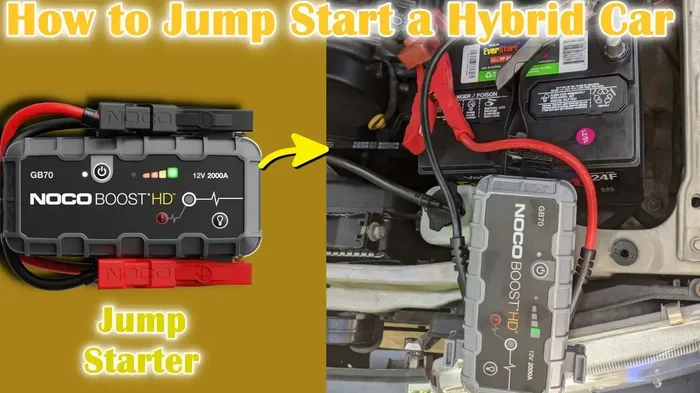
The short answer is yes. You can use standard jumper cables on a hybrid car battery, but only the 12-volt auxiliary battery. The process is similar to jump-starting a conventional vehicle, yet there are critical differences. Hybrids have sensitive electronic systems and high-voltage components. You must be careful where you place the cables and which terminals you touch.
Yes, But With Important Differences
When you jump-start a hybrid, you are working with the low-voltage 12-volt battery. The high-voltage battery pack is sealed and should never be tampered with. The hybrid system will automatically disconnect the high-voltage circuit when the car is off. This adds a layer of safety. However, you still need to follow the correct sequence. Mixing up the cable connections can damage the hybrid computer or, in rare cases, cause a spark near the high-voltage components.
When You Can and Cannot Jump-Start a Hybrid
You can jump-start a hybrid if the 12-volt battery is dead. This often happens after leaving the lights on or when the car sits unused for weeks. You cannot jump-start a hybrid if the high-voltage battery is faulty. A damaged high-voltage battery will trigger warning lights on the dashboard. In that case, you need a qualified technician. Never attempt to boost a high-voltage battery with cables. The risk of electric shock is too high.
| Aspect | Conventional Car | Hybrid Car |
|---|---|---|
| Battery System | Single 12-volt battery | 12-volt auxiliary battery + high-voltage battery pack |
| Jump-Start Target | 12-volt battery | 12-volt auxiliary battery only |
| High-Voltage Components | None | Sealed high-voltage battery and wiring |
| Safety Precautions | Standard cable order | Avoid high-voltage areas; follow manual |
| Recommended Wait Time | 5 minutes | 10 minutes after starting |
Step-by-Step: How to Safely Jump-Start a Hybrid
Follow these steps carefully to jump-start your hybrid without any issues. Take your time and do not rush. Safety comes first.
Step 1: Gather Your Equipment
You need a set of jumper cables and a working vehicle with a healthy 12-volt battery. Make sure the cables are in good condition with no frayed insulation. Choose a pair with thick gauge wires for a strong current. Keep the cables organized so you can connect them quickly and correctly.
Step 2: Position the Vehicles
Park the working vehicle close to the hybrid. The front ends should face each other, but the cars must not touch. Engage the parking brake on both vehicles. Turn off the ignition, lights, and all accessories in both cars. This prevents electrical surges when you connect the cables.
Step 3: Locate the 12-Volt Battery Terminals
Open the hood of the working vehicle and find its 12-volt battery. Identify the positive terminal (usually marked with a + or red cover) and the negative terminal (marked with a – or black cover). Next, locate the 12-volt auxiliary battery on your hybrid. It may be under the hood, in the trunk, or under a seat. Clean any corrosion from the terminals with a cloth if needed.
Step 4: Connect the Jumper Cables in the Correct Order
This is the most important step. Wrong order can cause sparks or damage the hybrid system. Follow this exact sequence:
- Connect the positive clamp (red) to the dead hybrid’s 12-volt battery positive terminal.
- Connect the other positive clamp (red) to the working vehicle’s 12-volt battery positive terminal.
- Connect the negative clamp (black) to the working vehicle’s 12-volt battery negative terminal.
- Connect the last negative clamp (black) to an unpainted metal ground point on the hybrid’s engine block or frame. Stay away from the hybrid battery pack and any high-voltage cables.
Expert Insight: Always attach the final negative cable to a grounded metal point on the hybrid, not directly to the dead battery’s negative terminal. This reduces the risk of sparking near the battery, which could ignite any hydrogen gas that may have built up.
Step 5: Start the Vehicles
Start the working vehicle first and let it idle for a few minutes. Then start the hybrid. On many hybrids, you simply press the power button. The hybrid system will take a few seconds to initialize. If the hybrid does not start immediately, wait a minute and try again. Do not keep the working car running at high RPM.
Step 6: Disconnect the Cables Carefully
Once the hybrid is running, remove the cables in the reverse order of connection:
- Remove the negative clamp from the hybrid’s ground point.
- Remove the negative clamp from the working vehicle’s battery.
- Remove the positive clamp from the working vehicle’s battery.
- Remove the positive clamp from the hybrid’s battery.
Keep the clamps from touching each other during removal. This prevents accidental short circuits.
Common Mistakes to Avoid When Jump-Starting a Hybrid
Even experienced drivers can make errors when jump-starting a hybrid. Knowing the common mistakes helps you avoid costly repairs and keeps you safe.
Mistake 1: Connecting Cables to the High-Voltage Battery
The biggest danger is confusing the 12-volt battery with the high-voltage battery pack. The high-voltage pack has brightly colored orange cables and a sealed housing. Never attach jumper cables to any orange components. The high-voltage system is not meant to be jump-started and can cause severe electric shock.
Mistake 2: Forgetting to Turn Off Both Vehicles
Some drivers leave the hybrid in ready mode while connecting cables. The hybrid system remains active in ready mode, which can interfere with the jump-start process. Always turn the ignition completely off on both cars. This ensures the electrical systems are stable before you make any connections.
Mistake 3: Reversing the Cable Order
Connecting the negative cable to the dead battery’s negative terminal first can create a spark right at the battery. Hybrid batteries are in a sealed box, but a spark could ignite any gas venting from the 12-volt battery. Always follow the positive-positive, negative-ground sequence.
Mistake 4: Leaving the Cables Connected Too Long
Once the hybrid starts, remove the cables promptly. Leaving them connected while both cars run can cause a voltage surge. This surge may damage the hybrid’s sensitive electronics, including the inverter and battery management system.
Mistake 5: Ignoring Warning Lights After the Jump
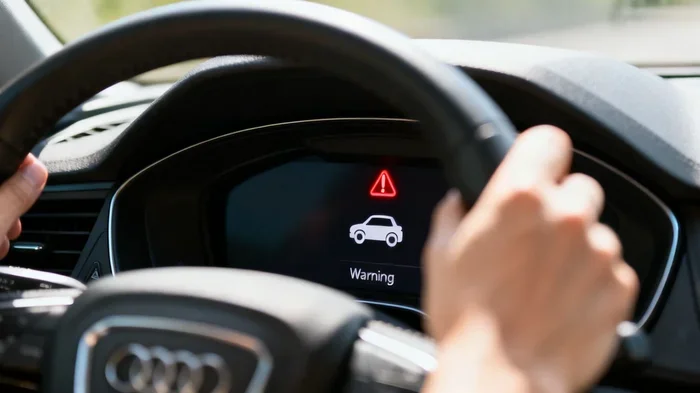
If the hybrid dashboard shows warning lights after the jump-start, do not ignore them. A check engine light or hybrid system warning could indicate a deeper issue. Drive to a safe spot and turn off the car. Call for roadside assistance or a hybrid-trained technician.
When to Call a Professional
Not every situation is suitable for a DIY jump-start. Knowing when to call for help protects you and your hybrid’s complex systems.
Signs You Should Not Attempt a Jump-Start
- The hybrid battery pack has been physically damaged or leaked.
- You see warning lights for the high-voltage system on the dashboard.
- The 12-volt battery is cracked or visibly leaking acid.
- You are unsure about the location of the 12-volt auxiliary battery.
- You do not have access to another vehicle or jumper cables.
Hybrid-Specific Roadside Assistance
Many roadside assistance services now have technicians trained in hybrid and electric vehicle systems. They carry the right equipment and know how to safely handle high-voltage components. If you are ever in doubt, a simple phone call can save you from expensive repairs. Keep the number of a hybrid-friendly tow service in your phone.
Quick Tip: Save your hybrid manufacturer’s roadside assistance number in your phone before you need it. Most hybrid warranties include 24/7 towing and jump-start service for the first few years.
Maintaining Your Hybrid Battery for Longevity
Jump-starting is a temporary fix. The real goal is to keep your hybrid battery healthy so you rarely need a jump. Regular maintenance goes a long way.
Tips to Extend Hybrid Battery Life
- Drive regularly. The hybrid system keeps the 12-volt battery charged during normal driving. A car that sits for weeks can drain the auxiliary battery.
- Check the 12-volt battery terminals. Corrosion can build up over time. Clean them with a baking soda and water solution if you see a white or greenish crust.
- Avoid deep discharges. Do not leave accessories on when the engine is off. This drains the 12-volt battery and can shorten its lifespan.
- Monitor the high-voltage battery health. Most hybrids display battery health in the trip computer. If the capacity drops significantly, a dealer can test it.
How Regenerative Braking Helps
Hybrids use regenerative braking to recover energy during deceleration. This energy tops up the high-voltage battery pack. A healthy high-voltage pack supports the overall hybrid system and ensures the 12-volt battery gets proper charging. The regenerative braking system is one of the main reasons hybrid batteries last so long. It reduces the strain on the traditional battery and improves fuel economy.
When to Replace the Hybrid Battery
Even with good care, hybrid batteries eventually degrade. Most high-voltage battery packs are designed to last 8 to 15 years or 100,000 to 150,000 miles. When the capacity drops below 70 to 80 percent, you may notice reduced fuel economy and power. At that point, a replacement is needed. Always have a certified technician perform the replacement. The high-voltage system requires special handling and calibration.
Final Thoughts
So, can jumper cables be used on a hybrid? Absolutely, but only on the 12-volt auxiliary battery. The process requires a bit more caution than a conventional car, but it is entirely manageable if you follow the steps. Know where your 12-volt battery is located. Use the correct cable order. Never touch the high-voltage components. When you do these things, you can safely get your hybrid back on the road. Can Jumper Cables Be Used on a Hybrid Car Battery is a question with a clear and confident answer: yes, with the right knowledge and care.
Keep jumper cables in your trunk. They are lightweight and take up little space. Being prepared for a dead battery gives you peace of mind on any trip. Share this guide with fellow hybrid owners. A little preparation can save time, money, and a lot of stress. Stay safe and enjoy the fuel-saving benefits of your hybrid vehicle.
Frequently Asked Questions
Is it safe to jump-start a hybrid car?
Yes, it is safe as long as you follow the correct procedure. Hybrids have a 12-volt auxiliary battery that can be jump-started just like a regular car battery. Always avoid the high-voltage battery pack and follow the sequence in your owner’s manual.
Where is the 12-volt battery located in a hybrid vehicle?
The location varies by model. Many hybrids place the 12-volt battery in the trunk, under a rear seat, or behind a panel in the engine bay. Check your hybrid owner’s manual to find the exact spot before you need to jump-start.
Can you use a hybrid car to jump-start another vehicle?
Generally yes, but you must use the hybrid’s 12-volt auxiliary battery. The high-voltage system cannot be used for jump-starting another car. Consult your manual to confirm the correct procedure and terminal locations.
What happens if you accidentally touch the high-voltage battery?
It can be extremely dangerous. The high-voltage system operates at several hundred volts and can cause severe injury or death. Never attempt to open, modify, or connect anything to the high-voltage battery or its orange cables.
Do you need special jumper cables for a hybrid?
Standard jumper cables work perfectly for the 12-volt battery. You do not need insulated cables unless you are working near high-voltage components, which you should never do. Keep a basic set of heavy-gauge cables in your trunk.
How long should you let a hybrid run after a jump-start?
Let the hybrid run for at least 10 to 15 minutes. This allows the hybrid system to stabilize and recharge the 12-volt battery. Driving the car for a while is even better, as it helps restore the battery charge and supports fuel economy.