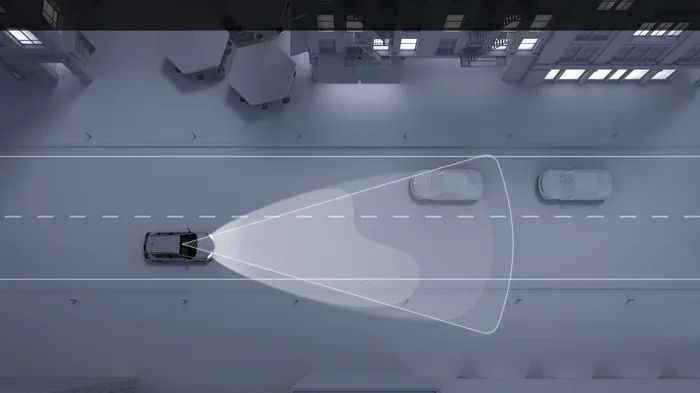
Why Does My Car Automatically Turn on High Beams Headlights
Why Does My Car Automatically Turn on High Beams is a question many drivers ask when their headlights switch to high beam mode without any input. The auto high beam system uses sensors to detect surrounding light, but malfunctions in the sensor, relay, or wiring can cause unexpected behavior. This guide covers every common cause and gives you clear, step-by-step fixes. You will learn how the system works, what triggers it, and when to seek professional help.
You are driving down a dark road at night. Everything seems fine. Then suddenly, your headlights switch to high beam mode all on their own. You toggle the switch, but they stay bright. It can be confusing and even a little scary. Many drivers experience this exact situation and wonder what is going on.
The truth is that your car has a built-in system designed to manage your headlights automatically. This system is called the auto high beam system. It uses sensors and modules to decide when to switch between low and high beams. Most of the time, it works perfectly. But sometimes, something goes wrong. The system gets confused, or a component fails, and your headlights stay on high beam for no clear reason.
This article will walk you through every possible reason this happens. You will learn how the system works, what common problems look like, and exactly how to fix them. Whether you drive a car with halogen headlights, LED headlights, or xenon headlights, the information here applies to you. By the end, you will know exactly what to do when your lights start acting up.
Key Takeaways
- Auto High Beam System: Your car uses sensors to automatically switch between high and low beams based on surrounding light conditions.
- Common Culprits: Faulty light sensors, bad relays, and wiring issues are the top reasons high beams activate unexpectedly.
- Warning Signs: Flickering lights, dashboard warnings, and reduced night visibility signal a problem with your headlight system.
- DIY Fixes: Simple checks like cleaning the sensor, inspecting fuses, and adjusting settings can resolve many issues.
- Professional Help: Complex wiring problems, CAN bus errors, or sensor module failures need a qualified mechanic.
- Prevention: Regular maintenance and inspections keep your automatic headlights working properly for years.
📑 Table of Contents
How Automatic High Beam Systems Work
Before you can fix a problem, you need to understand how the system works. The automatic high beam system is a smart feature found in most modern vehicles. It uses a combination of sensors and software to manage your headlights for you. The goal is simple: give you the best night driving visibility without blinding other drivers.
What Is an Auto High Beam System?
The auto high beam system is also called high beam assist or adaptive driving beam. It automatically switches your headlights between low beam and high beam based on the surrounding environment. When there are no other vehicles ahead or behind you, the system keeps the high beams on. This gives you maximum visibility on dark roads. When it detects another car, it switches back to low beam automatically.
This system relies on a light sensor module, often mounted on the dashboard or near the rearview mirror. The sensor constantly monitors the light around your vehicle. It looks for headlights from other cars and the glow of streetlights. Based on what it detects, it sends a signal to the headlight control module. That module then decides whether to keep the high beams on or switch to low beam.
How the Light Sensor Detects Surrounding Traffic
The auto light sensor is a small but important piece of hardware. It is usually a photodiode or similar light-sensitive component. It measures the amount and direction of light in your environment. When it sees bright lights coming from ahead, it knows another vehicle is present. It then signals the system to drop to low beam.
Some vehicles use a camera-based system instead of a simple sensor. This camera is often mounted on the windshield, near the rearview mirror. It can detect not just the light from other cars but also road signs and lane markings. This type of system is more advanced and is part of the broader adaptive driving beam technology. It provides even better control over your headlight patterns.
Different Types of Automatic Headlight Technology
Not all automatic headlight systems are the same. Different vehicles use different technology. Here are the three main types you might find:
- Halogen Auto Headlights: These are the most common and affordable. They use a traditional halogen bulb and a simple relay to switch between beams. Most older and mid-range vehicles use this type.
- LED Auto High Beams: LED systems are faster and more efficient. They can switch between high and low beams in milliseconds. Many modern cars and trucks come with LED automatic headlights as standard.
- Xenon or HID Auto Systems: These use high-intensity discharge bulbs. They produce a very bright, blue-white light. The auto high beam system in these vehicles is more complex and includes additional ballast and control modules.
No matter which type your vehicle has, the basic principle is the same. A sensor or module detects light conditions and controls the headlight beams accordingly. When this system malfunctions, your headlights can behave unpredictably.
Why Does My Car Automatically Turn on High Beams?
Now that you understand how the system works, let us look at the specific reasons your high beams might turn on automatically. There are several common causes, and they range from simple fixes to more complex electrical problems.
Faulty Auto Light Sensor
The most common reason for unexpected high beam activation is a faulty auto light sensor. Over time, the sensor can become dirty, damaged, or simply wear out. When the sensor malfunctions, it may misread the light conditions around your vehicle. It might think it is dark enough for high beams even during the day. Or it might fail to detect oncoming traffic and keep the high beams on.
Dirt and grime on the sensor are a frequent cause. The sensor needs a clear view of the environment to work properly. If it is covered in dust, snow, or grime, it cannot accurately detect light. A simple cleaning might fix the problem. Use a soft cloth and gently clean the sensor area on your dashboard or windshield.
Headlight Relay Problems
The headlight relay is an electrical switch that controls the power to your headlights. It tells the bulbs when to turn on and off, and it controls whether the high beam or low beam is active. When the relay starts to fail, it can cause the high beams to stay on permanently.
Relay problems are common in older vehicles with higher mileage. The relay contacts can wear out or become corroded over time. When this happens, the relay may get stuck in the high beam position. You might notice that the headlights do not respond to the switch at all, or they flicker between high and low beam randomly.
CAN Bus and Wiring Issues
Modern vehicles use a CAN bus system to allow different electronic modules to communicate with each other. The headlight control module, the sensor module, and the dashboard all talk to each other through this network. If there is a problem with the wiring or the CAN bus system, the communication can break down.
Wiring issues can happen for many reasons. Corrosion in the connectors, damaged wires from road debris, or water intrusion into the headlight housing can all cause problems. When the wiring is compromised, the headlight control module might receive incorrect signals. It might interpret those signals as a command to turn on the high beams.
Water damage is a particularly common cause of wiring problems. If your vehicle has been through a heavy rainstorm or a car wash, moisture can get into the headlight connectors. This can cause short circuits or intermittent connections that make the high beams activate on their own.
Dashboard Settings and Software Glitches
Some vehicles have a setting in the dashboard or infotainment system that controls the auto high beam feature. If this setting gets changed accidentally, it might cause the high beams to stay on. Check your vehicle settings to make sure the auto high beam feature is turned on or off, depending on your preference.
Software glitches are another possible cause. Like any computer system, your vehicle’s electronic modules can experience bugs or errors. A software glitch might cause the headlight control module to malfunction. In most cases, a simple reset or software update from the dealer can fix this. Some vehicles also need a battery reset after a software update to clear any glitches.
Daytime Running Lights and Headlight Switch Conflicts
Many modern vehicles have daytime running lights that stay on automatically when the engine is running. These lights are usually low beam headlights that operate at reduced power. However, in some vehicles, the system can get confused and activate the high beam version of the daytime running lights instead.
This usually happens when the headlight switch is in the auto position. The switch tells the system to manage the headlights automatically. But if the switch itself is faulty or worn out, it might send the wrong signal. The result is that the high beams turn on when they should not. Replacing the headlight switch is usually the fix in this case.
Warning Signs Your Auto High Beam System Needs Attention
Your vehicle usually gives you warning signs before a headlight problem becomes serious. Paying attention to these signs can help you catch the problem early and avoid more expensive repairs.
Flickering or Intermittent High Beams
If your high beams flicker on and off randomly, this is a clear sign of a problem. Flickering usually indicates an electrical issue. It could be a loose connection in the headlight wiring, a failing relay, or a problem with the headlight bulb itself. Do not ignore flickering lights. They tend to get worse over time and can eventually leave you with no headlights at all.
Flickering can also be a sign of a failing voltage regulator. The voltage regulator controls the electrical power going to your headlights. If it is not working properly, the power supply to the bulbs becomes unstable. This causes the flickering effect. A mechanic can test the voltage regulator with a simple multimeter check.
Dashboard Warning Lights
Your dashboard is full of warning lights designed to alert you to problems. If your auto high beam system has a fault, you might see a headlight warning light on the dashboard. This light usually looks like a headlight icon with an exclamation mark or an arrow pointing up.
Do not ignore dashboard warning lights. They are there for a reason. If you see a headlight-related warning, check your headlights as soon as possible. Driving with malfunctioning headlights is dangerous and can also get you pulled over by police in many states.
Reduced Night Driving Visibility
If your auto high beam system is not working correctly, you might notice reduced visibility at night. This can happen in two ways. First, if the system keeps the high beams on all the time, you might blind yourself with glare from your own headlights reflecting off the road. Second, if the system fails to switch to high beam when it should, you will not have enough light to see the road clearly.
Either way, poor night driving visibility is a safety hazard. It makes it harder to see pedestrians, animals, and obstacles on the road. If you notice that your visibility has gotten worse at night, have your headlight system checked right away.
How to Fix Auto High Beam Problems
Now that you know the common causes and warning signs, let us look at how to fix the problem. Some fixes are simple and can be done at home. Others require professional tools and expertise.
Quick Checks You Can Do at Home
Before you take your car to a mechanic, try these simple checks. They take only a few minutes and might solve the problem right away.
- Check the headlight switch position. Make sure the switch is set correctly. If it is in the auto position, try switching it to manual low beam and back to auto. This can sometimes reset the system.
- Clean the auto light sensor. Find the sensor on your dashboard or near the rearview mirror. Wipe it gently with a soft, clean cloth. Remove any dust, dirt, or grime that might be blocking it.
- Check the headlight bulbs. Open the hood and inspect the headlight bulbs. Look for any signs of damage, discoloration, or burnout. A failing bulb can sometimes cause the system to behave erratically.
- Check the fuses. Locate your fuse box and find the fuse for the headlights. A blown fuse can cause all sorts of headlight problems. Replace it with a fuse of the same rating if it is blown.
- Reset the vehicle electronics. Disconnect the battery for about 15 minutes, then reconnect it. This can clear software glitches and reset the headlight control module.
Comparing Common Causes and Solutions
Not all headlight problems have the same fix. Here is a quick comparison of the most common causes and their solutions:
| Problem | Likely Cause | Solution |
|---|---|---|
| High beams stay on constantly | Faulty relay or sensor | Replace relay or clean sensor |
| High beams flicker on and off | Loose wiring or bad bulb | Check connections and replace bulb |
| High beams activate in daylight | Dirty sensor or software glitch | Clean sensor or reset system |
| High beams do not switch automatically | Faulty headlight switch | Replace headlight switch |
| High beams work only sometimes | Wiring corrosion or water damage | Inspect and repair wiring |
When Simple Fixes Do Not Work
If you have tried all the quick checks and your high beams are still turning on automatically, it is time to dig deeper. The problem might be in the headlight control module itself. This module is the brain of your auto high beam system. It processes signals from the sensor and controls the headlight relays. When the module fails, it can cause all sorts of strange headlight behavior.
Another possibility is a problem with the vehicle sensor module. Modern vehicles have many sensor modules that work together. If one module is not communicating properly with the others, it can cause the high beam system to malfunction. A mechanic can use diagnostic tools to read error codes from these modules and pinpoint the exact problem.
In some cases, the problem might be with the headlight wiring harness itself. The wiring harness is the bundle of wires that connects all the headlight components. Over time, the wires can fray, corrode, or break. This is especially common in older vehicles or vehicles that have been exposed to harsh weather conditions. Replacing the wiring harness is a more involved repair, but it is often the only permanent solution for wiring-related problems.
Prevention Tips for Your Headlight System
The best way to deal with auto high beam problems is to prevent them from happening in the first place. Regular maintenance can keep your headlight system working properly for years.
Regular Inspection Schedule
Make it a habit to inspect your headlights regularly. Once a month, walk around your vehicle and check that all headlights are working properly. Look at both the low beam and high beam on each side. If you notice any differences in brightness or any flickering, address it right away.
During your regular oil changes or vehicle inspections, ask the mechanic to check the headlight system. They can inspect the wiring, the relays, and the sensor module. Catching small problems early can save you from expensive repairs later.
Cleaning and Maintenance Best Practices
Keep your headlights and sensors clean. Dirt and grime can build up on the headlights and the sensor over time. This can reduce the effectiveness of both your headlights and the auto high beam system. Use a mild car cleaner and a soft cloth to clean the headlights and the sensor area regularly.
If you live in an area with harsh winters, pay extra attention to your headlights. Road salt and ice can cause corrosion on the connectors and wiring. After driving in snowy or icy conditions, take a moment to check your headlights and clean off any salt or debris.
Keeping Software and Modules Updated
Modern vehicles rely heavily on software to control various systems, including the headlights. Make sure your vehicle software is up to date. Dealers can often update the software during routine service visits. These updates can fix bugs and improve the performance of the auto high beam system.
If you notice any electrical issues after a software update, contact your dealer. Sometimes updates can cause unexpected problems, and the dealer can help you resolve them. Keeping your vehicle’s software current is one of the easiest ways to prevent headlight problems.
When to See a Professional Mechanic
Many auto high beam problems can be fixed at home with simple checks. But some problems are beyond the scope of DIY repairs. Knowing when to see a professional can save you time, money, and frustration.
Signs That DIY Fixes Are Not Enough
If you have tried the quick checks and your high beams are still acting up, it is time to see a mechanic. Other signs that you need professional help include: the problem keeps coming back after you fix it, you see multiple warning lights on the dashboard, or you notice a burning smell coming from the headlight area.
A burning smell is a serious warning sign. It could indicate an electrical short or an overheating component. Do not keep driving if you smell something burning near your headlights. Pull over safely and have your vehicle towed to a repair shop.
What to Expect at the Repair Shop
When you take your vehicle to a mechanic, they will start by running a diagnostic scan. This scan reads error codes from your vehicle’s computer system. The error codes can tell the mechanic exactly which module or sensor is causing the problem.
Based on the diagnostic results, the mechanic will recommend the appropriate repair. This might involve replacing a sensor, a relay, a headlight switch, or a wiring harness. Most headlight repairs are straightforward and can be completed in one to two hours. The cost varies depending on the vehicle and the specific problem, but most repairs fall in the affordable range.
Conclusion
Dealing with headlights that turn on high beam automatically can be frustrating. But now you know exactly why it happens and what you can do about it. Whether the cause is a dirty sensor, a faulty relay, a wiring issue, or a software glitch, there is almost always a fix. The key is to pay attention to the warning signs and address the problem early before it gets worse.
Regular maintenance is your best defense against auto high beam problems. Keep your sensors clean, check your wiring, and stay on top of software updates. These simple steps can keep your automatic high beam headlights working properly for years to come.
If you have tried everything and the problem persists, do not hesitate to see a professional mechanic. They have the tools and expertise to diagnose and fix even the most complex headlight issues. Your safety on the road depends on having working headlights. Take care of your headlight system, and it will take care of you.
Frequently Asked Questions
Can a dirty sensor cause auto high beams to turn on unexpectedly?
Yes, a dirty or grime-covered sensor is one of the most common causes of unexpected high beam activation. The sensor needs a clear view of the surrounding light to work properly. When it is covered in dirt, it cannot accurately detect other vehicles and may keep the high beams on. Cleaning the sensor with a soft cloth often fixes the problem right away.
Is it safe to drive with automatic high beams stuck on?
It is not safe. Stuck high beams can blind other drivers and create a dangerous situation on the road. They can also cause glare that reduces your own visibility. If your high beams are stuck on, switch to manual low beam immediately and get the problem fixed as soon as possible.
How much does it cost to fix an auto high beam system?
The cost depends on the cause of the problem. Simple fixes like cleaning a sensor or replacing a fuse cost very little. Replacing a headlight relay or switch typically costs between $50 and $200. More complex repairs involving wiring or sensor modules can range from $200 to $500. Always get a quote from your mechanic before authorizing repairs.
Do all modern cars have automatic high beam assist?
Most modern vehicles come with some form of automatic high beam assist. However, it is more common in mid-range and luxury vehicles. Basic economy models may not have this feature. You can check your vehicle owner’s manual to see if your car has an auto high beam system.
Can I disable the auto high beam feature?
Yes, most vehicles allow you to turn off the auto high beam feature. There is usually a button or switch on the headlight stalk or dashboard that lets you disable it. Check your owner’s manual for the exact location. Disabling the feature means you will need to manually switch between high and low beams.
What is the difference between auto headlights and auto high beams?
Auto headlights turn your headlights on and off automatically based on ambient light conditions, like when it gets dark or enters a tunnel. Auto high beams specifically control the switching between high beam and low beam. Some vehicles have both features, while others only have one or the other.
=== CONCLUSION ===
Why Does My Car Automatically Turn on High Beams is a question with several possible answers. From faulty sensors and bad relays to wiring issues and software glitches, the causes are varied but almost always fixable. The most important thing is to pay attention to the warning signs and take action early. A little maintenance goes a long way in keeping your headlight system working as it should. Drive safely, keep your lights in good shape, and do not hesitate to seek professional help when you need it.