Why Is My Car Key Not Opening And How To Solve It Today
Your car key not opening the door or ignition is a frustrating problem with several common causes. From a dead key fob battery to a jammed lock cylinder, the reasons are often simple and fixable at home. This guide walks you through every likely cause and the fastest way to solve it today.
You reach for your car keys. You slide them into the door lock or push the button on your key fob. Nothing happens. The car key not opening the door or ignition is one of those moments that throws off your entire day. You are standing in the parking lot, late for work, wondering what went wrong.
The good news is that this problem is more common than you think. In most cases, the fix is quick, affordable, and something you can handle yourself. This guide covers every reason your key might not be working and gives you step-by-step solutions. Let us get you back on the road.
Whether you drive a new vehicle with keyless entry or an older car with a traditional metal key, the causes and solutions overlap more than you might expect. Understanding the lock mechanism and ignition system helps you figure out exactly what is going wrong. We will walk through it all in plain language, no mechanic jargon required.
Key Takeaways
- Dead key fob battery is the #1 reason your remote stops working and causes a car key not opening situation.
- A stuck steering wheel lock can physically prevent your key from turning in the ignition.
- Worn key teeth or a damaged key make it impossible to engage the lock mechanism properly.
- Frozen lock cylinders in cold weather are a common seasonal culprit that blocks the key from turning.
- Transponder key issues can stop your car from starting even when the key physically slides in.
- Knowing when to call a locksmith saves time and prevents costly damage to your lock or ignition.
📑 Table of Contents
- Why Your Car Key Is Not Opening The Door Lock
- Why Your Car Key Is Not Opening The Ignition
- Quick Fixes For A Car Key Not Opening
- When To Call A Professional Locksmith
- How To Prevent Car Key Problems In The Future
- Common Mistakes People Make When Their Key Will Not Work
- Key Takeaways
- Frequently Asked Questions
- Conclusion
Why Your Car Key Is Not Opening The Door Lock
The first thing to figure out is where the problem is happening. Is the car door lock not responding? Is the key not turning at all? Or does the key go in but nothing happens? Each scenario points to a different cause.
Dead Key Fob Battery
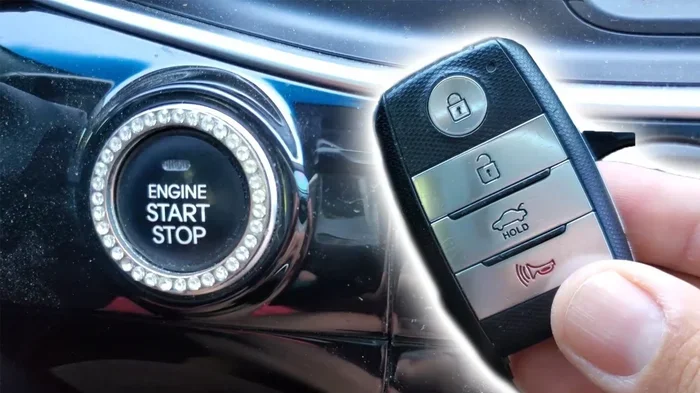
This is the most common reason behind a car key not opening the vehicle. Modern cars use remote key fobs that run on small coin-cell batteries. When the battery dies, the remote signal stops working. You can still use the physical key blade in most models, but the convenience features like remote lock and unlock fail completely.
Most key fob batteries last between one and two years. If your car is older than that and you have not replaced the battery, this is likely your problem. The fix is simple and costs under five dollars. Open the fob, swap the CR2025 or CR2032 battery, and you are back in business.
Worn Key Teeth
Over time, the teeth on your metal key wear down. This happens naturally from thousands of insertions into the lock. When the key teeth become too smooth, they no longer match the tumblers inside the lock cylinder. The result is a key that goes in but will not turn.
If you have had the same key for several years, inspect it closely. Are the ridges worn down? Do you notice any bending or cracks? A worn key is a leading cause of key not turning in lock situations. A locksmith can cut a new key from your vehicle identification number, or you can order a replacement from the dealership.
Frozen Lock Cylinder
Cold weather is a real enemy of your car locks. Moisture gets inside the lock mechanism, freezes, and creates a solid block of ice. The key physically cannot move the tumblers. This happens most often in winter and affects older cars more than newer ones.
The fix is straightforward. Use a lock de-icer spray, which you can buy at any auto parts store. If you do not have that, a small amount of rubbing alcohol or even warm water from a thermos can thaw the ice. Never use boiling water, as the sudden temperature change can crack the lock housing. Once the ice melts, your key should turn freely again.
Broken Key In The Lock
This one is stressful but not uncommon. A weak key or too much force can cause the key to snap inside the door lock cylinder. You are left with half the key stuck inside and the other half in your hand. The remaining piece blocks any new key from working.
Do not try to pull the broken piece out with tweezers unless you can see it clearly and it is close to the surface. You risk pushing it deeper. The best move is to call a professional locksmith who has specialized tools to extract broken keys safely. In the meantime, try your spare key if you have one.
Misaligned Door Latch Or Linkage
Sometimes the problem is not the key at all. The door latch mechanism or the internal linkage can become misaligned after an accident or from normal wear. The key turns fine, but the latch does not engage. You might hear a clicking sound but the door stays locked.
This issue often affects one specific door while the others work perfectly. You may notice the door handle feels loose or spongy. A mechanic can inspect the linkage and realign or replace the affected parts. This is a less common cause but worth considering if none of the other explanations fit.
Why Your Car Key Is Not Opening The Ignition
The ignition problem is a different beast. You get the door open, sit behind the wheel, and the key will not turn in ignition. This can leave you stranded and wondering if your car is totaled. Let us break down the most common causes.
Steering Wheel Lock Engaged
This catches almost everyone at least once. When you park and turn off the engine, the steering wheel locks into place as a theft deterrent. The ignition lock cylinder also locks, and the key cannot rotate. It feels completely stuck.
The solution is simple. Wiggle the steering wheel left and right while gently trying to turn the key. You will feel the wheel release when it unlocks. Once it moves slightly, the key should turn without resistance. This is one of the easiest car key not opening ignition fixes and requires zero tools.
Worn Ignition Cylinder Tumblers
The ignition cylinder contains tiny tumblers that align when the correct key is inserted. Over years of use, these tumblers wear down. The key no longer aligns properly, and it refuses to turn. This is especially common in vehicles that are ten years old or older.
If you notice the key feels loose in the ignition or you have to jiggle it multiple times before it starts, the tumblers are likely worn. Replacing the ignition cylinder is a job a locksmith or mechanic handles quickly. The cost typically ranges from $100 to $300 depending on your vehicle model.
Transponder Key Recognition Failure
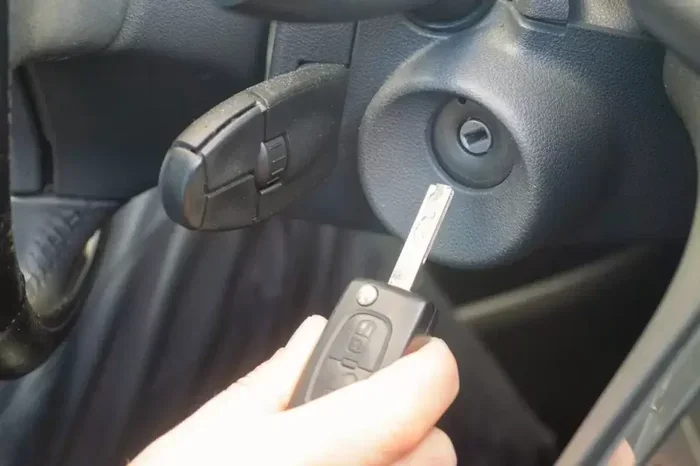
Modern cars use transponder keys that communicate with the vehicle’s engine control unit. The key sends a unique code, and if the car does not recognize it, the engine will not start. This can feel like your key is not working even though it slides into the ignition perfectly.
A dead transponder chip battery, a damaged key chip, or a faulty antenna ring around the ignition can all cause recognition failure. Try holding the key very close to the start button or ignition switch, depending on your vehicle. Some cars have a backup reader location. If the chip is damaged, you will need a new key programmed to your car.
Dirty or Damaged Key
Dirt, grime, and debris build up on your key over time. This gunk gets into the ignition cylinder and prevents the key from seating properly. A dirty key is one of the most overlooked reasons for ignition problems.
Clean your key with a soft cloth and a little rubbing alcohol. If the key is metal, you can also gently insert it and remove it a few times to clear any debris from the cylinder. Avoid using oil or grease, as these attract more dirt and make the problem worse over time.
Faulty Ignition Switch
The ignition switch is the electrical component behind the key cylinder. When it fails, you might have power to the radio and lights but no crank to start the engine. Some drivers mistake this for a battery problem, but it is actually an ignition switch failure.
Signs of a bad ignition switch include flickering dashboard lights, the engine stalling while driving, or the key feeling like it is in the wrong position. This repair requires professional diagnosis. Do not attempt to bypass the switch yourself, as it can cause electrical shorts or safety issues.
Quick Fixes For A Car Key Not Opening
Before you call for help, try these proven fixes. They take minutes and cost nothing in most cases.
Replace The Key Fob Battery
Grab a CR2025 or CR2032 battery from your local store. Open your fob using a small flathead screwdriver or coin. Swap the old battery for the new one, making sure the positive side faces up. Snap the fob back together and test the remote. This solves the problem about 60% of the time.
Use The Physical Key Blade
Many drivers forget they have a hidden physical key inside the fob. Most modern remotes have a small release button or sliding panel. Pop it out and use the metal blade to unlock the door manually. This works even when the battery is completely dead.
Jiggle The Steering Wheel
As mentioned earlier, the steering lock is a frequent cause of ignition issues. Firmly wiggle the wheel back and forth while turning the key. This releases the lock mechanism instantly. It sounds too simple, but it works every time.
Apply Graphite Lubricant
A dry graphite lubricant is your best friend for sticky locks and cylinders. Spray a small amount into the keyhole and work the key in and out several times. The graphite reduces friction and clears minor debris. Do not use WD-40 or oil-based lubricants, as they attract dust and gum up over time.
Warm The Lock In Cold Weather
If ice is the problem, a lock de-icer spray works wonders. Hold the straw nozzle close to the keyhole and spray for a few seconds. Wait 30 seconds, then try the key again. In a pinch, breathe warm air onto the lock or use a hair dryer on a low setting from a distance.
When To Call A Professional Locksmith
Not every problem is a DIY fix. Knowing when to call for help saves you time and prevents expensive mistakes.
Call a locksmith if your key is broken inside the lock or ignition. Extracting a broken key requires precision tools and expertise. Attempting it yourself can push the piece deeper or damage the cylinder beyond repair.
Also call a professional if the ignition lock cylinder needs replacement. This is a precision job that involves aligning the new cylinder with your vehicle’s wiring and security system. A locksmith can handle this on-site in most cases.
If you have tried all the quick fixes and the car key still not opening, it is time for expert help. A qualified locksmith can diagnose electrical issues, program new transponder keys, and replace worn cylinders efficiently. Look for a licensed locksmith with good reviews and 24-hour emergency service if you are stranded.
How To Prevent Car Key Problems In The Future
Prevention is always easier than repair. A few simple habits keep your car lock mechanism and key working smoothly for years.
Replace your key fob battery every 12 to 18 months, even if it still works. This prevents unexpected failures and gives you a heads-up before the battery dies completely. Keep a spare battery in your glove box so you are never caught off guard.
Clean your keys regularly with a soft cloth and mild cleaner. Remove grime from the teeth and the electronic components. Inspect your keys for wear and replace them early if you notice bending or smoothing of the ridges.
Use your key gently. Do not force it into the lock or ignition if it feels resistant. Forcing a stuck key is the fastest way to break it or damage the cylinder. If the key does not slide in smoothly, stop and investigate the cause rather than pushing harder.
In winter, keep your car parked in a garage when possible. If that is not an option, a lock cover or a thin cloth draped over the keyhole can reduce ice buildup. Apply a water-displacing lubricant to the lock cylinder before the cold season hits.
Finally, always keep a spare key in a safe place at home. A spare key saves you from expensive locksmith calls and gives you a backup plan. Some drivers even keep a second fob in their bag or office drawer for added peace of mind.
Common Mistakes People Make When Their Key Will Not Work
Avoid these common errors that make the problem worse or waste your time.
One big mistake is using the wrong lubricant. WD-40 and oil-based sprays feel like they work at first but attract dirt and dust. Over weeks, they create a sticky paste that makes the lock worse than before. Stick with dry graphite lubricant for all lock and cylinder applications.
Another mistake is forcing the key when it is stuck. This is the number one cause of broken keys in locks. If the key does not turn with gentle pressure, stop and figure out why. Forcing it risks snapping the key, cracking the cylinder, or damaging the door lock linkage.
Some people ignore the steering wheel lock and assume something is seriously wrong with their car. They panic and call a tow truck unnecessarily. Remember to wiggle the wheel and try the key again before assuming the worst.
Finally, do not ignore the battery in your transponder key. Many drivers do not realize the chip inside the key has its own small battery. When it dies, the car will not recognize the key even though the physical key turns fine in the ignition.
Key Takeaways
- Dead key fob battery is the #1 reason your remote stops working and causes a car key not opening situation.
- A stuck steering wheel lock can physically prevent your key from turning in the ignition.
- Worn key teeth or a damaged key make it impossible to engage the lock mechanism properly.
- Frozen lock cylinders in cold weather are a common seasonal culprit that blocks the key from turning.
- Transponder key issues can stop your car from starting even when the key physically slides in.
- Knowing when to call a locksmith saves time and prevents costly damage to your lock or ignition.
Frequently Asked Questions
Why does my car key not open the door even with the right key?
The most likely cause is a dead key fob battery or a frozen lock cylinder. Try the physical key blade inside the fob first. If that does not work, spray a lock de-icer into the keyhole and wait a few seconds before trying again. If neither fix works, the lock cylinder tumblers may be worn and need professional replacement.
Can a dead key fob battery prevent my car from starting?
Yes, if your car uses a push-button start system, it relies on the key fob’s transponder signal to recognize the key. A dead battery means the car cannot detect the fob, so the engine will not start. Most vehicles have a backup reader spot on the dashboard or steering column where you can place the fob to bypass the dead battery temporarily.
How do I know if my ignition cylinder is bad?
Signs include the key feeling loose in the ignition, needing to jiggle it multiple times, or the key not turning at all even with the steering wheel released. You may also notice flickering dashboard lights or the engine stalling unexpectedly. A locksmith or mechanic can test the cylinder and confirm whether it needs replacement.
What should I do if my key breaks off in the lock?
Do not try to pull it out with tweezers or pliers unless the broken piece is clearly visible and easy to grip. Pushing it deeper makes extraction much harder. Call a locksmith who has specialized extraction tools. In the meantime, use your spare key if you have one to access your vehicle.
How much does it cost to replace a car key or fob?
A basic key fob replacement costs between $50 and $200 depending on your vehicle. A transponder key with programming can range from $100 to $400. Locksmiths are generally cheaper than dealerships for key replacement. Keep a spare key to avoid emergency replacement costs in the future.
Is it safe to use a locksmith instead of a dealership for key issues?
Yes, licensed locksmiths are trained to handle all types of car key and lock problems. They can cut, program, and replace keys on-site in most cases. Many locksmiths offer 24-hour emergency service and charge less than dealerships. Always check reviews and verify their credentials before hiring.
Conclusion
A car key not opening the door or ignition is almost always caused by something simple and fixable. A dead fob battery, a frozen lock, or a worn key can all create big problems with small solutions. The key is to stay calm, work through the possible causes one by one, and avoid forcing anything that feels stuck.
Most of the fixes in this guide take just a few minutes and cost almost nothing. You can handle them yourself with basic tools and a little patience. When the problem is beyond a quick fix, a professional locksmith is your best resource for safe, affordable repairs.
Keep your spare key accessible, replace your fob battery on schedule, and treat your keys with care. These small habits prevent most car key problems before they start. Now you know exactly what to do when your key fails you. Go ahead, try the fixes, and get back to your day with confidence.