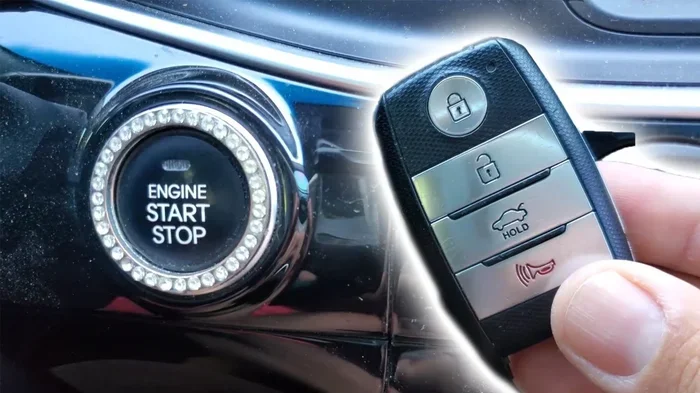
How Does a Car Recognize a Key and Start the Engine
Your car recognizes a key through a smart system called the immobilizer, which uses a hidden transponder chip to verify the key is genuine. When you turn the key or press the start button, the car and key exchange encrypted signals in milliseconds. If the signals match, the engine fires up. Understanding this process helps you troubleshoot starting problems and appreciate the anti-theft technology in modern vehicles.
You turn the key or press a button, and your car roars to life. It feels simple. But behind that effortless start is a fascinating process. How does a car recognize a key and decide whether to let the engine run? The answer lies in a clever mix of electronics, encryption, and anti-theft engineering.
Modern vehicles have come a long way from the old days of plain metal keys. Today, every key or fob carries a tiny computer chip. Your car has a brain that talks to that chip before it allows ignition. This system keeps your vehicle safe and makes starting faster and smoother.
In this article, we will break down the entire process. You will learn what happens inside the key, what happens inside the car, and why both sides must agree before the engine turns over. Whether you drive a basic sedan or a luxury SUV, the principles are the same. Let us dive into the world of car key recognition technology and see how it all works.
Key Takeaways
- Transponder Technology: Every modern car key contains a tiny chip that sends a unique code to the car’s computer.
- Immobilizer System: The immobilizer prevents your engine from starting unless the correct key is recognized.
- Smart Keys Use Radio Signals: Push-button start systems communicate with the key fob using proximity sensors and encrypted signals.
- Common Recognition Failures: Dead key fob batteries, damaged transponder chips, and faulty antenna rings cause most starting problems.
- Simple Fixes Work: Replacing the battery in your key fob often solves recognition issues quickly and cheaply.
- Security Matters: The key recognition system is your car’s first line of defense against theft.
- Professional Help Is Available: Locksmiths and dealerships can program new keys when recognition fails.
📑 Table of Contents
What Happens When You Turn Your Car Key
When you insert a key and turn it to the “on” or “start” position, a chain reaction begins. Many people think the car just checks if the key fits the lock. That is only half the story. The real magic happens in the electrical conversation between the key and the car’s computer.
Here is the step-by-step flow of what actually happens:
- You insert the key and turn the ignition cylinder.
- The ignition coil sends a low-power radio signal to the key’s transponder chip.
- The transponder chip wakes up and sends back a unique identification code.
- The car’s Engine Control Unit (ECU) receives the code and checks it against stored codes.
- If the code matches, the ECU allows the immobilizer to release and fuel to flow.
- The engine starts and runs normally.
This entire process takes less than a second. You barely notice it happening. But if even one step fails, your car will not start. The engine might crank but not fire, or it might not crank at all.
The Ignition Switch and Its Role
The ignition switch is the physical bridge between your key and the car’s electrical system. When you turn the key, the switch completes circuits that power different systems. First, it powers the dashboard lights and electronics. Then, when you turn further to the “start” position, it engages the starter motor.
But the ignition switch also plays a role in key recognition. It activates the antenna coil around the ignition cylinder. This antenna is what sends the signal to the transponder chip. Without a working ignition switch, the car cannot even begin the recognition process.
The Role of the Transponder Chip Inside the Key
The transponder chip is the unsung hero of modern car keys. The word “transponder” comes from “transmitter” and “responder.” It is a tiny electronic component embedded inside the plastic head of your key. You cannot see it, and it has no battery. It gets its power from the radio signal the car sends to it.
Every transponder chip has a unique identification number. This number is programmed at the factory or by a professional locksmith. When the car sends out a signal, the chip responds with its specific number. Think of it like a secret handshake. The car asks, “Are you the right key?” and the chip answers with its unique ID.
How Transponder Chips Are Powered
One of the most interesting things about transponder chips is that they have no internal battery. They work through a process called electromagnetic induction. Here is how it works:
- The car’s antenna coil generates a magnetic field when you turn the key.
- This magnetic field reaches the transponder chip inside the key.
- The chip absorbs energy from that magnetic field and uses it to power its tiny circuit.
- The chip then transmits its unique ID number back to the car.
Because there is no battery, transponder chips last the lifetime of the key. They rarely fail. However, physical damage to the key head can destroy the chip inside. If you break your key or drop it hard enough, the transponder might stop working.
Types of Transponder Keys
Not all transponder keys are the same. There are a few different types you should know about:
- Fixed Code Transponders: These send the same code every time. They are older and less secure. Many cars from the 1990s and early 2000s use them.
- Rolling Code Transponders: These generate a new code each time you use the key. The car and key both know the next code in the sequence. This makes them much harder to copy. Most modern cars use rolling code technology.
- Encrypted Transponders: These add another layer of security by encrypting the signal. The car and key must share a secret encryption key. High-end vehicles and luxury brands often use this type.
Each type makes how a car recognizes a key more sophisticated. The newer the system, the harder it is to bypass or copy.
How the Immobilizer System Works
The immobilizer is the security system that works hand in hand with the transponder. Its job is simple but critical: prevent the engine from starting if the wrong key is used. Without an immobilizer, a thief could hot-wire a car in seconds. With it, the engine simply will not fire without the correct key.
The immobilizer system has three main parts:
- The transponder chip inside the key (we covered this above).
- The antenna coil around the ignition cylinder that reads the chip.
- The ECU (Engine Control Unit) that decides whether to allow starting.
When the ECU receives the key’s code, it compares it to the codes stored in its memory. If there is a match, the ECU sends a signal to release the immobilizer. This allows fuel injection and spark to happen. If there is no match, the ECU blocks the fuel or ignition system, and the engine will not start.
Can You Bypass an Immobilizer?
Some people ask about bypassing the immobilizer, especially when they lose their keys. While it is technically possible, it is not recommended for several reasons:
- It voids your car warranty.
- It makes your vehicle much easier to steal.
- It is illegal in most places to disable factory anti-theft systems.
- Professional programming is a safer and smarter option.
Always work with a qualified locksmith or dealership if you have immobilizer issues. They have the tools to reprogram the system properly.
Smart Keys and Keyless Entry Technology
If you drive a newer car, you might not even use a traditional key. Instead, you carry a smart key fob in your pocket or bag. When you press the engine start button, the car finds the fob and checks if it is the correct one. This is called passive keyless entry and start (PKES) technology.
Smart key systems use radio frequency identification (RFID) and sometimes Bluetooth Low Energy (BLE) to communicate with the car. The process is very similar to transponder keys, but it happens at a greater distance and without inserting anything.
How Proximity Sensors Detect the Key
Your car has multiple low-frequency antennas built into the body. These antennas constantly scan for a smart key fob within range. When you walk up to the car, the antennas detect the fob. The car wakes up and prepares to recognize the key.
Here is what happens when you press the start button:
- The car’s antennas send a signal looking for the smart key fob.
- The fob responds with its encrypted identification code.
- The car’s computer verifies the code against its database.
- If verified, the engine start button becomes active and the engine starts.
This entire process is invisible to you. It just works. But it relies on the fob having a working battery and undamaged electronics.
Why Smart Key Batteries Matter
Smart key fobs run on small coin-cell batteries, usually CR2032 or CR2025. These batteries last about two to four years. When the battery gets low, you might notice warning signs:
- The car does not detect the fob when you approach.
- You need to hold the fob very close to the start button.
- The dashboard shows a key fob warning light.
- The keyless entry stops working from a distance.
Replacing the battery is simple and cheap. Most owners can do it themselves with a small screwdriver. Just open the fob, swap the old battery for a new one, and you are good to go.
Common Problems with Key Recognition
Even the best car key systems can have problems. Understanding common issues helps you diagnose starting problems faster. Here are the most frequent reasons a car fails to recognize a key:
Dead Key Fob Battery
This is the number one cause of key recognition failure. When the fob battery dies, the transponder cannot send its signal. The car simply does not hear the key. Replacing the battery fixes this instantly in most cases.
Damaged or Worn Transponder Chip
If the key head is cracked, broken, or severely worn, the transponder chip inside may be damaged. Water damage can also kill the chip over time. When the chip fails, the car receives no ID code and refuses to start.
Faulty Antenna Ring or Coil
The antenna around the ignition cylinder or the antennas in the car body can fail. This prevents the car from reading the key’s transponder. Antenna failures are less common but can happen, especially in older vehicles or after electrical work.
ECU Software Glitches
Sometimes the problem is software, not hardware. The ECU might lose its stored key codes after a battery disconnect or a power surge. In these cases, a professional needs to reprogram the key into the system.
Wrong Key Used
It sounds obvious, but using the wrong key is a real possibility. If you have multiple keys for different vehicles or duplicate keys that were not properly programmed, the car will not recognize them.
Interference from Other Devices
Rarely, strong radio signals or electronic devices near the key fob can cause interference. This is more common with older fixed-code systems. Rolling code and encrypted systems are much better at rejecting interference.
Tips to Keep Your Car Key Working Properly
Prevention is always better than repair when it comes to car key recognition problems. Here are practical tips to keep your system working smoothly:
- Replace key fob batteries every two to three years before they die unexpectedly.
- Keep keys away from water and extreme heat. Do not leave them on the dashboard in direct sun.
- Handle keys gently. Dropping a key can crack the housing and damage the transponder chip inside.
- Keep a spare key in a safe place. If your primary key fails, you do not want to be stranded.
- Do not place keys near strong magnets or large electronic devices for long periods.
- Have keys programmed by professionals when getting duplicates. Cheap uncut keys may look right but will not be recognized.
- Update ECU software if your manufacturer releases updates that address key recognition issues.
What to Do When Your Car Will Not Start
If your car does not recognize the key, stay calm. Try these steps before calling for help:
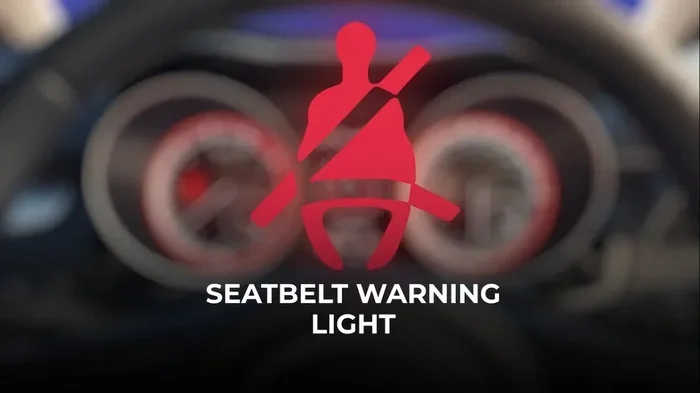
- Check the dashboard warning light. A key fob or immobilizer warning tells you the car is not reading the key.
- Try the spare key. If the spare works, the problem is with the first key, not the car.
- Replace the battery in the key fob. This fixes the issue more often than you might think.
- Hold the fob directly against the start button (for push-button start cars). This uses the fob’s internal battery to send a stronger signal.
- Check for physical damage to the key. Cracks, water damage, or severe wear can all cause failure.
If none of these steps work, it is time to call a professional locksmith or your dealership. They have diagnostic tools and programming equipment to get you back on the road.
The Future of Car Key Recognition
Car key technology is evolving fast. Manufacturers are constantly finding new ways to make starting easier and more secure. Here are some trends shaping the future of how a car recognizes a key:
- Digital Keys via Smartphone: Many new cars now let you use your phone as a key. Your phone uses NFC or UWB (Ultra-Wideband) to communicate with the car. You can unlock and start the vehicle without carrying a physical fob at all.
- Biometric Recognition: Some luxury brands are testing fingerprint or facial recognition to start the car. The vehicle recognizes you, the driver, and allows access.
- Enhanced Encryption: As cars become more connected, encryption standards continue to improve. Rolling codes and dynamic encryption make key cloning nearly impossible.
- Over-the-Air Updates: Future vehicles may update their key recognition software remotely, fixing bugs and adding features without a dealership visit.
These advances make driving more convenient while also improving security. The basic principle stays the same: the car and the key must verify each other before the engine starts. But the methods are getting smarter every year.
Key Takeaways to Remember
Here is a quick recap of the most important points about car key recognition:
- Every modern key has a transponder chip that sends a unique code to the car.
- The immobilizer system blocks the engine if the key code does not match.
- Smart key systems use proximity sensors and encrypted radio signals instead of physical insertion.
- Dead batteries are the most common cause of key recognition failure.
- Professional programming is essential for replacing or duplicating modern car keys.
- The future is digital, with phones and biometrics slowly replacing traditional keys.
Understanding how a car recognizes a key gives you real power as a vehicle owner. You can troubleshoot problems faster, avoid unnecessary trips to the dealer, and appreciate the engineering that keeps your car safe every day.
Next time you turn the key or press the start button, take a moment to think about what is happening behind the scenes. A tiny chip is waking up. A signal is traveling through the air. A computer is making a decision in milliseconds. And your engine comes to life. It is a small miracle of modern technology that happens every single time you drive.
Take care of your keys, keep spare batteries on hand, and know when to call a professional. Your car’s recognition system is one of its most important features, and understanding it makes you a smarter, more prepared driver.
Frequently Asked Questions
Can I drive my car if the key fob battery dies?
Yes, in most push-button start cars, you can hold the fob directly against the start button. The car reads the fob’s signal through contact. However, you should replace the battery as soon as possible to avoid getting stranded.
How much does it cost to replace a transponder key?
The cost varies widely. A basic transponder key from a locksmith may cost $50 to $100. A smart key fob from a dealership can range from $150 to $500 or more depending on the vehicle brand and model.
Can someone steal my car by copying my transponder key?
It is very difficult with modern rolling code and encrypted systems. Older fixed-code transponders are more vulnerable. Always keep your keys secure and consider extra security measures like steering wheel locks for older vehicles.
Why does my car recognize the key sometimes but not others?
This usually points to a weak key fob battery or a partially damaged transponder chip. The signal may be strong enough to read when the fob is close but fails at normal operating distance. Replacing the battery or getting a new key programmed usually fixes this.
Do all cars have immobilizer systems?
Most cars manufactured after the mid-1990s have some form of immobilizer. Many countries now require immobilizers as standard equipment for new vehicles due to theft prevention regulations.
Can a locksmith program a new car key?
Yes, most automotive locksmiths can program transponder keys and smart key fobs. They have the specialized equipment needed to match new keys to your vehicle’s ECU. This is often faster and cheaper than going through a dealership.
=== CONCLUSION ===
How does a car recognize a key and start the engine? It is a coordinated dance between the transponder chip in your key, the antenna that reads it, and the ECU that makes the final decision. Every time you start your car, this process happens in the blink of an eye. The system is designed to be invisible, reliable, and secure.
Understanding this process helps you appreciate the technology in your vehicle. It also empowers you to handle common problems with confidence. Whether it is a dead battery, a damaged chip, or a simple programming issue, knowing the basics of key recognition puts you ahead.
Take good care of your keys, keep spares handy, and never hesitate to call a professional when something feels wrong. Your car’s recognition system works hard to keep you safe and your vehicle secure. A little knowledge goes a long way in making sure it keeps working perfectly for years to come.