How a Car Has to Cover the Distance 60 km in Detail
Learning how a car has to cover the distance 60 km is essential for every driver. This guide covers time estimates, fuel costs, route planning, car prep, and safety tips for a smooth 60 km journey. You will walk away with practical advice that saves time, money, and stress on every trip.
Every driver eventually faces the question of how a car has to cover the distance 60 km. Whether you are commuting to work, heading to a weekend getaway, or running errands across town, traveling 60 km by car is something most of us do regularly. Yet many people overlook the details that make this journey smooth, safe, and cost-effective.
This guide breaks down everything you need to know about covering 60 km by car. From time and fuel calculations to route planning and car preparation, you will find practical insights that apply to real life. We will also share expert tips on fuel economy and driving safety that help you get the most out of every trip. By the end, you will feel confident and prepared whenever your car has to cover the distance 60 km.
Understanding the basics of car distance calculation is the first step toward smarter driving. When you know what to expect, you can plan better, spend less, and enjoy the ride more. Let us dive into the details of how a car has to cover the distance 60 km and what you can do to make each journey count.
Key Takeaways
- Time Matters: Covering 60 km takes anywhere from 30 to 90 minutes depending on speed and road conditions.
- Fuel Planning Is Key: Understanding fuel consumption helps you budget and avoid surprises on your trip.
- Route Choice Changes Everything: The shortest route is not always the fastest. Highway vs city driving makes a big difference.
- Car Prep Before You Go: Simple checks like tire pressure and oil levels boost efficiency and safety.
- Safety Comes First: Staying alert and following basic driving safety tips keeps you protected on every 60 km drive.
- Small Habits Add Up: Fuel economy tips like steady speed and AC management can save you money over time.
- Know Your Vehicle: Understanding your car mileage per liter helps you plan trips with confidence.
📑 Table of Contents
Understanding How a Car Has to Cover the Distance 60 km
Before we get into the specifics, let us build a solid foundation. When we talk about distance 60 km, we are referring to a journey that spans sixty kilometers on the road. This distance is common in daily commutes, regional travel, and short road trips. Understanding the basics helps you plan with confidence.
What Does 60 km Really Mean in Driving Terms?
Sixty kilometers is a moderate distance for a car trip. In city conditions, it might take you an hour or more. On a highway, you could cover it in under 40 minutes. The distance time calculation depends on several factors, including your average speed, traffic, and road type.
Here is a simple way to think about it. If you drive at an average car speed of 60 km/h, you will cover 60 km in exactly one hour. But real-world driving is rarely that simple. Stops, traffic lights, and slowdowns all add time. That is why understanding driving speed and distance together matters so much.
Why Knowing Your Car’s Capabilities Matters
Not all cars perform the same way over a 60 km journey. A compact sedan and a heavy SUV will use fuel differently. Your vehicle range estimation depends on engine size, fuel type, and driving habits.
Before every trip, consider these factors:
- Engine type and fuel efficiency
- Current fuel level
- Tire condition and pressure
- Weight of passengers and cargo
- Weather and road conditions
When you account for these variables, you get a much clearer picture of how a car has to cover the distance 60 km in your specific situation. Car distance calculation becomes simple once you know your vehicle’s baseline performance.
Time and Speed: How Long Does It Take to Cover 60 km?
Time is one of the most practical concerns for any driver. If you need to be somewhere in 60 km, you want to know exactly how long the trip will take. The answer depends on where you are driving and the conditions you face.
City Driving vs Highway Driving
Highway vs city driving is a major factor in your travel time. In city traffic, average speeds drop to 30-40 km/h due to lights, congestion, and stop-and-go patterns. That means a 60 km city drive could take 90 minutes or more.
On a highway, you can maintain 80-100 km/h comfortably. The same 60 km distance shrinks to about 35-45 minutes. Here is a quick comparison:
- City driving: 30-40 km/h average, 90-120 minutes
- Suburban roads: 50-60 km/h average, 60-75 minutes
- Highway driving: 80-100 km/h average, 35-45 minutes
The Role of Traffic and Road Conditions
Even the best shortest route planning cannot control traffic jams or road construction. Rush hour can double your travel time. Rain, fog, or snow also slow you down significantly.
Always build extra time into your schedule. A good rule of thumb is to add 15-20% to your estimated travel time. This buffer keeps you calm and punctual, no matter what the road throws at you.
Quick Tips for Saving Time on a 60 km Trip
- Check traffic apps before you leave
- Leave during off-peak hours when possible
- Use navigation apps with live traffic updates
- Plan your departure time around known congestion zones
- Keep your car well-maintained for consistent performance
These small habits make a big difference when a car has to cover the distance 60 km and you need to arrive on time.
Fuel Consumption and Cost for a 60 km Drive
Fuel is one of the biggest costs associated with any car trip. Understanding your fuel consumption 60 km helps you budget accurately and avoid unpleasant surprises at the pump.
How to Calculate Fuel Usage for 60 km
Most cars display car mileage per liter on the dashboard or in the owner manual. A typical sedan uses about 6-8 liters per 100 km. For a 60 km trip, that translates to roughly 3.6-4.8 liters of fuel.
Here is a simple formula you can use:
- Find your car’s fuel consumption rate (liters per 100 km)
- Divide that number by 100
- Multiply by 60 (your distance in km)
This gives you a reliable estimate of how much fuel you need. If fuel prices are high in your area, this calculation becomes even more valuable for fuel cost calculator planning.
Fuel Economy Tips That Actually Work
Want to stretch every liter? Try these proven fuel economy tips:
- Maintain a steady speed between 50-80 km/h
- Avoid rapid acceleration and hard braking
- Keep your tires properly inflated
- Remove excess weight from your car
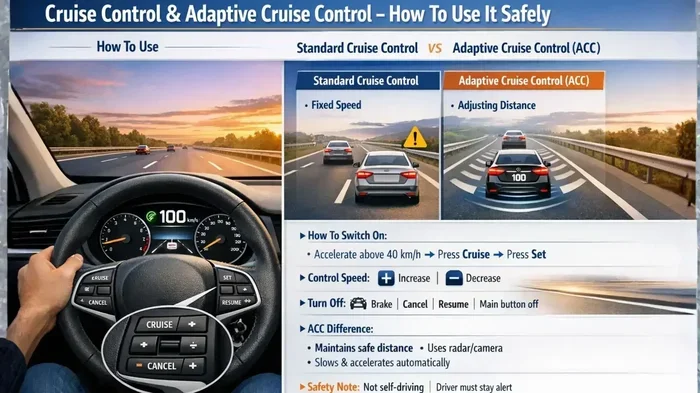
- Use cruise control on highways
- Turn off the AC when it is not needed
- Plan your route to avoid hills and rough roads
Car fuel efficiency improves dramatically when you follow these habits consistently. Over time, the savings add up significantly, especially if you drive 60 km regularly.
How Road Type Affects Fuel Use
Highway vs city driving also impacts fuel consumption. City driving with frequent stops uses more fuel because of acceleration cycles. Highway driving at a steady pace is generally more efficient. However, very high speeds above 120 km/h also increase fuel use due to wind resistance.
The sweet spot for most cars is a steady 80-90 km/h. This is the optimal driving speed for balancing time and fuel economy on a 60 km journey.
Planning the Best Route for Your 60 km Trip
Route planning is an underrated part of any car journey. The right route saves time, fuel, and stress. When a car has to cover the distance 60 km, your route choice directly impacts the entire experience.
Tools and Apps for Route Planning
Modern navigation tools make shortest route planning easier than ever. Google Maps, Waze, and Apple Maps all offer real-time traffic data and alternate routes. These apps calculate the fastest path based on current conditions.
For road trip preparation, consider these factors when choosing your route:
- Number of traffic signals and stop signs
- Road quality and surface conditions
- Availability of fuel stations along the way
- Toll roads vs free roads
- Scenic value and rest stop options
When the Shortest Route Is Not the Fastest
A shorter distance does not always mean a faster trip. A 60 km route with 20 traffic lights might take longer than a 65 km highway route with no stops. Always compare options before you decide.
Trip planning 60 km should also include rest stops. Even on a relatively short drive, a 5-minute break every 30 minutes helps you stay fresh and alert. This is especially important on longer 60 km drives through rural areas.
Building a Habit of Smart Route Planning
Make route planning a habit before every drive. Spend two minutes checking your navigation app for delays or construction. This small effort pays off every single time you hit the road.
Preparing Your Car for a 60 km Journey
Smart drivers prepare their vehicles before every trip. Car maintenance for long drives is not just about big services. Simple pre-trip checks can prevent problems and improve performance.
Essential Pre-Trip Checks
Before you set out to cover 60 km, run through this quick checklist:
- Tire pressure: Check all tires including the spare. Proper car tire pressure for efficiency improves fuel economy and safety.
- Oil level: Make sure the engine oil is between the minimum and maximum marks.
- Coolant and washer fluid: Top up both reservoirs before you leave.
- Lights and signals: Test headlights, brake lights, and turn signals.
- Brakes: Listen for any unusual sounds when you lightly press the brake pedal.
- Fuel level: Ensure you have enough fuel for the trip plus a buffer.
How Car Condition Affects Your 60 km Drive
A well-maintained car performs better in every way. Clean air filters, fresh spark plugs, and proper wheel alignment all contribute to smoother driving and better fuel economy tips compliance. Regular maintenance also extends the life of your vehicle.
Vehicle range estimation becomes more accurate when your car is in good shape. A poorly maintained engine can use 10-20% more fuel than it should. That means more stops, more cost, and more frustration on your 60 km drive.
Safety Tips for Driving 60 km
Safety should always come first on the road. A 60 km trip might seem short, but accidents can happen in seconds. Following driving safety tips protects you and everyone around you.
Before You Start Driving
Safety starts before the engine turns on. Always wear your seatbelt and make sure all passengers do the same. Adjust your mirrors, seat position, and headrest for optimal visibility and comfort.
Put your phone away or use a hands-free device. Distracted driving is one of the leading causes of accidents on short trips like a 60 km drive. Road trip preparation includes mental preparation too. Make sure you are well-rested and alert before you drive.
While on the Road
Follow these driving safety tips during your journey:
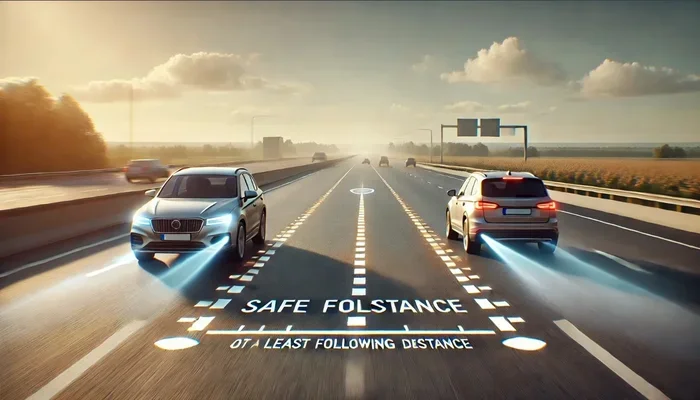
- Maintain a safe following distance of at least 2 seconds
- Obey speed limits and adjust for weather conditions
- Signal well in advance of turns and lane changes
- Watch for pedestrians, cyclists, and animals near roads
- Stay hydrated and take breaks if you feel tired
- Keep both hands on the wheel in heavy traffic
What to Do in an Emergency
Even careful drivers face unexpected situations. Carry a basic emergency kit in your car. It should include a first aid kit, flashlight, jumper cables, and a reflective warning triangle. These items can make a critical difference if something goes wrong during your 60 km journey.
Conclusion
Understanding how a car has to cover the distance 60 km is about much more than just turning the key and driving. It involves planning, preparation, and smart decision-making at every step. From calculating fuel costs and choosing the best route to maintaining your car and staying safe on the road, each detail matters.
When you take the time to plan your 60 km journey properly, you save money, reduce stress, and arrive at your destination feeling confident. The tips and insights in this guide give you everything you need to make every 60 km trip a success. Start applying these strategies today, and you will notice the difference on your very next drive.
Remember, every trip is an opportunity to drive smarter and safer. A car has to cover the distance 60 km — and with the right preparation, you will be ready for it every single time.
Frequently Asked Questions
How long does it take a car to cover 60 km?
The time depends on road type and traffic. On a highway at 100 km/h, it takes about 36 minutes. In city traffic at 40 km/h, it could take up to 90 minutes. Always add extra time for unexpected delays.
How much fuel does a car use to cover 60 km?
A typical sedan uses about 4 to 5 liters of fuel for a 60 km trip. This varies based on your car model, driving style, and road conditions. Check your owner manual for your specific vehicle’s fuel consumption rate.
What is the best way to plan a 60 km car trip?
Start by using a navigation app to compare routes. Consider traffic, road quality, and fuel station availability. Build in a time buffer and plan rest stops if needed. Good trip planning 60 km makes the journey smoother and more enjoyable.
How can I improve my car’s fuel efficiency for a 60 km drive?
Maintain steady speeds, keep tires properly inflated, and avoid rapid acceleration. Remove excess weight from your car and use cruise control on highways. These simple habits boost car fuel efficiency noticeably.
Is highway driving better than city driving for a 60 km trip?
Generally yes. Highway driving is faster and often more fuel-efficient due to steady speeds. However, city driving may be more convenient if your destination is in a built-up area. Consider your priorities when choosing between them.
What car maintenance checks should I do before a 60 km drive?
Check tire pressure, oil level, coolant, washer fluid, lights, and brakes. These simple checks take only a few minutes but help ensure a safe and efficient journey every time you need to cover the distance 60 km by car.