Anti Rust for Car Proven Ways to Prevent Rust Damage
Anti rust for car is essential to protect your vehicle from corrosion and extend its lifespan. Whether you live near the coast or drive through salted roads in winter, rust can damage your car faster than you think. This guide covers proven methods, top products, and expert tips to keep your car rust-free.
Every car owner knows the frustration of spotting rust on their vehicle. That small orange spot on the fender can turn into a major problem if you ignore it. Anti rust for car is not just a nice-to-have. It is a must for anyone who wants to protect their investment and keep their ride looking great.
Rust is more than a cosmetic issue. It eats away at metal, weakens structural parts, and can even make your car unsafe. The good news? You can stop it. With the right rust prevention strategies and car rust proofing products, you can keep your vehicle corrosion-free for years. This guide walks you through everything you need to know.
We will cover how rust forms, which products work best, and the most effective rust treatment methods. You will also find practical tips you can start using today. Whether you are a DIY enthusiast or prefer professional help, this article has you covered.
Key Takeaways
- Prevention beats repair: Applying anti rust treatments early saves thousands in vehicle rust repair costs.
- Multiple options exist: From rust proofing sprays to undercoating, there is a method for every budget and need.
- Routine maintenance matters: Regular washing and waxing are simple yet powerful anti rust for car strategies.
- DIY is possible: Many rust prevention products are easy to apply at home with basic tools.
- Climate plays a role: Drivers in coastal or snowy regions need more frequent rust protection.
- Early detection is key: Catching rust early prevents it from spreading and causing structural damage.
📑 Table of Contents
What Is Anti Rust for Car and Why It Matters
Anti rust for car refers to any method or product that prevents or stops corrosion on a vehicle. Rust happens when iron or steel reacts with oxygen and moisture. This chemical reaction creates iron oxide, which we see as that familiar reddish-brown flaky substance.
Your car is made mostly of metal. The body panels, frame, exhaust system, and undercarriage are all vulnerable. Once rust starts, it spreads. What begins as a tiny surface spot can eat through metal in weeks. That is why rust prevention is so important.
Here are a few reasons why anti rust for car matters:
- Safety: Rust weakens the frame and structural parts of your car. A compromised frame is dangerous in a crash.
- Value: A rust-free car holds its value much better. Buyers look for signs of body corrosion before purchasing.
- Appearance: Rust spots look terrible. They can ruin the look of an otherwise well-maintained vehicle.
- Cost savings: Preventing rust is far cheaper than repairing it. A full vehicle rust repair can cost hundreds or even thousands of dollars.
- Longevity: Cars with proper automotive rust protection last longer and run better over time.
Think of anti rust for car like brushing your teeth. A little effort every day prevents big problems later. You would not skip brushing for years and expect your teeth to stay healthy. The same logic applies to your car.
How Rust Forms on Your Vehicle
Understanding how rust forms helps you fight it better. Rust formation is a simple chemical process, but the conditions that trigger it vary. Let us break it down.
The Science Behind Rust
Rust is the result of a reaction called oxidation. When bare metal on your car comes into contact with water or moisture, the iron in the metal reacts with oxygen. This creates iron oxide, commonly known as rust. Salt and road chemicals speed up this process dramatically.
Here is the problem: once the protective paint on your car gets scratched or chipped, the bare metal underneath is exposed. Even a tiny chip can start the rusting process. Within days, you may see a small bubble forming under the paint. That bubble is the beginning of body corrosion.
Common Causes of Car Rust
Several factors increase the risk of rust on your car. Here are the most common ones:
- Road salt: If you live in a cold climate, road salt is your car’s worst enemy. It accelerates salt corrosion and eats through metal fast.
- Coastal air: Salt in the ocean air causes rust to form faster. Beachfront homes may look beautiful, but they are tough on cars.
- Puddles and standing water: Water trapped in wheel wells or under the car creates the perfect environment for rust to grow.
- Paint damage: Scratches, chips, and dents expose bare metal. Even a small stone chip can lead to a rust spot.
- Age and wear: Older cars have thinner paint and more wear. The car undercarriage is especially vulnerable over time.
- Poor drainage: Clogged drainage holes in the body panels allow water to pool inside the car’s structure.
The more of these factors you deal with, the more important anti rust for car becomes. A car that sits in a garage in a dry climate will rust much slower than one that drives daily on salted highways.
Best Anti Rust Products for Cars
The market is full of rust prevention products. Some work great. Others are a waste of money. Let us look at the most effective options and compare them.
Types of Anti Rust Products
There are several categories of rust inhibitor products available. Each has its strengths and best use cases.
- Rust proofing spray: These sprays create a protective barrier on the metal surface. They are easy to apply and work well for surface-level protection. A rust inhibitor spray is one of the simplest anti rust for car solutions.
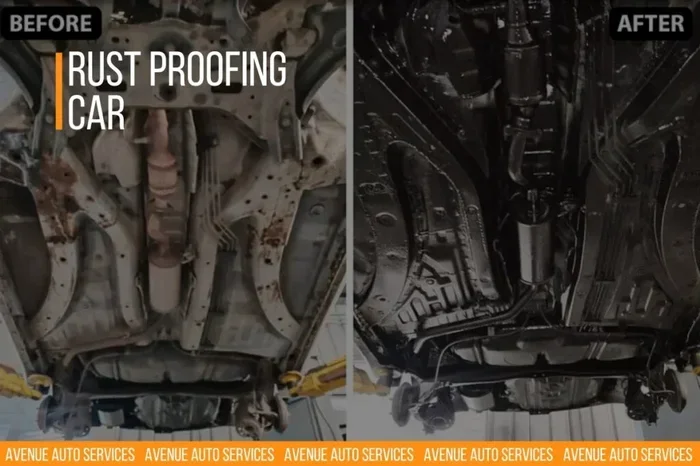
- Undercoating: This is a thick protective layer applied to the underside of the car. It shields the car undercarriage from moisture, salt, and debris. Professional undercoating is especially popular in snowy regions.
- Rust converter: This product chemically converts existing rust into a stable, paintable surface. It is great for treating rust that has already started.
- Rust remover: These products dissolve and remove rust from the surface. They are best used before applying a protective coating.
- Rust sealant: A sealant creates a durable barrier that prevents moisture from reaching the metal. It is often used in combination with other products.
- Electronic rust inhibitor: These devices send a weak electrical current through the car’s metal to prevent corrosion. They are a newer technology and are popular among some car enthusiasts.
Comparison Table: Top Anti Rust Products
| Product Type | Best For | Ease of Use | Cost Range | Durability |
|---|---|---|---|---|
| Rust Proofing Spray | Surface protection, DIY | Very Easy | $10 – $40 | 6 – 12 months |
| Undercoating | Full undercarriage protection | Professional | $150 – $400 | 1 – 3 years |
| Rust Converter | Treating existing rust spots | Easy | $15 – $30 | Permanent (with paint) |
| Rust Remover | Removing light to moderate rust | Moderate | $10 – $50 | Varies |
| Rust Sealant | Long-term barrier protection | Easy to Moderate | $20 – $60 | 1 – 2 years |
| Electronic Rust Inhibitor | Whole-vehicle protection | Install Once | $50 – $150 | 5+ years |
When choosing a product, consider your climate, driving conditions, and budget. A combination of products often works best. For example, using a rust remover on existing spots followed by a rust sealant for protection is a proven approach.
Proven Anti Rust Methods That Actually Work
Not all rust treatment methods are created equal. Some are backed by years of real-world testing. Others are more hype than help. Let us focus on the methods that genuinely deliver results.
1. Regular Washing and Drying
This is the simplest and most underrated anti rust for car method. Washing your car regularly removes salt, dirt, and moisture before they can cause damage. Pay special attention to the undercarriage and wheel wells.
After washing, dry your car thoroughly. Letting it air dry leaves water spots that can lead to metal protection issues. Use a soft microfiber towel and get into all the crevices.
2. Waxing and Sealing
Waxing adds a layer of protection to your car’s paint. It seals out moisture and creates a barrier against the elements. A quality wax job every few months is one of the best car maintenance tips you can follow.
Ceramic coatings and paint sealants offer even longer-lasting protection. They bond to the paint and create a durable shield against body corrosion. While they cost more than traditional wax, they last much longer.
3. Applying Rust Proofing Spray
A rust proofing spray is one of the easiest ways to add automotive rust protection at home. You simply spray it on exposed metal areas, especially the undercarriage, wheel wells, and door sills.
Here is a quick process:
- Clean the surface thoroughly with a rust remover if needed.
- Let it dry completely.
- Spray the rust inhibitor spray evenly across the metal surface.
- Allow it to cure for the recommended time.
- Reapply every 6 to 12 months for best results.
4. Undercoating Your Vehicle
Undercoating is a thick protective layer applied to the bottom of your car. It is especially effective for protecting the car undercarriage from road salt, mud, and moisture. Professional shops can apply it, or you can buy DIY undercoating kits.
Undercoating is one of the most effective rust prevention methods for drivers in cold climates. It creates a durable barrier that lasts for years. However, make sure the surface is clean and dry before application for the best results.
5. Using a Rust Converter for Existing Rust
If you already have rust spots, a rust converter is your best friend. This product chemically transforms rust into a stable, black compound that can be painted over. It stops the rust from spreading and creates a solid base for new paint.
Here is how to use it:
- Sand off loose rust with fine-grit sandpaper.
- Clean the area with a damp cloth.
- Apply the rust converter with a brush or sponge.
- Let it dry completely (usually 1-2 hours).
- Apply primer and paint over the treated area.
This is a tried-and-true rust treatment method that works well for small to moderate rust spots.
6. Electronic Rust Inhibitors
An electronic rust inhibitor is a small device that you mount on your car. It sends a weak electrical current through the vehicle’s metal, which helps prevent the chemical reaction that causes rust. These devices are easy to install and require no maintenance after that.
While some people are skeptical, many car owners report positive results. They are a low-maintenance option for long-term metal protection. They work best as a supplement to other anti rust for car methods, not a replacement.
Quick Tips and Common Mistakes to Avoid
Quick Tips for Rust Prevention
- Wash your car every two weeks during winter months when road salt is common.
- Apply rust proofing spray to the undercarriage at least twice a year.
- Fix paint chips immediately. Even a small chip can lead to rust in days.
- Keep your car garaged or parked under cover whenever possible.
- Use a dehumidifier in your garage if you live in a humid area.
- Check drainage holes on the body panels and clear them of debris.
- Apply ceramic coating for long-lasting paint protection.
- Inspect the car undercarriage regularly for early signs of rust.
Common Mistakes That Lead to Rust
Many car owners accidentally speed up the rusting process. Here are mistakes to avoid:
- Ignoring small rust spots: A tiny rust spot today can become a major problem next month. Treat rust early with a rust converter or rust remover.
- Using the wrong products: Not all rust products are the same. Some are designed for light surface rust. Others handle heavy corrosion. Choose the right product for the job.
- Skipping undercarriage cleaning: The underside of your car takes the most abuse. If you only wash the exterior, you are missing a critical area.
- Applying products on dirty surfaces: Rust treatments do not work well on dirty or wet surfaces. Always clean and dry the area first.
- Overlooking interior rust: Moisture inside the car can cause rust on the floor panels and frame. Use rubber floor mats and check for leaks.
- Waiting too long for professional help: If you see rust on the frame or structural parts, see a professional immediately. DIY fixes are not enough for serious vehicle rust repair.
Expert Insights on Long-Term Rust Protection
We spoke with several automotive experts to get their top advice on anti rust for car. Here is what they had to say.
Start Early, Stay Consistent
Most experts agree that rust prevention should start from day one. Even brand-new cars benefit from an extra layer of automotive rust protection. “The best time to apply rust proofing is when the car is new,” says one veteran auto body specialist. “Once rust takes hold, it is much harder and more expensive to fix.”
Climate-Specific Strategies
Your local climate plays a big role in how you approach rust prevention. If you live near the coast, focus on washing off salt air and moisture regularly. If you drive in snowy areas, prioritize undercoating and frequent undercarriage washes. In dry climates, rust is less of a concern, but it can still happen, especially with paint damage.
Invest in Quality Products
Experts recommend not cutting corners when it comes to rust inhibitor products. Cheap products may not provide adequate protection. Spending a little more on a quality rust sealant or professional undercoating can save you a lot of money in the long run.
Regular Inspections Are Key
Make it a habit to inspect your car for rust every few months. Pay close attention to the wheel wells, rocker panels, door edges, and the car undercarriage. Catching rust early makes treatment much easier and less expensive. A quick inspection can save you from a full vehicle rust repair later on.
The bottom line? Anti rust for car is not a one-time task. It is an ongoing commitment. Like any good car maintenance tip, consistency is what makes the difference. A few minutes of effort each month can keep your car looking and running great for decades.
Conclusion
Anti rust for car is one of the smartest investments you can make as a vehicle owner. Rust is a slow but relentless destroyer. It does not care if your car is new or old, expensive or budget-friendly. It attacks any exposed metal and weakens your car from the inside out.
The good news is that prevention is simple and effective. From regular washing to professional undercoating, from rust proofing spray to rust converter treatments, there are many ways to protect your car. The key is to start early and stay consistent.
Use the tips and methods in this guide to build a solid rust prevention routine. Apply the right rust inhibitor products. Inspect your car regularly. Fix small issues before they become big problems. Your car will thank you with years of reliable, beautiful service.
Take action today. Pick one anti rust for car method from this guide and start using it this week. Your future self will be glad you did.
Frequently Asked Questions
What is the best anti rust product for cars?
The best product depends on your needs. For DIY surface protection, a rust proofing spray is easy and effective. For full undercarriage protection, professional undercoating is the top choice. For existing rust, a rust converter works best. Many experts recommend using a combination of products for complete automotive rust protection.
How often should I apply anti rust treatment to my car?
For rust proofing spray, reapply every 6 to 12 months. Professional undercoating typically lasts 1 to 3 years. If you live in a harsh climate with heavy road salt, you may need to reapply more frequently. Regular inspections help you know when it is time to reapply.
Can you fix rust on a car yourself?
Yes, small rust spots can often be fixed at home. Use a rust remover to clean the area, apply a rust converter to stabilize the rust, then sand, prime, and paint the spot. For larger or structural rust, it is best to see a professional for proper vehicle rust repair.
Does car wax help prevent rust?
Yes, waxing helps prevent rust by creating a protective barrier on the paint surface. It seals out moisture and reduces the chance of body corrosion. Ceramic coatings and paint sealants offer even longer-lasting protection. However, wax alone is not enough for undercarriage protection.
How can I prevent rust on my car during winter?
Winter is the hardest season for rust prevention. Wash your car regularly, especially the undercarriage, to remove road salt. Apply a rust inhibitor spray before winter starts. Consider professional undercoating for extra car undercarriage protection. Avoid driving through deep puddles whenever possible.
Is anti rust treatment worth the cost?
Absolutely. The cost of anti rust for car treatments is small compared to the cost of repairing serious rust damage. A few dollars spent on rust prevention products can save you hundreds or thousands in vehicle rust repair. It also helps maintain your car’s value and safety over time.