How Much Is Car Insurance in Texas and What Affects It
Car insurance in Texas typically costs between $1,500 and $2,500 per year for full coverage, with average monthly rates around $130 to $210. Your exact price depends on factors like your driving record, age, location, credit score, and the coverage types you choose. Understanding what affects your Texas car insurance rates helps you find the best deal and avoid overpaying.
How much is car insurance in Texas? If you have ever shopped for auto coverage in the Lone Star State, you know the answer is not a single number. Rates vary dramatically from one driver to the next. A young driver in Houston might pay twice as much as a retired couple in a small town. Your credit score, your car, your driving history, and even your ZIP code all shape your final price.
This guide breaks down everything you need to know about Texas car insurance costs. We will cover average rates, required coverage types, factors that drive prices up or down, and practical tips to save money. Whether you are a first-time buyer or shopping for a better deal, you will find clear, actionable insights here.
## Average Car Insurance Costs in Texas
### What the Numbers Look Like
The average driver in Texas pays about $1,800 to $2,200 per year for full coverage auto insurance. That works out to roughly $150 to $185 per month. For minimum liability coverage, the annual cost drops to around $450 to $700, or about $40 to $60 per month.
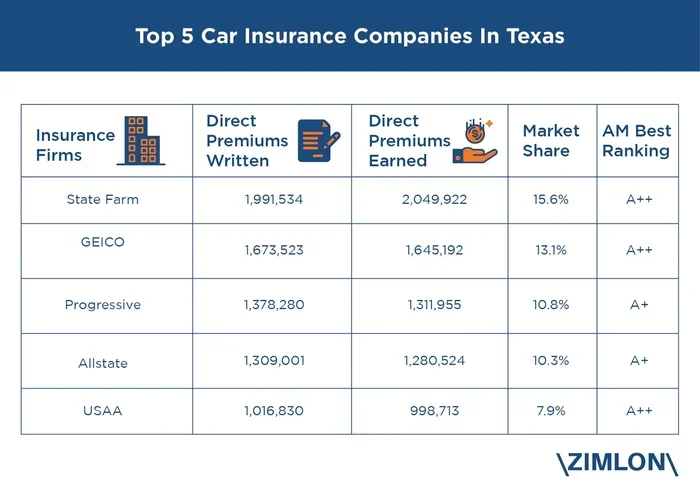
These numbers come from a mix of major carriers including State Farm, Progressive, GEICO, and USAA. Your actual rate may be higher or lower depending on your personal profile.
### Full Coverage vs. Minimum Coverage
Full coverage typically includes liability, collision, and comprehensive insurance. Minimum coverage only meets the state’s legal requirements. Here is a quick comparison:
– Full coverage: $1,500 to $2,500 per year
– Minimum liability only: $450 to $700 per year
– Middle-ground option (liability + comprehensive): $900 to $1,400 per year
Most financial experts recommend full coverage if you have a car loan or lease. It protects your vehicle and your wallet in more situations.
## Required Coverage in Texas
### Texas Minimum Liability Requirements
Texas law requires every driver to carry a minimum amount of liability insurance. The state uses a 30/60/25 format:
– $30,000 per person for bodily injury
– $60,000 per accident for bodily injury
– $25,000 per accident for property damage
These minimums are often not enough to cover a serious accident. Medical bills and vehicle repairs can easily exceed these limits. Buying higher coverage limits is a smart move.
### Why Minimum Coverage Is Risky
If you cause an accident and your damages exceed your policy limits, you pay the difference out of pocket. In Texas, the average cost of a car accident claim exceeds $15,000 for property damage alone. Serious injuries can cost hundreds of thousands of dollars. Minimum coverage leaves you exposed.
### SR-22 Insurance in Texas
If you have been convicted of a DUI or serious driving violation, Texas may require you to file an SR-22 form. This is a certificate proving you carry the minimum required insurance. SR-22 filing usually increases your premium significantly. Expect to pay more for several years after the violation.
## Factors That Affect Your Texas Car Insurance Rate
### Your Driving Record
Your driving history is one of the biggest factors insurers consider. A clean record with no accidents or tickets keeps your rates low. Even a single speeding ticket can raise your premium by 10 to 25 percent. At-fault accidents stay on your record for three to five years and have an even bigger impact.
### Age and Driving Experience
Young drivers, especially those under 25, pay the highest rates. Inexperience behind the wheel leads to more accidents, and insurers price accordingly. Rates typically drop significantly once you turn 25. Senior drivers may also see higher rates in some cases, depending on their driving patterns.
### Your Vehicle Type
The car you drive matters. A safe, reliable sedan usually costs less to insure than a sports car or a truck with a high theft risk. Insurers look at the vehicle’s safety ratings, repair costs, and claim history. Before buying a car, check how much it will cost to insure.
### Location and ZIP Code
Where you live in Texas affects your rate. Dense urban areas like Dallas, Houston, and San Antonio have more traffic and higher theft rates. That means higher premiums. Rural areas generally have lower rates because there are fewer accidents and less vehicle theft.
### Credit Score
In Texas, insurers can use your credit score to help determine your premium. Drivers with excellent credit typically pay less than those with poor credit. This practice is legal in most states, though it is controversial. Improving your credit score over time can lower your insurance costs.
### Annual Mileage
The more you drive, the higher your risk of an accident. If you commute long distances every day, expect to pay more. Some insurers offer low-mileage discounts if you drive fewer than 7,500 miles per year.
## Coverage Types You Should Know
### Liability Insurance
Liability insurance pays for damage and injuries you cause to others. It is the foundation of any Texas auto policy. This is the coverage the state requires you to carry.
### Collision Coverage
Collision coverage pays for damage to your own vehicle after an accident, regardless of who is at fault. It is especially important if you have a car loan or lease. Without it, you would need to pay for repairs yourself.
### Comprehensive Coverage
Comprehensive coverage protects against non-collision events. This includes theft, vandalism, fire, flooding, and falling objects. Texas drivers benefit from comprehensive coverage because of the state’s risk for hail storms and flooding.
### Uninsured and Underinsured Motorist Coverage
Not everyone on the road carries insurance. Uninsured motorist coverage protects you if the other driver has no insurance. Underinsured motorist coverage kicks in when the other driver’s policy limits are too low. These are affordable add-ons that provide valuable protection.
### Personal Injury Protection (PIP)
Texas is a no-fault state for certain insurance purposes. Personal Injury Protection covers medical expenses for you and your passengers after an accident, regardless of who caused it. PIP also covers lost wages in some cases. While not required, it is a smart addition to any policy.
## How to Lower Your Car Insurance Rates in Texas
### Shop Around and Compare Quotes
The single best way to save money is to compare quotes from multiple insurers. Each company uses its own formula to set rates. One company might offer you $100 per month while another quotes $150 for the same coverage. Never accept the first quote you receive.
### Bundle Your Policies
Many insurers offer discounts when you combine your auto insurance with homeowners or renters insurance. Bundling can save you 10 to 25 percent on your total insurance costs. Check with your current homeowners provider before switching auto carriers.
### Raise Your Deductible
Your deductible is the amount you pay out of pocket before insurance kicks in. Raising your deductible from $500 to $1,000 can lower your premium by 15 to 30 percent. Just make sure you can afford the higher deductible if you ever need to file a claim.
### Take Advantage of Discounts
Insurers offer many discounts you may not know about. Safe driver discounts, good student discounts, and defensive driving course discounts are common. Some companies also offer discounts for paying your premium annually instead of monthly. Ask your agent about every available discount.
### Maintain Continuous Coverage
Letting your policy lapse can cause your rates to spike when you renew or switch companies. Insurers view gaps in coverage as a red flag. Keep your policy active, even if you are between vehicles.
### Pay Annually If Possible
Some insurers charge a fee for monthly payment plans. Paying your premium in full once a year can save you money over time. If you cannot afford a lump sum, set up automatic monthly payments to avoid late fees.
### Improve Your Credit Score
Since credit scores influence your rates in Texas, working to improve your credit can pay off at renewal time. Pay your bills on time, reduce debt, and check your credit report for errors. Even a small credit score improvement can lead to lower premiums.
## Understanding Your Car Insurance Payment Options
### Monthly vs. Annual Payments
Most Texas drivers pay their car insurance premiums monthly. This spreads the cost across 12 smaller payments. However, some insurers charge a processing fee for monthly billing. Annual payments avoid these fees but require a larger upfront cost.
### What to Know About Monthly Payments
If you choose to pay monthly, make sure you understand the total cost including any fees. Some companies add a convenience charge of $5 to $10 per month. Over a year, these fees can add up. Compare the total annual cost of monthly versus annual payment before deciding.
### Setting Up Automatic Payments
Automatic payments help you avoid missed payments and late fees. Most insurers offer autopay options through their online portals. Setting up autopay may also qualify you for a small discount with some carriers.
## Common Mistakes Texas Drivers Make with Car Insurance
### Only Buying Minimum Coverage
Many Texas drivers choose minimum coverage to save money. While this keeps your monthly bill low, it leaves you financially vulnerable. A single serious accident can cost far more than the savings you gain.
### Not Reviewing Your Policy Annually
Your insurance needs change over time. If you pay off your car loan, add a teen driver, or move to a new area, your coverage should reflect those changes. Reviewing your policy every year ensures you are not overpaying or underinsured.
### Forgetting to Ask About Discounts
Insurance companies do not always advertise every discount available. You need to ask. Safe driver programs, military discounts, and membership discounts can add up to meaningful savings.
### Ignoring the Impact of Claims
Filing a small claim can raise your rates for three to five years. Sometimes it is more cost-effective to pay for minor repairs out of pocket. Weigh the cost of the repair against the potential premium increase before filing a claim.
## Expert Tips for Texas Drivers
### Understand Texas’s No-Fault Insurance Landscape
Texas follows a modified comparative fault system. This means the driver who caused the accident is responsible for damages. However, Texas also allows drivers to recover damages even if they were partially at fault, as long as they are less than 51 percent responsible. Understanding how fault works helps you make better decisions after an accident.
### Consider Umbrella Insurance
If you have significant assets, umbrella insurance provides extra liability protection beyond your standard policy limits. It is relatively affordable and can protect your savings and property in the event of a major lawsuit.
### Keep Your Car Maintained
Regular maintenance can reduce your risk of accidents and mechanical failures. Insurers may offer lower rates for well-maintained vehicles. Keep up with oil changes, tire rotations, and brake inspections.
## Final Thoughts on Texas Car Insurance Costs
How much is car insurance in Texas? The answer depends on many factors unique to you and your situation. The average driver pays between $1,500 and $2,200 per year, but your rate could be significantly higher or lower based on your driving record, credit score, vehicle type, and coverage choices.
The best approach is to shop around, compare quotes, and understand your coverage options. Do not settle for the first policy you find. Take the time to review your needs, ask about discounts, and choose a policy that offers the right balance of protection and affordability.
Staying informed about your insurance options gives you the power to make smart financial decisions. Whether you are a new driver in Austin or a longtime resident of El Paso, the right policy is out there waiting for you.
Key Takeaways
- Texas car insurance costs vary widely: rates depend on your age, driving history, location, and coverage level.
- Minimum liability coverage is legally required: Texas mandates $30,000 per person and $60,000 per accident for bodily injury, plus $25,000 for property damage.
- Full coverage costs more but offers better protection: combining liability, collision, and comprehensive coverage gives you complete peace of mind.
- Several factors influence your premium: your credit score, ZIP code, vehicle type, and driving record all play a role.
- You can lower your rates: bundling policies, raising deductibles, and shopping around are proven ways to save money.
- Payment frequency matters: choosing between monthly and annual payments affects your total cost and budget flexibility.
- Rate trends are rising: staying informed about why car insurance rates are going up helps you plan ahead.
Frequently Asked Questions
What is the minimum car insurance required in Texas?
Texas requires drivers to carry a minimum of $30,000 per person and $60,000 per accident for bodily injury, plus $25,000 for property damage. This is known as the 30/60/25 liability requirement. However, these minimums often do not provide enough protection in a serious accident.
How can I lower my car insurance rates in Texas?
You can lower your rates by shopping around for quotes, bundling your auto policy with other insurance, raising your deductible, and taking advantage of available discounts. Maintaining a clean driving record and improving your credit score also help reduce your premium over time.
Does credit score affect car insurance rates in Texas?
Yes, in Texas, insurers can use your credit score as a factor in determining your premium. Drivers with excellent credit typically pay lower rates than those with poor credit. Improving your credit score over time can lead to meaningful savings on your policy.
Is full coverage car insurance worth it in Texas?
Full coverage, which includes liability, collision, and comprehensive insurance, is worth it for most drivers, especially if you have a car loan or lease. It provides much broader protection than minimum coverage and helps you avoid large out-of-pocket expenses after an accident.
How often should I review my car insurance policy in Texas?
You should review your car insurance policy at least once a year. Major life changes like moving, buying a new vehicle, or adding a teen driver should also trigger a policy review. Regular reviews ensure your coverage matches your current needs and budget.
Can I pay for car insurance monthly in Texas?
Yes, most insurers in Texas offer monthly payment plans. However, paying annually or semi-annually can save you money by avoiding monthly processing fees. If you choose monthly payments, set up automatic billing to avoid late fees and coverage lapses.
=== CONCLUSION ===
Car insurance in Texas is a necessary expense, but it does not have to break the bank. By understanding the average costs, the coverage types you need, and the factors that drive your rates, you can make confident choices about your policy. The key is to shop around, ask about discounts, and review your coverage regularly.
Whether you are looking for minimum liability protection or full coverage with extra add-ons, the right policy exists for your budget and your needs. Take control of your car insurance today, and you will enjoy peace of mind every time you hit the road in Texas.