Artificial Intelligence Cars in India Are Changing Roads
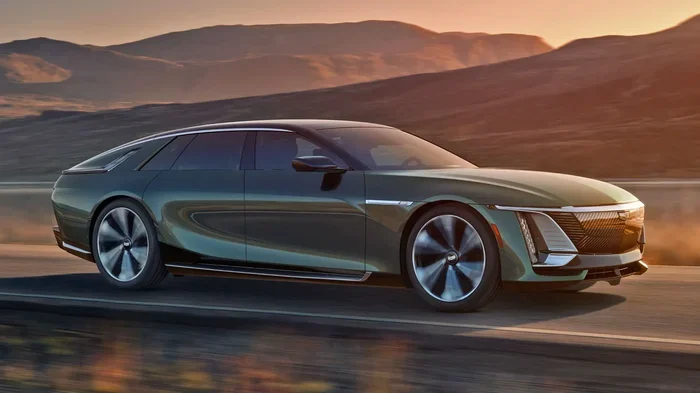
Artificial intelligence cars in India are transforming the way we drive, commute, and think about road safety. These AI-powered cars use advanced sensors, machine learning, and smart algorithms to make driving safer and more efficient. India is rapidly adopting autonomous driving technology with both global and local brands investing heavily. This guide covers everything you need to know about AI cars in India, from current trends to future expectations.
Key Takeaways
- AI cars are here: Artificial intelligence cars in India are no longer a concept. Real models with ADAS features are already on Indian roads.
- Safety is the biggest win: AI safety features like automatic braking and lane assist are reducing accidents significantly.
- Indian brands are stepping up: Companies like Tata and Mahindra are investing in automotive AI and smart cars India technology.
- Infrastructure is still catching up: Challenges like road conditions and regulations slow down the full rollout of self-driving cars India.
- The future is bright: Experts predict autonomous vehicles India will become mainstream within the next 5 to 10 years.
- Affordability is improving: As car automation technology scales, prices are dropping, making AI-powered cars accessible to more Indians.
- Connected cars are the next step: Intelligent transportation systems will link vehicles to traffic networks for smoother commutes.
📑 Table of Contents
- What Are Artificial Intelligence Cars?
- The State of Artificial Intelligence Cars in India
- How AI Technology Works in Cars
- Benefits of Artificial Intelligence Cars in India
- Challenges Facing AI Cars in India
- The Future of Artificial Intelligence Cars in India
- Quick Tips for Staying Ahead with AI Cars
- Conclusion
What Are Artificial Intelligence Cars?
Artificial intelligence cars in India are vehicles that use smart computer systems to assist or replace human driving. These AI-powered cars rely on sensors, cameras, and software to understand the road. They can detect obstacles, read traffic signs, and even make decisions on their own.
The idea might sound like science fiction. But AI cars in India are already a reality. From basic driver-assist features to fully self-driving cars India prototypes, the technology is advancing fast. Think of it this way. Your phone got smarter over the years. Cars are going through the same transformation.
How AI Transforms the Driving Experience
Traditional driving relies entirely on human attention. You watch the road, check mirrors, and react to surprises. Artificial intelligence cars in India change this equation completely. The car itself becomes the observer and the decision-maker.
These vehicles use machine learning automobiles technology to learn from every drive. They study traffic patterns, predict pedestrian movement, and adjust speed accordingly. The result is a smoother, safer ride. Even if you are stuck in a Mumbai traffic jam, your AI-powered car can handle stop-and-go driving with ease.
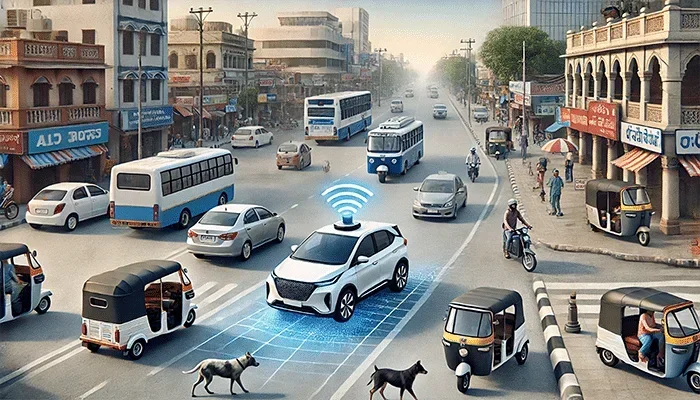
What makes this exciting for Indian drivers? Our roads are unpredictable. You deal with sudden lane changes, stray animals, and uneven surfaces. AI road safety systems are built to handle exactly these kinds of surprises. They react faster than any human ever could.
Key Technologies Behind AI Cars
Several technologies work together inside an artificial intelligence car. Here is a simple breakdown of what makes them tick:
- Cameras and sensors: These act as the car’s eyes. They scan the surroundings 360 degrees.
- LiDAR: A laser-based system that creates a 3D map of the environment.
- Radar: Detects the speed and distance of other vehicles.
- Machine learning algorithms: The brain that processes all the data and makes driving decisions.
- GPS and navigation systems: Help the car understand where it is and where it needs to go.
Together, these components create a powerful car automation system. They work in real time, processing information faster than any human driver. This is what makes autonomous vehicles India so promising for the future.
The State of Artificial Intelligence Cars in India
The automotive AI landscape in India is growing fast. Global car makers and Indian brands are both pouring money into this space. The question is no longer “if” AI cars will dominate. It is “when” they will become the norm on Indian streets.
Current Market Trends
India’s car market is one of the largest in the world. Millions of new vehicles hit the roads every year. Smart cars India are becoming a major part of this growth. According to industry reports, the automotive technology India sector is expected to grow by over 20 percent in the next five years.
What is driving this growth? A few key factors:
- Rising middle-class income and car ownership
- Growing awareness about road safety
- Government push toward electric and smart vehicles
- Increased investment from global tech companies
Young Indian buyers especially love connected cars and AI in vehicles features. They want technology that makes their lives easier. This consumer demand is pushing car makers to innovate faster than ever before.
Indian Brands Leading the Way
Indian car manufacturers are not sitting on the sidelines. Tata Motors has been a frontrunner in integrating ADAS features into their vehicles. Their latest models come with automatic emergency braking, lane departure warnings, and adaptive cruise control. These are all parts of the artificial intelligence cars in India ecosystem.
Mahindra is another brand making waves. They are testing autonomous driving India prototypes and investing in driverless cars research. Hyundai India and Kia are also rolling out AI-powered cars with advanced driver-assistance systems. Even smaller brands are jumping on the bandwagon.
The competition is good news for consumers. More brands entering the AI car manufacturers space means better technology at lower prices. Indian buyers now have access to features that were once limited to luxury cars in Western markets.
How AI Technology Works in Cars
Understanding how artificial intelligence cars in India actually work is simpler than you might think. The technology follows a basic cycle: observe, think, and act. Let us break it down.
Sensors and Cameras: The Car’s Eyes and Ears
Every AI-powered car is packed with sensors. These tiny devices are placed all around the vehicle. They constantly gather data about what is happening on the road. Cameras capture images of traffic signs, lane markings, and pedestrians. Radar measures the distance and speed of other vehicles. LiDAR creates a detailed 3D map of the surroundings.
All of this data flows into the car’s central computer. Think of it like a super-fast brain that never gets tired. It processes thousands of data points every second. This is what allows self-driving technology to work in real time.
Machine Learning and Data Processing
Here is where the magic happens. The car does not just collect data. It learns from it. Machine learning automobiles use algorithms that improve over time. The more miles the car drives, the smarter it gets.
For example, an artificial intelligence car might encounter a new type of road sign in a small town. At first, it might not recognize it. But after seeing it a few times, the system learns what it means. This continuous learning process is what sets AI cars apart from regular vehicles.
Connected cars take this even further. They communicate with each other and with traffic systems. Imagine your car telling the car ahead of you that traffic is slowing down. This kind of intelligent transportation network can transform Indian highways.
Driver Assistance vs. Full Automation
It is important to understand the difference between assistance and full automation. Most AI cars in India today are at Level 1 or Level 2 automation. This means the car helps the driver but does not replace them entirely.
Level 1 features include adaptive cruise control and lane keeping assist. Level 2 adds more capabilities like automatic lane changing and parking assistance. True self-driving cars India would be Level 4 or Level 5, where the car handles everything without human input.
We are not quite at Level 5 yet. But the progress is impressive. Companies are testing autonomous vehicles India on controlled tracks and select city roads. The journey has begun.
Benefits of Artificial Intelligence Cars in India
The advantages of artificial intelligence cars in India go far beyond cool technology. They address real problems that Indian drivers face every day. Let us look at the biggest benefits.
Road Safety Improvements
India has one of the highest road accident rates in the world. Over 150,000 people die in road accidents every year. Human error is the leading cause. This is where AI safety features make a massive difference.
Artificial intelligence cars in India do not get tired, distracted, or drunk. They do not scroll through phones or argue with passengers. They stay focused on the road 100 percent of the time. Features like automatic emergency braking and collision detection can save thousands of lives.
AI road safety systems also predict dangers before they happen. The car might sense a pedestrian stepping onto the road and apply the brakes before the driver even reacts. This kind of proactive protection is a game changer for Indian roads.
Traffic Management and Efficiency
Indian traffic is legendary for its chaos. AI-powered cars can help smooth out the mess. These vehicles communicate with traffic management systems and adjust their speed based on real-time conditions.
Imagine a fleet of connected cars that all talk to each other. They maintain safe distances, avoid sudden braking, and optimize routes. This reduces traffic jams and saves fuel. For cities like Delhi, Bangalore, and Mumbai, this kind of intelligent transportation could be a lifesaver.
Car automation also helps with parking. Many smart cars India models now feature automated parking systems. The car finds a spot and parks itself. In crowded Indian cities where parking is a nightmare, this feature alone is worth the investment.
Accessibility and Inclusion
Artificial intelligence cars in India open up mobility for people who cannot drive. Elderly citizens, people with disabilities, and those with visual impairments can benefit greatly from autonomous driving India technology. A driverless car could give millions of Indians the freedom to travel independently.
This is not just a convenience. It is a social equality issue. Access to reliable transportation changes lives. AI in vehicles has the potential to bridge gaps in rural and urban mobility across the country.
Challenges Facing AI Cars in India
The road to autonomous vehicles India is not without bumps. Several challenges stand in the way of full adoption. Understanding these hurdles is important for realistic expectations.
Infrastructure Gaps
Many Indian roads lack proper markings, signage, and lighting. Self-driving technology depends heavily on clear road conditions. Potholes, unmarked lanes, and unpredictable road layouts confuse AI systems. Before artificial intelligence cars in India can reach their full potential, infrastructure needs serious upgrades.
The government is working on this. Smart city projects and highway modernization plans include provisions for intelligent transportation systems. But progress is slow. It will take years before all Indian roads are AI-friendly.
Regulatory and Legal Hurdles
Indian laws are not yet ready for self-driving cars India. There are no clear regulations for autonomous vehicles. Questions about liability in accidents remain unanswered. Who is responsible if an AI-powered car causes a crash? The manufacturer? The owner? The software developer?
The government is forming committees to address these issues. The Ministry of Road Transport is working on a framework for automotive AI regulation. But until clear laws are in place, full automation will remain limited to test environments.
Cost and Affordability
Technology does not come cheap. Advanced AI safety features and car automation systems add significant cost to vehicles. For many Indian families, a fully AI-equipped car is still out of reach. The automotive technology India market needs to bring prices down for mass adoption.
The good news is that costs are falling. As AI car manufacturers produce more units, economies of scale kick in. Within a few years, basic ADAS features could become standard even in budget cars. This is already happening with entry-level models from Tata and Maruti Suzuki.
The Future of Artificial Intelligence Cars in India
The future of artificial intelligence cars in India is bright and full of possibility. Experts predict that autonomous driving India will transform the country’s transportation landscape within the next decade. Here is what we can expect.
What to Expect in the Next Five Years
In the near term, expect to see more AI-powered cars with advanced driver-assistance features hitting Indian showrooms. Brands will roll out vehicles with Level 3 automation, where the car handles most driving tasks but the driver must remain alert.
Electric vehicles with AI integration will also grow rapidly. The electric vehicles AI combination is a natural fit. AI systems optimize battery usage, manage charging, and improve range. As India pushes its electric vehicle mission, AI in vehicles will play a key supporting role.
Long-Term Vision: Smart Roads and Smart Cities
Beyond individual cars, the vision is much bigger. Intelligent transportation systems will connect vehicles to city infrastructure. Traffic lights will communicate with approaching cars. Roads will be embedded with sensors that feed real-time data to autonomous vehicles India.
Smart cities like Pune, Hyderabad, and Gurugram are already piloting these technologies. The goal is a fully integrated ecosystem where connected cars and infrastructure work together seamlessly. This is the future of future of driving India.
The journey of artificial intelligence cars in India has just begun. The technology is advancing fast, the market is growing, and consumer interest is high. India is poised to become a global leader in automotive AI. The roads of tomorrow will look very different from the roads of today.
Quick Tips for Staying Ahead with AI Cars
If you are excited about AI-powered cars, here are some practical tips to keep in mind:
- Research before buying: Look for models with proven ADAS features and good safety ratings.
- Start with basic features: Adaptive cruise control and lane assist are great entry points into car automation.
- Stay updated: Software updates improve AI performance. Keep your car’s system current.
- Understand the limits: Even the best AI cars in India today still require driver supervision.
- Follow the news: Indian regulations for autonomous driving India are evolving. Stay informed about new laws and policies.
Conclusion
Artificial intelligence cars in India are no longer a distant dream. They are here, they are improving, and they are reshaping how Indians travel. From AI safety features that prevent accidents to smart cars India that make commuting easier, the impact is real and growing.
Challenges remain. Infrastructure needs work, regulations need updating, and costs need to come down. But the momentum behind autonomous vehicles India is undeniable. Indian brands and global companies are investing billions in automotive AI. Consumers are embracing connected cars and machine learning automobiles faster than anyone predicted.
The future of driving in India is intelligent, connected, and autonomous. If you have not yet explored what AI-powered cars can do, now is the perfect time. The roads are changing. Are you ready to change with them?
Frequently Asked Questions
What are artificial intelligence cars in India?
Artificial intelligence cars in India are vehicles equipped with smart computer systems that use sensors, cameras, and machine learning to assist or automate driving tasks. These AI-powered cars range from basic driver-assistance features to advanced self-driving technology prototypes being tested on Indian roads.
Are self-driving cars available in India right now?
Fully autonomous self-driving cars India are not yet available for public purchase. However, many Indian-market vehicles now come with ADAS features like automatic braking, lane keeping assist, and adaptive cruise control. These are early stages of car automation that make driving safer and more convenient.
Which Indian brands are investing in AI car technology?
Several Indian and India-based brands are leading the way. Tata Motors has integrated AI safety features into its lineup. Mahindra is testing autonomous driving India prototypes. Hyundai India and Kia are also rolling out smart cars India models with advanced driver-assistance systems.
How does AI improve road safety in India?
AI road safety systems react faster than humans. They detect pedestrians, monitor blind spots, and apply brakes automatically when needed. Since human error causes most road accidents in India, artificial intelligence cars in India have the potential to dramatically reduce fatalities and injuries on the road.
What challenges do AI cars face in India?
The main challenges include poor road infrastructure, unclear regulations for autonomous vehicles, and high costs of AI-powered cars. Many Indian roads lack proper markings and signage, which makes self-driving technology more difficult to implement. The government is working on frameworks, but progress takes time.
When will fully autonomous cars be common in India?
Experts estimate that autonomous vehicles India will become more common within the next 5 to 10 years. Early adoption will focus on controlled environments like smart cities and highways. Full autonomous driving India on all road types will take longer, depending on infrastructure upgrades and regulatory approvals.