Car Turns Over but Wont Start: Common Causes and Fixes
When your car turns over but won’t start, it means the engine cranks but fails to ignite. This frustrating problem can stem from issues with the fuel system, ignition components, electrical faults, or mechanical failures. Understanding the root cause helps you decide whether you can fix it yourself or need a professional mechanic. This guide covers every common reason your car won’t start and gives you clear, step-by-step solutions to get back on the road.
There are few moments more frustrating than turning your key or pressing the push-button start and hearing your engine crank — but nothing happens. You know the engine has power because it turns over. Yet the car refuses to fire up and get you moving. This exact scenario sends countless drivers to the side of the road in confusion and panic.
The good news is that a car turns over but won’t start problem is often fixable. In many cases, the cause is simple and inexpensive to repair. Other times, it points to a deeper mechanical issue that needs professional attention. Either way, understanding what is happening under the hood puts you in a much better position to solve the problem quickly.
This guide walks you through every common reason your engine cranks but won’t fire. We break down the fuel system, ignition system, electrical components, and mechanical parts that could be at fault. You will also find practical diagnostic steps you can take at home and clear advice on when to call a mechanic. Let’s dive in and get your car running again.
Key Takeaways
- Fuel delivery issues: A clogged fuel filter, failed fuel pump, or empty tank are top reasons a car turns over but won’t start.
- Ignition system faults: Worn spark plugs, bad ignition coils, or a faulty crankshaft position sensor prevent proper combustion.
- Electrical problems: Corroded battery terminals, a weak battery, or a bad starter relay can cause cranking without firing.
- Mechanical failures: A broken timing belt, low compression, or a flooded engine stops the car from starting even when cranking.
- DIY diagnosis is possible: Simple checks like inspecting spark plugs, testing the fuel pump, and checking battery terminals can save time and money.
- Prevention matters: Regular maintenance of the fuel system, ignition components, and battery reduces the risk of no-start conditions.
📑 Table of Contents
What Happens When Your Car Turns Over but Won’t Start
Before we look at specific causes, it helps to understand what “turns over” actually means. When you turn the key or press the start button, the starter motor engages the engine’s flywheel. This causes the crankshaft to rotate. That rotation is what we call “turning over.”
A healthy engine needs three things to start: fuel, air, and a spark at the right time. When your car turns over but won’t start, one or more of these three elements is missing or not working correctly. The engine cranks because the starter motor is doing its job. But combustion is not happening, so the engine never fires up.
Think of it like trying to light a campfire. You have the wood (fuel), the air flowing around it, and a match (spark). If any one of those is missing, the fire simply won’t catch. The same logic applies to your car’s engine. Finding which element is missing is the first step toward a fix.
The Cranking Sound Tells a Story
The sound your engine makes when it cranks can give you clues about the problem. A fast, steady crank usually points to a fuel or spark issue. A slow, labored crank often suggests a battery problem or a starter motor that is wearing out. A clicking sound without any cranking typically means a dead battery or a bad starter solenoid.
Pay attention to these sounds. They are free diagnostic clues that can point you in the right direction. Many drivers ignore these warning signs, which leads to bigger problems and higher repair bills later on.
Common Causes: Why Your Engine Cranks but Won’t Fire
Now let’s look at the most common reasons a car turns over but won’t start. These causes fall into four broad categories: fuel delivery, ignition, electrical, and mechanical. We will explore each one in detail.
1. Fuel Delivery Problems
The most common reason a car cranks but won’t start is a fuel delivery issue. Your engine needs a steady supply of clean fuel at the right pressure to run. When that supply gets interrupted, combustion cannot happen — no matter how well the engine cranks.
Empty fuel tank: This sounds obvious, but it happens more often than you might think. A gauge that reads incorrectly or a fuel gauge that stuck on full can trick you. Always check the actual fuel level before assuming something is broken.
Failed fuel pump: The fuel pump sits inside your tank and pushes gasoline toward the engine. When it fails, fuel cannot reach the combustion chambers. You might hear a faint hum when you turn the key to the “on” position. No hum at all could mean a dead fuel pump.
Clogged fuel filter: Over time, dirt and debris build up in the fuel filter. This restricts fuel flow and starves the engine. Most manufacturers recommend replacing the fuel filter every 30,000 to 50,000 miles. Check your owner’s manual for the specific interval.
Fuel pressure regulator issues: This small part controls the fuel pressure in the system. When it fails, the engine gets too much or too little fuel. Either scenario prevents proper starting.
2. Ignition System Failures
The ignition system creates the spark that lights the fuel-air mixture inside the engine cylinders. When this system fails, the engine cranks but never combusts fuel. Several components can cause this type of engine cranks but won’t start problem.
Worn spark plugs: Spark plugs create the electrical arc that ignites the fuel. Over time, the electrode wears down and the gap widens. Old spark plugs produce weak or inconsistent sparks. Most spark plugs need replacement every 30,000 to 100,000 miles depending on the type.
Faulty ignition coil: The ignition coil converts the battery’s low voltage into the high voltage needed for a spark. A bad coil means no spark on one or more cylinders. You might notice misfires or rough idling before the car completely refuses to start.
Crankshaft position sensor failure: This sensor tells the engine computer where the crankshaft is positioned. Without this information, the computer cannot time the spark correctly. A failed sensor is one of the sneaky reasons a car turns over but won’t start. It often triggers a check engine light as well.
Ignition control module problems: This module manages the timing of the spark. When it malfunctions, the spark plugs may fire at the wrong time or not at all. This part is relatively inexpensive but essential for proper engine operation.
3. Electrical and Battery Issues
Your car’s electrical system powers everything from the starter motor to the fuel pump to the ignition coils. Electrical problems are among the most common reasons a car turns over but won’t start, especially in older vehicles or after extreme weather.
Dead or weak battery: A battery that is low on charge may have enough power to crank the engine but not enough to run the fuel pump or ignition system properly. If your headlights are dim or the cranking sounds sluggish, the battery is likely the culprit.
Corroded battery terminals: Corrosion builds up on battery terminals over time. This greenish-white crust blocks the electrical connection between the battery and the rest of the car. Even if the battery is fully charged, corrosion can prevent the current from flowing properly.
Bad starter relay: The starter relay sends power to the starter motor. When it fails, you might hear a single click but no cranking at all. In some cases, the relay works intermittently, which makes the problem hard to diagnose.
Immobilizer or anti-theft system activation: Many modern cars have an immobilizer that prevents the engine from starting unless it recognizes the key or key fob. A dead key fob battery or a faulty transponder chip can trick the system into thinking the car is being stolen. The engine cranks but refuses to fire.
4. Mechanical Failures
Some reasons a car turns over but won’t start are purely mechanical. These issues tend to be more serious and often require a mechanic’s expertise. However, understanding them helps you make informed decisions about repairs.
Broken timing belt or chain: The timing belt or chain synchronizes the crankshaft and camshaft. If it breaks, the pistons cannot move in time with the valves. The engine will crank freely but never start. On some engines, a broken timing belt causes catastrophic internal damage as well.
Low engine compression: Compression is the pressure that builds inside the cylinders when the pistons move up. Low compression means the fuel-air mixture cannot ignite properly. Worn piston rings, damaged head gaskets, or cracked cylinder walls can all cause compression loss.
Flooded engine: Too much fuel in the cylinders can flood the engine. This is especially common in older cars with carburetors. The spark plugs get soaked and cannot create a spark. Holding the gas pedal to the floor while cranking can help clear a flooded engine in older vehicles.
Vacuum leaks: Air leaks into the engine through cracked hoses or loose connections. This throws off the air-fuel ratio and can prevent the engine from starting. Vacuum leaks often cause rough idling and poor fuel economy even when the car does start.
How to Diagnose the Problem Yourself
You do not need to be a professional mechanic to diagnose many no-start problems. With a few basic tools and some patience, you can narrow down the cause and decide your next steps. Here is a simple diagnostic approach you can follow at home.
Step 1: Check the Fuel Level
Before you do anything else, confirm you have fuel. It sounds silly, but this step eliminates the simplest explanation. Check the fuel gauge and, if possible, listen for the fuel pump priming when you turn the key to the “on” position. You should hear a brief hum from the back of the car.
Step 2: Inspect the Battery and Terminals
Look at your battery terminals for any signs of corrosion. Use a wire brush to clean them if needed. Check the battery voltage with a multimeter. A fully charged battery should read 12.6 volts or higher. Anything below 12.2 volts means the battery needs charging or replacement.
Step 3: Check for Spark
Remove a spark plug and reconnect it to the ignition coil. Ground the plug against the engine block and have someone crank the engine. You should see a bright blue spark. No spark or a weak orange spark points to an ignition system problem.
Step 4: Test Fuel Delivery
You can use a fuel pressure gauge to check whether fuel is reaching the engine. Attach the gauge to the fuel rail and turn the key to the “on” position. The pressure should match the specifications in your repair manual. Low or zero pressure suggests a fuel pump or filter problem.
Step 5: Scan for Error Codes
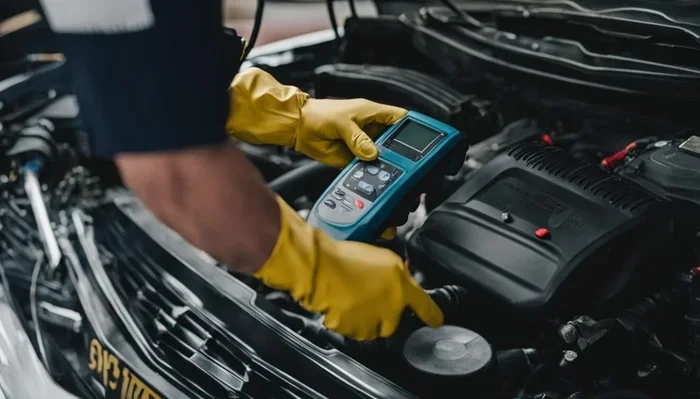
Modern cars store error codes in the onboard computer. Use an OBD-II scanner to read these codes. A code related to the crankshaft position sensor, camshaft position sensor, or fuel system can point you directly to the problem. Many auto parts stores offer free code reading if you bring your car in.
Quick Tips for Diagnosing No-Start Problems
- Always start with the simplest checks first: fuel level, battery charge, and visible connections.
- Keep a basic OBD-II scanner in your glove box. It can save you hours of guesswork.
- Take notes on when the problem started. Did it happen after a long drive? After sitting for a few days? This context helps with diagnosis.
- Do not spray starting fluid into the engine as a permanent fix. It can damage the engine if used incorrectly.
- If the car starts with starting fluid but not on its own, the problem is almost certainly fuel delivery related.
Common Mistakes People Make When Their Car Won’t Start
Many well-meaning drivers make mistakes that worsen the problem or waste money on unnecessary repairs. Here are the most common ones to avoid.
- Assuming it is always the battery: While a dead battery is a common cause, it is not the only one. Replacing a perfectly good battery wastes money and does not solve the real problem.
- Ignoring the check engine light: If your dashboard shows a check engine light along with a no-start condition, do not ignore it. The light is trying to tell you something important.
- Cranking the engine for too long: Holding the key in the start position for more than 10 seconds at a time can overheat the starter motor and drain the battery further.
- Adding fuel additives without knowing the problem: Some drivers pour fuel system cleaners into a nearly empty tank hoping for a miracle. This rarely helps and can sometimes make things worse.
- Skipping the fuel filter: A clogged fuel filter is cheap to replace and easy to overlook. Many people jump to replacing the fuel pump instead, which costs significantly more.
When to Call a Professional Mechanic
Not every car problem is a DIY fix. Knowing when to seek professional help saves you time, money, and the frustration of guessing. Here are clear signs that you should take your car to a trusted mechanic.
If you have checked the fuel, the battery, the spark plugs, and the basic electrical connections and the car still will not start, it is time to call in the experts. Similarly, if you hear unusual grinding or knocking noises when the engine cranks, stop trying to start the car and get it towed. Continuing to crank a damaged engine can cause expensive internal damage.
Mechanical problems like a broken timing belt, low compression, or a failed fuel pump require specialized tools and expertise. A professional mechanic has diagnostic equipment that can pinpoint these issues quickly. They also have the training to safely handle complex repairs without risking further damage.
Another good rule of thumb is cost. If the estimated repair cost exceeds the value of your car, it may be more practical to invest in a different vehicle. A mechanic can give you an honest assessment of the repair cost versus the car’s overall condition.
Finding the Right Mechanic
Not all repair shops are created equal. Look for a shop with certified technicians and good reviews. Ask friends, family, or neighbors for recommendations. A trusted mechanic builds a long-term relationship with your vehicle and can help prevent future problems.
Always ask for a detailed estimate before any work begins. A reputable shop will explain the diagnosis clearly and give you options for repair. Do not feel pressured to approve expensive work immediately. It is perfectly fine to get a second opinion if the diagnosis seems unclear or the estimate seems high.
Prevention Tips to Avoid Future Starting Problems
The best way to deal with a car turns over but won’t start situation is to prevent it from happening in the first place. Regular maintenance keeps your car reliable and reduces the chances of unexpected breakdowns.
- Replace spark plugs on schedule: Fresh spark plugs ensure consistent ignition and smooth engine performance. Check your owner’s manual for the recommended replacement interval.
- Change the fuel filter regularly: A clean fuel filter prevents debris from reaching the engine and keeps fuel flowing at the proper pressure.
- Keep the battery clean and charged: Inspect battery terminals for corrosion every few months. Clean them with a baking soda and water solution if needed. Replace the battery every 3 to 5 years or sooner if you notice weakness.
- Use quality fuel: Fill up at reputable gas stations. Cheap fuel can contain contaminants that clog the fuel system over time.
- Listen to your car: Pay attention to unusual sounds, warning lights, or changes in performance. Catching small problems early prevents them from becoming big, expensive repairs.
- Keep a spare key fob battery: If your car uses a push-button start, a dead key fob battery can leave you stranded. Keep a spare battery in your glove box and replace it when needed.
Conclusion
A car turns over but won’t start problem can feel overwhelming, but it is almost always solvable. The key is to stay calm, follow a systematic diagnostic process, and tackle the most common causes first. Whether the issue is an empty tank, a dead battery, worn spark plugs, or a more serious mechanical failure, understanding what is happening puts you in control.
Start with the simple checks — fuel level, battery charge, and visible connections. Work your way toward more complex diagnostics like spark testing and fuel pressure checks. If the problem persists, do not hesitate to call a professional mechanic. Regular maintenance is your best defense against future starting problems.
Remember, every car owner will face a no-start situation at some point. The difference between a minor inconvenience and a major headache comes down to knowledge and preparation. Use the tips and insights from this guide to handle the next time your engine cranks but won’t fire. You will be back on the road faster than you think.
Frequently Asked Questions
Why does my car crank but not start when it’s cold outside?
Cold weather thickens engine oil and weakens battery performance. This can make it harder for the engine to turn over and ignite fuel. Old spark plugs and a weak battery are the most common causes of cold-weather no-start problems. Keeping your battery charged and replacing spark plugs regularly helps prevent this issue.
Can a bad fuel pump cause a car to turn over but not start?
Yes, a failed fuel pump is one of the top reasons a car cranks but won’t start. The pump is responsible for delivering fuel from the tank to the engine. When it stops working, the engine receives no fuel and cannot combust. You may notice the engine surging or losing power before the pump completely fails.
How do I know if my starter motor is bad?
A bad starter motor often produces a grinding or clicking sound when you turn the key. The engine may crank slowly or not at all. If the starter motor gets stuck in the engaged position, you will hear a loud grinding noise as the engine turns over. A mechanic can test the starter motor and replace it if needed.
What should I do if my car has a flashing security light and won’t start?
A flashing security light usually means the immobilizer system is active and does not recognize your key or key fob. Try using a spare key to see if it starts. If the key fob battery is dead, replacing it often solves the problem. If the light stays on, the immobilizer system itself may need professional diagnosis.
Is it safe to use starting fluid to diagnose a no-start problem?
Starting fluid can be useful as a temporary diagnostic tool, but it should not be used as a regular fix. Spraying too much starting fluid can damage the engine or cause a fire. Use it sparingly and only to confirm whether the problem is fuel-related. If the car starts briefly with starting fluid but not on its own, the fuel system is likely the issue.
How much does it cost to fix a car that turns over but won’t start?
The cost varies widely depending on the cause. A new spark plug set might cost under $50, while a fuel pump replacement can run $400 to $800. A broken timing belt repair can cost $500 to $1,000 or more. Always get a detailed estimate from a trusted mechanic before approving any repairs. Regular maintenance is the best way to avoid expensive repairs down the road.