How to Choose and Use the Best Car AC Recharge Kit Today
A car ac recharge kit helps you restore cold air to your vehicle quickly and affordably. Whether you are dealing with warm air from the vents or low refrigerant levels, a quality recharge kit makes DIY car ac repair simple and effective. In this guide, you will learn how to pick the right kit, use it safely, and avoid costly mistakes. We also share expert tips and top product recommendations to keep your car air conditioner running strong all season long.
There is nothing worse than climbing into your car on a hot summer day and hitting the ac button only to get warm air blowing back at you. Your car air conditioner has stopped working, and the thought of paying a mechanic hundreds of dollars makes you cringe. But here is the good news. A car ac recharge kit can solve this problem in under 30 minutes, right in your own driveway. In this guide, we will walk you through everything you need to know about selecting, using, and getting the most out of a car ac recharge kit. Let us get your cool air back where it belongs.
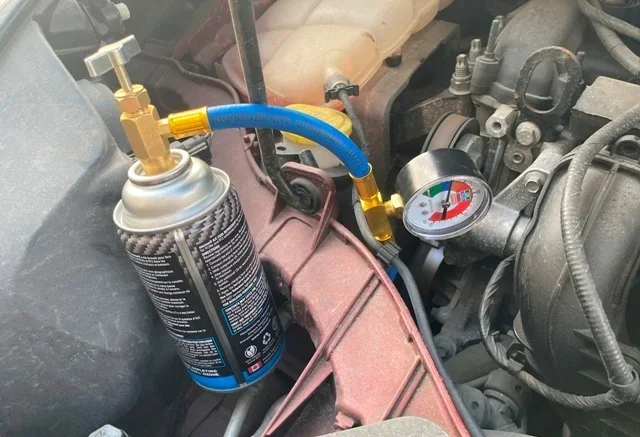
A car ac recharge kit is a simple tool kit that lets you add refrigerant to your vehicle’s air conditioning system. Most kits come with everything you need, including refrigerant cans, a pressure gauge, and a hose connector. The process is straightforward, and you do not need to be a mechanic to do it. Still, there are a few things you should know before you start. This guide will cover all of that and more, so you feel confident tackling the job yourself.
Key Takeaways
- Choosing the right kit matters: Not all car ac recharge kits are the same. You need the right refrigerant type, gauge, and hose for your vehicle.
- DIY saves money: Recharging your car ac yourself can save hundreds compared to a shop visit.
- Safety first: Always wear gloves and eye protection when handling ac refrigerant cans and connectors.
- Check for leaks first: A recharge kit will not fix a leaking ac system. Always inspect hoses and connections before adding refrigerant.
- Know your refrigerant type: Most modern cars use r134a refrigerant, but older or newer models may differ.
- Maintenance prevents problems: Regular car ac maintenance keeps your system efficient and extends its life.
📑 Table of Contents
- What Is a Car AC Recharge Kit and Why You Need One
- How to Choose the Right Car AC Recharge Kit
- Step-by-Step Guide to Using a Car AC Recharge Kit
- Best Car AC Recharge Kits on the Market
- Common Mistakes to Avoid When Recharging Your AC
- When to Call a Professional Instead of DIY
- Maintaining Your Car AC for Long-Lasting Performance
- Conclusion
What Is a Car AC Recharge Kit and Why You Need One
Your car’s air conditioning system uses a chemical called refrigerant to cool the air that blows into your cabin. Over time, this refrigerant can leak out through worn seals, cracked hoses, or loose connections. When the refrigerant level drops too low, your ac compressor stops engaging, and warm air replaces the cold. A car ac recharge kit lets you top off the refrigerant and restore cooling power without visiting a repair shop.
Most DIY ac recharge kits are designed for people with no mechanical experience. They come with clear instructions and color-coded parts that make the process foolproof. You can find kits at any auto parts store or online. Prices range from about 20 to 80 dollars, depending on the brand and features. For most drivers, this is a fraction of what a professional ac recharge cost would be.
How Your Car AC System Works
Understanding the basics helps you use your car ac recharge kit more effectively. Here is a quick look at the main parts of your car cooling system:
- Compressor: This pump circulates refrigerant through the system. It is driven by your engine.
- Condenser: Located in front of the radiator, it releases heat from the refrigerant.
- Evaporator: Inside your dashboard, it absorbs heat from the cabin air, creating that nice cold breeze.
- Expansion Valve: This controls the flow of refrigerant into the evaporator.
- Refrigerant Lines: Hoses that connect all the components and carry the refrigerant back and forth.
When any part of this system develops a leak or loses pressure, your ac system fails. Adding refrigerant with a car ac recharge kit is often the quickest fix. But if you have a major leak, you will need to repair that first before recharging.
How to Choose the Right Car AC Recharge Kit
Not all car ac recharge kits are created equal. Walking into an auto parts store and grabbing the first kit you see is a recipe for frustration. Here is what to look for when shopping for the best auto ac repair kit.
Check Your Refrigerant Type
This is the most important step. Most cars made after 1994 use r134a refrigerant. However, some newer vehicles use a different type called r1234yf. You can find your refrigerant type on the label under the hood or in your owner’s manual. Using the wrong refrigerant can damage your system, so always double-check before you buy.
Look for a Built-In Pressure Gauge
A good ac pressure gauge is essential for knowing how much refrigerant your system needs. Kits with a gauge built into the hose are the easiest to use. They show you the current pressure in real time, so you know exactly when to stop adding refrigerant. Kits without gauges rely on timing and guesswork, which is less reliable.
Consider the Hose Length and Connector Type
The hose on your ac recharge kit needs to reach from the refrigerant can to the ac recharge port on your car. Most kits come with a standard ac hose connector that fits the majority of vehicles. However, some cars have the port hidden in a tight spot. If that is the case, look for a kit with a longer hose or a flexible connector.
Extra Features Worth Having
Some car ac recharge kits come with bonus features that make the job easier. Here are a few to look for:
- Leak detector: Helps you find small refrigerant leaks before recharging.
- UV dye: Adds a visible dye to the refrigerant so you can spot leaks with a special light.
- Seal conditioner: Conditions the rubber seals inside your ac system to prevent future leaks.
- Multiple can adapter: Allows you to use different size refrigerant cans.
Step-by-Step Guide to Using a Car AC Recharge Kit
Now that you have your car ac recharge kit, it is time to put it to work. Follow these steps carefully for the best results. This process takes about 15 to 30 minutes, depending on how low your refrigerant is.
Step 1: Park Your Car and Turn on the AC
Start by parking your car on a level surface and turning the engine on. Set the air conditioning to the highest fan speed and the coldest temperature. This opens the ac compressor and allows the system to cycle properly while you work.
Step 2: Locate the Low-Pressure Port
Open the hood and look for the ac recharge port. It is usually on the low-pressure side of the system, near the firewall on the passenger side. The port cap will often have a small L printed on it. If you are unsure, check your owner’s manual or look for a label under the hood.
Step 3: Connect the Hose
Remove the cap from the ac recharge port. Take the hose from your car ac recharge kit and press the connector firmly onto the port until it clicks into place. Make sure the connection is tight to prevent refrigerant from leaking out.
Step 4: Check the Pressure
Look at the gauge on the hose or can. If the pressure is very low, your system is definitely low on refrigerant. This is when you will start adding ac refrigerant. If the pressure is already in the normal range, you may not need to add any refrigerant at all.
Step 5: Add Refrigerant
Turn the refrigerant can upside down and screw it onto the hose. Then, slowly open the valve on the can to release the refrigerant into the system. Watch the gauge closely and stop adding refrigerant when the pressure reaches the recommended level. Overfilling can cause damage, so less is more here.
Step 6: Test the System
Once you have added the right amount of refrigerant, disconnect the hose and replace the port cap. Let the engine run for a few minutes with the ac on full blast. You should start feeling cold air from the vents within a couple of minutes. If the air is still warm, you may need to add more refrigerant or check for leaks.
Quick Tip: On a hot day, the ac system works harder, so the pressure readings can fluctuate. For the most accurate results, recharge your system early in the morning or in the evening when temperatures are cooler.
Best Car AC Recharge Kits on the Market
With so many options available, picking the best car ac recharge kit can feel overwhelming. We have done the research to help you narrow down your choices. Here are some of the top-rated kits that deliver great results.
ACPRO Car AC Recharge Kit
This kit comes with a built-in gauge, seal conditioner, and leak detector dye. It works with both r134a refrigerant and newer r1234yf systems. The hose is long enough to reach most vehicles easily, and the instructions are clear and simple. It is one of the most popular choices among DIYers.
Interdynamics AC Pro Recharge Kit
Interdynamics is a trusted name in auto ac repair. Their recharge kit includes everything you need, including two cans of refrigerant and a high-quality gauge. The quick-connect hose makes installation a breeze, even for first-timers. This kit is ideal for those who want a reliable, no-fuss option.
ACDelco A/C Recharge Kit
ACDelco is a brand you can trust. Their recharge kit is designed for r134a refrigerant systems and includes a precision gauge for accurate readings. The kit also comes with a seal conditioner to help prevent future leaks. It is a solid choice for those who want a straightforward, no-nonsense option.
What to Look for in a Quality Kit
When comparing car ac recharge kits, keep these factors in mind:
- Compatibility: Make sure the kit works with your refrigerant type.
- Gauge accuracy: A precise gauge prevents overfilling and underfilling.
- Hose quality: A sturdy, flexible hose lasts longer and reaches better.
- Ease of use: Clear instructions and simple connectors save time and frustration.
- Price: You do not need to spend a fortune, but avoid the cheapest options that may lack accuracy.
Common Mistakes to Avoid When Recharging Your AC
Using a car ac recharge kit is not hard, but there are some common mistakes that can cause problems. Avoiding these errors will save you time, money, and headaches.
Overfilling the System
One of the biggest mistakes is adding too much refrigerant. An overfilled ac system can cause the compressor to work harder, leading to premature wear. Always watch the gauge closely and stop adding refrigerant when the pressure reaches the recommended level. More is not better in this case.
Ignoring Leaks
If your car ac keeps losing refrigerant, you likely have a leak. Simply recharging the system without fixing the leak is a temporary fix at best. Use a leak detector or UV dye to find the source of the leak and repair it before recharging. Otherwise, you will be buying refrigerant cans every few weeks.
Using the Wrong Refrigerant
Mixing different refrigerant types can damage your ac compressor and other components. Always verify your refrigerant type before purchasing a kit. If your car uses r1234yf, do not use an r134a kit, and vice versa.
Recharging on a Hot Day Without Ventilation
While it is tempting to recharge your system on the hottest day of the year, doing so can give you inaccurate pressure readings. The system is already working overtime, and the gauge may not reflect the true refrigerant level. For the most accurate results, recharge when the car cooling system is not under maximum stress.
Expert Insight: According to ASE-certified technicians, the most common reason DIY ac recharge attempts fail is that people skip the leak check. Always inspect your ac system for leaks before adding refrigerant. A small investment in a leak detector can save you from wasting refrigerant and money.
When to Call a Professional Instead of DIY
A car ac recharge kit is great for simple top-offs and minor refrigerant loss. But there are situations where you should leave the job to a professional. Knowing when to call for help can save you from making things worse.
If you notice a strong chemical smell coming from your vents, there may be a refrigerant leak inside the cabin. This requires professional attention and should not be handled with a DIY kit. Similarly, if your ac compressor is making loud grinding or clicking noises, the compressor itself may be failing and needs replacement.
Another sign that you need a professional is if your ac system blows warm air even after you have added the correct amount of refrigerant. This could indicate a clogged expansion valve, a faulty compressor, or a major leak that requires specialized equipment to repair. In these cases, the ac recharge cost at a shop is well worth it compared to the risk of causing further damage.
A good rule of thumb is this: if you have recharged your system twice and the problem keeps coming back, it is time to see a mechanic. A professional can perform a full ac system flush and identify underlying issues that a recharge kit cannot fix.
Maintaining Your Car AC for Long-Lasting Performance
Once you have successfully recharged your car ac, you want to keep it running strong for years to come. Regular car ac maintenance is the key to avoiding future problems and keeping your cooling system in top shape.
Run Your AC Regularly
Even in winter, turn on your air conditioning for a few minutes once a week. This keeps the seals lubricated and prevents them from drying out and cracking. Dry seals are one of the leading causes of refrigerant leaks.
Replace Your Cabin Air Filter
A clogged cabin air filter restricts airflow and makes your ac system work harder. Check your filter every few months and replace it when it looks dirty. This simple step improves cooling performance and air quality inside your car.
Inspect Hoses and Connections
Periodically check the rubber hoses and connections in your ac system for cracks, brittleness, or loose fittings. Catching a small crack early can prevent a major refrigerant loss later. Use a flashlight to look under the hood and along the ac lines for any signs of oil residue, which often indicates a leak.
Schedule Professional AC Inspections
Even if you handle your own recharges, it is a good idea to have a professional inspect your car cooling system once a year. They can check for hidden leaks, test the compressor, and perform a full ac system flush if needed. Think of it as an oil change for your air conditioner.
Keep Your Car Cool When Parked
Parking in the shade or using a windshield sunshade reduces the heat load on your ac system when you start the car. This means the ac compressor does not have to work as hard, which reduces wear and tear over time. A cooler interior also means your car ac reaches the desired temperature faster.
Key Takeaway: Consistent car ac maintenance is far cheaper than repeated recharges or expensive repairs. A few simple habits can keep your car air conditioner running efficiently for the life of your vehicle.
Conclusion
A car ac recharge kit is one of the most useful and affordable tools you can keep in your garage. Whether you are dealing with a slow leak, a seasonal top-off, or simply want to avoid the ac recharge cost of a professional shop, a quality kit gives you the power to fix the problem yourself. With the right kit, the correct refrigerant type, and a little patience, you can have cold air blowing through your vents in no time.
Remember to always check for leaks, use the right refrigerant, and follow the steps carefully. If the problem persists, do not hesitate to call a professional. Your car ac is an essential part of driving comfort, especially during the hot summer months. Take care of it, and it will take care of you.
Now that you know how to choose and use a car ac recharge kit, you are ready to tackle the job with confidence. Grab your kit, get under the hood, and enjoy that refreshing cold air on your next drive. Your cool ride is just a recharge away.
Frequently Asked Questions
How long does a car ac recharge kit last?
A single can of ac refrigerant from a car ac recharge kit typically lasts for several months, depending on the size of your ac system and whether there are any leaks. If your system has a slow leak, you may need to recharge more frequently. Fixing the leak first will make the refrigerant last much longer.
Can I use a car ac recharge kit in the winter?
Yes, you can. In fact, running your ac system in winter helps keep the seals lubricated and prevents them from drying out. The ac compressor circulates oil through the system, which keeps everything in good working condition for the summer months ahead.
Is it safe to recharge my car AC myself?
Yes, it is safe as long as you follow the instructions carefully. Always wear gloves and safety glasses when handling ac refrigerant cans, and work in a well-ventilated area. Never puncture or dispose of refrigerant cans in a fire or trash bin. If you feel unsure at any point, consult a professional.
How do I know if my car AC needs a recharge?
The most obvious sign is warm air coming from the vents instead of cold. You may also notice that the ac compressor cycles on and off more frequently than usual. A low ac pressure reading on the gauge is another clear indicator that your system needs more refrigerant.
What happens if I overfill my car AC with refrigerant?
Overfilling your ac system can cause the compressor to work harder than it should, leading to increased wear and potential failure. It can also reduce cooling performance because the system needs the right amount of refrigerant to cycle properly. Always follow the gauge readings and add refrigerant slowly.
Do I need to add oil when I recharge my car AC?
Most car ac recharge kits do not require you to add oil separately. The refrigerant cans in most kits already contain a small amount of ac oil that lubricates the compressor. However, if you have a major leak that has drained the system completely, you may need to add oil. Check your owner’s manual for specific guidance.