How Is the Anti-Theft System Triggered in Your Vehicle
Your vehicle’s anti-theft system is designed to detect unauthorized access and alert you instantly. Modern cars use a combination of sensors, immobilizers, and alarms that activate when something feels off. Understanding how these systems work helps you avoid false alarms and keep your car truly secure.
Have you ever walked to your car only to find the alarm blaring for no obvious reason? Or maybe you’ve wondered why your car won’t start even with the right key in the ignition. These situations all point back to one thing: your anti-theft system.
The anti-theft system in your vehicle is a sophisticated network of sensors, alarms, and electronic locks working together to protect your car. But how exactly does it get triggered? And more importantly, how can you make sure it works when you need it most? This guide breaks it all down in simple terms.
Whether you drive a brand-new SUV or a trusty older sedan, understanding your vehicle security system gives you peace of mind. You will learn what triggers the alarm, why false alarms happen, and what you can do to keep your car safe. Let us dive right in.
Key Takeaways
- Multiple sensors work together: Door lock sensors, shock sensors, and motion detectors all play a role in triggering the anti-theft system.
- The immobilizer is your silent guardian: It prevents the engine from starting without the correct key fob or transponder.
- False alarms happen often: Environmental factors like temperature changes and loose sensors are common culprits.
- Regular maintenance helps: Keeping sensors clean and firmware updated reduces trigger issues significantly.
- Smart habits boost security: Always lock doors, keep keys away from signal boosters, and park in well-lit areas.
- Professional help is available: If your system keeps triggering randomly, a certified technician can diagnose the root cause.
📑 Table of Contents
- What Triggers the Anti-Theft System in Your Vehicle
- Common Sensors That Trigger the Alarm
- How Different Anti-Theft Technologies Work Together
- Why False Alarms Happen and How to Prevent Them
- Common Mistakes That Make Your Anti-Theft System Less Effective
- When to Seek Professional Help for Your Anti-Theft System
- Simple Steps to Strengthen Your Vehicle Security Today
- Conclusion
What Triggers the Anti-Theft System in Your Vehicle
The anti-theft system activates when it detects something unusual. Think of it like a guard dog for your car. It watches for specific signs that someone might be trying to break in or steal your vehicle. When those signs appear, the system jumps into action.
Most modern vehicles use several layers of protection. These layers work together to create a strong theft deterrent. No single sensor does all the work. Instead, they communicate with each other to confirm a real threat before sounding the alarm.
The Role of the Central Control Module
At the heart of your anti-theft system is the central control module. This small computer receives signals from every sensor in and around your car. It compares these signals against normal patterns. If something does not match, it flags the event as a potential threat.
For example, if the door lock sensor detects that a rear door just opened, but you are not nearby with your key fob, the module takes notice. It then decides whether to trigger the alarm siren or activate the immobilizer. This quick decision happens in milliseconds.
How the Immobilizer Prevents Theft
The immobilizer is one of the most important parts of your anti-theft system. Unlike the alarm, which makes noise, the immobilizer works quietly in the background. It stops the engine from starting unless the correct key is present.
When you insert your key or press the start button, the key fob sends a unique code to the car’s computer. If the code matches, the engine starts. If it does not match, the immobilizer blocks the ignition completely. This is why a car with a working immobilizer is very hard to hot-wire.
Common Sensors That Trigger the Alarm
Your vehicle uses several different sensors to detect threats. Each sensor has a specific job. Together, they create a full circle of vehicle security. Let us look at the most common ones.
Door and Hood Latch Sensors
Door lock sensors are probably the most basic part of your anti-theft system. They detect when a door or the hood is opened. If any of these are opened without the proper key or remote signal, the alarm triggers immediately.
These sensors are simple but effective. They work by completing or breaking an electrical circuit. When you use your key or remote to unlock the door, the circuit changes state. Without that signal, the circuit stays locked, and opening the door sets off the alarm trigger.
Shock and Vibration Sensors
Shock sensors detect physical impacts. They are designed to sense when someone hits, kicks, or tries to break a window. These sensors measure the force and speed of the impact.
Modern shock sensors are adjustable. You can often set them to be more or less sensitive. This is helpful because a light tap from a shopping cart should not trigger the alarm, but a heavy blow from a crowbar should. Finding the right balance reduces false alarms significantly.
Motion and Ultrasonic Sensors
Some vehicles use motion detectors or ultrasonic sensors to monitor the interior of the car. These sensors send out sound waves or infrared signals. When something moves inside the car, the signal bounces back differently.
This is especially useful when your car is parked with the windows slightly cracked. A motion detector can sense someone reaching inside, even if no door is opened. It is a smart layer of anti-theft technology that many drivers overlook.
Trunk and Tailgate Sensors
The trunk sensor works just like the door sensor. It monitors the trunk or tailgate for unauthorized opening. If someone tries to access your cargo area without unlocking it first, the alarm trigger activates.
For SUVs and hatchbacks with rear seats that fold down, this sensor is especially important. A thief could access the trunk through the cabin, and the trunk sensor catches that movement.
How Different Anti-Theft Technologies Work Together
Modern cars do not rely on just one method of protection. They use a combination of technologies that all communicate with each other. This layered approach makes your vehicle much harder to steal.
Remote Key Fob and Proximity Detection
Your key fob is more than just a remote control. It contains a tiny transponder that communicates with your car’s computer. When you are near the vehicle, the car recognizes the fob and allows you to start the engine.
This proximity detection system is part of the anti-theft system. If the fob is not within range, the car will not start. Some thieves try to amplify the signal from your fob at home, but modern systems have safeguards against this trick.
GPS Tracking and Vehicle Recovery
Many newer vehicles come with built-in GPS tracking. If your car is stolen, the GPS tracker sends its location to a monitoring center or your phone. This technology does not prevent theft directly, but it greatly increases the chances of recovering your vehicle.
Some vehicle tracking systems also send alerts if the car moves when it should not. This is another layer of vehicle security that works hand in hand with your alarm system.
Steering Wheel Locks and Tire Locks
Physical locks are a simple but powerful theft deterrent. A steering wheel lock makes it very difficult to drive the car even if someone bypasses the electronic anti-theft system. Similarly, a tire lock prevents the car from rolling.
These devices work best when used together with electronic systems. They add a physical barrier that complements the electronic alarm trigger. Many insurance companies offer discounts for using these extra layers of protection.
Comparison of Anti-Theft Technologies
| Technology | How It Works | Best For | Limitation |
|---|---|---|---|
| Immobilizer | Blocks engine start without correct key | Preventing hot-wiring | Does not make noise |
| Car Alarm | Sounds siren when sensors are triggered | Drawing attention to intruders | Prone to false alarms |
| GPS Tracker | Sends location data to your phone or center | Vehicle recovery after theft | Requires subscription in some cases |
| Steering Wheel Lock | Physically prevents steering movement | Visible theft deterrent | Can be defeated with tools |
| Proximity Key Detection | Detects if authorized key fob is nearby | Convenience and security | Signal relay attacks possible |
| Motion Detector | Senses movement inside the vehicle | Interior theft protection | May trigger from pets |
Why False Alarms Happen and How to Prevent Them
False alarms are one of the most frustrating things about owning a car with an anti-theft system. You might be sitting at home, and suddenly your car starts honking and flashing. Understanding why this happens can help you prevent it.
Environmental Triggers
Changes in temperature can cause your alarm trigger to go off. On a hot day, metal parts expand. On a cold night, they contract. These tiny changes can sometimes fool the shock sensor into thinking there is an impact.
Animals are another common cause. A cat jumping onto your hood or a bird landing on your roof can set off the motion detector. Even strong winds that move loose objects near your car can activate the alarm siren.
Sensor Malfunctions
Over time, sensors can wear out or become misaligned. A door lock sensor that is slightly loose might trigger the alarm when you open your door normally. Dirt and moisture can also interfere with sensor performance.
Corroded wiring is another hidden culprit. If the wires connecting your anti-theft system to the sensors are damaged, they can send false signals to the central module. This is especially common in older vehicles or cars that have been in accidents.
Key Fob Issues
A weak battery in your key fob can cause problems. If the fob cannot communicate properly with the car, the system might think an unauthorized person is trying to start it. Replacing the key fob battery regularly is a simple way to avoid this issue.
Also, keeping your key fob near other electronic devices can sometimes cause signal interference. Try to store your fob away from laptops, chargers, and other wireless devices when you are not using it.
Quick Tip: If your alarm keeps going off randomly, check your key fob battery first. A weak battery is the most common and easiest fix. If that does not work, inspect the door seals for moisture or debris that might be affecting the sensors.
Common Mistakes That Make Your Anti-Theft System Less Effective
Even the best anti-theft system can fail if you make certain mistakes. Here are some things you should avoid.
Leaving Your Car Unlocked
This might sound obvious, but many people forget to fully lock their car. Pressing the remote once might only lock the doors but not activate the alarm system. Make sure you hear all the doors lock and see the lights flash. This confirms the full vehicle security system is active.
Ignoring Warning Lights on the Dashboard
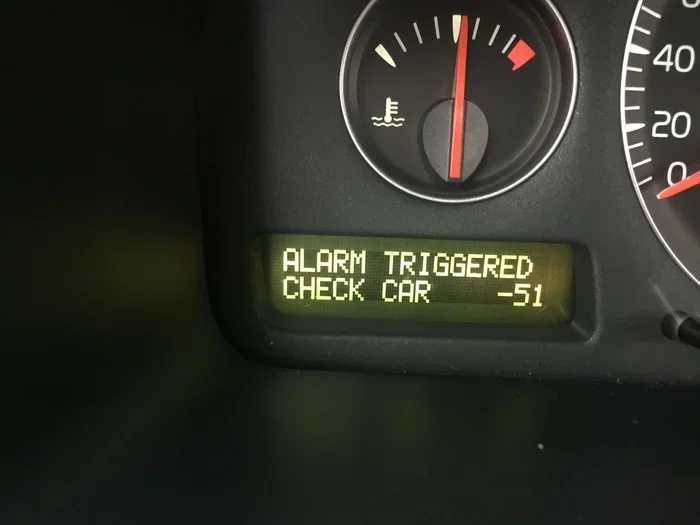
Your car will tell you when something is wrong with the anti-theft system. A flashing security light on the dashboard means the system is active. If the light stays on constantly, it could indicate a malfunction. Ignoring these warnings can leave your car unprotected.
Parking in Dark or Isolated Areas
No matter how good your anti-theft technology is, parking in a well-lit area adds another layer of protection. Thieves prefer dark, quiet spots where they can work without being seen. Your alarm siren is less effective if no one is around to hear it.
Not Updating Your System
Just like your phone needs software updates, your car’s anti-theft system can benefit from updates too. Some manufacturers release firmware patches that improve sensor accuracy and reduce false triggers. Check with your dealer about available updates for your vehicle security system.
When to Seek Professional Help for Your Anti-Theft System
Most anti-theft system issues are minor and easy to fix. But some problems need professional attention. Knowing when to call a technician can save you time and money.
Signs You Need a Professional Diagnosis
If your alarm triggers randomly every few days, that is a red flag. A consistently triggering alarm trigger suggests a deeper issue. It could be a faulty sensor, a wiring problem, or a failing control module.
Another sign is when your car will not start even with the correct key. This usually points to an immobilizer problem. The system might not be recognizing your key fob anymore. A technician can reprogram or replace the immobilizer module.
Finding a Qualified Technician
Look for a technician who specializes in your car’s brand. Dealerships have the latest diagnostic tools and software. Independent shops that specialize in vehicle security can also be a great option, often at a lower cost.
Ask about their experience with anti-theft systems specifically. A good technician will walk you through the diagnosis and explain what needs to be fixed. Do not hesitate to ask questions about your vehicle security setup.
Expert Insight: Many auto locksmiths now specialize in anti-theft system repairs. They often have mobile services and can come to you. This is a convenient option if your car is stuck at home due to an immobilizer issue.
Simple Steps to Strengthen Your Vehicle Security Today
You do not need expensive upgrades to improve your anti-theft system. Small habits can make a big difference in keeping your car safe.
- Always lock all doors and windows before walking away from your car. This includes the rear windows and sunroof if your car has one.
- Keep your key fob away from windows and doors at home. Thieves can use signal amplifiers to trick your car into thinking the fob is nearby.
- Park in well-lit, busy areas whenever possible. Visibility is one of the best theft deterrents you can use.
- Use a steering wheel lock for extra protection. It is visible and makes your car a harder target.
- Consider VIN etching on your windows. This makes it harder for thieves to sell your car parts illegally.
- Replace your key fob battery every one to two years to keep the signal strong and reliable.
- Have your anti-theft system inspected during regular maintenance visits. Early detection of sensor issues prevents bigger problems later.
Taking these steps gives you real control over your vehicle security. You will sleep better knowing your car has multiple layers of protection working around the clock.
Conclusion
Your anti-theft system is a complex but fascinating piece of technology. It uses door lock sensors, shock sensors, motion detectors, and immobilizers to keep your vehicle safe. Understanding how these systems work empowers you as a car owner.
False alarms can be annoying, but they usually have simple causes. Environmental factors, weak key fob batteries, and aging sensors are the most common culprits. Regular maintenance and smart parking habits go a long way in keeping your vehicle security system working properly.
Remember, no single theft deterrent is perfect on its own. The best protection comes from combining electronic systems like alarm triggers and GPS trackers with physical tools like steering wheel locks. This layered approach makes your car a much harder target for thieves.
Take a few minutes today to check your anti-theft system. Make sure your key fob battery is fresh, your sensors are clean, and your alarm is functioning. A little attention now can save you from a lot of trouble later.
Frequently Asked Questions
What is the most common reason an anti-theft system triggers randomly?
The most common reason is a weak battery in your key fob. When the signal is weak, the car may not recognize your key and trigger the alarm. Other frequent causes include temperature changes, moisture in sensors, and loose wiring connections.
Can a dead key fob battery cause the anti-theft system to activate?
Yes, absolutely. A dying key fob battery often causes the anti-theft system to think an unauthorized person is trying to start the car. Replacing the small coin-cell battery in your fob usually fixes this problem quickly and cheaply.
How can I reduce false alarms from my car alarm?
Start by adjusting the sensitivity of your shock sensor. Most systems allow you to turn it down a few levels. Also, check for loose sensors, clean the door lock mechanisms, and ensure your key fob battery is fresh. Parking away from areas with a lot of vibration, like near construction sites, also helps.
Does the immobilizer use the same system as the key fob?
Yes, the immobilizer works directly with your key fob. The fob contains a unique transponder code that the car’s computer reads when you try to start the engine. If the code matches, the engine starts. If it does not, the immobilizer blocks ignition entirely.
Is it worth adding a GPS tracker if my car already has an anti-theft system?
Yes, it is a great addition. While your anti-theft system tries to prevent theft, a GPS tracker helps you recover your vehicle if it is stolen. Many modern cars have built-in tracking, but aftermarket GPS trackers are affordable and easy to install.
How often should I have my anti-theft system inspected?
It is a good idea to have your anti-theft system checked at least once a year during regular maintenance. If you notice frequent false alarms or starting problems, get it inspected right away. Early detection of sensor or wiring issues prevents more serious problems down the road.