Car Fire Extinguisher 1kg The Essential Safety Must Have
A car fire extinguisher 1kg is one of the most important safety tools you can keep in your vehicle. This compact 1kg extinguisher fits easily in any car, SUV, or truck without taking up much space. It gives you the power to fight small fires before they grow out of control. Whether you drive daily or take long road trips, having a vehicle fire extinguisher on board can save lives and prevent costly damage. Read on to find out everything you need to know about choosing, using, and maintaining the right car fire extinguisher 1kg for your needs.
Every time you get behind the wheel, you trust your brakes, your tires, and your mirrors to keep you safe. But there is one piece of safety equipment that many drivers overlook entirely. A car fire extinguisher 1kg could be the difference between a minor incident and a total disaster. Fires in vehicles happen more often than most people think. Electrical faults, fuel leaks, and overheating engines can all spark a blaze in seconds.
Having a portable fire extinguisher in your car is not just smart. In many places, it is the law. Commercial vehicles are required to carry one, and more states are considering similar rules for passenger cars. Even if it is not mandatory where you live, the peace of mind alone is worth it. A 1kg extinguisher is small enough to fit in tight spaces yet powerful enough to knock down a growing flame.
So why do so many people skip this critical piece of car safety equipment? Often, it is simply because they do not know enough about it. They do not understand the different types, the features to look for, or how to use one properly. This guide will walk you through everything you need to know about the car fire extinguisher 1kg. By the end, you will feel confident about choosing the right one and keeping it ready for action.
Key Takeaways
- Compact and Essential: A 1kg fire extinguisher is the ideal size for most passenger vehicles, offering enough power without bulk.
- ABC Rating Matters: Look for an ABC dry chemical extinguisher to handle regular combustibles, liquids, and electrical fires.
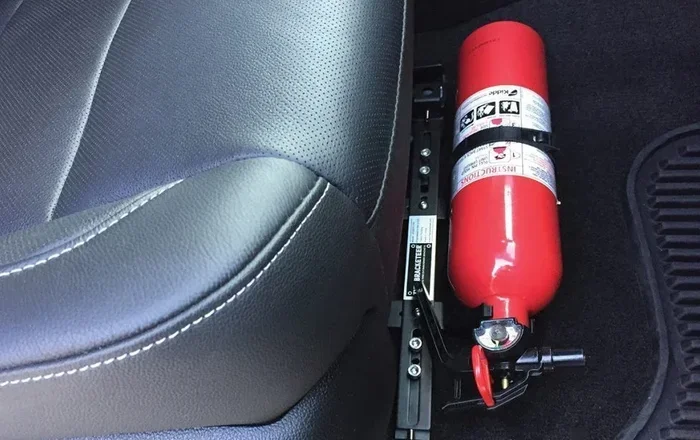
- Easy Installation: Most 1kg car extinguishers come with mounting brackets that keep them secure and within reach.
- Regular Maintenance Is Key: Check the pressure gauge monthly and have your extinguisher serviced annually.
- Know How to Use It: Remember the P.A.S.S. technique — Pull, Aim, Squeeze, Sweep — for effective fire suppression.
- Prevention Starts With You: Having a car fire extinguisher is part of a broader roadside emergency kit that keeps you prepared.
- UL Certification Gives Peace of Mind: Always choose a UL listed extinguisher that meets strict safety standards.
📑 Table of Contents
- Why Every Car Needs a 1kg Fire Extinguisher
- Understanding Fire Extinguisher Types and Ratings
- Key Features to Look For in a Car Fire Extinguisher 1kg
- How to Use a Car Fire Extinguisher 1kg
- Maintenance and Care for Your Car Fire Extinguisher
- Comparing Top Car Fire Extinguisher 1kg Options
- Where to Place Your Car Fire Extinguisher 1kg
- Final Thoughts: Your Car Fire Extinguisher 1kg Is Non-Negotiable
Why Every Car Needs a 1kg Fire Extinguisher
Fires in vehicles are more common than you might expect. According to the National Fire Protection Association, U.S. fire departments respond to over 150,000 vehicle fires every year. These fires cause hundreds of deaths and thousands of injuries annually. Many of these tragedies could have been prevented with a simple portable fire extinguisher in the trunk.
A 1kg fire extinguisher hits the sweet spot for most passenger vehicles. It is large enough to deliver a meaningful amount of extinguishing agent, but small enough that it does not take up precious cargo space. You can stash it under a seat, in the trunk, or mount it on the floor behind the driver’s seat. Its compact size means you will actually use it because it is not a burden to carry.
Common Causes of Car Fires
Understanding what causes vehicle fires helps you appreciate why a car fire extinguisher 1kg is so important. Here are the most common culprits:
- Electrical System Failures: Old wiring, short circuits, and faulty alternators are the leading cause of car fires. Modern vehicles have miles of wiring, and any one of them can fail over time.
- Fuel Leaks: A small leak in the fuel line or tank can create a highly flammable pool under the car. A single spark is all it takes.
- Engine Overheating: When your engine runs too hot, fluids can boil over and ignite. This is especially dangerous in hot weather or during heavy towing.
- Collisions: Even a minor accident can rupture fuel lines or damage the electrical system, leading to a fire minutes after impact.
- Aftermarket Modifications: Improperly installed stereo systems, LED lights, or performance upgrades can create electrical hazards that lead to engine bay fires.
The Role of a Roadside Emergency Kit
A car fire extinguisher 1kg works best as part of a complete roadside emergency kit. Think of it as one layer in a system of safety. Other essentials include jumper cables, a first aid kit, reflective triangles, and a flashlight. When you combine these items, you create a safety net that covers many different types of roadside emergencies. The extinguisher specifically addresses the fire risk, which is one of the most dangerous situations you can face on the road.
Understanding Fire Extinguisher Types and Ratings
Not all fire extinguishers are created equal. When you shop for a 1kg extinguisher for your car, you will encounter different types and ratings. Understanding these will help you make an informed choice.
What Does ABC Mean?
The most common rating you will see on a car fire extinguisher 1kg is ABC. This means the extinguisher is effective against three classes of fire:
- Class A: Ordinary combustibles like wood, paper, and cloth. These are the materials that burn with an ember or ash.
- Class B: Flammable liquids such as gasoline, oil, and grease. This is especially relevant for vehicle fires since cars carry fuel.
- Class C: Electrical fires caused by faulty wiring, short circuits, or energized equipment. Cars are full of electrical components.
An ABC dry chemical extinguisher uses a fine powder to smother flames and interrupt the chemical reaction of fire. It is the most versatile option for vehicles because it handles the types of fires most likely to occur in cars.
Other Extinguisher Types
While ABC is the gold standard for cars, you might also see other types. BC extinguishers cover liquids and electrical fires but not ordinary combustibles. CO2 extinguishers are great for electrical fires but less effective on liquid fires. For a vehicle fire extinguisher, the ABC dry chemical type remains the best all-around choice.
Understanding Extinguisher Size and Capacity
The “1kg” refers to the weight of the extinguishing agent inside the canister. A 1kg fire extinguisher typically provides about 10 to 15 seconds of discharge time. That might sound short, but it is usually enough to suppress a small fire before it grows. For larger vehicles like trucks or SUVs, some drivers opt for a 2kg unit. However, for most passenger cars, a 1kg extinguisher provides the right balance of power and portability.
Key Features to Look For in a Car Fire Extinguisher 1kg
Not every 1kg fire extinguisher is built the same way. When you are comparing options, pay attention to these critical features.
UL Certification
Always look for a UL listed extinguisher. UL stands for Underwriters Laboratories, an independent safety testing organization. A UL certified extinguisher has been rigorously tested to ensure it performs as advertised. If a car fire extinguisher 1kg does not carry UL certification, it is not worth the risk. This certification tells you the product meets strict safety and performance standards.
Pressure Gauge
A pressure gauge is one of the most important features on any extinguisher. It lets you know at a glance whether the unit is charged and ready to use. You should check the gauge at least once a month. If the needle falls in the red zone, the extinguisher needs to be recharged or replaced. A 1kg extinguisher without a pressure gauge is like a seatbelt without a buckle. You will not know if it will work when you need it most.
Mounting Bracket and Installation
Most quality 1kg car extinguishers come with a mounting bracket. This bracket keeps the unit secure during driving and makes it easy to grab in an emergency. You can install the bracket under the driver’s seat, on the trunk floor, or even on the firewall behind the dashboard. The key is to place it somewhere accessible but out of the way. You do not want to be fumbling around in a panic to find your portable fire extinguisher.
Corrosion-Resistant Canister
Cars are exposed to heat, vibration, and moisture every day. A good car fire extinguisher 1kg should have a corrosion-resistant canister, usually made from aluminum or coated steel. This ensures the unit lasts for years without rusting or degrading. Cheap extinguishers with thin, uncoated cans can develop leaks over time, leaving you with a useless unit when you need it most.
Ease of Operation
In an emergency, you do not want to read a manual. Look for a compact fire extinguisher with a simple pull-pin mechanism and a smooth nozzle. The best vehicle fire extinguishers can be operated with one hand, which is crucial when you are dealing with a fire and need to keep the other hand on the steering wheel or brake.
How to Use a Car Fire Extinguisher 1kg
Having a car fire extinguisher 1kg is only half the battle. You also need to know how to use it correctly. Fire moves fast, and panic can make things worse. Learning the proper technique before you need it can make all the difference.
The P.A.S.S. Technique
The most widely taught method for using any fire extinguisher is the P.A.S.S. technique. This simple acronym makes it easy to remember the steps:
- Pull the pin at the top of the extinguisher. This unlocks the handle and allows you to discharge the agent.
- Aim the nozzle at the base of the fire, not the flames. You need to target the fuel source, not the smoke.
- Squeeze the handle to release the extinguishing agent. Keep a firm grip and steady pressure.
- Sweep the nozzle from side to side at the base of the fire. Work your way across the flames until they are out.
With a 1kg fire extinguisher, you will have roughly 10 to 15 seconds of discharge time. Practice the motion a few times at home so your muscle memory kicks in during a real emergency. You want to be fast and decisive.
When to Fight a Fire and When to Flee
This is a critical point that many people miss. A 1kg extinguisher is designed for small, contained fires. If the fire is larger than a wastebasket, has spread beyond its origin, or is producing thick black smoke, your priority should be to get out of the car immediately. Call emergency services and let the professionals handle it. Your car fire extinguisher 1kg is a tool for early intervention, not a replacement for professional firefighting.
Quick Tips for Fire Safety in Vehicles
- Keep your 1kg extinguisher in the driver’s cabin, not the trunk. Trunks can heat up quickly and may become inaccessible after a collision.
- Make sure all passengers know where the extinguisher is located.
- Never turn your back on a fire you have just extinguished. Fires can reignite.
- If your car’s temperature gauge spikes, pull over safely and turn off the engine immediately.
- Do not open the hood if you suspect an engine bay fire. Oxygen will feed the flames. Use the extinguisher through the grille instead.
Maintenance and Care for Your Car Fire Extinguisher
A car fire extinguisher 1kg is not a set-it-and-forget-it item. Like any safety device, it needs regular maintenance to ensure it works when you need it most. Fortunately, maintenance is simple and takes only a few minutes each month.
Monthly Checks
Every month, take a moment to inspect your portable fire extinguisher. Check the pressure gauge to make sure the needle is in the green zone. Look at the canister for any visible damage, dents, or rust. Make sure the pin is still intact and the nozzle is clear of debris. These quick checks take less than a minute but can save your life.
Annual Servicing
Most manufacturers recommend having your 1kg extinguisher professionally serviced once a year. During servicing, a technician will check the internal pressure, inspect the valve and hose, and recharge the unit if needed. Even if the extinguisher has never been used, the chemicals inside can settle or lose pressure over time. Annual servicing ensures your vehicle fire extinguisher is always ready to go.
Replacing Your Extinguisher
Even with proper care, every fire extinguisher has a lifespan. Most 1kg fire extinguishers last between 5 and 15 years, depending on the brand and model. Check the label on your unit for the expiration date. If the extinguisher is past its service life, replace it immediately. Do not wait for an emergency to discover your extinguisher is no longer functional.
Common Mistakes to Avoid
- Ignoring the pressure gauge: A gauge in the red zone means the extinguisher is either undercharged or overcharged. Either way, it will not work properly.
- Storing the extinguisher in extreme heat: Dashboards and trunks can reach extreme temperatures in summer, which can degrade the extinguishing agent.
- Using the wrong type: A water extinguisher on a grease or electrical fire can make things worse. Stick with an ABC dry chemical extinguisher for your car.
- Forgetting to replace after use: Even a partial discharge means the unit needs to be recharged or replaced. Do not just put it back in its bracket and forget about it.
Comparing Top Car Fire Extinguisher 1kg Options
When it comes to choosing a car fire extinguisher 1kg, the market offers many options. Here is a comparison of popular models to help you decide.
| Feature | Model A | Model B | Model C |
|---|---|---|---|
| Weight | 1kg | 1kg | 1kg |
| Rating | ABC | ABC | BC |
| UL Certified | Yes | Yes | No |
| Pressure Gauge | Yes | Yes | Yes |
| Mounting Bracket Included | Yes | Yes | Yes |
| Discharge Time | ~12 seconds | ~10 seconds | ~15 seconds |
| Corrosion-Resistant Canister | Yes | Yes | No |
| Price Range | $$ | $ | $ |
As you can see, not all 1kg extinguishers are equal. Model C is cheaper but lacks UL certification and has a BC rating, meaning it will not handle ordinary combustibles. For the best protection, choose a UL certified ABC extinguisher with a pressure gauge and corrosion-resistant build. The small upfront cost is nothing compared to the protection it provides.
Where to Place Your Car Fire Extinguisher 1kg
Placement matters just as much as the extinguisher itself. A car fire extinguisher 1kg is only useful if you can reach it quickly in an emergency. Here are the best placement options for most vehicles.
Under the Driver’s Seat
This is one of the most accessible locations. The extinguisher stays within arm’s reach of the driver, and it is protected from extreme temperatures. Just make sure the mounting bracket keeps it secure so it does not slide around during turns and braking.
Trunk Floor Mounted
If you do not have space under the seat, the trunk floor is a good alternative. Use a mounting bracket to keep the extinguisher from sliding. The main downside is that trunks can get very hot in direct sunlight, which may affect the extinguisher over time. Choose a model with a heat-resistant canister if you go this route.
Behind the Front Passenger Seat
For SUVs and larger vehicles, placing the extinguisher behind the front passenger seat works well. It keeps the unit in the cabin where it is accessible to all occupants and away from the extreme heat of the engine bay.
What Not to Do
- Do not place the extinguisher in the glove box. It is too cramped, and the box may not open during a collision.
- Do not leave it loose in the trunk or cabin. A loose extinguisher can become a projectile in a crash.
- Do not store it near the exhaust manifold or engine block where temperatures can exceed 200 degrees Fahrenheit.
Final Thoughts: Your Car Fire Extinguisher 1kg Is Non-Negotiable
Driving without a car fire extinguisher 1kg is like driving without a seatbelt. You might be fine for years, but when the unexpected happens, you will be grateful you had it. Vehicle fires are real, they are dangerous, and they can happen to anyone. A 1kg fire extinguisher gives you the ability to act fast and protect yourself, your passengers, and your vehicle.
Choosing the right 1kg extinguisher means looking for ABC rating, UL certification, a reliable pressure gauge, and a sturdy mounting bracket. Keep it maintained, know how to use it, and make sure it is always within reach. These small steps take minimal effort but provide enormous peace of mind.
Take a few minutes today to check if you have a car fire extinguisher 1kg in your vehicle. If you do not, pick one up this week. If you already have one, give it a quick inspection to make sure it is still in good working order. Fire safety is not something you want to think about only after it is too late. Be prepared, stay safe, and drive with confidence knowing you have the right vehicle fire extinguisher on board.
Frequently Asked Questions
Is a 1kg fire extinguisher enough for a car fire?
Yes, a 1kg fire extinguisher is generally sufficient for small, early-stage vehicle fires. It provides about 10 to 15 seconds of discharge, which is enough to suppress a fire before it spreads. However, if the fire is large or growing rapidly, your priority should be to evacuate and call emergency services.
What type of fire extinguisher is best for cars?
An ABC dry chemical extinguisher is the best choice for most vehicles. It handles ordinary combustibles, flammable liquids, and electrical fires. Since cars contain fuel, electrical systems, and interior materials, an ABC-rated 1kg extinguisher covers all the most common fire types you might encounter.
How often should I check my car fire extinguisher?
You should visually inspect your car fire extinguisher 1kg at least once a month. Check the pressure gauge, look for physical damage, and ensure the pin and nozzle are intact. A professional service should be done annually to ensure the unit remains fully charged and functional.
Can a car fire extinguisher 1kg be used in other vehicles?
Absolutely. A 1kg extinguisher works well in cars, SUVs, trucks, and even boats or RVs. Its compact size makes it versatile for any vehicle where space is limited. The key is ensuring the extinguisher has the right rating for the types of fires most likely in that specific vehicle.
How do I mount a fire extinguisher in my car?
Most 1kg fire extinguishers come with a mounting bracket and installation hardware. You can mount it under the driver’s seat, on the trunk floor, or behind the front passenger seat. The most important thing is to secure it tightly so it does not move during driving and remains easy to grab in an emergency.
What happens if my car fire extinguisher gets too hot?
Extreme heat can cause the pressure inside the extinguisher to rise, which may trigger the pressure gauge into the red zone. Prolonged exposure to high temperatures can also degrade the extinguishing agent over time. Always store your car fire extinguisher 1kg in a shaded or climate-controlled area when possible.