Best Car for a 4 Year Old Boy with Top Safety Features
Choosing the best car for a 4 year old boy means balancing fun, safety, and durability. Whether you are shopping for a toddler car seat, an electric ride-on toy, or a family vehicle, this guide covers top options with top safety features for your child. Read on to find the perfect match for your little driver.
Every parent wants the best for their child. When it comes to transportation, finding a safe and fun car for a 4 year old boy is a top priority. Whether you are looking for a toddler car seat for your family SUV or a fun electric ride-on toy for playtime, the choices can feel overwhelming. This guide breaks everything down in simple terms so you can make a confident decision.
Safety is the number one concern for every parent. A 4 year old boy is curious, energetic, and ready to explore the world. That means his car seat or ride-on vehicle needs to keep up with his spirit while keeping him protected. We will walk you through the best options, key safety features, and expert tips to help you choose wisely.
In this article, we cover everything from child passenger safety to the best electric cars for kids. You will find comparison tables, quick tips, and honest advice. By the end, you will know exactly what to look for when shopping for a car for 4 year old boy needs. Let us dive in.
Key Takeaways
- Safety first: Always prioritize crash-tested car seats and vehicles with advanced safety tech for your 4 year old.
- Multiple options exist: From electric ride-on cars to forward-facing toddler seats, there is a great choice for every family.
- Check ratings: Look for car seat safety ratings and vehicle crash test scores before buying.
- Fit matters: Choose a car or seat that matches your child’s height, weight, and developmental stage.
- Bonus features help: Seat belts, side impact protection, and parental controls add extra peace of mind.
- Maintenance counts: Regularly inspect car seats and vehicles to keep them safe and functional.
📑 Table of Contents
Why Choosing the Right Car for a 4 Year Old Boy Matters
Selecting the right vehicle or car seat for a young boy is not just about looks or fun. It is about protecting a child who is growing fast and exploring every day. A 4 year old boy typically weighs between 30 and 40 pounds and stands around 3 feet tall. These numbers matter when choosing a child safety seat or a ride-on toy.
The wrong choice can lead to discomfort, poor protection, or even injury in a crash. On the other hand, the right car seat or toy vehicle brings joy and confidence. Your little one feels like a real driver while staying safe.
Understanding Your Child’s Needs
Every child is different. Some 4 year old boys are tall for their age, while others are smaller. The car seat for toddlers you choose must match your child’s specific measurements. Most car seats have weight and height limits listed on the label. Always check these before purchasing.
Beyond physical fit, consider your child’s personality. Does he love pretend play? An electric car for kids might be a great addition to your home. Does he need a secure spot for daily commutes? A high-quality forward facing car seat is essential.
The Role of Safety Regulations
Car seats and vehicles for children go through strict testing. In the United States, the National Highway Traffic Safety Administration (NHTSA) rates car seats based on ease of use and crash performance. The Federal Motor Vehicle Safety Standards set rules that every child seat must meet.
When shopping for a car for 4 year old boy options, look for labels that show compliance with these standards. Do not skip this step. It is one of the easiest ways to ensure your child’s safety on every trip.
Types of Cars and Car Seats for a 4 Year Old Boy
Not all cars for young boys are the same. There are several categories to consider, each serving a different purpose. Let us break them down so you can find the right fit.
Forward Facing Car Seats
A forward facing car seat is the most common choice for a 4 year old boy. These seats use a five-point harness system that keeps your child snug and secure. They attach to the vehicle using either the LATCH system or seat belts.
Most forward facing seats accommodate children up to 65 pounds. This means your son can use the same seat for several more years. Look for models with side impact protection and adjustable headrests for the best results.
Booster Seats
Some 4 year old boys are ready to transition to a booster seat. A booster seat raises your child so the vehicle’s seat belt fits correctly across the chest and lap. However, many safety experts recommend staying in a forward facing seat with a harness until your child reaches the maximum weight limit.
If you are considering a booster seat, make sure your son can sit still with his back against the vehicle seat. His knees should bend naturally at the edge of the seat. This position ensures the seat belt works properly in a crash.
Electric Ride-On Cars for Kids
Electric ride-on cars are a blast for young boys. These mini vehicles look like real cars and come with working doors, steering wheels, and sometimes even MP3 players. They are perfect for backyard fun, driveways, and neighborhood rides with supervision.
Most electric cars for kids are designed for ages 3 to 8. They run on rechargeable batteries and typically reach speeds of 2 to 5 miles per hour. Always choose a model with a seat belt and parental remote control for added safety.
Push Cars and Scooters
Push cars are a simpler option for active 4 year old boys. These foot-powered toys let kids steer and push themselves along. They help build balance and coordination. Look for models with a low center of gravity and wide base to prevent tipping.
Scooters are another popular choice. Three-wheeled scooters offer stability for beginners. As your child gains confidence, he can move up to a two-wheel model. Always pair these with a child safety helmet and knee pads.
Top Safety Features to Look For
Safety should never be an afterthought. When evaluating any car for 4 year old boy option, check for these essential features. They make a big difference in protecting your child.
Five-Point Harness System
A five-point harness is the gold standard for child car seats. It secures your child at five points: both shoulders, both hips, and between the legs. This design distributes crash forces evenly across the strongest parts of a child’s body.
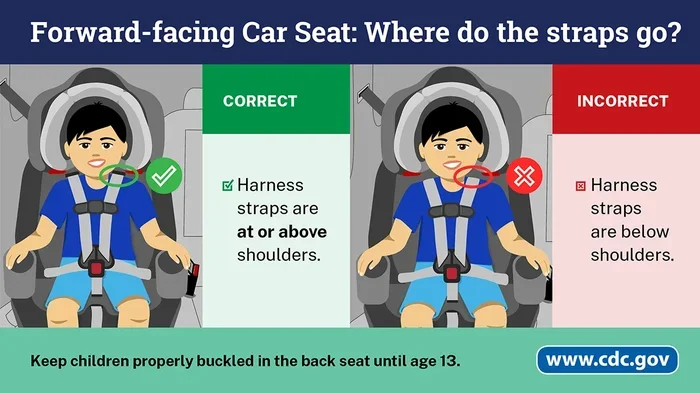
Make sure the harness straps are at or below your child’s shoulders for forward facing seats. The chest clip should sit at armpit level, not too low on the belly. Adjust the straps until they are snug but comfortable.
Side Impact Protection
Side impact crashes are among the most dangerous for young children. A good car seat or vehicle should offer side impact protection through energy-absorbing foam, deep side wings, or inflatable airbags. These features help cushion your child during a side collision.
Some premium car seats even include energy-absorbing foam built into the headrest and wings. This technology significantly reduces the force transferred to your child’s head and neck. Always ask about side impact protection before buying.
LATCH System Compatibility
The LATCH system makes car seat installation easier and more secure. It stands for Lower Anchors and Tethers for Children. Most vehicles made after 2002 include LATCH anchors in the back seat.
Using LATCH instead of seat belts often results in a tighter, more secure fit. Check the weight limits for the LATCH system, as they include both the seat and child weight combined. Once you exceed the limit, switch to seat belt installation.
Adjustable Headrest and Recline
A 4 year old boy is still growing rapidly. An adjustable headrest allows you to raise the support as your child gets taller. Multiple recline positions also help younger kids sit comfortably and safely.
Look for at least 4 to 6 height settings on the headrest. Some seats offer no-rethread straps, which make adjustments quick and easy. These small features save time and ensure a proper fit every time.
Breathable and Washable Materials
Kids can get hot and messy. A car seat with breathable mesh fabric keeps your child cool during warm weather. Machine-washable covers make cleanup a breeze after spills and accidents.
Do not overlook this feature. A comfortable child is a safer child. If your son is fussy in his seat, he may not sit properly, which reduces protection in a crash.
Best Cars for a 4 Year Old Boy – Comparison
To help you decide, we put together a comparison of popular options. Each one offers great safety features and value for your child.
| Option | Type | Age Range | Key Safety Feature | Price Range |
|---|---|---|---|---|
| Britax Advocate ClickTight | Forward Facing Car Seat | 2-8 years | ClickTight installation, side impact protection | $250-$330 |
| Chicco MyFit | Forward Facing Car Seat | 2-7 years | Dual-level headrest, LATCH system | $200-$250 |
| Razor Dirt Quad | Electric Ride-On | 3-8 years | Seat belt, parental remote | $150-$200 |
| Power Wheels Dune Racer | Electric Ride-On | 3-8 years | Two-point seat belt, remote control | $130-$180 |
| Radio Flyer Scoot 2 | Push Car | 2-5 years | Low center of gravity, wide base | $50-$70 |
| HBO Sports 3-Wheel Scooter | Scooter | 3-6 years | Lean-to-steer design, anti-slip deck | $30-$50 |
Quick Tips for Choosing the Right Option
- Measure your child: Write down his height and weight before shopping. Match these numbers to the seat or vehicle limits.
- Read reviews: Check parent reviews on trusted sites. Real-world feedback helps you spot issues before buying.
- Try before you buy: Visit a store and let your son sit in the seat or test the ride-on car. Comfort matters.
- Check your vehicle: Not all car seats fit every car. Bring your vehicle manual or measure your back seat before purchasing.
- Set a budget: Great options exist at every price point. You do not need to spend a fortune to keep your child safe.
Common Mistakes Parents Make
Even the best parents can make mistakes when choosing a car or seat for their child. Here are the most common ones to avoid.
- Skipping the manual: Every car seat comes with an instruction manual. Skipping it can lead to incorrect installation, which reduces safety.
- Buying a used seat without checking history: A secondhand car seat may have been in a crash or may be expired. Always check the manufacture date and accident history.
- Moving to the next seat too early: Some parents rush to transition their child to a booster seat or forward-facing position too soon. Stay in the current stage until your child reaches the maximum limits.
- Ignoring recalls: Car seat recalls happen more often than you think. Register your seat with the manufacturer and check for recalls regularly.
- Loose installation: A car seat should not move more than one inch side to side or front to back when properly installed. If it wiggles, tighten it.
How to Keep Your 4 Year Old Safe in Any Car
Choosing the right seat or vehicle is only half the battle. Proper usage and daily habits play a huge role in keeping your child safe on the road.
Correct Installation is Everything
Studies show that up to 70% of car seats are installed incorrectly. This is a scary statistic, but the fix is simple. Take your time during installation, and do not be afraid to ask for help. Many fire stations and police departments offer free car seat inspection services.
When installing a forward facing car seat, use the tether strap. This strap reduces forward movement in a crash by several inches. It is one of the most overlooked yet important safety steps.
Proper Harness Fitting
A harness only works if it fits correctly. The straps should lie flat and not be twisted. The chest clip should be at armpit level. You should not be able to pinch any slack in the straps at your child’s shoulders. This is called the “pinch test” and it is the easiest way to check the fit.
As your son grows, adjust the harness straps and headrest regularly. A proper fit changes as your child’s body changes. Make it a habit to check the harness every time you buckle him in.
No Bulcoats in the Car Seat
Winter brings thick coats and snowsuits. While they keep your child warm outside, they are dangerous inside a car seat. The padding compresses in a crash, creating slack between the harness and your child. This can lead to the child slipping out of the seat during a collision.
Instead, buckle your child in with thin layers, then place his coat or blanket over the harness like a blanket. This keeps him warm without compromising safety. It is a small change that makes a big difference.
Back Seat Is Best
The back seat is the safest place for any child under 13. Airbags in the front seat can cause serious injury to a young child in a crash. Always place your car for 4 year old boy’s seat in the back seat, preferably in the middle position if it fits properly.
If you must place the seat on the side, choose the seat behind the passenger seat. This position is often easier for installation and allows for better visibility when loading and unloading your child.
Expert Insights and Practical Advice
We spoke with child passenger safety technicians and pediatricians to gather the best advice for parents. Here is what the experts want you to know.
Keep Your Child Rear Facing as Long as Possible
While a 4 year old boy can legally ride forward facing in most states, experts recommend keeping children rear facing until they reach the maximum height or weight limit of their seat. Rear-facing seats protect the head, neck, and spine far better in a crash.
Some convertible seats allow rear-facing use up to 50 pounds. This means many children can remain rear facing well past age 4. The longer your child stays rear facing, the safer he is.
Replace Car Seats After a Crash
Even if a car seat looks fine after an accident, it may have hidden structural damage. Most car seat manufacturers recommend replacing the seat after any moderate or severe crash. Minor fender benders may not require replacement, but check the manufacturer’s policy to be sure.
Do Not Add Aftermarket Products
Head supports, strap covers, and other aftermarket accessories may seem helpful, but they can interfere with how the harness functions in a crash. The car seat has been tested with its original components only. Adding untested products can void safety certifications.
Set a Good Example
Children learn by watching. If you always wear your seat belt and follow traffic rules, your son will too. Make child passenger safety a family value. Talk about why car seats and seat belts matter, and let your little one see you modeling good behavior every time you get in the car.
Key Takeaways
- Safety comes first: Always choose a car seat or ride-on vehicle with proven safety features like a five-point harness, side impact protection, and LATCH compatibility.
- Match the seat to your child: Use your son’s height and weight to find the right fit. Do not rush transitions to booster seats or new stages.
- Installation matters: A properly installed car seat is far safer than one that is loose or incorrect. Get free inspections if you are unsure.
- Electric ride-ons are fun and safe: Choose models with seat belts, parental controls, and speed limiters for the best experience.
- Avoid common pitfalls: Do not use thick coats in car seats, skip the manual, or ignore recalls. These simple mistakes can compromise safety.
- Expert advice is valuable: Consult child passenger safety technicians and pediatricians when you have questions or concerns.
Conclusion
Finding the best car for a 4 year old boy does not have to be stressful. With the right information, you can choose a safe, comfortable, and fun option for your little one. Whether you are shopping for a forward facing car seat for daily drives or a fun electric car for kids to enjoy in the driveway, safety should always come first.
Remember to check car seat safety ratings, read the instruction manual, and get your installation inspected if needed. Your child deserves the best protection on every ride. Take your time, compare options, and trust your instincts as a parent. You have got this, and your little driver will be safe and happy for years to come.
Start your search today with the tips and comparisons in this guide. The right car for 4 year old boy adventures is out there waiting for you.
Frequently Asked Questions
What type of car seat should a 4 year old boy use?
Most 4 year old boys should use a forward facing car seat with a five-point harness. Some taller or heavier children may be ready for a booster seat. Always check the height and weight limits of the seat before transitioning.
Are electric ride-on cars safe for a 4 year old boy?
Yes, electric ride-on cars are safe when you choose a model with a seat belt, parental remote control, and speed limiter. Always supervise your child during use and follow the manufacturer’s age and weight recommendations.
How do I know if my child’s car seat is installed correctly?
The seat should not move more than one inch side to side or front to back when properly installed. Use the LATCH system or seat belt tightly, and always use the tether strap for forward facing seats. Many local fire stations offer free installation checks.
Can a 4 year old boy use a booster seat instead of a forward facing seat?
Some 4 year old boys can use a booster seat, but many safety experts recommend staying in a forward facing seat with a harness until the child reaches the maximum weight limit. Your child should be able to sit properly at all times before switching to a booster.
What safety features should I look for in an electric car for kids?
Look for a seat belt, parental remote control, speed limiter, and a low maximum speed. Check for durability, battery safety certifications, and a sturdy frame. These features ensure your child stays safe while having fun.
How often should I replace my child’s car seat?
Replace a car seat after any moderate or severe crash, even if it looks undamaged. Also replace seats that are past their expiration date, typically 6 to 10 years from the manufacture date. Check the label on the seat for specific guidance.