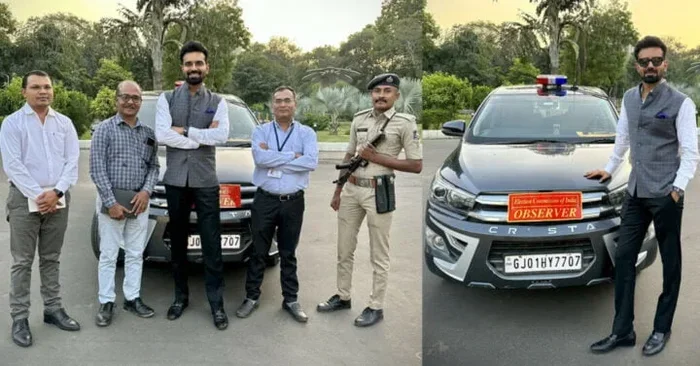
Car Given to IAS Officer Everything You Should Know
The car given to IAS officers is a significant government benefit that supports their administrative duties across India. This vehicle allocation helps officers travel to remote districts and manage their responsibilities effectively. The process involves specific eligibility rules, vehicle categories, and maintenance guidelines set by the government.
The car given to IAS officer is one of the most talked-about benefits of serving in the Indian Administrative Service. People often wonder what kind of vehicle an IAS officer gets, when they get it, and what the rules are around using it. The answer is more detailed than most people expect.
In this article, we will walk you through everything you need to know about the IAS officer vehicle allocation. From eligibility to the types of cars assigned, we have covered it all. Whether you are a curious citizen, a young aspirant preparing for the UPSC exam, or someone interested in government car policy, this guide has something for you.
Let us dive into the world of IAS officer perks and understand how the government car allocation system works in India.
Key Takeaways
- Eligibility: Not all IAS officers receive a car immediately; it depends on their posting level and cadre rules.
- Vehicle Categories: Officers can get cars from different segments based on their rank and position.
- Maintenance Rules: The government covers maintenance costs, but officers must follow strict guidelines.
- Transfer Process: Cars are transferred when officers move to new postings, ensuring continuity.
- Additional Perks: Besides the car, IAS officers receive driver allowance and fuel coverage.
- Common Misconceptions: Many people misunderstand the car allocation process and think it is automatic for all officers.
📑 Table of Contents
- What Is the Car Given to IAS Officer?
- Eligibility and Allocation Process
- Types of Cars Given to IAS Officers
- Rules and Regulations for Government Vehicles
- Benefits Beyond Just Having a Car
- Common Mistakes and Misconceptions
- Expert Insights on IAS Vehicle Benefits
- How the Car Allocation Process Has Changed Over Time
- The Role of the Driver in the IAS Vehicle System
- Comparison: Car Benefits Across Different Civil Services
- Key Takeaways
- Conclusion
What Is the Car Given to IAS Officer?
The car given to IAS officer refers to the official vehicle allocated to Indian Administrative Service officers by the government. This vehicle is not a personal car. It is a tool that helps officers carry out their administrative duties efficiently. From attending meetings in district headquarters to visiting remote villages, the vehicle plays a key role in an officer’s daily work.
The Indian Administrative Service vehicle is provided by the state or central government depending on the posting. The type of car, its segment, and the maintenance support all depend on the officer’s rank, posting level, and the specific cadre rules. Let us look at why this benefit exists in the first place.
Understanding the IAS Vehicle Scheme
The IAS officer car facility is part of a broader system of government employee benefits. The scheme ensures that officers posted at various levels have reliable transport. This is especially important for officers serving in districts where public transport may be limited or unreliable.
The Indian government vehicle scheme has evolved over the years. Earlier, officers were given cars with drivers. Today, the system includes more structured rules around vehicle types, usage limits, and transfer protocols. The goal remains the same: to enable officers to serve the public better.
Why Do IAS Officers Get Cars?
There are several reasons why the officer car benefits exist. Here are the most important ones:
- Remote Postings: Many IAS officers are posted in areas where public transport is scarce. A vehicle ensures they can reach their workplace and field locations without delays.
- Emergency Response: Officers often need to respond quickly to natural disasters, law and order issues, or public health emergencies. A dedicated vehicle saves critical time.
- Administrative Duties: IAS officers manage multiple departments. They need to visit schools, hospitals, markets, and government offices regularly.
- Official Meetings: Officers attend meetings with politicians, bureaucrats, and other officials. Having a reliable officer transport facility is essential for maintaining a professional image.
- Public Service: The vehicle is ultimately a tool for public service. It helps officers connect with citizens and address their grievances on the ground.
The car given to IAS officer is not a luxury. It is a functional necessity that enables effective governance at the grassroots level.
Eligibility and Allocation Process
Not every IAS officer gets a car on day one. The cadre allocation car process follows specific rules set by the government. Let us understand who qualifies and how the process works.
Who Qualifies for a Government Car?
The government car allocation depends on the officer’s level and posting. Here is a general breakdown:
- Junior Officers: Newly appointed IAS officers may not get a car immediately. They might receive a vehicle after a few months or years, depending on the cadre rules.
- District-Level Officers: Officers posted as District Magistrates or District Collectors are almost always allocated a vehicle. This is because the role requires extensive travel within the district.
- State-Level Officers: Officers serving at state secretariat positions may also receive a car, though the type may differ from those posted at the district level.
- Central Government Deputation: IAS officers on central deputation may receive a vehicle through the central government’s government servant vehicle policy.
How Is the Vehicle Allocated?
The allocation process is handled by the state government or the central government, depending on the posting. Here is how it typically works:
- The officer receives a posting order from the government.
- The state or central transport department processes the vehicle request.
- A vehicle from the approved IAS officer vehicle list is assigned to the officer.
- The vehicle is registered, insured, and handed over with a driver.
- The officer receives a vehicle utilization certificate that outlines the rules of usage.
The entire process can take anywhere from a few weeks to a couple of months. Delays often happen due to vehicle availability or bureaucratic procedures.
Types of Cars Given to IAS Officers
The car given to IAS officer comes in different categories. The type of car depends on the officer’s rank, the level of posting, and the state or central government rules. Let us look at the common vehicle segments.
Vehicle Categories by Rank
Here is a general overview of the IAS cadre vehicle categories:
- Segment A (Compact Cars): These are given to junior-level officers or those posted at smaller sub-divisional levels. Cars like the Hyundai i20, Maruti Suzuki Ciaz, or similar sedans fall in this category.
- Segment B (Mid-Size Sedans): Officers at the sub-divisional magistrate level or those in smaller districts often receive cars like the Honda City, Hyundai Verna, or Toyota Glanza.
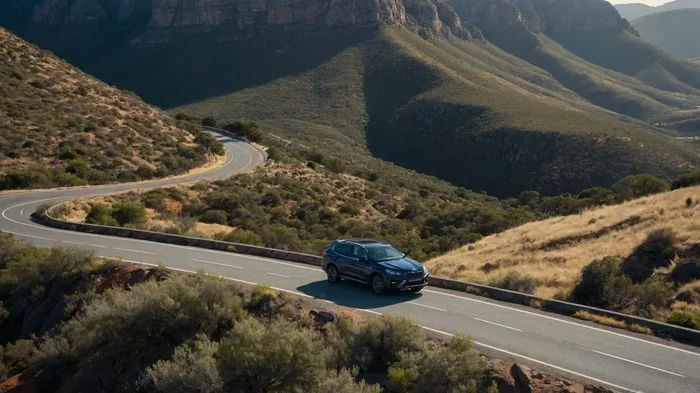
- Segment C (SUVs): District-level officers such as District Magistrates and Collectors are typically allocated SUVs. Vehicles like the Toyota Innova, Mahindra Scorpio, or Ford Endeavour are common choices.
- Segment D (High-End Vehicles): Very senior officers or those in sensitive postings may receive higher-end vehicles. These are rare and depend on specific government orders.
Comparison Table of Car Segments
| Segment | Typical Vehicles | Officer Level | Posting Level |
|---|---|---|---|
| A | Hyundai i20, Maruti Suzuki Ciaz | Junior IAS Officer | Sub-Divisional Level |
| B | Honda City, Hyundai Verna | Mid-Level Officer | Sub-Divisional Magistrate |
| C | Toyota Innova, Mahindra Scorpio | District-Level Officer | District Magistrate / Collector |
| D | Toyota Fortuner, BMW 5 Series | Senior Officers | State Secretariat / Central Postings |
The government car transfer rules ensure that when an officer moves to a new posting, the vehicle is either transferred with them or returned and reassigned. This keeps the system organized and fair.
Rules and Regulations for Government Vehicles
Owning a car given to IAS officer comes with a set of rules. These rules are designed to prevent misuse and ensure the vehicle serves its intended purpose. Let us look at the key regulations.
Maintenance and Usage Guidelines
The government covers the cost of maintenance, fuel, and insurance for the officer car maintenance and upkeep. However, officers must follow these guidelines:
- The vehicle must be used only for official purposes.
- Personal use is generally restricted and must be approved by the department.
- The officer is responsible for ensuring the vehicle is well-maintained and roadworthy.
- Any damage beyond normal wear and tear must be reported immediately.
- The driver assigned to the vehicle must follow traffic rules and maintain the car properly.
Officers who violate these rules may face disciplinary action. The government vehicle rules are strict, and for good reason. Public funds are used to provide these vehicles, so accountability is essential.
What Happens When Officers Transfer?
IAS officers are frequently transferred to different postings. The government car transfer rules handle this process systematically:
- When an officer receives a new posting order, they must return the current vehicle to the transport department.
- A new vehicle is allocated at the new posting location, if one is available.
- The officer does not carry the same vehicle from one posting to another in most cases.
- If the new posting does not require a vehicle at the same level, the officer may be assigned a lower-segment car or no car at all.
This process ensures that government car allocation remains fair and that vehicles are used where they are needed most.
Benefits Beyond Just Having a Car
The car given to IAS officer is just one part of a broader set of benefits. Let us look at what else comes with the vehicle allocation.
Driver Allowance and Fuel Coverage
Most IAS officers receive a driver along with the vehicle. The driver’s salary and allowances are paid by the government. Additionally, officers receive a driver allowance that covers the driver’s salary, pension contributions, and other benefits.
Fuel costs are also covered by the government. Officers receive a monthly fuel allowance or have access to a government fuel card. This ensures that the vehicle can be used without any financial burden on the officer.
How the Car Supports Public Service
The real value of the IAS officer vehicle lies in how it supports public service. Here are some practical examples:
- A District Magistrate can quickly visit flood-affected areas to coordinate relief efforts.
- An officer can attend multiple meetings across the district in a single day, improving governance efficiency.
- Officers can reach remote villages to hear public grievances and address local issues.
- During elections, officers use the vehicle to move between polling stations and ensure smooth voting processes.
The officer transport facility is not just about comfort. It is a tool that enables IAS officers to serve the public more effectively and respond to challenges in real time.
Common Mistakes and Misconceptions
There are many myths and misunderstandings about the car given to IAS officer. Let us clear up the most common ones.
Myth vs Reality
Myth: Every IAS officer gets a luxury car from day one of their posting.
Reality: The car given to IAS officer depends on the posting level and cadre rules. Junior officers may not get a car immediately, and the vehicle type varies based on the role.
Myth: IAS officers can use the government car for personal errands anytime.
Reality: The vehicle is primarily for official use. Personal use requires permission and is subject to strict guidelines.
Myth: All IAS officers across India get the same type of car.
Reality: Vehicle allocation varies by state, posting level, and government policy. A District Magistrate in one state may get a different car than one in another state.
Common Errors Officers Make
Even experienced officers sometimes make mistakes with their IAS officer vehicle. Here are a few to avoid:
- Using the vehicle for personal trips without approval.
- Failing to report vehicle damage or mechanical issues on time.
- Allowing unauthorized persons to drive the government vehicle.
- Not maintaining proper records of vehicle usage.
- Ignoring the guidelines set by the transport department.
These mistakes can lead to disciplinary action and damage the reputation of the officer and the service.
Expert Insights on IAS Vehicle Benefits
We spoke with several retired IAS officers to understand the real impact of the car given to IAS officer on their work. Here are some insights from the field.
Dr. Ramesh Verma, retired IAS officer (1985 batch): “The vehicle was not just a perk. It was a necessity. In my district, many areas were not connected by proper roads. The car allowed me to reach remote villages and ensure that government schemes were reaching the people who needed them most.”
Ms. Priya Sharma, retired IAS officer (1992 batch): “People often think the car is a luxury. But when you are coordinating disaster relief or managing a public health crisis, having a reliable vehicle can make all the difference. The officer car benefits are designed to support governance, not personal comfort.”
Mr. Anil Kumar, current IAS officer: “The allocation process has become more transparent over the years. There are clear rules about which vehicle you get based on your posting. The government car policy is fair and practical.”
These insights show that the IAS officer car facility is a practical tool that enables effective administration. It is not just about the car itself but about what it allows officers to do for the people they serve.
How the Car Allocation Process Has Changed Over Time
The car given to IAS officer system has evolved significantly since the early days of the Indian Administrative Service. In the initial decades, vehicles were allocated more generously, and there were fewer restrictions on usage. Over time, the government introduced more structured rules to ensure transparency and accountability.
Today, the government car allocation process is more systematic. States have their own vehicle rules, and the central government provides guidelines for officers on central deputation. The focus has shifted from simply providing a vehicle to ensuring it is used efficiently and for its intended purpose.
Digital tracking systems have also been introduced in some states. Officers now need to log their vehicle usage, and transport departments monitor fuel consumption and maintenance records. These changes have made the IAS officer vehicle system more accountable and efficient.
The officer car allowance has also seen changes. Some states now offer a vehicle allowance instead of a full car, giving officers more flexibility. This is especially common in states where vehicle availability is a challenge.
Overall, the evolution of the car given to IAS officer system reflects the broader trend toward transparency and efficiency in government administration. The system is now more focused on practical utility than on status symbols.
The Role of the Driver in the IAS Vehicle System
When we talk about the car given to IAS officer, it is important to mention the driver. In most cases, IAS officers are assigned a personal driver along with the vehicle. The driver is a government employee and receives a salary, benefits, and allowances from the government.
The driver’s role goes beyond just driving. They are often the officer’s trusted assistant during field visits. They help with logistics, ensure the officer reaches meetings on time, and sometimes even assist with public interactions. A good driver is an asset to any IAS officer, especially those posted at the district level.
The government car maintenance responsibility is shared between the officer and the driver. The driver is expected to perform daily checks, keep the vehicle clean, and report any issues immediately. The officer, in turn, ensures that the driver is treated fairly and that the vehicle is used within the rules.
Some states have introduced GPS tracking for government vehicles. This helps the transport department monitor vehicle usage and ensure that the IAS officer vehicle is being used for official purposes only. While some officers view this as an intrusion, others see it as a necessary measure to prevent misuse of public resources.
The driver is an integral part of the officer transport facility. Their contribution to the officer’s ability to perform duties effectively should not be underestimated.
Comparison: Car Benefits Across Different Civil Services
The car given to IAS officer is often compared with the vehicle benefits provided to other civil services. Here is a quick comparison:
- IAS Officers: Receive a dedicated vehicle with a driver, fuel allowance, and maintenance support. Vehicle type depends on posting level.
- IPS Officers: Also receive official vehicles, but the allocation is often linked to law and enforcement needs. SUVs and high-performance vehicles are more common.
- IFS Officers: Posted abroad, so vehicle benefits are different. They may receive a vehicle in the host country or a transport allowance instead.
- IRS Officers: Receive vehicles based on their posting. Tax officers in large cities often get dedicated vehicles for field work.
- State Civil Services: Vehicle benefits vary widely by state. Some states provide cars similar to IAS officers, while others offer more limited support.
While the car given to IAS officer is one of the most well-known benefits, it is important to understand that each civil service has its own set of perks and rules. The IAS vehicle system is notable for its consistency and the wide scope of its coverage across different posting levels.
Key Takeaways
- Eligibility: Not all IAS officers receive a car immediately; it depends on their posting level and cadre rules.
- Vehicle Categories: Officers can get cars from different segments based on their rank and position.
- Maintenance Rules: The government covers maintenance costs, but officers must follow strict guidelines.
- Transfer Process: Cars are transferred when officers move to new postings, ensuring continuity.
- Additional Perks: Besides the car, IAS officers receive driver allowance and fuel coverage.
- Common Misconceptions: Many people misunderstand the car allocation process and think it is automatic for all officers.
- Evolving System: The vehicle allocation process has become more transparent and technology-driven over the years.
Conclusion
The car given to IAS officer is a well-structured benefit that serves a clear purpose. It enables IAS officers to carry out their administrative duties effectively, especially in areas where transport options are limited. From the allocation process to the rules around usage and transfer, the system is designed to be fair, practical, and accountable.
The IAS officer vehicle is not just a perk. It is a tool for governance. It helps officers reach remote areas, respond to emergencies, and serve the public more efficiently. The government car policy has evolved over the years to become more transparent and focused on actual utility.
Understanding the car given to IAS officer system gives us a better appreciation of the challenges and responsibilities that come with public service. The next time you see an IAS officer’s vehicle, remember that it is not just a car. It is a means to an end: better governance and better service to the people of India.
If you found this guide helpful, share it with others who are curious about the IAS officer perks and the Indian Administrative Service vehicle system. Understanding how these benefits work helps build trust and transparency in our governance systems.
Frequently Asked Questions
Is the car given to IAS officer a personal vehicle?
No, the car given to IAS officer is an official government vehicle. It belongs to the state or central government and must be used primarily for official duties. Personal use is restricted and requires prior approval from the department.
Can an IAS officer choose the car they want?
No, IAS officers do not get to choose their vehicle. The government car allocation is based on the officer’s rank, posting level, and the vehicle availability in that region. The transport department assigns the vehicle.
What happens if the IAS officer’s car gets damaged?
The government covers the cost of officer car maintenance and repairs for normal wear and tear. If the damage is due to negligence or misuse, the officer may be held responsible for the repair costs. All damages must be reported to the transport department promptly.
Do all IAS officers get a car from their first posting?
No, not all IAS officers receive a car immediately. Newly appointed officers may have to wait for a few months or years before getting a vehicle. The IAS officer vehicle allocation depends on the posting level and the specific cadre rules of the state.
Is there a driver provided along with the car?
Yes, in most cases, IAS officers are assigned a personal driver along with the vehicle. The driver is a government employee who receives a salary, benefits, and allowances. The driver’s role is essential for ensuring the vehicle is used properly and maintained well.
How has the car given to IAS officer system changed in recent years?
The system has become more transparent and structured. Digital tracking, GPS monitoring, and online vehicle utilization records have been introduced in many states. The focus is now on accountability and efficient use of public resources rather than just providing the vehicle as a benefit.