Can Someone Else Register My Car for Me Without Stress
Yes, someone else can register your car for you using a power of attorney or proper authorization. The process is simpler than most people think, but it requires the right paperwork and understanding of your state’s rules. This guide walks you through every step, requirement, and option so you can handle car registration without stress.
Have you ever found yourself stuck in a situation where you need your car registered, but you just can’t make it to the DMV? Maybe you’re traveling for work, recovering from surgery, or simply too busy to stand in line. Whatever the reason, the good news is that someone else can absolutely register your car for you. It’s more common than you might think, and the process is designed to be flexible for real-life situations.
Car registration can feel overwhelming. There are forms, fees, documents, and rules that seem to change every year. But when you understand the basics, it becomes much less intimidating. This guide breaks down everything you need to know about letting another person handle your vehicle registration. You’ll learn about the legal options, the required paperwork, common pitfalls, and how to make the whole process smooth and stress-free.
Whether you’re helping a family member, delegating the task to a friend, or exploring your options before a big move, this article has you covered. Let’s dive in and take the confusion out of registering a car for someone else.
Key Takeaways
- You can authorize another person: A power of attorney or signed letter allows someone else to handle your car registration on your behalf.
- Requirements vary by state: Each state has different rules, fees, and documentation for third-party car registration.
- Essential documents matter: You’ll need your car title, ID, insurance proof, and a notarized authorization form in most cases.
- Power of attorney is the most common method: A general or specific POA gives someone legal authority to act for you at the DMV.
- Avoid common mistakes: Missing signatures, expired documents, or incomplete forms can delay the registration process significantly.
- Online and mail-in options exist: Many states now offer convenient alternatives to in-person registration for authorized representatives.
- Know your state’s fees: Registration costs differ widely, and understanding them helps you budget accordingly.
📑 Table of Contents
- Can Someone Else Register Your Car? The Short Answer
- How to Authorize Someone to Register Your Car
- Documents You’ll Need for Third-Party Car Registration
- State-by-State Differences in Car Registration Rules
- Common Mistakes to Avoid When Registering a Car Through Someone Else
- How Long Does Third-Party Car Registration Take?
- Benefits of Letting Someone Else Handle Your Registration
- Can You Register a Car Online If Someone Else Is Handling It?
- What Happens If Your Registration Gets Rejected?
- Final Thoughts on Letting Someone Else Register Your Car
- Frequently Asked Questions
Can Someone Else Register Your Car? The Short Answer
The short answer is yes. In most states, you can authorize another person to complete your car registration on your behalf. However, the way you do this depends on your state’s laws and the specific circumstances. There isn’t one universal rule that applies everywhere, but the general framework is similar across the country.
Most states require some form of written authorization. This could be a power of attorney, a notarized letter, or a specific DMV form that grants permission to a third party. Without this authorization, the DMV will not release your registration or title to anyone other than the registered owner.
Think of it like giving someone a key to your house. You wouldn’t just hand over the key without some sort of agreement, right? The same logic applies here. You need a clear, documented way to say, “Yes, this person is allowed to handle my vehicle registration.”
The process is straightforward once you know what steps to follow. Let’s look at the most common methods people use to delegate their car registration duties.
Why People Need Someone Else to Handle Registration
There are many reasons why a person might need help with car registration. Some of the most common situations include:
- Out-of-state residents: You bought a car in another state and can’t travel back for registration.
- Work travel: Your job keeps you on the road, making it hard to visit the DMV during business hours.
- Medical issues: Illness or injury prevents you from driving or visiting government offices.
- Time constraints: Busy schedules make it difficult to take a half-day off for paperwork.
- Family assistance: An elderly parent or disabled family member needs help with vehicle paperwork.
- Military deployment: Service members stationed far from home need someone to handle local paperwork.
- Relocation: You’re moving to a new state and need registration sorted before the move.
No matter the reason, the solution is the same. You grant legal permission, provide the necessary documents, and let your chosen person handle the auto registration process.
How to Authorize Someone to Register Your Car
Now let’s get into the practical details. How exactly do you give someone else the authority to register your car? There are three main methods, and each has its own requirements and benefits.
Method 1: Power of Attorney
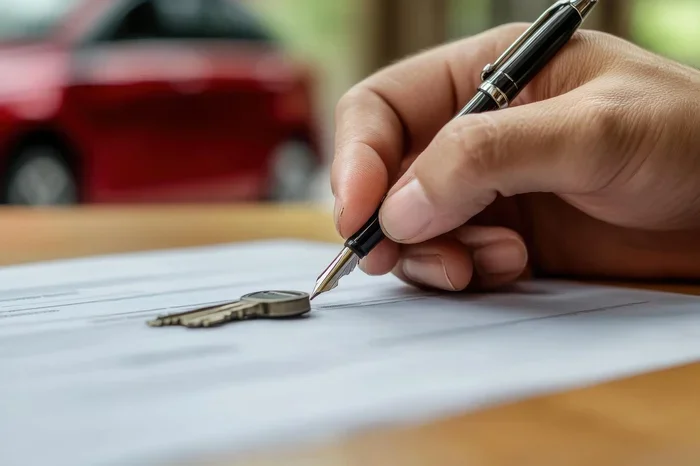
A power of attorney (POA) is the most widely accepted method for delegating car registration tasks. A POA is a legal document that gives another person the authority to act on your behalf in specific matters.
For car registration, you can use either a general power of attorney or a limited (specific) power of attorney. A general POA gives broad authority, while a limited POA focuses only on the vehicle registration task. Most people prefer the limited option because it restricts what the other person can do, which adds a layer of security.
Here’s what you typically need for a POA:
- A written document that clearly states the authorization
- Your signature, often notarized
- The name and identification details of the person you’re authorizing
- A description of the vehicle (make, model, year, VIN)
- The specific purpose (car registration and title transfer)
Some states provide their own POA forms for vehicle transactions. Check your state DMV website to see if a template is available. Using the official form can save time and avoid rejection at the DMV counter.
Method 2: Notarized Letter of Authorization
If you don’t want to create a formal power of attorney, a notarized letter works in many states. This is a simpler document that states you authorize a specific person to register your vehicle. The letter must be notarized to be valid in most cases.
The letter should include:
- Your full legal name and address
- The authorized person’s full name and contact information
- The vehicle details (year, make, model, VIN, license plate number)
- A clear statement granting permission for registration
- The date and your signature
- The notary public’s stamp and signature
This method is quick and doesn’t require any legal fees. You can visit any notary public, sign the letter in front of them, and hand it over to your authorized person. It’s a great option for one-time or short-term delegation.
Method 3: DMV-Specific Forms
Some states have their own forms for third-party registration. These forms are designed specifically for situations where someone other than the owner needs to complete a vehicle transaction. They often combine elements of a POA and an authorization letter.
For example, California has a REG declaration form that allows a third party to submit registration paperwork. Texas offers a Texas DMV Power of Attorney form for vehicle transactions. These state-specific forms are tailored to local requirements and are usually the safest choice.
Before you go to the DMV, call ahead or check their website to find out which form your state requires. Using the wrong document can lead to delays and frustration.
Documents You’ll Need for Third-Party Car Registration
No matter which authorization method you choose, you’ll need to gather several documents. Having everything ready before you visit the DMV or mail in your application will save you significant time and effort.
Here’s a checklist of the most commonly required documents:
- Vehicle title: The original title in your name, free of liens or with lien release documentation.
- Proof of insurance: Valid insurance cards or policy documents that meet your state’s minimum requirements.
- Identification: A government-issued ID for both you (the owner) and the person registering the vehicle.
- Authorization document: Your POA, notarized letter, or state-specific form.
- Vehicle inspection certificate: Some states require a smog check or safety inspection before registration.
- Bill of sale or purchase documentation: If the vehicle was recently purchased, you may need proof of the transaction.
- Payment for registration fees: Check, money order, or payment method accepted by your local DMV.
Double-check your state’s specific requirements. Missing even one document can send you home empty-handed. I’ve seen people make this mistake more times than I can count, and it always leads to an unnecessary second trip.
Understanding Vehicle Titles and Registration
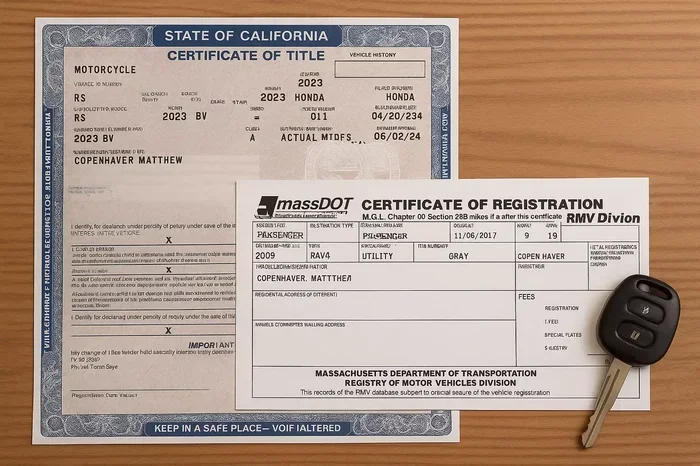
Your vehicle title and registration are two different things, and people often confuse them. The title proves ownership of the vehicle. The registration proves that the vehicle is legally allowed to be driven on public roads in your state.
When someone else registers your car, they’re handling the registration process. The title usually stays in your name unless you’re transferring ownership. Make sure you understand this distinction because it affects which documents you need and how the process works.
For example, if you’re selling a car and the buyer wants someone else to handle the registration, you’d need to sign the title over to the buyer first. But if you just need help with your own registration, the title stays with you.
State-by-State Differences in Car Registration Rules
One of the most important things to understand about car registration is that rules vary significantly from state to state. What works in Texas might not work in New York. Let’s look at some key differences and what they mean for you.
States with Strict Third-Party Registration Rules
Some states are more restrictive when it comes to allowing others to handle registration. These states may require:
- The owner to be physically present for certain steps
- Additional notarization beyond the standard requirements
- Specific DMV forms that can only be obtained in person
- Proof of the owner’s identity through multiple documents
States like California, New York, and Florida have their own unique requirements. California, for instance, may require a smog certificate before registration, even if the vehicle is being registered by a third party. New York has specific rules about title transfers that can complicate third-party registration.
States with Flexible Third-Party Registration Rules
Other states make the process much easier. Many states now accept mail-in registration, online renewal, or third-party submission without the owner needing to be present at all. These states understand that people have busy lives and want to accommodate that.
States like Texas, Arizona, and Colorado often have streamlined processes for authorized third parties. Texas, for example, allows a POA to handle most vehicle registration tasks without the owner being present. Arizona offers online renewal for existing registrations, which can be done by the owner or an authorized representative.
Quick Tips for Navigating State Requirements
- Always check your state DMV website first. It’s the most up-to-date source of information.
- Call your local DMV office. A quick phone call can answer most of your questions.
- Don’t assume rules are the same everywhere. Interstate differences are real and significant.
- Keep copies of everything. Make copies of all documents before you submit them.
- Ask about processing times. Some states process third-party registration faster than others.
Common Mistakes to Avoid When Registering a Car Through Someone Else
Even with the best intentions, mistakes happen. Here are the most common errors people make when letting someone else handle their car registration, and how to avoid them.
Skipping the Notarization Step
This is the number one mistake I see. Many people write a simple letter of authorization but forget to get it notarized. Without notarization, most DMVs will reject the document. Always check whether your state requires notarization and plan accordingly.
Using Expired Documents
Your vehicle inspection, insurance, and even your POA can have expiration dates. Submitting expired documents is a quick way to get your application denied. Check the validity of every document before you submit it.
Mismatched Information
The name on your title must match the name on your ID, which must match the name on your insurance. Even small discrepancies, like a middle name being left off, can cause problems. Double-check every document for consistency.
Forgetting to Sign the Title Correctly
If your title requires signatures from multiple owners, make sure all of them sign. If there’s a lienholder listed, you may need a lien release letter. These small details can hold up the entire process.
Not Paying the Correct Fees
Registration fees vary by state, vehicle type, and sometimes even by county. Research the exact fee amount before you go. Bring the right payment method too; some DMVs don’t accept credit cards or personal checks.
How Long Does Third-Party Car Registration Take?
The timeline for registering a car for someone else depends on several factors. The state you’re in, the method you choose, and the completeness of your paperwork all play a role.
In most cases, if you have all the right documents, the registration process takes anywhere from a few days to a few weeks. Some states offer expedited processing for an additional fee. Others have long wait times, especially during peak registration periods like January or after a holiday.
Online registration and mail-in options can sometimes be faster than visiting the DMV in person. If your state offers these options, they’re worth considering. Just make sure your authorized person knows exactly what to do and has all the necessary forms.
Patience is key. Registration delays happen more often than people expect. Plan ahead and submit your paperwork well before your current registration expires.
Benefits of Letting Someone Else Handle Your Registration
Delegating your car registration isn’t just a necessity sometimes; it actually has some real benefits. Here are a few reasons why this approach works well for many people:
- Saves time: You don’t have to take time off work or rearrange your schedule.
- Reduces stress: Someone else handles the confusing paperwork and DMV lines.
- Convenience: You can authorize a trusted friend or family member who lives closer to the DMV.
- Expert help: Sometimes the person you authorize has more experience with registration processes.
- Flexibility: You can delegate for a specific task or an ongoing need.
The key is to set up the process correctly from the start. When you do, it becomes a convenient solution rather than a stressful headache.
Can You Register a Car Online If Someone Else Is Handling It?
Many states now offer online vehicle registration services. But can your authorized representative do it for you online? The answer depends on your state’s system.
Some states allow online registration renewal for vehicles already registered in the owner’s name. In these cases, the owner (or an authorized person with the login credentials) can complete the renewal online. Other states require in-person visits for first-time registration or title transfers, even with a POA.
Check your state DMV website to see what online services are available. Many DMVs now offer online portals where you can renew registration, pay fees, and update your information without ever leaving your home.
If online registration isn’t available for your situation, your authorized person can still handle the in-person or mail-in process on your behalf.
What Happens If Your Registration Gets Rejected?
Don’t panic if your registration application gets rejected. It happens more often than you’d think, and it’s usually fixable. The most common reasons for rejection include missing documents, incomplete forms, or information that doesn’t match across different records.
When you receive a rejection notice, read it carefully. It will usually tell you exactly what’s wrong and what you need to fix. Contact your local DMV office if the notice isn’t clear. They can walk you through the corrections needed.
Most rejections are resolved quickly once you address the specific issue. Keep your documents organized and your copies handy so you can resubmit without starting from scratch.
Final Thoughts on Letting Someone Else Register Your Car
The process of having someone else handle your car registration is entirely doable. With the right authorization, the correct documents, and a basic understanding of your state’s requirements, you can get your vehicle registered without ever stepping foot in the DMV yourself.
Start by choosing your authorization method. Whether it’s a power of attorney, a notarized letter, or a state-specific form, make sure it’s properly executed and includes all the details. Gather your documents, check their validity, and submit them through the appropriate channel.
Remember, every state has its own rules, so always verify requirements with your local DMV before you begin. Take your time, double-check everything, and don’t hesitate to ask for help if you’re unsure about any step.
Car registration doesn’t have to be a burden. With the right approach, you can handle it from anywhere, at any time, through a trusted person you authorize. The process is designed to work for you, not against you. Use that to your advantage and get your registration sorted with confidence.
Frequently Asked Questions
Can I use a general power of attorney to register my car?
In many states, yes. A general power of attorney gives your authorized person broad authority to act on your behalf, including vehicle registration. However, some states require a specific or limited POA for vehicle transactions. Check your state DMV’s requirements to be sure.
Do I need to notarize my authorization letter?
Most states require notarization for third-party car registration authorization. Notarization proves that you signed the document voluntarily and that your identity has been verified. Without it, the DMV will likely reject your application.
Can I register my car in a different state than where I live?
Generally, no. You must register your vehicle in the state where you primarily reside. Each state has its own registration rules, and registering in a state where you don’t live can lead to legal issues and complications.
How much does it cost to have someone else register my car?
The cost depends on your state’s registration fees, which vary widely. You’ll also need to pay for any required inspections, title transfer fees, and possibly notary fees for your authorization document. Budget between $50 and $200 for most standard registrations.
Can a dealership handle registration on my behalf?
Yes, many car dealerships offer registration assistance as part of the purchase process. They typically handle the paperwork and submit it to the DMV for you. Check with your dealer about their specific services and any additional fees they charge.
What if the person I authorized loses my vehicle documents?
Keep copies of all submitted documents for your records. If the original documents are lost, you can request replacements from your DMV. Having copies makes the replacement process much faster and less stressful. Always maintain a file of your vehicle registration paperwork.