Car Horn Sound Effect That Instantly Grabs Attention
A car horn sound effect is one of the most important safety features on any vehicle. It helps you communicate with other drivers, warns them of danger, and keeps you safe on busy roads. In this guide, you will learn about the different horn types, how loud they should be, and how to pick the right one for your ride.
Key Takeaways
- Know your horn types: Electric horns and air horns each serve different purposes and fit different driving needs.
- Watch the decibel levels: Most car horns range from 100 to 110 decibels. Going beyond legal limits can lead to fines.
- Choose the right horn: Consider your vehicle size, driving environment, and local laws before buying a car horn sound effect.
- Install it the right way: Proper mounting and wiring ensure your horn works reliably every time.
- Use it with care: Good driving etiquette means using your horn only when truly necessary for traffic safety.
- Keep it maintained: Regular checks help avoid horn replacement costs and keep your vehicle safety features in top shape.
📑 Table of Contents
- What Is a Car Horn Sound Effect and Why It Matters
- Types of Car Horn Sound Effects
- How Loud Should a Car Horn Be? Decibel Guide
- How to Choose the Right Car Horn Sound Effect
- Installing a Car Horn Sound Effect: Step-by-Step
- Safety Tips and Driving Etiquette for Using Your Horn
- Maintaining Your Car Horn for Long-Term Performance
- Conclusion
What Is a Car Horn Sound Effect and Why It Matters
A car horn sound effect is more than just a noise. It is your vehicle’s way of talking to other drivers and pedestrians on the road. Whether you need to warn someone of a hazard or simply say “hey, I am here,” your horn is the tool that gets the job done fast.
Think about how many times you have been on a busy street and needed to alert a distracted driver. Your vehicle horn becomes your voice in those moments. Without it, traffic safety would take a serious hit. Studies show that proper horn use reduces accidents caused by driver inattention.
That is why understanding your car horn sound effect matters so much. It is not just about making noise. It is about making the right noise at the right time. Let us break down everything you need to know about this small but mighty attention grabbing device.
The Role of Your Car Horn on the Road
Your car horn plays a big role in driver communication. It tells other road users what you are about to do or what danger is near. Here are some key roles it plays:
- Warning others of danger: If a car drifts into your lane, a quick honk can prevent a crash.
- Getting attention in emergencies: When you need help, your horn is the fastest way to signal that.
- Supporting traffic signals and signs: Sometimes drivers miss a stop sign or red light. A horn reminds them.
- Building road awareness: A horn lets others know you are present, especially in blind spots or noisy areas with lots of road noise.
So your horn is really a vehicle safety feature that you use every day. It deserves more respect than most drivers give it.
How Sound Effects Impact Driver Awareness
The specific sound your horn makes can change how quickly people react. A sharp, clear tone cuts through road noise better than a dull or muffled one. This is why the car horn sound effect you choose matters. It needs to stand out.
Think of it like car audio for safety. Just as a good speaker delivers clear sound, a good horn delivers a clear warning. The better the sound quality, the faster people respond. That is what makes attention grabbing horn tones so important.
Types of Car Horn Sound Effects
Not all horns are the same. Different horn types produce different sounds and serve different purposes. Let us look at the most common ones so you can figure out what fits your vehicle best.
Standard Electric Horns
These are the most common vehicle horn types found in cars today. They use an electric current to vibrate a diaphragm and produce sound. Most factory-installed horns fall into this category.
Standard electric horns are reliable and affordable. They produce a steady tone that works well for everyday driving. Their horn decibel level usually sits between 100 and 110 dB, which is loud enough for most situations.
However, they can be less effective in heavy road noise or open highway environments. That is where other options come in.
Air Horns
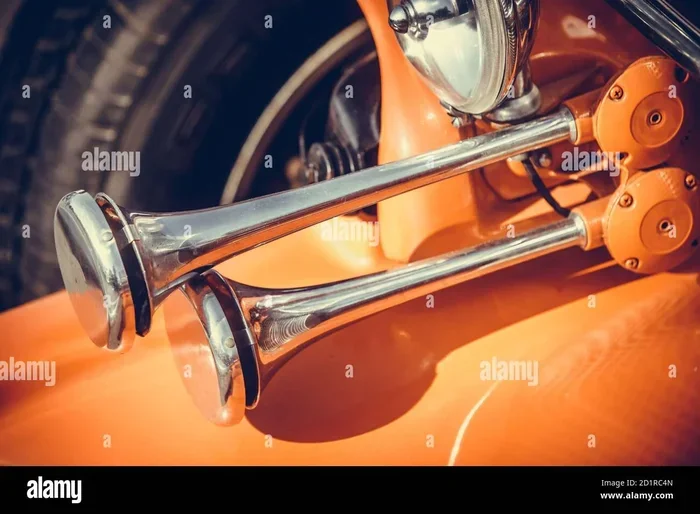
Air horns use compressed air instead of electricity to create sound. The result is a very loud, deep blast that demands attention. If you want a true attention grabbing sound, air horns deliver.
These are popular among truck drivers and off-road enthusiasts. They cut through traffic noise like nothing else. But they do require an air compressor, which takes up space and adds complexity to your car accessories setup.
Musical and Custom Horns
Some drivers prefer a more personalized touch. Automotive sound companies now offer musical horns that play melodies or custom tones. These are fun and unique, but they still need to meet safety compliance standards.
Before you go custom, check your local laws. Some areas require horns to sound a specific way. A fun tune might be cool, but it could also confuse other drivers if it does not clearly signal a warning.
Comparison Table: Horn Types at a Glance
| Feature | Standard Electric | Air Horn | Custom / Musical |
|---|---|---|---|
| Sound Level | 100-110 dB | 110-130 dB | Varies |
| Power Source | Electric | Compressed Air | Electric |
| Best For | Daily Driving | Trucks, Off-Road | Personalization |
| Price Range | $20-$80 | $50-$200+ | $40-$150 |
| Installation | Easy | Moderate | Easy |
| Legal Issues | Rarely | Sometimes | Possible |
How Loud Should a Car Horn Be? Decibel Guide
Loudness matters when it comes to your car horn sound effect. But how loud is loud enough? And how loud is too loud? Let us break down the numbers.
Understanding Decibel Levels
Decibels (dB) measure how loud a sound is. Here is a quick guide to help you understand what different levels mean:
- 30-40 dB: Whisper, quiet library
- 60-70 dB: Normal conversation
- 80-90 dB: Heavy traffic, garbage disposal
- 100-110 dB: Car horns, chainsaw
- 110-130 dB: Air horns, rock concert
- 140+ dB: Jet engine (painful and dangerous)
For most vehicles, a horn decibel level between 100 and 110 dB is ideal. It is loud enough to be heard clearly without being painfully loud. This range also keeps you within most legal safety compliance standards.
Legal Limits for Horn Volume
Different countries and states have different rules about sound pressure level for vehicle horns. In the United States, most regulations cap vehicle horns at around 110 dB. In the European Union, the limit is often 105 dB.
Before you upgrade your horn, check your local traffic safety laws. Going over the legal limit can lead to fines. More importantly, an overly loud horn can actually startle drivers and cause accidents instead of preventing them.
Quick Tips for Managing Horn Loudness
- Test your horn in a quiet area first to gauge its volume.
- Ask a friend to stand at different distances and confirm they can hear it clearly.
- Avoid modifying your horn to go beyond legal limits. It is not worth the risk.
- Consider the size of your vehicle. Larger vehicles like trucks naturally need louder horns.
How to Choose the Right Car Horn Sound Effect
Picking the perfect car horn sound effect is not just about picking the loudest one. You need to match the horn to your specific needs. Here is what to consider.
Factors to Consider
Use this checklist when shopping for a new vehicle horn:
- Your vehicle type: A compact car does not need the same horn as an 18-wheeler. Match the horn to your vehicle size.
- Driving environment: City driving with lots of road noise may call for a louder horn than suburban driving.
- Sound tone: A high-pitched tone cuts through noise differently than a low, deep tone. Think about what works best for your situation.
- Installation difficulty: Some horns require professional horn replacement or wiring. Others are simple bolt-on jobs.
- Budget: Car accessories come in all price ranges. Set a budget and find the best quality within it.
- Durability: Look for horns rated for weather resistance. Your horn faces rain, heat, cold, and dust. It needs to last.
Quick Tips for Selecting a Horn
- Read reviews before buying. Real drivers share honest feedback about attention grabbing performance.
- Buy from trusted car accessories brands. Cheap horns often fail quickly.
- If you are unsure, ask a mechanic for a recommendation based on your vehicle model.
- Consider combo kits that include both an electric and air horn for maximum flexibility.
Expert Insights on Choosing the Right Horn
Professional drivers and automotive experts agree on one thing: the best horn is the one you will actually use. A fancy air horn that nobody presses is useless. Choose a car horn sound effect that feels natural and fits your driving style. The loudest horn in the world does no good if it is too complicated to operate.
Installing a Car Horn Sound Effect: Step-by-Step
Once you have chosen your horn, it is time to install it. Most drivers can handle this as a DIY project. Here is how to do it right.
Tools You Will Need
- Socket wrench set
- Screwdrivers (flathead and Phillips)
- Wire strippers
- Electrical tape
- Mounting brackets (usually included)
- Owner manual for your vehicle
Installation Steps
Follow these steps to get your new vehicle horn up and running:
- Disconnect the battery: Always disconnect the negative terminal before working on electrical parts. This keeps you safe.
- Remove the old horn: Locate your current horn, usually near the radiator or behind the bumper. Unbolt it and disconnect the wiring.
- Position the new horn: Place your new horn in the same area. Make sure it has a clear path for sound to travel. Avoid hiding it behind the grille where road noise and debris can block it.
- Mount the horn: Use the brackets to secure it tightly. A loose horn vibrates and loses volume over time.
- Connect the wiring: Attach the wire to the horn terminal. Use a relay if your horn requires one. This ensures a clean, strong electrical connection.
- Test the horn: Reconnect the battery and press the horn button. Listen carefully. Does it sound clear and loud? If yes, you are done.
Common Mistakes to Avoid
Even simple installations can go wrong. Watch out for these common errors:
- Skipping the battery disconnect: This can cause shorts or damage to your vehicle safety features.
- Poor mounting: A loosely mounted horn loses sound quality and volume. Always secure it firmly.
- Wrong wiring: Mixing up positive and negative terminals can burn out the horn. Double-check before powering it on.
- Ignoring weather seals: If your horn sits exposed to the elements, use weatherproof seals. Moisture kills horn performance fast.
- Choosing the wrong location: Do not place your horn where it can be blocked by mud, snow, or aftermarket parts. This defeats the whole purpose of an attention grabbing device.
Safety Tips and Driving Etiquette for Using Your Horn
Your car horn sound effect is a safety tool, not a toy. Using it properly keeps everyone safe. Using it improperly creates problems. Let us talk about the do’s and don’ts of horn usage.
When to Use Your Horn
There are clear situations where honking is the right call:
- Another driver drifts into your lane and does not notice you.
- A pedestrian steps into the road without seeing or hearing your vehicle approaching.
- You need to alert a driver who is running a red light or stop sign.
- You see a potential hazard ahead, like debris on the road or a stalled car.
- You need to get the attention of someone who is blocking your path.
In all these cases, a quick, firm honk does the job. It supports emergency signaling and helps prevent crashes. Remember, the goal is to communicate, not to express frustration.
When NOT to Use Your Horn
Just as important as knowing when to honk is knowing when to stay silent:
- Do not honk out of anger or impatience. This is rude and increases stress for everyone.
- Do not use your horn to greet friends or say goodbye. It is not a social tool.
- Avoid honking in residential areas late at night. It disturbs neighbors and may violate local noise ordinances.
- Do not rely on your horn instead of safe driving practices. Your horn is a backup, not a primary safety strategy.
Good driving etiquette and road courtesy go a long way. A horn used with respect earns trust. A horn used carelessly earns anger.
Expert Insights on Horn Usage
Driving safety experts recommend the “two-second rule” for horn use. If a hazard will affect you within two seconds, honk immediately. If you have more time, use your brakes and steering first. The horn is your last line of communication, not your first.
Also, consider this: excessive honking desensitizes other drivers. If you honk every time someone makes a minor mistake, people start ignoring your horn. Save it for the moments that truly matter. That is how you keep your car horn sound effect effective for traffic safety throughout the life of your vehicle.
Maintaining Your Car Horn for Long-Term Performance
A good horn deserves regular care. Here is how to keep your vehicle horn working reliably for years to come.
- Inspect it monthly: Check the mounting, wiring, and sound quality regularly. Catch small problems before they become big ones.
- Clean it: Dirt and grime build up on the horn surface. Wipe it down with a damp cloth to keep it looking and sounding great.
- Test after weather events: Heavy rain, snow, or extreme heat can affect horn performance. Test it after major weather changes to make sure it still works.
- Replace when needed: If your horn gets quieter or stops working, do not delay horn replacement. A silent horn is a safety risk.
- Protect the wiring: Check your wiring for fraying or corrosion. Damaged wiring is one of the most common reasons horns fail.
Taking care of your horn is part of maintaining your overall vehicle safety features. It is a small effort that pays off big time when you need it most.
Conclusion
Your car horn sound effect is a small part of your vehicle, but it plays a huge role in keeping you and others safe. From choosing the right horn types to installing them properly and using them with care, every step matters. Whether you drive a compact car or a heavy truck, the right attention grabbing horn makes a real difference on the road.
Now you know everything about automotive sound options, decibel levels, safety tips, and driving etiquette. Take action. Pick the horn that fits your needs, install it the right way, and use it wisely. Your traffic safety depends on it. Share this guide with fellow drivers who could benefit from it, and let us all work toward safer, more aware roads.
Frequently Asked Questions
What is the best car horn sound effect for safety?
A standard electric horn between 100 and 110 decibels is the best choice for most drivers. It is loud enough to grab attention without being dangerously loud. Make sure it meets your local safety compliance standards for traffic safety.
Can I install a louder horn on my car?
Yes, but you need to stay within legal horn decibel limits. Most areas cap vehicle horns at around 105 to 110 dB. Going over that can lead to fines and may even cause accidents due to startling other drivers. Always check your local traffic safety laws before upgrading.
How do I know if my car horn needs replacement?
If your horn sounds quieter than usual, produces a clicking noise, or stops working entirely, it likely needs horn replacement. Also, check the wiring and mounting. Loose connections are a common cause of horn failure. A quick monthly inspection can help you catch problems early.
Are air horns legal for regular cars?
It depends on your location. Some states and countries allow air horns on regular vehicles, while others restrict them. Air horns are more common on trucks and off-road vehicles. If you want an attention grabbing sound for a standard car, check your local safety compliance rules first.
What is the proper way to use my horn in traffic?
Use your horn as a safety tool, not an anger tool. Honk when another driver does not see you or when a hazard appears. Avoid honking in quiet neighborhoods or out of frustration. Good driving etiquette and road courtesy make the road safer for everyone.
How long do car horns typically last?
Most quality car horns last between 5 and 10 years with proper care. Vehicle safety features like horns depend on good wiring and clean connections. If you keep your horn clean, check the wiring, and test it regularly, it should serve you well throughout your ownership of the vehicle.