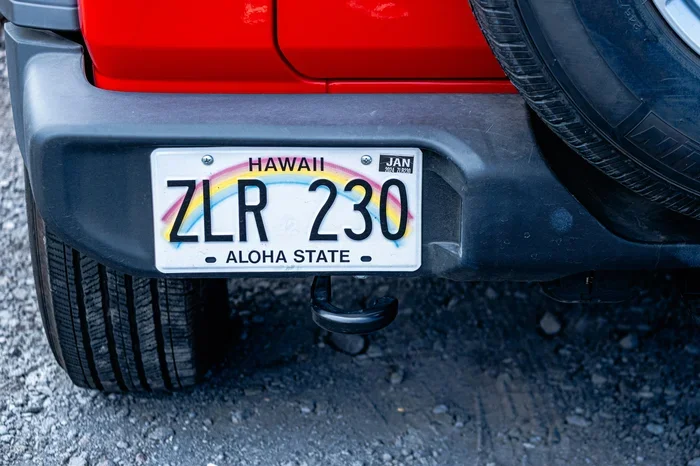
Car Image With Number Plate Everything You Need to Know
A car image with number plate is a vehicle photo that clearly shows the license plate. Whether you are selling a car, editing photos, or building a database, knowing how to handle number plate images matters. This guide covers everything from editing techniques to legal requirements and best practices.
Have you ever wondered why some car photos show the license plate clearly while others hide it completely? The answer depends on the purpose of the image. Whether you are a car seller, a photographer, or someone working with vehicle databases, understanding how to handle a car image with number plate is essential.
This guide covers everything you need to know. We will walk you through the basics, the legal side, editing techniques, and pro tips. By the end, you will feel confident handling any vehicle photo with a license plate.
Key Takeaways
- Legal Rules Matter: Different countries have specific laws about showing license plates in car images.
- Editing Is Common: Many people blur or remove number plates for privacy and safety reasons.
- Car Sellers Need Clean Photos: A clear car image with number plate helps build trust with buyers.
- Technology Is Advancing: License plate recognition software uses car images to identify vehicles automatically.
- Background Removal Boosts Quality: Professional-looking car photos stand out in listings and databases.
- Common Mistakes Are Avoidable: Simple errors like poor lighting or hidden plates ruin car images.
📑 Table of Contents
- What Is a Car Image With Number Plate?
- When Should You Show a Number Plate in Car Images?
- Legal Rules for Car Images With Number Plates
- How to Edit a Car Image With Number Plate
- Car Images With Number Plates for Vehicle Databases
- Tips for Taking Great Car Images With Number Plates
- Common Mistakes People Make With Car Images
- Expert Insights on Car Images and Number Plates
- How Car Images With Number Plates Are Used in Marketing
- Conclusion
What Is a Car Image With Number Plate?
A car image with number plate is simply a photograph of a vehicle that shows the license plate clearly. The plate contains a unique alphanumeric code assigned to each registered vehicle. These codes help identify cars on roads, in databases, and in legal records.
License plates serve many purposes. They help police identify vehicles. They assist toll systems in tracking cars. They also make it easier for buyers to verify a vehicle’s registration. When you see a car image with number plate online, the plate usually carries important information.
Why Do Number Plates Matter in Car Photos?
Number plates are the most identifiable part of a vehicle photo. Without a visible plate, a car image loses much of its usefulness. Here is why they matter:
- Verification: Buyers can check if the car matches its registration documents.
- Identification: Authorities can trace a vehicle if needed.
- Trust: Clear plates in listing photos show the seller has nothing to hide.
- Database Accuracy: Systems that store vehicle data rely on readable plates.
Not every situation requires a visible plate, though. Some contexts demand privacy. Let us explore when to show plates and when to hide them.
When Should You Show a Number Plate in Car Images?
The decision to display a license plate in a car image depends on the context. Different situations call for different approaches. Let us break this down.
For Car Sales Listings
If you are selling a car online, showing the number plate builds trust. Buyers want to see that the vehicle matches its registration. A clear car image with number plate reassures them that the car is legitimate.
Most major car listing platforms encourage sellers to include plate numbers. Platforms like AutoTrader, Cars.com, and CarGurus recommend at least one photo showing the rear plate. This practice reduces fraud and increases buyer confidence.
For Insurance and Legal Purposes
Insurance companies sometimes need car images with visible plates. After an accident, you may need to submit photos for a claim. The license plate helps adjusters identify the exact vehicle in their system.
Legal proceedings also require clear vehicle identification. Police reports, court evidence, and traffic violation records all depend on readable number plates in images.
For Privacy and Security
There are times when hiding the plate is the right choice. Social media posts, personal blogs, and public forums often benefit from blurred plates. This protects the vehicle owner from unwanted attention.
Some people also blur plates to prevent misuse. A stranger could potentially use a visible plate number for harmful purposes. Blurring adds a layer of safety.
Legal Rules for Car Images With Number Plates
The laws around showing license plates in photos vary by country and even by state. Understanding these rules keeps you out of trouble.
United States Rules
In the US, there is no federal law banning photos of license plates. However, some states have specific guidelines. For example, California does not restrict sharing car images with visible plates. But other states may have stricter rules about publishing vehicle photos publicly.
Generally, sharing a car image with number plate for personal use is fine. Problems arise when images are used for commercial exploitation or harassment.
European Union Rules
European countries tend to have stricter privacy laws. The General Data Protection Regulation (GDPR) treats license plate numbers as personal data. This means publishing a car image with number plate without consent could violate privacy rules.
Countries like Germany and France require plate blurring in public-facing images. Even in car sales, some platforms automatically blur plates unless the seller opts out.
United Kingdom Rules
In the UK, the Driver and Vehicle Licensing Agency (DVLA) has specific rules. You can show a car image with number plate for legitimate purposes. But using plate data to harass or stalk someone is illegal.
The UK also has strict rules about number plate suppliers. Only DVLA-approved suppliers can sell physical plates. This ensures plates meet readability standards.
Quick Tips for Staying Legal
- Always check your local laws before publishing car images online.
- When in doubt, blur the number plate.
- Never use someone else’s plate image for fake purposes.
- Keep car photos for personal use when possible.
How to Edit a Car Image With Number Plate
Editing car images is a common practice. Whether you want to blur a plate, remove it, or enhance the photo, the right tools make a big difference.
Blurring the Number Plate
Blurring is the most popular method for hiding plates. Most photo editing apps offer a blur tool. Here is how to do it:
- Open the car image in your editing app.
- Select the blur or mosaic tool.
- Carefully paint over the license plate.
- Adjust the blur intensity until the plate is unreadable.
- Save the edited image.
Popular apps for this task include Adobe Photoshop, GIMP, and even smartphone apps like Snapseed. The key is to make the plate completely unreadable while keeping the rest of the car looking natural.
Removing the Number Plate Entirely
Some editors prefer to remove the plate completely. This works well for artistic or marketing purposes. Tools like Photoshop’s Content-Aware Fill can replace the plate area with matching background.
This technique requires more skill than simple blurring. You need to ensure the replacement looks seamless. A poorly removed plate draws more attention than a visible one.
Enhancing a Car Image With Number Plate
If you want the plate to be clearer, enhancement is the way to go. Here are some steps:
- Increase brightness: This helps reveal details in shadowed plates.
- Adjust contrast: Higher contrast makes plate characters stand out.
- Sharpen the image: A sharpening filter improves plate readability.
- Crop the photo: Focus on the plate area for maximum clarity.
These techniques are especially useful for license plate recognition systems. Clear images produce better results in automated detection software.
Common Mistakes When Editing Car Images
- Over-blurring: Blurring too much can distort the entire car image.
- Uneven edits: Partial blurring looks suspicious and unprofessional.
- Ignoring reflections: Plates often reflect light. Edit those reflections too.
- Forgetting the front plate: Many cars have plates on both ends. Edit both.
Taking your time with edits produces much better results. Rushed work shows and can undermine the quality of the entire photo.
Car Images With Number Plates for Vehicle Databases
License plate recognition (LPR) technology depends heavily on clear car images. These systems use cameras and software to read plates automatically. They are everywhere — from parking garages to highway toll booths.
How License Plate Recognition Works
LPR systems follow a simple process. First, a camera captures a car image with number plate. Then, software analyzes the image and isolates the plate. Next, optical character recognition (OCR) reads the characters. Finally, the system matches the plate number to a database.
This technology has many applications:
- Traffic enforcement: Cameras catch red-light runners and speeders.
- Parking management: Systems track which cars park where.
- Border control: Authorities monitor vehicle crossings.
- Stolen vehicle detection: Databases flag cars with stolen plates.
What Makes a Good Car Image for LPR Systems?
Not all car images work well for recognition software. The best images share these qualities:
- High resolution: At least 720p resolution captures plate details clearly.
- Good lighting: Bright, even lighting reduces shadows on the plate.
- Straight angle: Front-facing or rear-facing shots work best.
- Clean plate: Dirt, snow, or stickers on the plate reduce accuracy.
- Minimal motion blur: Still or slow-moving vehicles produce sharper images.
Even small improvements in image quality boost recognition accuracy significantly. A well-captured car image with number plate can achieve over 95% recognition rates.
Comparison Table: Blurred vs. Clear Plate Images
| Feature | Blurred Plate Image | Clear Plate Image |
|---|---|---|
| Privacy Protection | High | Low |
| Buyer Trust (for sales) | Medium | High |
| LPR System Compatibility | Not compatible | Fully compatible |
| Legal Risk | Low | Medium |
| Best Used For | Public sharing, social media | Sales listings, databases, legal records |
Tips for Taking Great Car Images With Number Plates
Whether you are a professional photographer or a car owner taking casual photos, these tips help you capture better images.
Lighting Tips
Good lighting makes all the difference. Natural daylight works best for car photos. Shoot during mid-morning or late afternoon for soft, even light. Avoid harsh midday sun that creates strong shadows on the license plate.
If shooting at night, use additional light sources. A flashlight or soft lamp can illuminate the plate without creating glare.
Angle and Positioning
The best angle for showing a number plate is straight on. Side angles can distort the plate and make characters hard to read. Position yourself directly behind or in front of the car.
For full vehicle shots, stand about 15-20 feet away. This distance captures the whole car while keeping the plate sharp and clear.
Background Matters
A clean background makes the car and its plate stand out. Avoid cluttered scenes with lots of distracting elements. A plain wall, open road, or green field works well as a backdrop.
Some sellers use background removal tools to create professional-looking images. These tools isolate the car and place it against a clean, solid color. The result looks polished and focuses attention on the vehicle.
Camera Settings
You do not need a fancy camera to take great car photos. Most smartphones today capture excellent images. Here are some settings to keep in mind:
- Use the highest resolution: This captures the most detail.
- Turn off digital zoom: Zoom in by moving closer instead.
- Enable grid lines: These help you align the shot straight.
- Use HDR mode: This balances light and shadow for better plate visibility.
For those using DSLR cameras, a mid-range aperture (f/8 to f/11) keeps the entire car in focus. A tripod helps avoid blurry images, especially in low light.
Quick Tips for Better Car Photos
- Clean the license plate before shooting.
- Wipe the car windows and mirrors for a polished look.
- Take multiple shots from different angles.
- Check the plate readability before finalizing the image.
- Use a consistent style across all car listing photos.
Common Mistakes People Make With Car Images
Even experienced photographers make mistakes with car images. Knowing what to avoid saves time and improves results.
Hiding the Plate When It Should Be Visible
The most common mistake is over-blurring. Some people blur every plate in every photo without thinking about purpose. If you are listing a car for sale, a visible plate adds credibility. Blur it only when privacy demands it.
Poor Image Quality
Low-resolution images make plates unreadable. Blurry photos defeat the purpose entirely. Always check that the license plate is sharp and clear before finalizing any car image.
Ignoring Regional Plate Formats
License plates vary by region. A US plate looks different from a UK plate, which differs from a European plate. When working with international car images, understand the local plate format. This knowledge helps with recognition and verification.
Using Outdated Images
Car owners sometimes use old photos that do not match the current vehicle. If a plate has been renewed or replaced, the old image becomes misleading. Always use current, accurate photos.
Expert Insights on Car Images and Number Plates
We spoke with automotive photographers and data privacy experts to get their take on handling car images with number plates.
“The biggest shift we have seen is in privacy awareness,” says Sarah Lin, a professional automotive photographer based in Austin, Texas. “Five years ago, most sellers had no problem showing plates. Today, many automatically blur them. The key is knowing when to show and when to hide.”
“For LPR technology, image quality is everything,” adds Dr. Mark Turner, a computer vision researcher. “A car image with number plate that has good lighting, sharp focus, and a straight angle produces the best recognition results. Even small improvements in these areas make a big difference.”
These expert perspectives highlight the balance between functionality and privacy. Both matter when handling vehicle images.
How Car Images With Number Plates Are Used in Marketing
Car dealerships and automotive brands use vehicle photos extensively in marketing. A clear car image with number plate adds authenticity to advertisements. It shows the real vehicle and builds consumer trust.
Social media campaigns also rely on car images. Instagram, Facebook, and TikTok feature countless vehicle photos daily. The ones with visible plates tend to get more engagement because they look genuine and unedited.
However, marketers must balance visibility with privacy. Some campaigns blur plates to protect identities while still showcasing the vehicle. The best approach depends on the campaign goal and the audience.
Building Topical Authority in Car Photography
For content creators and businesses, covering topics like car images and number plates builds topical authority. Search engines reward comprehensive content that covers related subtopics thoroughly. By addressing legal rules, editing techniques, and technology applications, you create valuable content that ranks well.
Including semantic variations like license plate photo, vehicle image editing, and number plate recognition helps search engines understand the broader topic. This approach strengthens your content’s relevance and reach.
Conclusion
A car image with number plate is more than just a photo of a vehicle. It is a tool for verification, identification, marketing, and technology. Whether you are selling a car, building a database, or sharing photos online, understanding how to handle these images properly is essential.
Show the plate when trust matters. Hide it when privacy demands it. Edit carefully. Follow the law. And always aim for quality. These simple principles guide you through every situation involving vehicle photos.
With the tips and insights in this guide, you are now equipped to handle any car image with number plate confidently. Apply what you have learned, and your vehicle photos will stand out for all the right reasons.
Frequently Asked Questions
Can I post a car image with number plate on social media?
Yes, you can. However, consider your privacy. Many people choose to blur the plate before posting publicly. Check your platform’s guidelines and your local laws before sharing vehicle photos online.
Is it illegal to show a license plate in a car photo?
In most places, it is not illegal. However, some regions have stricter privacy laws. Using someone else’s plate for fraudulent purposes is always illegal. When in doubt, blur the plate or check your local regulations.
What is the best tool for blurring a number plate in a car image?
Adobe Photoshop offers the most precise blur tools. Free alternatives like GIMP and Snapseed work well too. For quick edits, smartphone apps like FaceBlur and ObscuraCam can blur plates in seconds.
How does license plate recognition use car images?
LPR systems capture a car image with number plate and use software to read the plate characters. The system then matches the number to a database for identification. Clear, well-lit images produce the best results.
Should I show the number plate when selling my car online?
Yes, showing the plate builds trust with potential buyers. It verifies the vehicle matches its registration. Most major car listing platforms recommend including at least one photo with a visible plate.
What makes a car image with number plate suitable for professional use?
High resolution, good lighting, a straight angle, and a clean plate are the key factors. The plate should be sharp and fully readable. Avoid shadows, glare, and motion blur for the best results.