Can a 13 Year Old Play With Slime Safely and Easily
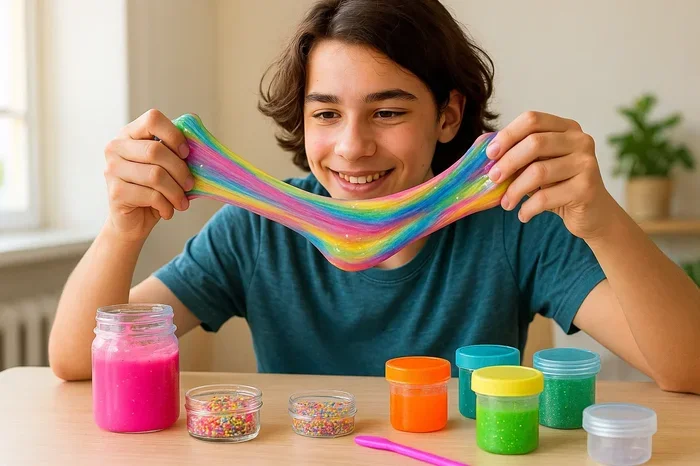
Yes, a 13 year old can absolutely play with slime safely and easily. This guide covers everything parents and teens need to know about slime safety, DIY slime recipes, and non-toxic slime options. You will learn how to make homemade slime, avoid common mistakes, and choose the best slime kits for a fun and sensory play experience.
Can a 13 year old play with slime safely and easily? The short answer is yes. Slime has taken the world by storm, and teens everywhere love making and playing with it. But parents often wonder about the safety side of things. Is slime safe for a 13-year-old? What ingredients should you avoid? How do you make it at home without any risks?
This guide answers all of those questions and more. Whether your teen is a complete beginner or already a slime pro, you will find practical tips and advice here. We cover slime recipes, safety guidelines, and the best ways to enjoy this popular activity. Let us dive in and make sure your teen has a great time with slime making.
Slime is more than just a trend. It is a sensory play tool that many teens find calming and fun. Kids love the stretchy, squishy texture. It gives them a chance to get creative and even explore educational play concepts like chemistry and textures. The good news is that with a little care, slime safety is easy to manage at home.
Key Takeaways
- Slime is safe for 13-year-olds: With the right ingredients and parental guidance, slime play is a fun and safe for kids activity.
- Borax-free recipes are the best choice: Many DIY slime options use safer alternatives like saline solution or liquid starch.
- Sensory play benefits teen development: Creative play with slime helps with stress relief, fine motor skills, and educational play.
- Watch for allergies and skin sensitivity: Always test slime ingredients on a small skin patch before full use.
- Use quality slime kits for beginners: Pre-made slime kits take the guesswork out of slime making and ensure safe results.
- Clean-up matters: Setting mess-free slime rules keeps the play area tidy and reduces frustration.
- Follow simple safety rules: Adult supervision, proper storage, and reading labels make slime safety easy to manage.
📑 Table of Contents
- Understanding What Slime Is and Why It Appeals to Teens
- Is It Safe for a 13 Year Old to Play With Slime?
- Easy and Safe Slime Recipes for 13-Year-Olds
- How to Make Slime at Home Safely
- Benefits of Slime Play for Teenagers
- Common Mistakes Parents and Kids Should Avoid
- Expert Tips for Parents and Teens
- Final Thoughts on Can a 13 Year Old Play With Slime
Understanding What Slime Is and Why It Appeals to Teens
Slime is a stretchy, gooey substance that kids and teens love to squeeze, stretch, and play with. It comes in many textures, colors, and scents. Some slime is soft and fluffy. Some is crunchy or bouncy. The variety is part of what makes it so fun. Teens especially enjoy DIY slime because it lets them create something unique.
Slime trends come and go, but this one has stayed strong for years. Social media is full of slime trends videos. Teens watch others make slime and want to try it themselves. It is a creative outlet. It is also a social activity. Many teens make slime with friends or share their creations online. Creative play like this helps build confidence and problem-solving skills.
For parents, understanding why teens love slime is the first step. When you know what draws them to it, you can guide them toward safe and fun experiences. The next sections will show you exactly how to do that.
Is It Safe for a 13 Year Old to Play With Slime?
The big question parents ask is whether slime is truly safe. The answer depends on the ingredients and how it is used. Most slime is made from simple household items. But some ingredients can cause irritation if used incorrectly. Knowing what to look for makes all the difference.
Common Ingredients and Their Safety Profile
Most homemade slime uses a few basic slime ingredients. These include white glue, borax, water, and food coloring. Glue is the base. It gives slime its stretchy quality. Borax acts as a binding agent. It helps the glue turn into slime. Water softens the mixture. Food coloring adds color.
Now, here is the important part. Borax is a natural mineral, but it can irritate skin if used in large amounts. For most teens, small amounts of borax in slime are safe. However, some kids have more sensitive skin. That is why many people now prefer borax free slime recipes. These use safer alternatives like saline solution, liquid starch, or baking soda.
Here is a quick comparison of common slime binders:
- Borax: Traditional binder. Works well but can irritate sensitive skin.
- Saline solution: A popular borax free slime option. Gentle on skin and easy to find.
- Liquid starch: Another safe alternative. Creates a soft, stretchy texture.
- Baking soda and contact lens solution: A simple and kid-friendly combo. Great for beginners.
- Shaving cream: Makes fluffy slime. Very gentle and fun to play with.
All of these options are widely available and safe when used correctly. The key is to follow the recipe closely and not use too much of any single ingredient.
Allergies and Skin Sensitivity Concerns
Before your teen starts making slime, it is smart to check for allergies. Some kids are allergic to specific slime ingredients like glue or food coloring. Signs of a reaction include redness, itching, or skin irritation. If your teen has never made slime before, do a small patch test first.
Apply a tiny bit of the finished slime to the inside of the wrist. Wait 24 hours. If there is no redness or itching, it should be safe to play with. This simple step can prevent a lot of discomfort. It is one of the best slime safety tips you can follow.
Also, remind your teen not to eat slime. Even edible slime recipes should not be consumed in large amounts. Slime is for playing, not eating. Setting this rule early helps keep things safe and fun.
Quick Tips for Slime Safety
- Always wash hands before and after playing with slime.
- Use non-toxic slime ingredients whenever possible.
- Keep slime away from eyes and mouth.
- Store slime in airtight containers to prevent bacteria growth.
- Supervise younger teens during their first few slime making sessions.
- Read all ingredient labels carefully before starting.
Easy and Safe Slime Recipes for 13-Year-Olds
Making slime at home is easier than most people think. A 13-year-old can follow a simple recipe with minimal help. The best part is that you can customize slime to match your teen’s preferences. Want pink and fluffy slime? No problem. Prefer crunchy, glittery slime? That works too.
Borax-Free Slime Options
Borax free slime is the safest starting point for most teens. One of the most popular recipes uses white glue, saline solution, and baking soda. Here is how it works:
- Pour 5 ounces of white glue into a bowl.
- Add 1 tablespoon of baking soda and stir well.
- Add food coloring if you want color.
- Pour in 1 tablespoon of saline solution.
- Stir until the mixture pulls away from the sides.
- Knead the slime with your hands for a few minutes.
That is it. Your teen has homemade slime that is safe, stretchy, and fun. The saline solution replaces borax as the activator. This makes the recipe much gentler on skin. It is a great kid-friendly activity that teens of all ages can enjoy.
Edible and Non-Toxic Slime Ideas
If you want to go the extra mile, try an edible slime recipe. These use ingredients like cornstarch, sugar, and flavoring. They are completely safe if a small amount is accidentally ingested. Edible slime is perfect for younger teens or kids who tend to put things in their mouths.
Another option is non-toxic slime kits. These come with everything you need. The ingredients are pre-measured and safe. They are a great choice for parents who want peace of mind. You can find them at most toy stores or online. Look for kits that are labeled non-toxic and safe for kids.
Here are some popular slime recipes to try:
- Fluffy slime: Uses shaving cream for a soft, cloud-like texture.
- Crunchy slime: Adds foam beads for a satisfying crunch.
- Glitter slime: Mix in fine glitter for a sparkly effect.
- Clear slime: Uses clear glue for a transparent, jelly-like look.
- Color-changing slime: Uses thermochromic pigment that changes color with heat.
Each recipe is simple and uses safe ingredients. Your teen can pick their favorite and start creating right away.
How to Make Slime at Home Safely
Setting up a safe slime making area is just as important as using safe ingredients. A little preparation goes a long way. It keeps the experience fun and mess-free. Here is how to get started the right way.
Essential Tools and Workspace Setup
Before you begin, gather your tools. You will need a mixing bowl, a spoon, measuring spoons, and a clean surface. Cover the table with newspaper or a plastic tablecloth. This makes clean-up much easier. Have paper towels or wet wipes nearby in case of spills.
Choose a well-ventilated area. Some glue and slime ingredients can have a mild smell. Opening a window or working near a fan helps. Make sure your teen wears old clothes or an apron. Slime stains can be hard to wash out of fabric.
Keep all ingredients out of reach of younger siblings during the process. Even non-toxic slime ingredients should not be eaten in large amounts. A little supervision goes a long way toward slime safety.
Step-by-Step Safety Guidelines
Follow these simple steps every time you make slime:
- Read the recipe fully before starting. Do not skip any steps.
- Measure ingredients carefully. Too much of any ingredient can change the texture or cause irritation.
- Wash hands before mixing. Clean hands keep the slime germ-free.
- Stir slowly and thoroughly. This ensures all ingredients blend properly.
- Knead the slime by hand. This helps it reach the right consistency.
- Store slime in a sealed container. This keeps it fresh and prevents drying out.
- Wash hands after playing. This removes any residue and keeps skin clean.
These guidelines are easy to follow. They make slime making a safe and enjoyable experience every time. Your teen will feel confident and proud of their creation.
Expert Insight
Child development experts agree that sensory play like slime helps teens develop fine motor skills and emotional regulation. Slime provides a tactile experience that many kids find calming. It can even help reduce stress and anxiety. The key is to keep the activity structured and safe.
Benefits of Slime Play for Teenagers
Slime is not just a fun distraction. It offers real benefits for growing teens. Understanding these benefits can help parents feel more comfortable about letting their 13-year-old play with slime regularly.
Sensory Development and Stress Relief
Sensory play is one of the biggest benefits of slime. The stretchy, squishy texture provides tactile stimulation. This can be very calming for teens who feel stressed or anxious. Many therapists use sensory tools like slime to help kids focus and relax.
When a teen squeezes slime, it activates the sensory receptors in their hands. This sends calming signals to the brain. It is a simple but effective way to manage stress. For teens dealing with school pressure or social challenges, sensory play can be a helpful coping tool.
Creativity and Fine Motor Skills
Making slime requires following steps and measuring ingredients. This builds fine motor skills and hand-eye coordination. Teens also get to express their creativity by choosing colors, textures, and add-ins like glitter or beads.
Creative play like slime making encourages problem-solving. What happens if you add too much water? How do you fix slime that is too sticky? These questions teach teens to think critically and experiment. Educational play like this makes learning feel natural and fun.
Slime also supports child development in social ways. Teens often make slime with friends or share their creations online. This builds communication skills and a sense of community. It is a hobby that connects them with others who share their interests.
Common Mistakes Parents and Kids Should Avoid
Even with the best intentions, mistakes can happen when making slime. Knowing what to avoid helps keep the experience safe and enjoyable. Here are the most common slime safety mistakes and how to prevent them.
Using the Wrong Ingredients
The biggest mistake is using the wrong or too much of an ingredient. Some teens swap ingredients without understanding the consequences. For example, using too much borax can make slime harsh and irritating. Using the wrong type of glue can result in slime that does not form properly.
Always stick to tested slime recipes from trusted sources. If you want to experiment, do so in small batches first. This way, you can adjust without wasting ingredients or creating something unsafe.
Ignoring Safety Instructions
Another common mistake is skipping safety steps. Some teens skip hand-washing or use slime near their eyes. Others leave slime out in the open, where it can collect dust and bacteria. These habits can lead to skin irritation or stomach issues.
Set clear slime safety rules in your home. Make hand-washing before and after play a non-negotiable rule. Keep slime off faces and out of mouths. Store slime properly when not in use. These simple rules make a big difference.
Quick Tips to Avoid Common Mistakes
- Never use slime as a prank or throw it at someone.
- Do not mix different slime types unless you know the ingredients are compatible.
- Keep slime away from carpets and fabric furniture.
- Discard slime if it changes color or smells bad.
- Do not let pets play with or eat slime.
Expert Tips for Parents and Teens
Getting the most out of slime play comes down to a few smart choices. Here are some expert-backed tips that make slime making better and safer for everyone.
Choosing the Right Slime Kits
If you are new to slime, a slime kit is a great starting point. These kits include everything you need. They come with pre-measured ingredients and clear instructions. They take the guesswork out of slime making and ensure safe results.
Look for kits that are labeled non-toxic and safe for kids. Read reviews before buying. Choose kits from reputable brands. A good kit should include glue, activator, color, and add-ins like glitter or beads. Some kits also come with storage containers, which helps keep things tidy.
Setting Boundaries and Clean-Up Rules
One of the best ways to keep slime play fun is to set boundaries. Decide where slime can be made and played with. A kitchen table or desk is usually best. Avoid carpeted areas where stray slime can be hard to clean.
Establish a clean-up routine as part of the activity. Your teen should put slime away in its container when done. Wipe down the surface. Wash any tools immediately. This teaches responsibility and keeps the house tidy. It also makes the next slime making session more enjoyable.
For parents who want a mess-free slime experience, consider using slime mats or trays. These contain the mess and make clean-up a breeze. They are a small investment that pays off in saved time and frustration.
Expert Insight
Parenting experts recommend treating slime time as a structured activity rather than free play. This helps teens develop discipline and follow-through. It also makes it easier to manage the mess. Set a timer for slime making sessions and encourage your teen to clean up before moving on to other activities.
Final Thoughts on Can a 13 Year Old Play With Slime
Can a 13 year old play with slime? Absolutely yes. With the right ingredients, a little supervision, and some basic safety rules, slime is a fantastic activity for teens. It is creative, calming, and endlessly entertaining. Whether your teen makes homemade slime from scratch or uses a pre-made slime kit, the experience is sure to be a positive one.
The key is to choose non-toxic slime ingredients and follow tested slime recipes. Avoid common mistakes like using too much borax or skipping hand-washing. Set clear boundaries and make clean-up part of the routine. With these steps in place, your 13-year-old can enjoy sensory play safely and confidently.
Slime is more than just a fad. It is a tool for creative play, stress relief, and educational play. It supports child development in meaningful ways. So let your teen explore the world of slime making. With the right guidance, it is a safe, fun, and rewarding experience for everyone involved.
Start with a simple borax free slime recipe. Let your teen pick their favorite colors and add-ins. Watch them enjoy the process of creating something with their own hands. That is the real magic of slime. It brings joy, creativity, and a little bit of mess into the everyday life of a teenager.
Frequently Asked Questions
Is slime safe for a 13 year old to play with?
Yes, slime is safe for a 13-year-old when made with non-toxic slime ingredients and used properly. Always choose borax free slime recipes or use borax in small amounts. Supervise your teen during their first few slime making sessions to ensure they follow safety rules.
What is the best slime recipe for beginners?
The best beginner recipe uses white glue, saline solution, and baking soda. It is a simple borax free slime recipe that is gentle on skin. This DIY slime option requires only a few ingredients and takes about 10 minutes to make. It is perfect for teens who are new to slime making.
Can slime cause skin irritation or allergies?
Some slime ingredients can cause skin irritation in sensitive individuals. Signs include redness, itching, or rash. To prevent this, do a patch test before full use. Choose non-toxic slime products and avoid ingredients your teen is allergic to. If irritation occurs, wash the area with water and stop using the slime.
How do I clean up slime messes?
Slime cleans up easily when you act fast. Use warm water and soap on hard surfaces. For fabric, freeze the slime first and then gently pull it off. Keep mess-free slime rules in place by using trays or mats during play. Store slime in sealed containers to prevent dried messes.
Are slime kits worth buying for teens?
Yes, slime kits are a great investment for teens who want to try slime making without the guesswork. They come with pre-measured, safe for kids ingredients and easy instructions. Look for kits that are non-toxic and include a variety of textures and colors for the best experience.
What are the benefits of slime play for teenagers?
Slime play offers many benefits including sensory play, stress relief, and creative play. It helps develop fine motor skills and encourages educational play through hands-on experimentation. Slime also supports child development by building patience, problem-solving skills, and social connections when made with friends.
=== CONCLUSION ===
Can a 13 year old play with slime safely and easily? The answer is a resounding yes. With the right approach, slime is one of the best teen activities available today. It is safe, fun, and full of benefits. From DIY slime recipes to slime kits, there are countless ways to enjoy this popular hobby.
Remember to prioritize slime safety at all times. Use non-toxic slime ingredients, follow tested recipes, and set clear rules for play and clean-up. With parental guidance and a little preparation, your teen can enjoy hours of creative, sensory fun. So go ahead, grab some glue and saline solution, and start your slime making adventure today.