40 Percent Window Tint: Discover Benefits and Drawbacks
40 percent window tint is a popular choice for car owners who want a balance between style and function. This medium-dark tint level offers solid UV protection, heat rejection, and enhanced privacy without going too dark. However, it comes with trade-offs like potential legal issues and reduced visibility in low light. In this guide, you will learn everything about the benefits and drawbacks of this tint level, how it compares to other options, and tips for choosing the right one for your vehicle.
Key Takeaways
- UV and Heat Protection: 40 percent window tint blocks significant UV rays and reduces solar heat, keeping your car cooler and protecting your skin.
- Privacy and Style: This tint level offers a sleek look and enhanced privacy for you and your passengers.
- Legal Considerations: Tint laws vary by state and country, so always check local regulations before installing 40 percent window tint.
- Visibility Trade-Off: A 40% tint can reduce visibility at night or in poor weather, which is a real drawback for some drivers.
- Cost vs. Value: The price of 40 percent window tint ranges from moderate to high, but the long-term benefits often justify the investment.
- Professional Installation Matters: Choosing a skilled installer ensures a bubble-free, long-lasting finish.
- Not for Everyone: Drivers who prioritize maximum visibility may want to consider lighter tint options instead.
📑 Table of Contents
- What Is 40 Percent Window Tint?
- The Benefits of 40 Percent Window Tint
- The Drawbacks of 40 Percent Window Tint
- 40 Percent Window Tint vs. Other Tint Levels
- Tips for Choosing the Right 40 Percent Window Tint
- Common Mistakes to Avoid When Tinting Your Windows
- Expert Insights on 40 Percent Window Tint
- Key Takeaways
- Conclusion
What Is 40 Percent Window Tint?
If you have ever walked past a car and noticed a sleek, slightly darkened look on the windows, there is a good chance it had 40 percent window tint applied. But what exactly does that number mean, and why are so many car owners choosing this level?
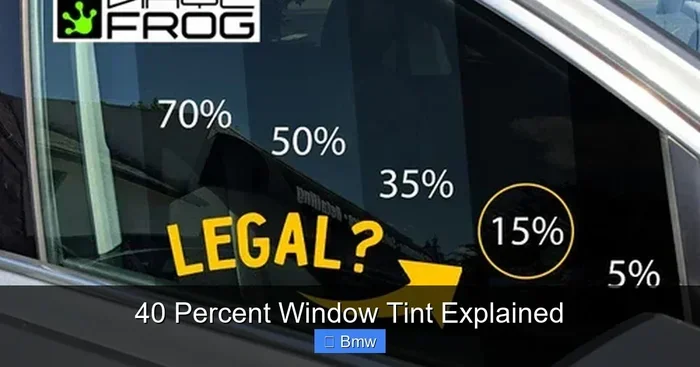
The percentage refers to the visible light transmission (VLT) of the film. In simple terms, a 40 percent tint allows 40% of outside light to pass through your car windows while blocking the remaining 60%. This makes it a medium-dark option that sits in a sweet spot between light tints and very dark ones. It is dark enough to make a noticeable difference but not so dark that it compromises safety.
40 percent window tint is made from multiple layers of dyed or metallized film. These layers work together to reduce glare, block harmful ultraviolet (UV) rays, and reject solar heat. The result is a more comfortable driving experience with a polished, finished look. Whether you drive a sedan, SUV, or truck, this tint level works across all vehicle types.
Many car enthusiasts and everyday drivers alike are drawn to 40 percent window tint because it offers a great balance. You get the benefits of darker tint without crossing into territory that might cause legal trouble or safety concerns. It is no wonder this option has become one of the most popular choices in automotive tinting today.
The Benefits of 40 Percent Window Tint
There are many reasons why 40 percent window tint has earned its popularity. Let us break down the key benefits that make this tint level worth considering for your vehicle.
UV Protection and Health Benefits
One of the biggest advantages of 40 percent window tint is its ability to block harmful UV rays. Prolonged exposure to UV radiation can cause skin damage, premature aging, and even skin cancer. When you sit in a car for long hours, your face, arms, and hands are directly exposed to sunlight streaming through the windows.
40 percent window tint film can block up to 99% of UV rays. This means you and your passengers get significant skin protection every time you drive. Over time, this can reduce the risk of sun-related health issues. It also helps protect your car’s interior from fading and cracking caused by UV exposure.
Think about it this way. Your car’s dashboard, seats, and steering wheel take a beating from the sun every single day. With 40 percent window tint, you are essentially putting a shield over those surfaces. The result is a fresher-looking interior that lasts longer.
Heat Rejection and Comfort
Nobody likes climbing into a scorching hot car on a summer day. 40 percent window tint helps with that. The film rejects a significant amount of solar heat, keeping your car’s interior cooler and more comfortable.
Here is why this matters. When your car is cooler, you do not need to crank the air conditioning as hard. That means better fuel efficiency over time. Your engine works less, you burn less gas, and you save money at the pump. It is a small change that adds up.
Many heat rejection films used in 40 percent window tint are rated to reject 50% or more of total solar energy. That is a big deal if you live in a hot climate. Even in milder climates, the difference is noticeable the moment you step into your tinted car after a few hours in the sun.
Privacy and Security
Let us be honest. Privacy is a major reason many people tint their windows. With 40 percent window tint, you get a level of privacy that keeps prying eyes out of your vehicle. People walking by or parked next to you cannot easily see what is inside your car.
This is especially useful if you regularly leave personal items in your car. Laptop bags, shopping bags, or even a jacket are less likely to attract attention. 40 percent window tint adds a layer of security tinting that can deter thieves from targeting your vehicle.
Families also appreciate the privacy that comes with this tint level. Children and pets can ride in the back seat without being directly exposed to strangers’ gaze. It creates a more comfortable and private space inside your car.
Glare Reduction for Safer Driving
Glare from the sun or headlights at night can be distracting and even dangerous. 40 percent window tint significantly reduces glare, making your driving experience safer and more pleasant.
When sunlight hits your windshield or side windows at a low angle, it can blind you momentarily. With 40 percent window tint, that blinding light is softened considerably. You can focus on the road instead of squinting or adjusting your position constantly.
Night driving also benefits from glare reduction. Oncoming headlights can be harsh, especially on older vehicles with poorly designed headlamps. 40 percent window tint on the side and rear windows helps cut down on that glare, reducing eye strain during long nighttime drives.
The Drawbacks of 40 Percent Window Tint
While 40 percent window tint has many advantages, it is not without its downsides. Understanding the drawbacks helps you make an informed decision before you commit to a tint job.
Legal and Regulatory Concerns
One of the most important things to know about 40 percent window tint is that tint laws vary widely by location. In some states and countries, a 40% tint on front side windows may be legal. In others, it could land you a ticket.
For example, some U.S. states require front side windows to have a VLT of 70% or higher. That means 40 percent window tint would not be allowed on those windows. However, rear windows and rear windshield may have different rules, often allowing darker tints.
Before you install 40 percent window tint, research your local tint laws thoroughly. Check both state and city regulations. Some areas also require a medical exemption for darker tints. Fines for illegal tint can range from a few hundred dollars to much more, and you may be required to remove the tint entirely.
Reduced Visibility in Low Light
This is a real concern with 40 percent window tint. When driving at night, in tunnels, or during heavy rain, visibility can decrease. The same film that blocks 60% of sunlight also reduces the amount of light entering your car during dark conditions.
Some drivers report feeling more enclosed or restricted when driving with a 40% tint at night. If you frequently drive in areas with poor street lighting or rural roads with no lighting at all, this drawback could be significant for you.
It is worth noting that the level of visibility loss depends on the tint color and material. Some 40 percent window tint films are designed to maintain better clarity than others. Choosing a high-quality film can help minimize this issue.
Cost Considerations
Good tint does not come cheap. The cost of 40 percent window tint installation can range from $200 to $500 or more, depending on your vehicle size and the quality of the film. Premium films with advanced heat rejection technology tend to cost more but also last longer.
While the upfront cost may seem high, consider the long-term value. Quality 40 percent window tint can last 5 to 10 years or more with proper care. When you factor in the savings on fuel from reduced AC use, the protection it offers your interior, and the comfort it provides, the investment often pays for itself over time.
However, if you are on a tight budget, the cost might be a dealbreaker. Cheaper tint options exist, but they often come with trade-offs in durability, color stability, and performance.
40 Percent Window Tint vs. Other Tint Levels
How does 40 percent window tint stack up against other popular tint levels? Let us take a closer look at how it compares.
| Tint Level | VLT Percentage | Privacy Level | Heat Rejection | Night Visibility | Legal Ease |
|---|---|---|---|---|---|
| 5 Percent (Limousine) | 5% | Very High | Very High | Poor | Very Restricted |
| 20 Percent | 20% | High | High | Below Average | Restricted |
| 40 Percent | 40% | Moderate | Moderate to High | Good | Moderate |
| 50 Percent | 50% | Low | Moderate | Very Good | Easy |
| 70 Percent (Lightest) | 70% | Very Low | Low | Excellent | Very Easy |
As you can see from the table, 40 percent window tint offers a middle-ground solution. It is darker than 50% tint but lighter than 20% tint. This makes it a versatile choice that works well for a wide range of drivers and climates.
If you live in a very hot area, you might lean toward darker tints for better heat rejection. If you drive mostly at night or in areas with strict tint laws, a lighter tint might be a better fit. The key is finding the right balance for your specific needs.
Tips for Choosing the Right 40 Percent Window Tint
Not all 40 percent window tint products are created equal. Here are some practical tips to help you choose the best option for your car.
1. Pick the Right Film Type. There are several types of tint film available. Dyed film is the most affordable but can fade over time. Metalized film offers better durability and heat rejection but can interfere with electronic signals. Carbon film provides a matte finish with excellent heat rejection and no signal interference. Ceramic film is the premium option, offering the best performance across all categories.
2. Consider Your Climate. If you live in a hot, sunny area, prioritize films with high heat rejection ratings. In cooler climates, you might prioritize UV protection and glare reduction over maximum heat rejection.
3. Check Local Laws First. Always verify the legal VLT limits for your area before purchasing 40 percent window tint. Some regions allow 40% on all windows, while others restrict it to rear windows only.
4. Choose Professional Installation. While DIY tint kits are available, professional installation ensures a bubble-free, precise fit. A skilled installer also knows how to handle curves and edges properly, which extends the life of your 40 percent window tint.
5. Look for Warranty Coverage. Quality tint brands offer warranties ranging from 5 to 10 years. A good warranty covers fading, bubbling, and peeling. This gives you peace of mind and protects your investment.
Quick Tips for Maintaining Your Tint
- Wait at least 3 to 5 days before rolling down your windows after installation.
- Clean your tinted windows with a soft microfiber cloth and ammonia-free cleaner.
- Avoid using sharp or abrasive objects near the tinted edges.
- Park in shaded areas when possible to reduce early fading.
- Inspect your tint annually for any signs of bubbling or peeling.
Common Mistakes to Avoid When Tinting Your Windows
Installing 40 percent window tint can go wrong if you are not careful. Here are some common mistakes that car owners make and how to avoid them.
1. Ignoring Local Tint Laws. This is the number one mistake. Many people install a tint they love only to get pulled over and fined. Always do your homework first.
2. Choosing the Cheapest Option. Low-quality tint films fade, bubble, and peel within a year or two. You end up paying more in the long run for a replacement. Invest in a reputable brand and a trusted installer.
3. Skipping Professional Installation. DIY tint kits might seem like a money-saver, but they often result in bubbles, creases, and uneven edges. Professional installation might cost more upfront, but the results are worth it.
4. Not Considering Your Driving Habits. If you drive long distances at night, a 40% tint might not be ideal. Consider when and where you drive most often before making your choice.
5. Forgetting About Warranty. A good warranty protects you from defects and premature failure. Always ask about warranty coverage before committing to a tint product or installer.
Expert Insights on 40 Percent Window Tint
We spoke with several automotive tinting professionals to get their take on 40 percent window tint. Here is what the experts had to say.
Mark D., Certified Tint Installer: “I recommend 40% tint to a lot of my customers. It is the sweet spot for people who want real benefits without going too dark. The heat rejection is excellent, and the privacy is a nice bonus. The key is using a quality film and proper installation.”
Sarah L., Automotive Detailer: “From an interior protection standpoint, 40% tint is fantastic. I see cars with no tint that have cracked dashboards and faded seats after just a few years. A good tint job preserves the interior and keeps the car looking newer longer.”
Dr. James R., Dermatologist: “UV exposure through car windows is a real concern, especially for people who drive long hours. A 40% tint that blocks 99% of UV rays provides meaningful protection for the skin, particularly on the left side of the face and arms for drivers in left-hand drive countries.”
These expert opinions reinforce what many car owners already know: 40 percent window tint is a smart investment when done right. The key is choosing quality materials, professional installation, and staying within legal limits.
Key Takeaways
- UV and Heat Protection: 40 percent window tint blocks significant UV rays and reduces solar heat, keeping your car cooler and protecting your skin.
- Privacy and Style: This tint level offers a sleek look and enhanced privacy for you and your passengers.
- Legal Considerations: Tint laws vary by state and country, so always check local regulations before installing 40 percent window tint.
- Visibility Trade-Off: A 40% tint can reduce visibility at night or in poor weather, which is a real drawback for some drivers.
- Cost vs. Value: The price of 40 percent window tint ranges from moderate to high, but the long-term benefits often justify the investment.
- Professional Installation Matters: Choosing a skilled installer ensures a bubble-free, long-lasting finish.
- Not for Everyone: Drivers who prioritize maximum visibility may want to consider lighter tint options instead.
Conclusion
40 percent window tint offers a compelling mix of benefits that appeal to a wide range of car owners. From UV protection and heat rejection to enhanced privacy and reduced glare, this tint level delivers real, everyday value. It keeps your car cooler, your interior protected, and your driving experience more comfortable.
However, it is not a perfect solution for everyone. The drawbacks, including potential legal issues, reduced night visibility, and upfront cost, are real and should not be ignored. The best approach is to weigh these factors carefully based on your driving habits, your local climate, and the laws in your area.
If you decide that 40 percent window tint is right for you, invest in quality film and professional installation. The results will last for years and deliver the comfort, protection, and style you are looking for. Take the time to research your options, and you will enjoy a better driving experience every time you hit the road.
Whether you are tinting your first car or upgrading an existing job, 40 percent window tint remains one of the best all-around choices in the world of automotive tinting. Make an informed decision, and your car and your wallet will thank you for years to come.
Frequently Asked Questions
Is 40 percent window tint legal in all states?
No, tint laws vary by state and country. Some states allow 40% tint on all windows, while others restrict it to rear windows only. Always check your local regulations before installing any tint to avoid fines or legal issues.
How much does 40 percent window tint cost?
The cost typically ranges from $200 to $500 for a full vehicle, depending on the film quality, vehicle size, and installation provider. Premium ceramic films tend to cost more but offer better performance and longevity.
Can I install 40 percent window tint myself?
Yes, DIY kits are available, but professional installation is recommended. Professional installers have the tools, experience, and clean environments needed to apply tint without bubbles, creases, or peeling edges.
Does 40 percent window tint affect GPS or phone signals?
It depends on the film type. Metalized films can interfere with electronic signals, including GPS and cell phone reception. Carbon and ceramic films do not cause signal interference, making them a better choice if you rely on electronic devices in your car.
How long does 40 percent window tint last?
Quality 40 percent window tint can last 5 to 10 years or more with proper care. The lifespan depends on the film quality, installation method, and how well you maintain the tinted windows. High-quality films with warranties often last the longest.
Will 40 percent window tint make my car look too dark?
Not necessarily. 40% tint is a medium-dark level that provides a noticeable but not extreme look. It darkens the windows enough for privacy and style without making the car appear overly tinted. The exact appearance also depends on the film color and your vehicle type.