How Does a Key Fob Unlock a Door and What Makes It Tick
A key fob uses radio signals to send a coded message to your car, telling the door lock to open or close. Inside every key fob is a tiny battery, a transponder chip, and a signal transmitter that work together to keep your vehicle secure and convenient.
You press a button. The car door pops open. It feels like magic. But there is no magic inside your key fob. There is science, engineering, and a small but clever electronic system that makes remote keyless entry possible.
Every day, millions of people use a key fob without thinking twice. You grab it from your pocket, tap a button, and your car door lock responds instantly. But have you ever wondered what is really happening in that split second? How does a tiny plastic device communicate with your car from several feet away?
This article breaks it all down. We will walk through the inner workings of a key fob, explore the technology that makes it tick, and share practical tips to keep yours working flawlessly. Whether you drive a new SUV or a classic sedan, understanding your key fob helps you appreciate the convenience and security it provides every single day.
Key Takeaways
- Radio Signals Power the Process: A key fob sends a coded radio frequency signal to your car’s receiver to lock or unlock doors.
- Encryption Keeps You Safe: Modern key fobs use rolling codes and encryption to prevent signal theft and unauthorized access.
- Battery Life Matters: A weak fob battery is the most common reason a key fob stops working properly.
- Proximity Sensors Enable Keyless Entry: Newer smart key systems detect your key fob nearby and unlock the car automatically.
- Simple Maintenance Goes a Long Way: Replacing the battery and keeping the key fob clean can prevent most common issues.
- Understanding the Tech Helps You Troubleshoot: Knowing how your key fob works makes it easier to spot and fix problems early.
📑 Table of Contents
- What Is a Key Fob and Why Does It Matter?
- How Does a Key Fob Send a Signal to the Car?
- The Secret Code: How Encryption Protects Your Car
- What Is Inside a Key Fob? A Closer Look at the Parts
- Proximity Key Systems: The Next Generation of Key Fobs
- Common Key Fob Problems and How to Fix Them
- Tips to Keep Your Key Fob Working at Its Best
- Frequently Asked Questions
- Final Thoughts
What Is a Key Fob and Why Does It Matter?
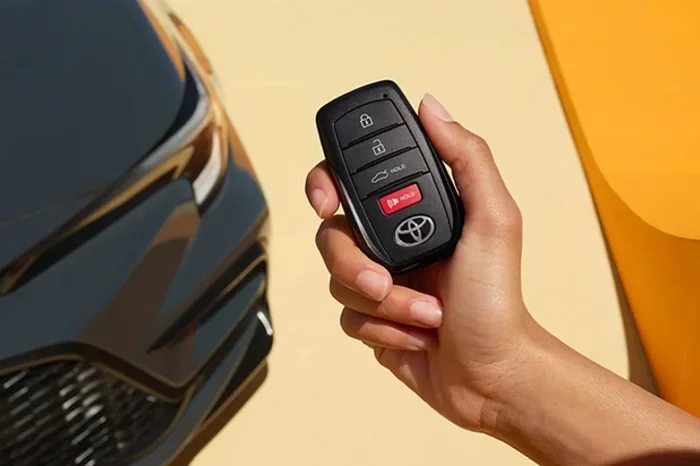
A key fob is a small, handheld device that lets you lock, unlock, and sometimes start your car without using a traditional metal key. It is part of a keyless entry system that has transformed how we interact with our vehicles. What used to require digging through pockets for a heavy key now happens with a simple press of a button.
The key fob matters because it combines convenience with security. It saves you time at the parking lot. It lets you unlock the driver door while keeping your hands full with groceries. And it adds a layer of vehicle security that older lock-and-key systems simply could not match.
The Basic Idea Behind Keyless Entry
At its core, a key fob works like a tiny radio station. It broadcasts a signal. Your car has a receiver that listens for that specific signal. When the right signal arrives, the car responds by activating the door lock actuator. That small motor inside the door pushes the lock mechanism up or down. And just like that, the door opens or locks.
This whole process takes less than a second. But behind the scenes, there is a lot happening. The key fob sends a coded message. The car checks that code. If the code matches, the action is allowed. If it does not match, the car ignores the signal. This is what keeps your vehicle safe from thieves who might try to send fake signals.
How Does a Key Fob Send a Signal to the Car?
The communication between your key fob and your car relies on radio frequency technology. Let us break down exactly how this signal travels and what makes it so reliable.
The Role of Radio Frequency Signals
Every key fob contains a small transmitter. This transmitter sends out a radio frequency signal at a specific frequency. Most key fobs operate at either 315 MHz or 433 MHz, depending on the region and the car manufacturer.
Think of it like a walkie-talkie. Your key fob is the person sending the message. The car is the person listening. But instead of voice, the message is a series of digital codes. These codes tell the car exactly what to do. Unlock the doors. Lock the doors. Open the trunk. Sound the alarm.
The signal travels through the air at the speed of light. It does not need a direct line of sight. You can be inside your house, and the key fob can still reach your parked car in the driveway. This is why remote keyless entry feels so effortless and seamless.
What Happens Inside the Car When the Signal Arrives?
When your car receives the RF signal from the key fob, the signal receiver picks it up. The receiver is a small module located somewhere in the car, usually near the door lock system or the antenna. Here is what happens next:
- The receiver captures the RF signal from the key fob.
- The car’s computer, called the body control module, reads the code in the signal.
- The computer checks the code against its stored list of valid codes.
- If the code is valid, the computer sends a command to the door lock actuator.
- The actuator moves the lock mechanism to unlock or lock the door.
This entire sequence happens in milliseconds. You barely notice it. But the precision and speed of this process is what makes modern keyless entry systems so impressive.
The Secret Code: How Encryption Protects Your Car
One of the most important parts of how a key fob works is the encryption system. Without it, anyone with a basic radio scanner could copy your signal and open your car. Encryption prevents that from happening.
Rolling Codes: Why Your Signal Changes Every Time
Older key fobs used fixed codes. The same code was sent every time you pressed the button. Smart thieves figured out how to capture that signal and replay it. This is called a replay attack.
Modern key fobs use rolling codes to stop this. Every time you press the button, the key fob generates a new, unique code. The car and the key fob both agree on the next code in the sequence. So even if a thief captures your signal, it will not work again. The code has already changed.
This rolling code system is one of the biggest reasons vehicle security has improved so much over the past two decades. It makes keyless entry both convenient and highly secure.
The Transponder Chip: A Second Layer of Protection
Many modern key fobs also contain a transponder chip. This tiny microchip has a unique identification number. When you press the start button or turn the ignition, the car reads the transponder chip in the key fob. If the number does not match, the car will not start.
This is why a key fob does more than just lock and unlock doors. It also acts as an immobilizer, preventing the engine from starting unless the correct key fob is present. This adds a powerful layer of anti-theft protection.
What Is Inside a Key Fob? A Closer Look at the Parts
A key fob looks simple on the outside. But inside, it contains several small but important components that work together to make remote keyless entry possible.
The Battery
Every key fob needs power. A small fob battery, usually a CR2032 coin cell, provides the energy needed to send signals. Most fob batteries last between two and four years. When the battery gets low, you may notice the key fob becomes slow or unresponsive. Replacing the battery is usually quick and easy.
The Circuit Board
Inside the key fob is a tiny circuit board. This board holds the transmitter, the microchip, and the buttons you press. The circuit board is the brain of the key fob. It processes your button presses and sends the correct signal to the car.
The Antenna
Some key fobs have a small internal antenna. This antenna helps strengthen the RF signal so it can reach the car more reliably. The car also has its own external antenna. Both the key fob antenna and the car antenna work together to ensure a strong and consistent connection.
The Buttons and Housing
The buttons on your key fob are simple but effective. Each button completes a circuit on the circuit board when pressed. This tells the microchip which command to send. The plastic housing protects all of these delicate parts from moisture, dust, and everyday wear and tear.
Proximity Key Systems: The Next Generation of Key Fobs
Newer cars come with smart key systems that go beyond traditional keyless entry. These systems use proximity sensors to detect your key fob nearby. You do not even need to press a button. Simply touch the door handle, and the car unlocks.
How Proximity Detection Works
Your key fob constantly sends out a low-energy RF signal. The car has proximity sensors all around the exterior. When a sensor detects the key fob signal, it checks the encryption code. If the code is valid, the door lock system activates automatically.
This is why you can walk up to your car with the key fob still in your pocket. The car recognizes you and opens the doors before you even touch them. It is a small luxury that has quickly become a standard feature on most new vehicles.
Benefits of Proximity Key Systems
- Hands-free convenience: No need to fumble for buttons when your hands are full.
- Faster access: The car unlocks the moment you approach.
- Enhanced security: The smart key system uses advanced encryption to prevent unauthorized access.
- Push-button start: Start the engine without inserting the key fob into the ignition.
Common Key Fob Problems and How to Fix Them
Even the best key fob can run into trouble from time to time. Most issues are simple to fix. Here are the most common problems and what you can do about them.
The Key Fob Is Not Working
If your key fob suddenly stops working, the first thing to check is the battery. A dead or weak fob battery is the number one cause of key fob failure. Replacing the battery with a fresh CR2032 often solves the problem immediately.
Next, check for signal interference. Large buildings, metal structures, and even other electronic devices can block the RF signal from your key fob. Try standing closer to the car or moving to a different location and pressing the button again.
The Key Fob Works Intermittently
If your key fob works sometimes but not others, the battery may be dying. A low fob battery often causes inconsistent signal strength. Replace the battery and test the key fob at various distances from the car.
Another cause could be a damaged circuit board inside the key fob. If the key fob has been dropped or exposed to moisture, internal connections may be corroded. In this case, you may need to replace the entire key fob or have it reprogrammed by a dealer or locksmith.
The Key Fob Does Not Unlock All Doors
Some key fobs only unlock the driver door when you press the button once. Pressing it twice unlocks all doors. Check your car manual to understand the lock settings for your specific key fob. This is a normal feature, not a problem.
Tips to Keep Your Key Fob Working at Its Best
Taking care of your key fob is simple. A few small habits can extend its life and keep your remote keyless entry system working smoothly for years.
- Replace the battery on schedule. Do not wait until the key fob stops working. Change the fob battery every two to three years.
- Keep the key fob away from water. Moisture can damage the circuit board and corrode internal connections.
- Store the key fob in a safe place. Avoid dropping it or placing heavy objects on it. Physical damage can break the internal buttons or the circuit board.
- Keep it away from strong magnetic fields. Large magnets can interfere with the transponder chip and the RF signal.
- Clean the buttons regularly. Dirt and grime can build up around the buttons and make them sticky or unresponsive. A soft, damp cloth works well.
- Have a spare key fob on hand. If your primary key fob fails, a spare keeps you from being locked out of your car.
Frequently Asked Questions
Can a key fob be hacked or cloned?
Modern key fobs use rolling codes and encryption that make cloning extremely difficult. While no system is 100% immune, the advanced vehicle security features in today’s key fobs provide strong protection against most hacking attempts. Keeping your key fob battery fresh and storing it properly adds extra safety.
How far can a key fob signal reach?
Most key fobs have a range of about 20 to 50 feet. This distance can vary based on the car model, fob battery strength, and surrounding environment. Proximity key systems work at even shorter range but activate automatically when you are near the vehicle.
What should I do if my key fob gets wet?
If your key fob gets wet, remove the fob battery immediately. Dry the key fob thoroughly with a soft cloth and let it air dry for at least 24 hours before reinserting the battery. Water damage to the circuit board is one of the most common reasons a key fob stops working permanently.
How much does it cost to replace a key fob?
The cost of a replacement key fob varies widely. A basic key fob may cost between $50 and $150. A smart key or proximity key with advanced features can cost $200 or more. Programming fees at a dealership or locksmith may add another $50 to $100 to the total cost.
Do I need to reprogram my key fob after replacing the battery?
In most cases, simply replacing the fob battery does not require reprogramming. The key fob should work right away with the new battery. However, if the key fob does not respond after a battery change, check that the battery is inserted correctly. If the issue continues, consult your car manual or a professional for reprogramming steps.
Can I use a regular key if my key fob battery dies?
Yes, most modern key fobs have a hidden traditional key blade inside. You can use this mechanical key to unlock the driver door manually. Once inside, you can start the car using the key fob directly (with a dead battery) by placing it on the start button or designated spot. Always keep a spare fob battery in your glove box for emergencies.
Final Thoughts
The humble key fob is one of the most underrated inventions in modern driving. It turns a simple button press into a secure, encrypted, and lightning-fast communication with your car. From the radio frequency signal to the rolling code encryption, every part of the process is designed to keep you safe and make your life easier.
Understanding how your key fob works gives you more confidence in your vehicle security. It also helps you troubleshoot problems quickly and avoid unnecessary trips to the mechanic. With proper care, your key fob will serve you reliably for many years to come.
So the next time you press that button and hear your car door lock click open, take a moment to appreciate the clever technology inside your key fob. It is a small device that does a big job every single day.