How to Fix the BSD System on a Hyundai Car Right Now
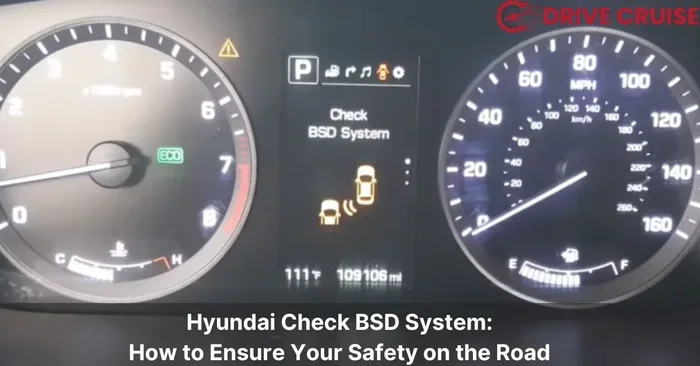
The BSD system on your Hyundai keeps you safe by detecting vehicles in your blind spots. When it malfunctions, you may see a warning light or error message on your dashboard. This guide walks you through the most common causes, simple DIY fixes, and professional repair options to get your blind spot detection working again right now.
This is a comprehensive guide about How to Fix the BSD System on a Hyundai.
Key Takeaways
- BSD stands for Blind Spot Detection: It is a safety system that alerts you to vehicles in your blind spots when changing lanes.
- Common causes include sensor failure: Dirty or damaged sensors, wiring issues, and module malfunctions are the top reasons BSD fails.
- Simple resets often fix the problem: A battery disconnect or system reboot can clear temporary BSD errors in many Hyundai models.
- DIY fixes are possible: Cleaning sensors, checking fuses, and resetting the system are steps you can do at home with basic tools.
- Professional help may be needed: If sensors or the control module are faulty, a certified Hyundai technician should handle the repair.
- Driving with BSD disabled is risky: You should address BSD issues promptly to maintain your vehicle’s safety features.
- Regular maintenance prevents BSD problems: Keeping sensors clean and your Hyundai well-maintained reduces BSD failures.
[FEATURED_IMAGE_PLACEHOLDER]
How to Fix the BSD System on a Hyundai Car Right Now
If you drive a Hyundai, you count on the BSD system to keep you safe on the road. BSD stands for Blind Spot Detection. It watches the areas beside and behind your car that you cannot see in your mirrors. When something is in those spots, the system warns you with a light or a beep. This feature has saved countless drivers from dangerous lane-change accidents.
But what happens when the BSD system on Hyundai starts acting up? Maybe the warning light stays on. Maybe it flickers. Or maybe the system just stops working one day. Either way, it is scary and frustrating. You do not want to drive without your blind spot detection working properly.
The good news is that most BSD problems are fixable. You do not need to be a car expert. In this guide, we will walk you through every step. We will cover the most common reasons the system fails, simple fixes you can try at home, and when you need to visit a mechanic. By the end, you will know exactly what to do to get your Hyundai blind spot detection back in working order.
Let us dive right in. Your safety depends on it, and this guide will help you fix the problem fast.
What Is the BSD System on a Hyundai?
Before we fix anything, let us understand what the system does. The BSD system uses sensors mounted on the rear bumper of your Hyundai. These sensors scan the areas to the left and right of your vehicle. They detect other cars, trucks, and motorcycles that are in your blind spots.
When you turn on your turn signal to change lanes, the system becomes extra alert. If it senses a vehicle nearby, it will light up a warning icon on your side mirror. Some Hyundai models also give an audible beep. This tells you that it is not safe to merge into that lane.
The BSD system is part of a bigger family of safety features on Hyundai cars. It works alongside Lane Change Assist and Rear Cross-Traffic Alert. Together, these systems make your driving much safer, especially in busy traffic or crowded parking lots.
Most Hyundai models come with BSD as standard or optional equipment. It is found on popular cars like the Tucson, Sonata, Santa Fe, and Elantra. No matter which Hyundai you drive, the BSD system follows the same basic principles. Sensors detect, the module processes, and the warning alerts you.
Why Does the BSD System Fail on Hyundai?
Understanding the cause is the first step to fixing any problem. The BSD system on Hyundai can fail for several reasons. Some are simple. Others need professional attention. Let us look at the most common causes.
Dirty or Covered Sensors
The BSD sensors sit on the rear bumper. They are exposed to road dirt, mud, snow, and debris. When these sensors get dirty, they cannot “see” properly. This is like trying to look through a foggy window. The system may give false warnings or stop working entirely. This is one of the most common reasons for BSD issues, and it is also the easiest to fix.
Wiring or Connection Problems
Your Hyundai has wiring harnesses that connect the sensors to the control module. Over time, these wires can corrode, fray, or come loose. Water and road salt can cause connectors to rust. When the connection is bad, the signal from the sensor never reaches the brain of the system. The result is a BSD malfunction warning on your dashboard.
Faulty Control Module
The BSD control module processes all the data from the sensors. If this module fails, the entire system goes down. Module failures are less common but do happen. They can be caused by electrical surges, water damage, or general wear and age. A bad module usually needs to be replaced by a professional.
Sensor Damage from Accidents or Debris
Even a minor bumper hit can damage a BSD sensor. Parking too close to a curb or getting hit by road debris can also cause problems. If a sensor is cracked or knocked out of alignment, it will give incorrect readings or stop working. This type of damage often needs sensor replacement.
Software or Calibration Issues
Sometimes the problem is not physical at all. Hyundai vehicles use software to manage the BSD system. After a battery replacement or a power loss, the system may need recalibration. Software glitches can also cause the BSD warning light to stay on even when nothing is wrong.
Low Battery Voltage
The BSD system needs a stable electrical supply. If your Hyundai battery is weak or failing, the system may not get enough power to operate correctly. This can trigger error codes and cause the BSD light to illuminate. You might also notice other electrical issues if your battery is the culprit.
Step-by-Step Fixes for the Hyundai BSD System
Now that you know the common causes, let us get into the fixes. We will start with the simplest solutions and work our way up. Try each step in order. Most BSD problems are resolved within the first few steps.
Step 1: Clean the BSD Sensors
This is the easiest fix and it solves more problems than you might think. Grab a soft cloth and some mild car soap. Gently clean the rear bumper area where the sensors are located. Look for dirt, mud, ice, or any buildup that could block the sensors.
Use these tips for best results:
- Use a microfiber cloth to avoid scratching the sensors.
- Clean both the left and right sensors thoroughly.
- Remove any stickers or aftermarket accessories that might cover the sensors.
- Dry the area completely after cleaning.
After cleaning, drive your car for a few minutes. See if the BSD warning light goes away. In many cases, this simple step is all it takes.
Step 2: Reset the BSD System
A system reset can clear temporary errors and recalibrate the BSD sensors. Here is how to do it on most Hyundai models:
- Turn off the engine and remove the key from the ignition.
- Disconnect the negative battery terminal using a wrench.
- Wait at least 10 to 15 minutes.
- Reconnect the battery terminal and tighten it securely.
- Start the engine and check if the BSD light is off.
This reset clears the system’s memory and allows it to restart fresh. It is similar to how you might reset the light after an oil change on your vehicle. The process gives the car’s computer a clean slate.
For some Hyundai models, you can also reset the BSD system through the infotainment screen. Go to Settings, then Vehicle Settings, and look for a “Reset Safety Systems” option. Not all models have this, so the battery disconnect method works universally.
Step 3: Check the Fuses
A blown fuse can kill the BSD system without any other obvious cause. Locate your Hyundai’s fuse box. It is usually under the dashboard on the driver’s side or in the engine bay. Check your owner’s manual for the exact fuse related to the BSD or radar system.
Pull out the fuse and inspect it. If the metal strip inside is broken, the fuse is blown. Replace it with a new fuse of the same amperage. This is a cheap and easy fix that many people overlook.
After replacing the fuse, start the car and see if the BSD system comes back online. If the new fuse blows right away, you have a deeper electrical issue that needs professional diagnosis.
Step 4: Update or Recalibrate the System
If cleaning and resetting did not work, the system may need a software update or recalibration. Hyundai dealerships have specialized diagnostic tools that can check for software updates. They can also recalibrate the BSD sensors to ensure they are properly aligned.
This step is especially important after:
- A battery replacement
- A rear bumper repair or replacement
- A recent accident or collision
- Any work done near the rear sensors
You can visit your local Hyundai dealer for this. You can also take your Hyundai to any dealer for service if you are not near your usual service center. Most dealers will recalibrate the BSD system at no extra charge if the car is still under warranty.
Step 5: Inspect and Replace the Sensors
If none of the above steps worked, the sensors themselves may be faulty. A mechanic can run a diagnostic scan to check each sensor individually. If one sensor is not sending a signal or is sending incorrect data, it needs to be replaced.
Sensor replacement costs vary. A single BSD sensor typically costs between $100 and $300 for parts. Labor adds another $50 to $150 depending on your location and the Hyundai model. The total repair usually ranges from $150 to $450 per sensor.
It is important to replace sensors with OEM (Original Equipment Manufacturer) parts. Aftermarket sensors may not integrate properly with your Hyundai’s system and could cause more problems down the road.
Step 6: Replace the BSD Control Module
This is the least common fix but sometimes necessary. If the control module itself has failed, it must be replaced. This is a more expensive repair, typically costing between $500 and $1,200 including parts and labor.
Control module failures are often caused by water intrusion or electrical shorts. If you live in an area with harsh winters or heavy road salt, your module may be more prone to failure. A certified Hyundai technician can diagnose whether the module is the problem and perform the replacement.
Can You Still Drive with a Broken BSD System?
This is a question many Hyundai owners ask when the BSD light comes on. The short answer is yes, you can still drive. The BSD system is a safety aid, not a requirement for the car to operate. Your Hyundai will run normally even if the blind spot detection is not working.
However, you should be extra cautious. Without the BSD system, you lose an important safety net. You will need to check your mirrors more carefully and physically look over your shoulder before changing lanes. This is especially important on highways and in heavy traffic.
If you notice the BSD warning light staying on, do not ignore it. Continuing to drive with a malfunctioning system means you are missing a layer of protection. It is like driving without a seatbelt. You might be fine most of the time, but when you need it, it is not there.
If you are planning a long road trip or driving in unfamiliar areas, get the BSD system fixed first. You want all your safety features working at full capacity when you need them most.
Preventing Future BSD Problems on Your Hyundai
The best way to deal with BSD issues is to prevent them from happening in the first place. Here are some simple habits that keep your Hyundai blind spot detection system in great shape:
- Keep the rear bumper clean: Regularly wash the area around the sensors. Remove mud, ice, and debris after driving in bad conditions.
- Avoid bumper impacts: Park carefully and avoid low curbs, speed bumps, and parking lot pillars. Even small hits can misalign or damage sensors.
- Address warning lights immediately: Do not ignore the BSD warning light. The sooner you diagnose the issue, the cheaper and easier the fix.
- Keep your battery healthy: A strong battery ensures stable power to all your car’s electronic systems, including BSD.
- Follow the maintenance schedule: Regular Hyundai service includes checks on all safety systems. Stick to the recommended service intervals.
- Use OEM parts for repairs: If any sensor or component needs replacing, go with genuine Hyundai parts for the best compatibility.
These small habits add up over time. They can save you from unexpected BSD failures and keep your Hyundai running safely for years to come.
When to See a Professional Mechanic
Some BSD problems are beyond DIY fixes. You should see a professional if:
- The warning light stays on after you try all the steps above
- You hear strange noises near the rear bumper
- Your car was recently in an accident
- Multiple safety systems are showing warnings at the same time
- You are not comfortable working on your car’s electrical system
A professional mechanic has access to advanced diagnostic tools that can read error codes from the BSD module. These codes tell exactly which sensor, wire, or component is causing the problem. This saves you time and guesswork.
If your Hyundai is still under warranty, the repair may be covered. Check with your dealer before paying for any out-of-pocket repairs. You might also want to check if there are any recalls on your Hyundai model that could be related to the BSD system. Recalls sometimes address safety system defects at no cost to the owner.
Common Mistakes People Make When Fixing BSD Issues
Avoid these common mistakes that make BSD repairs harder or more expensive:
- Ignoring the warning light: People often assume the light will go away on its own. It rarely does. The problem usually gets worse over time.
- Using aftermarket sensors: Cheap replacement sensors may not be compatible with your Hyundai’s system. Stick with OEM parts.
- Not resetting after cleaning: Even if you clean the sensors perfectly, you still need to reset the system for it to recognize the clean sensors.
- Trying to recalibrate without proper tools: BSD sensor calibration requires specialized equipment. DIY attempts without the right tools can make the problem worse.
- Delaying repairs: The longer you drive with a broken BSD system, the more you risk an accident. Fix it as soon as possible.
Final Thoughts on Fixing the BSD System on Your Hyundai
The BSD system on Hyundai is one of the most valuable safety features your car has. When it stops working, it is natural to feel concerned. But as we have covered in this guide, most BSD problems are fixable with simple steps you can do at home.
Start with the basics. Clean the sensors, reset the system, and check the fuses. These steps resolve the majority of BSD issues. If the problem persists, move on to professional diagnostics and sensor or module replacement.
Remember to take care of your Hyundai regularly. Keep the sensors clean, address warning lights quickly, and use genuine parts for repairs. These habits go a long way in keeping your blind spot detection system working perfectly.
Your safety on the road matters. The BSD system is there to protect you, and now you have the knowledge to keep it working. Do not wait another day if your BSD light is on. Follow the steps in this guide and get your system back up and running today.
If you ever find yourself unsure about any step, do not hesitate to visit a trusted mechanic or your local Hyundai dealer. They have the expertise and tools to handle even the most stubborn BSD problems. Drive safe, and keep your blind spots covered.
Can I still drive with the BSD light on?
Yes, you can still drive with the BSD light on, but you should be extra careful. The blind spot detection system is a safety aid, not a requirement for the car to run. Without it, you will need to check your mirrors and look over your shoulder more carefully before changing lanes. It is best to get the system repaired as soon as possible to restore your full safety features.
How much does it cost to fix the BSD system on a Hyundai?
The cost depends on the cause. Simple fixes like cleaning sensors or resetting the system cost nothing. Replacing a single BSD sensor typically costs between $150 and $450. Control module replacement can run $500 to $1,200. If your Hyundai is under warranty, many of these repairs may be covered at no cost to you.
Can a dirty bumper cause the BSD light to come on?
Yes, absolutely. Dirt, mud, snow, or debris covering the BSD sensors on your rear bumper can block their signals. This causes the system to malfunction and triggers the warning light. Cleaning the sensors with a soft cloth and mild soap is often all it takes to fix the problem.
How do I reset the BSD system on my Hyundai?
You can reset the BSD system by disconnecting the negative battery terminal for 10 to 15 minutes, then reconnecting it. This clears the system’s memory and allows it to restart fresh. Some Hyundai models also allow you to reset safety systems through the infotainment screen under Settings and Vehicle Settings.
Why does the BSD light come on after a battery replacement?
After a battery replacement, the BSD system may lose its calibration and power settings. This causes the warning light to come on temporarily. A system reset or recalibration at a Hyundai dealership usually fixes this quickly. The light should go away after the system relearns its settings.
Can I fix the BSD system myself or do I need a mechanic?
You can fix many BSD issues yourself. Cleaning the sensors, resetting the system, and checking fuses are all DIY-friendly tasks. However, if the sensors or control module need replacement, you will need a mechanic. Professional diagnostics can also pinpoint the exact cause faster and more accurately than DIY methods.
Frequently Asked Questions
What is How to Fix the BSD System on a Hyundai?
How to Fix the BSD System on a Hyundai is an important topic with many practical applications.