What Does Check Gauges Mean on a Dodge Ram Explained
The check gauges warning on a Dodge Ram means one or more of your dashboard instruments are reading outside normal range. It is a general alert tied to your truck’s gauge cluster and often points to issues like low oil pressure, overheating, or a weak battery.
You are driving your Dodge Ram down the highway, and suddenly a yellow message lights up on your dashboard: check gauges. It can feel alarming, especially if you are not sure what it means. The good news is that this warning is your truck talking to you, and understanding its message is easier than you might think.
This guide breaks down exactly what check gauges means on a Dodge Ram. We will cover the most common causes, what to do when the light comes on, and how to prevent it from happening again. Whether you drive a Ram 1500, Ram 2500, or Ram 3500, this article has you covered.
Key Takeaways
- Warning Meaning: The “check gauges” message tells you that at least one dashboard gauge is showing an abnormal reading.
- Common Causes: Low oil pressure, high engine temperature, weak battery, or a faulty sensor can all trigger this alert.
- Safety First: Pull over safely if you notice the warning alongside overheating or unusual sounds.
- Easy Fixes: Many causes are simple, like checking your oil level or tightening a gas cap.
- Related Lights: This warning often works alongside the check engine light and other dashboard indicators.
- Preventive Care: Regular maintenance helps prevent gauge warnings and keeps your Dodge Ram running smoothly.
- When to See a Pro: If basic checks don’t resolve the issue, a mechanic can run full vehicle diagnostics to find hidden problems.
📑 Table of Contents
- What Does Check Gauges Mean on a Dodge Ram?
- Common Reasons the Check Gauges Light Comes On
- What to Do When Check Gauges Comes On
- How to Prevent Check Gauges Warnings
- Check Gauges vs. Check Engine Light: What Is the Difference?
- When to See a Mechanic for Check Gauges Warning
- Can You Still Drive With Check Gauges On?
- Dodge Ram Model-Specific Notes
- Final Thoughts
What Does Check Gauges Mean on a Dodge Ram?
The check gauges warning is a general alert that appears on your Dodge Ram’s dashboard display. It means that one or more of the gauges in your instrument cluster is showing a reading that falls outside the normal range. Unlike a specific warning like “low oil,” this message is broad and covers several possible problems.
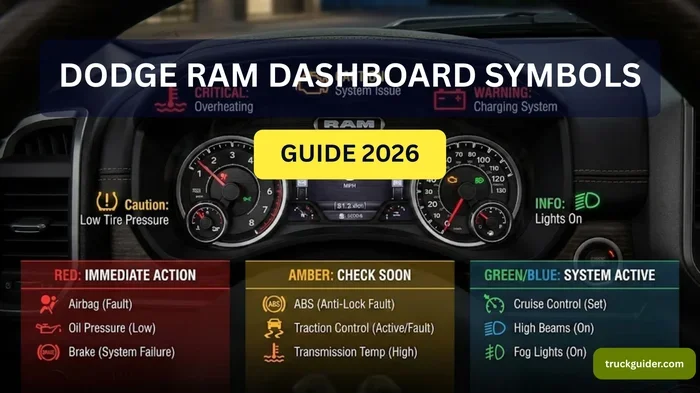
Your truck’s gauge cluster includes the speedometer, tachometer, fuel gauge, temperature gauge, and oil pressure gauge. When any of these readings go too high or too low, the truck’s computer flags the issue and displays the check gauges message. Think of it as a catch-all alert designed to get your attention before a small problem becomes a big one.
On newer Dodge Rams, the message may also appear alongside other icons, such as a wrench symbol or a battery light. Paying attention to these extra clues helps you narrow down the root cause faster.
How the Gauge System Works in a Dodge Ram
Your Dodge Ram uses a network of sensors to monitor engine conditions. Each sensor feeds data to the truck’s central computer, called the powertrain control module, or PCM. The PCM then displays the readings on your dashboard gauges and triggers warnings when values fall outside safe limits.
Here is how the main gauges work in a Dodge Ram:
- Temperature Gauge: Monitors engine coolant temperature. Normal range is usually between 195°F and 220°F.
- Oil Pressure Gauge: Shows oil pressure in the engine. Low pressure can mean low oil level or a failing oil pump.
- Fuel Gauge: Displays how much fuel is left in the tank.
- Battery Voltage Gauge: Tracks the electrical system voltage. Normal is around 12.6 volts when off and 13.7 to 14.7 volts when running.
- Tachometer: Measures engine RPM. It helps you know when to shift gears.
When any of these sensors detect a problem, it sends a signal to the PCM. The computer then activates the check gauges message on your dashboard. This is your first clue that something needs attention.
Common Reasons the Check Gauges Light Comes On
There are several reasons why your Dodge Ram might display the check gauges warning. Some are minor and easy to fix, while others need professional attention. Let us walk through the most common causes.
Low Oil Level or Low Oil Pressure
This is one of the top reasons the check gauges light comes on. If your oil level drops too low, the oil pressure sensor detects the change and triggers the warning. Low oil pressure can damage your engine quickly, so this should never be ignored.
Check your oil level using the dipstick as soon as you see the warning. If the oil is low, top it off with the correct type of oil for your Dodge Ram. You can also check our guide on how long it takes a factory to build a car to understand how precision engineering goes into every vehicle, including the oil systems in your Ram.
Engine Overheating
If your temperature gauge reads higher than normal, the check gauges message will appear. Engine overheating can happen for many reasons:
- Low coolant level
- A leak in the cooling system
- A faulty thermostat
- A broken water pump
- A clogged radiator
Driving an overheated engine can cause serious damage, including a blown head gasket or warped engine block. If you see the temperature gauge climbing into the red zone, pull over safely and turn off the engine.
Battery or Charging System Issues
A weak battery or a failing alternator can cause the battery voltage gauge to drop below normal levels. This triggers the check gauges alert. A bad battery can also cause other warning lights to appear, including the wrench light. If you want to learn more about battery-related warnings, check out our article on can a bad battery cause the wrench light to come on.
Common signs of a charging system problem include:
- Dimming headlights
- Slow crank when starting
- Electrical accessories working poorly
- The battery warning light also coming on
Faulty Sensor or Wiring Problem
Sometimes the problem is not with the engine at all. A bad sensor, corroded wiring, or a loose connector can send incorrect readings to the PCM. This causes the check gauges message even when everything is actually fine mechanically.
Sensor failures are common in older Dodge Rams with higher mileage. A mechanic can use a diagnostic scanner to read the error codes and pinpoint the exact sensor or wire that is causing the issue.
Low Tire Pressure
Many Dodge Rams have a tire pressure monitoring system, or TPMS, that displays pressure readings on the dashboard. If one or more tires are significantly underinflated, the system may trigger the check gauges warning along with a TPMS light.
Make it a habit to check your tire pressure at least once a month. Proper tire pressure improves fuel economy, handling, and safety.
Loose or Faulty Gas Cap
It sounds simple, but a loose or damaged gas cap can cause the check gauges and check engine lights to come on. The gas cap seals the fuel system and keeps vapor from escaping. When it is not tight, the system detects a leak and flags a warning.
Try tightening your gas cap until you hear it click. If the warning goes away after a few miles, the loose cap was the culprit.
What to Do When Check Gauges Comes On
Seeing the check gauges message can be stressful, but staying calm and following the right steps makes a big difference. Here is exactly what you should do.
Step 1: Check Your Surroundings
Look at the other gauges on your dashboard. Is the temperature gauge in the red? Is the oil pressure gauge reading low? Are the battery voltage readings normal? These clues help you figure out which system needs attention first.
Step 2: Pull Over Safely
If any gauge shows a dangerous reading, such as overheating or zero oil pressure, pull over to a safe spot and turn off the engine. Continuing to drive with these readings can cause expensive engine damage.
Step 3: Perform Basic Checks
Once the truck is off and cooled down, do some quick checks:
- Check the oil level with the dipstick.
- Look at the coolant reservoir level.
- Inspect the battery terminals for corrosion.
- Check tire pressure with a gauge.
- Make sure the gas cap is tight.
Step 4: Restart and Observe
After addressing any obvious issues, restart the engine and watch the gauges. If the check gauges message goes away and all readings look normal, you may be good to go. If the message stays on, it is time to visit a mechanic for a full diagnostic check.
Step 5: Get Professional Diagnostics
A trained mechanic can connect a diagnostic scanner to your Dodge Ram’s OBD-II port and read the error codes stored in the PCM. These codes point directly to the problem, saving time and guesswork. Do not ignore the warning if it keeps coming back, even after basic checks.
How to Prevent Check Gauges Warnings
The best way to deal with the check gauges warning is to prevent it from happening in the first place. Regular maintenance and good driving habits go a long way.
Follow the Maintenance Schedule
Your Dodge Ram comes with a recommended maintenance schedule in the owner’s manual. Sticking to this schedule ensures that all sensors, fluids, and components stay in good working order. Key maintenance tasks include:
- Regular oil changes with the correct oil grade
- Coolant flushes at the recommended interval
- Battery inspections and replacements when needed
- Tire pressure checks and rotations
- Spark plug replacements
Monitor Your Gauges While Driving
Get into the habit of glancing at your dashboard gauges while driving. This is especially important during long trips or when towing a trailer. Catching a warning early gives you time to address the problem before it gets worse.
Use Quality Parts and Fluids
Always use fluids and parts that meet or exceed Dodge’s specifications for your Ram model. Cheap or wrong-grade oil, coolant, or battery can cause sensor malfunctions and trigger false warnings.
Keep Your Electrical System Clean
Corroded battery terminals and loose wiring connections are common causes of gauge warnings. Clean the terminals with a wire brush and make sure all connectors are tight. This simple step can prevent many electrical-related alerts.
Check Gauges vs. Check Engine Light: What Is the Difference?
Many drivers confuse the check gauges warning with the check engine light. While both are dashboard alerts, they work differently.
The check gauges message is a general alert that tells you to look at your dashboard instruments. It is tied directly to the readings your gauges are showing. The check engine light, on the other hand, is triggered by the PCM detecting a fault in the emissions system or engine performance.
Sometimes both lights come on at the same time, which can make diagnosing the problem more complex. If you are unsure about the difference between these two warnings, our article on the difference between a check engine light and maintenance required light offers a clear breakdown.
| Feature | Check Gauges | Check Engine Light |
|---|---|---|
| Trigger | Abnormal gauge reading | Emissions or sensor fault code |
| Severity | Varies by cause | Usually indicates an emissions issue |
| Action Needed | Check all gauges immediately | Get diagnostics scanned |
| Common Causes | Low oil, overheating, battery issues | Loose gas cap, catalytic converter, oxygen sensor |
| Danger Level | Can be urgent if overheating or low oil | Usually not urgent but should be checked |
When to See a Mechanic for Check Gauges Warning
Not every check gauges warning requires a trip to the shop. If the warning comes on and goes away after you check your oil or tighten the gas cap, it may not be a serious issue. However, there are times when professional help is essential.
You should see a mechanic if:
- The warning stays on after basic checks
- The temperature gauge reads in the red zone
- The oil pressure gauge reads zero
- The battery voltage is consistently below 12 volts
- You hear unusual sounds like knocking or grinding
- Multiple warning lights come on at once
Ignoring these signs can lead to costly repairs. A quick diagnostic visit can save you hundreds or even thousands of dollars in the long run.
Can You Still Drive With Check Gauges On?
This is one of the most common questions drivers ask. The answer depends on what is causing the warning. If the gauge readings all look normal and the warning was triggered by a temporary sensor glitch, you can usually drive carefully to a repair shop.
However, if the warning appears alongside an abnormal gauge reading, such as high temperature or low oil pressure, you should stop driving immediately. Continuing to drive in these conditions can cause severe engine damage.
If you are unsure about whether it is safe to drive, it is always better to err on the side of caution. Call a tow truck and have your Dodge Ram inspected by a professional.
Dodge Ram Model-Specific Notes
The check gauges warning can appear on various Dodge Ram models, including the Ram 1500, Ram 2500, and Ram 3500. While the basic meaning is the same across all models, some specific issues tend to be more common on certain years and trims.
For example, older Ram 1500 models from the early 2000s are known for corroded ground wires that can cause false gauge readings. Newer models with advanced digital dash displays may show the check gauges message differently, sometimes as a text alert rather than a traditional warning light.
No matter which Ram model you drive, the steps for diagnosing and fixing the warning remain the same. Always refer to your specific owner’s manual for model-recommended procedures.
Final Thoughts
The check gauges warning on your Dodge Ram is a helpful alert designed to protect your truck and keep you safe on the road. It means one or more of your dashboard gauges is reading outside the normal range, and it is asking you to pay attention.
By understanding the common causes, knowing what steps to take when the warning appears, and staying on top of regular maintenance, you can handle this situation with confidence. Do not ignore the message, but also do not panic. Most causes are easy to identify and fix.
Keep your gauges in good shape, your fluids topped off, and your sensors working properly, and the check gauges warning will hopefully stay off your dashboard for good.
Frequently Asked Questions
What should I do first when check gauges comes on in my Dodge Ram?
Check all your dashboard gauges right away. Look at the temperature, oil pressure, and battery voltage readings. If any gauge is in the red zone or showing zero, pull over safely and turn off the engine. If all gauges look normal, the warning may be a sensor glitch, but you should still get it checked.
Can a loose gas cap cause check gauges on a Dodge Ram?
Yes, a loose or faulty gas cap can trigger the check gauges warning. The cap seals the fuel system, and when it is not tight, the system detects a leak and activates the warning. Try tightening the cap and see if the message goes away after a few miles of driving.
Is check gauges the same as check engine light on a Dodge Ram?
No, they are different warnings. The check gauges message means one of your dashboard instrument readings is abnormal, while the check engine light is triggered by a fault code in the emissions or engine system. They can appear together, but they mean different things.
How much does it cost to fix a check gauges warning on a Dodge Ram?
The cost depends on the cause. Simple fixes like topping off oil or tightening a gas cap cost nothing. Sensor replacements typically range from $50 to $200. More serious issues like a water pump or oil pump failure can cost several hundred dollars or more.
Can cold weather cause the check gauges light to come on?
Yes, cold weather can affect battery voltage and coolant temperature readings, which may trigger the check gauges message temporarily. If the warning goes away once the engine warms up, it is likely not a serious problem. If it stays on, have the system inspected.
How do I reset the check gauges warning on my Dodge Ram?
You can often reset the warning by fixing the underlying issue and then turning the ignition off and back on. Some Dodge Rams also allow you to clear the message through the dashboard display menu. If the warning keeps coming back, the root cause has not been fully resolved and needs further attention.