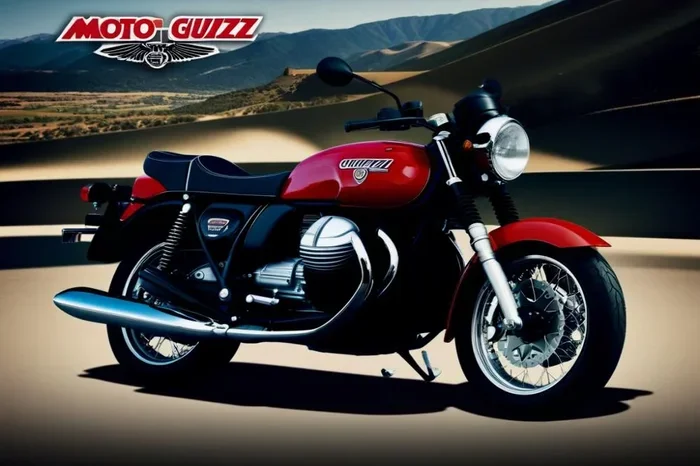
Moto Guzzi Reliability: Are They Really Dependable
Moto Guzzi reliability is a mixed bag that surprises many riders. These Italian motorcycles offer a unique V-twin experience, but they come with their own set of challenges. Understanding what to expect helps you make a smart buying decision.
This is a comprehensive guide about Moto Guzzi Reliability: Are They Dependable?.
Key Takeaways
- V-twin engines are distinctive but need regular care: Moto Guzzi’s transverse V-twin design is charming yet demands attention to cooling and valve adjustments.
- Older models can be dependable with proper maintenance: Much like older Toyotas that remain reliable, well-kept Moto Guzzis can last for decades.
- Parts availability varies by model and year: Newer models have better support, while vintage bikes require more hunting for components.
- Ownership costs are higher than Japanese alternatives: Maintenance, repairs, and parts tend to cost more compared to brands like Honda or Yamaha.
- Regular servicing prevents most major issues: Staying on top of oil changes, valve checks, and cooling system maintenance keeps your Guzzi running strong.
- Moto Guzzi holds value surprisingly well: These bikes have a loyal following that supports resale prices in the used market.
[FEATURED_IMAGE_PLACEHOLDER]
Moto Guzzi has been turning heads on roads around the world for over a century. The brand stands out with its distinctive transverse V-twin engine layout. But beneath that stylish Italian exterior lies a question many riders ask. Are Moto Guzzi motorcycles truly dependable?
The short answer is yes, with some important caveats. Moto Guzzi builds bikes that reward attentive owners. They offer a riding experience unlike anything else on the market. However, they also come with quirks that potential buyers should understand before committing.
This guide dives deep into Moto Guzzi reliability. We cover common issues, maintenance needs, cost of ownership, and how they stack up against other brands. Whether you are a first-time Guzzi buyer or a longtime fan, you will find practical insights here.
What Makes Moto Guzzi Motorcycles Unique
Moto Guzzi stands apart from other motorcycle manufacturers for several reasons. The brand was founded in 1921 in Mandello del Lario, Italy. That makes it one of the oldest motorcycle companies still in operation today. Their commitment to the V-twin engine design is something no other major brand has matched for as long.
The transverse V-twin layout means the cylinders sit perpendicular to the bike. This gives Moto Guzzis a distinctive look and feel. The engine also provides a low center of gravity. Riders often describe the experience as smooth and torquey. It feels different from the inline-four engines found in many sport bikes.
Moto Guzzi reliability starts with this engineering philosophy. The V-twin design has proven itself over decades. But it also has specific needs. Understanding these needs is the first step in owning a dependable Guzzi.
The V-Twin Engine: Strengths and Weaknesses
The V-twin engine is both a blessing and a challenge. On the positive side, it delivers strong low-end torque. This makes Guzzis excellent for cruising and touring. The engine character is unmistakable. Every ride feels personal and engaging.
However, the V-twin layout also creates some reliability concerns. The cylinders are exposed to heat unevenly. The rear cylinder tends to run hotter than the front one. This can lead to overheating issues if the cooling system is not properly maintained. Valve adjustments also require more frequent attention compared to some other engine configurations.
Think of it like comparing Moto Guzzi reliability to Toyota V6 engine reliability. Both are proven designs with decades of refinement. But each has its own maintenance priorities. The V-twin demands more from its owner in terms of regular care.
Common Moto Guzzi Reliability Issues
No motorcycle brand is perfect. Moto Guzzi has its share of known issues across different models and years. Being aware of these problems helps owners stay ahead of potential breakdowns.
Cooling System Challenges
Air-cooled Moto Guzzi engines are prone to overheating, especially in stop-and-go traffic or hot weather. The transverse V-twin layout makes it tricky to route cooling airflow evenly. Older models without liquid cooling are especially vulnerable.
Many riders have reported warped cylinder heads on models that run hot frequently. This leads to loss of compression and increased oil consumption. The fix often involves machining or replacing the head. Regular monitoring of temperature gauges is essential.
Valve Train Wear
The valve train on Moto Guzzi engines needs periodic adjustment. Over time, valves can drift out of specification. This causes rough idling, reduced power, and increased fuel consumption. Neglecting valve adjustments is one of the most common mistakes Guzzi owners make.
Most experts recommend checking valve clearances every 15,000 miles or so. This is more frequent than what some other brands require. But staying on top of this simple task prevents bigger problems down the road.
Electrical Gremlins
Like many Italian motorcycles, Moto Guzzis can develop electrical issues as they age. Wiring harnesses degrade over time. Connectors corrode. Owners of older models sometimes chase phantom electrical problems that turn out to be corroded grounds or worn ignition components.
This is not unique to Moto Guzzi. Brands like Mazda reliability also face electrical challenges in older vehicles. The key is regular inspection and prompt attention to any warning signs.
Clutch and Transmission Concerns
The wet clutch design on many Moto Guzzi models can slip over time, especially with high-mileage bikes. The transmission is generally robust, but clutch replacement is a common maintenance item. Riders who haul heavy loads or ride in hilly terrain may notice clutch wear sooner.
How Moto Guzzi Compares to Other Motorcycle Brands
When evaluating Moto Guzzi reliability, it helps to compare them against other brands. Different manufacturers prioritize different things. Understanding these differences clarifies what to expect from a Guzzi.
Moto Guzzi vs. Japanese Brands
Japanese motorcycle brands like Honda, Yamaha, and Suzuki are known for bulletproof reliability. They engineer bikes for minimal fuss and maximum dependability. Parts are widely available and affordable. Service networks are extensive.
Moto Guzzi offers something different. The riding experience is more visceral and engaging. The brand appeals to enthusiasts who value character over convenience. However, this comes at a cost. Japanese bikes generally require less maintenance and have lower repair costs.
Think of it this way. Just as older Toyotas remain reliable with basic care, Japanese motorcycles do the same. Moto Guzzi demands more from its owner but rewards that attention with a unique riding experience.
Moto Guzzi vs. Other European Brands
Compared to Ducati, BMW, and Triumph, Moto Guzzi sits in a similar reliability tier. European motorcycles in general require more maintenance than their Japanese counterparts. Parts cost more. Specialized mechanics are often needed.
BMW motorcycles are known for their engineering precision and long service life. Ducati offers thrilling performance but can be finicky. Triumph blends classic British charm with modern reliability improvements. Moto Guzzi offers Italian soul with a loyal community of supporters.
Each brand has its strengths. Moto Guzzi reliability is competitive within the European motorcycle landscape. It may not match the ease of ownership of a Honda, but it offers a riding experience that is hard to replicate.
Reliability by Model Line
Not all Moto Guzzi models are created equal when it comes to reliability. Here is a quick look at how different lines perform:
- V7 Series: The V7 is one of Moto Guzzi’s most popular models. It is relatively simple mechanically, which makes it more dependable. The small displacement engine is forgiving and easy to maintain. Many riders report years of trouble-free ownership with basic upkeep.
- California Series: The California models are cruiser-focused. They feature larger engines and more accessories. This adds complexity. Reliability is good with regular maintenance, but the added components create more potential failure points.
- Norge and GT Series: These touring models are built for long-distance comfort. The engines are robust, but the added electronics and comfort features can introduce electrical gremlins over time.
- Griso and Stelvio: The Stelvio is an adventure-touring model. It has earned a reputation for being relatively reliable. The Griso, a sport cruiser, shares many mechanical components with the V7 and is known for solid dependability.
Maintenance Tips for Keeping Your Moto Guzzi Dependable
The secret to Moto Guzzi reliability lies in consistent maintenance. These bikes reward owners who stay on top of their service schedules. Here are practical tips that make a real difference.
Stick to a Regular Oil Change Schedule
Oil is the lifeblood of any motorcycle engine. Moto Guzzi engines should receive fresh oil every 3,000 to 5,000 miles. Using high-quality synthetic oil helps protect the V-twin engine from wear. Do not skip oil changes, even if the bike does not seem to need it.
Monitor Your Cooling System
For liquid-cooled models, check coolant levels regularly. Inspect hoses for cracks or leaks. Flush and replace coolant according to the manufacturer’s recommendations. Overheating is one of the biggest threats to Moto Guzzi engine longevity.
Keep Up with Valve Adjustments
Valve clearances should be checked and adjusted at regular intervals. This is not an optional task. Neglecting valve adjustments leads to poor performance and potential engine damage. It is a relatively inexpensive service that prevents costly repairs.
Inspect the Clutch and Transmission
Pay attention to how the clutch feels during operation. Slipping or grabbing are signs of wear. Address clutch issues early before they damage the transmission. The gearbox itself is generally strong but benefits from timely clutch plate replacement.
Address Electrical Issues Promptly
Do not ignore flickering lights or intermittent electrical problems. Corrosion worsens over time and can lead to more serious failures. Clean connectors, check grounds, and replace damaged wiring before it becomes a bigger issue.
Use Quality Parts and Fluids
Moto Guzzi motorcycles benefit from quality replacement parts and fluids. Cheap aftermarket parts may save money upfront but can cause problems later. Stick with OEM or reputable aftermarket brands for critical components.
Join the Moto Guzzi Community
One of the best resources for Guzzi owners is the community itself. Forums and local clubs are filled with experienced riders who share knowledge and tips. They can help you troubleshoot issues and find hard-to-source parts. This network adds tremendous value to the ownership experience.
The Cost of Owning a Moto Guzzi
Reliability is closely tied to ownership costs. Understanding what to expect financially helps buyers make informed decisions.
Maintenance Costs
Routine maintenance on a Moto Guzzi costs more than on a comparable Japanese motorcycle. Labor rates at specialty shops tend to be higher. Parts are pricier due to lower production volumes compared to Japanese manufacturers.
However, many of the maintenance tasks are straightforward. Oil changes, valve adjustments, and brake services are within reach of most riders. Owners who perform their own basic maintenance can significantly reduce ownership costs.
Repair Costs
Major repairs on Moto Guzzi motorcycles can be expensive. Engine work, electrical diagnostics, and suspension repairs all carry a premium. That said, these bikes are not constantly breaking down. With proper care, major repairs are infrequent.
The overall cost of ownership is higher than a Honda or Yamaha equivalent. But it is comparable to other European brands like BMW or Triumph. Riders who value the Italian experience accept this trade-off willingly.
Parts Availability
Parts availability has improved significantly in recent years. Moto Guzzi is now part of the Piaggio Group, which has expanded distribution networks. Newer models have good parts support. Vintage models may require more searching, but a thriving aftermarket exists for classic Guzzis.
Insurance and Resale Value
Moto Guzzi motorcycles tend to hold their value well. The brand has a passionate following that supports strong resale prices. Insurance costs vary by model and rider profile. Generally, they are not more expensive than comparable European motorcycles.
Final Verdict on Moto Guzzi Reliability
So, are Moto Guzzis dependable? The answer is a qualified yes. They are reliable motorcycles that reward attentive owners. They are not the easiest bikes to own, but they offer something irreplaceable. The riding experience, the Italian craftsmanship, and the distinctive engine character create a bond that few other brands can match.
If you are looking for a motorcycle that requires minimal fuss, a Japanese bike might be a better fit. But if you want character, style, and a unique riding experience, Moto Guzzi reliability is more than sufficient. These bikes are built to be enjoyed, not just owned.
Owners who commit to regular maintenance and address small issues promptly will find their Moto Guzzi to be a loyal companion for years. The brand has proven itself over more than a century of motorcycle building. That track record speaks for itself.
Consider visiting your local Moto Guzzi dealer. Take a test ride. Talk to current owners. The best way to understand Moto Guzzi reliability is to experience it firsthand. You might just fall in love with the Italian soul under the hood.
FAQs
Are Moto Guzzi motorcycles good for long-distance touring?
Yes, Moto Guzzi models like the Norge and California are well-suited for long-distance touring. The V-twin engine provides comfortable torque at highway speeds. With proper preparation and maintenance, these bikes can handle cross-country rides reliably.
How often should I service my Moto Guzzi?
Moto Guzzi recommends service every 6,000 to 10,000 miles depending on the model and year. Regular oil changes every 3,000 to 5,000 miles keep the engine healthy. Valve adjustments should be checked every 15,000 miles or so.
Are Moto Guzzi parts easy to find?
Parts availability has improved significantly since Moto Guzzi joined the Piaggio Group. Newer models have good dealer support. Vintage models may require sourcing from specialty suppliers or online communities, but parts are generally available.
Do Moto Guzzis break down often?
No, Moto Guzzis do not break down frequently when properly maintained. Like any motorcycle, they have specific maintenance needs. Owners who stay on top of oil changes, valve adjustments, and cooling system care experience very few reliability issues.
Is a Moto Guzzi a good first motorcycle?
Moto Guzzi can be a good first bike for riders who choose smaller displacement models like the V7. The manageable engine size and comfortable riding position make them accessible. However, first-time riders should consider the higher maintenance costs compared to Japanese alternatives.
How does Moto Guzzi reliability compare to Honda motorcycles?
Honda motorcycles generally require less maintenance and have lower repair costs. Moto Guzzi offers a more engaging riding experience but demands more from its owner. Both brands are dependable in their own right. The choice depends on what you value more in a motorcycle.
Frequently Asked Questions
What is Moto Guzzi Reliability: Are They Dependable??
Moto Guzzi Reliability: Are They Dependable? is an important topic with many practical applications.