How Do You Trick a Mass Airflow Sensor for Power Gains
Discover how tweaking your mass airflow sensor can unlock hidden power and improve throttle response. This guide walks you through proven methods like cold air intakes, ECU recalibration, and forced induction upgrades that change how your MAF sensor reads incoming air. Whether you want more horsepower or better fuel efficiency, understanding your MAF sensor is the first step toward real gains.
If you have ever wondered how to get more power out of your car, the mass airflow sensor might be the key. Also known as the MAF sensor, this small but mighty component sits in your air intake path and tells your engine computer exactly how much air is flowing in. When you understand how it works, you can make smart modifications that shift the readings and unlock real performance gains. This article breaks down exactly how you can trick a mass airflow sensor for power gains, what methods actually work, and what pitfalls to avoid.
The truth is, most factory cars come with a MAF sensor that is tuned conservatively. Manufacturers design for reliability, emissions compliance, and fuel economy across all driving conditions. That leaves a lot of untapped potential sitting right in your engine bay. By adjusting how the sensor reads airflow, you can tell the ECU to inject more fuel, which translates directly into more horsepower and a more responsive throttle. Let us dive into the details.
Key Takeaways
- MAF sensor basics: Your mass airflow sensor measures the volume and density of air entering your engine, and the ECU uses this data to calculate the right fuel amount.
- Cold air intakes change readings: Installing a performance intake alters how the MAF sensor interprets airflow, often resulting in a leaner air-fuel mixture and more power.
- ECU tuning recalibrates the sensor: Remapping or chip tuning lets you adjust the scaling factor so the ECU delivers more fuel when airflow increases.
- Forced induction demands MAF adjustments: Turbochargers and superchargers push more air into the engine, and the stock MAF sensor may not be sized correctly for the upgrade.
- Risks exist: Tricking the MAF sensor incorrectly can trigger a check engine light, reduce fuel economy, or cause engine damage over time.
- Dyno testing validates results: Always verify any MAF modification with proper diagnostics and dyno runs to ensure safe engine operation.
- Start with the basics: A quality aftermarket air filter and well-designed intake manifold can improve airflow without drastic sensor manipulation.
📑 Table of Contents
What Is a Mass Airflow Sensor and Why Does It Matter?
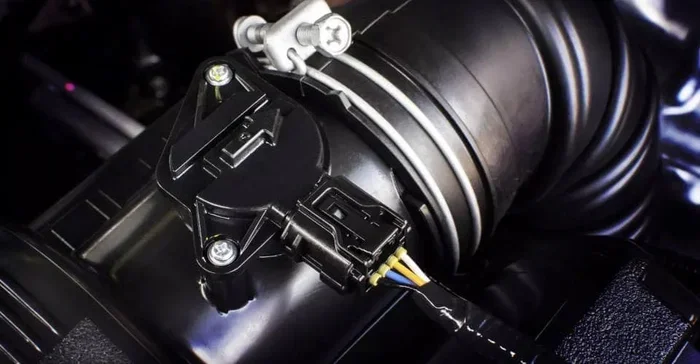
The mass airflow sensor is one of the most important parts of your engine management system. It measures the mass of air entering the intake manifold and sends that data to the engine control unit, or ECU. The ECU then uses this information to calculate the correct fuel injection amount. This process is called air-fuel ratio management, and it directly affects how your engine runs.
Most modern cars use a hot wire or hot film type of MAF sensor. These sensors have a small sensing element that gets heated by an electric current. As air flows past it, the element cools down. The ECU monitors how much current is needed to keep the element at a constant temperature. More airflow means more cooling, which means more current. The ECU translates this into a mass airflow reading and uses it to fuel the engine accordingly.
Why the Stock MAF Sensor Leaves Room for Improvement
Here is the thing: car manufacturers build vehicles to meet strict regulations. They also build them to last 200,000 miles with minimal maintenance. That means the MAF sensor calibration is set up to be safe and forgiving. The air-fuel mixture is kept slightly rich to protect the engine and reduce emissions. This is great for longevity but not ideal if you want maximum power.
When you modify your engine with performance parts, the stock MAF sensor may not accurately report the increased airflow. This creates a mismatch. The ECU thinks less air is entering than actually is, so it does not inject enough fuel. The result is a lean condition that can cause rough idling, poor acceleration, or even engine damage if left unchecked. This is exactly why so many enthusiasts look into how to trick a mass airflow sensor for better readings.
Common Methods to Modify MAF Sensor Readings
There are several ways to change how your mass airflow sensor reports data. Some methods are simple bolt-on upgrades, while others require more technical knowledge. Let us walk through the most popular approaches and what each one does for your engine performance.
Cold Air Intake Systems
A cold air intake is one of the most popular and accessible modifications you can make. It replaces the stock airbox and intake tube with a smoother, less restrictive path for air to reach the engine. Cold air is denser than warm air, which means more oxygen molecules enter the combustion chamber per intake stroke.
When you install a cold air intake, the MAF sensor now reads a higher volume of air flowing through the intake tube. The ECU responds by adding more fuel to maintain the correct air-fuel ratio. This extra fuel creates a richer mixture that burns more efficiently and produces more power. Most cold air intake setups gain between 5 and 15 horsepower depending on the engine and the quality of the kit.
Some cold air intakes also reposition the MAF sensor or use a larger diameter intake tube. This changes the airflow velocity and can shift the sensor readings even further. The key is to match the intake tube diameter with the MAF sensor size so the readings remain accurate and the ECU does not throw a check engine light.
Aftermarket Air Filters and Drop-In Replacements
If you are not ready for a full cold air intake, a simple drop-in replacement air filter can make a difference. High-flow aftermarket filters like K N filters or AEM dry filters allow more air to pass through compared to the stock paper element. The MAF sensor detects this increased airflow and signals the ECU to add fuel.
The gains from a drop-in filter are usually modest, maybe 2 to 8 horsepower. But the installation is incredibly easy, and it is a great starting point for beginners. Just make sure you clean and reoil your high-flow filter regularly. A dirty filter will restrict airflow and negate any benefits you are trying to achieve.
MAF Sensor Spacers and Washers
MAF sensor spacers are small metal or plastic rings that you place between the MAF sensor and the intake manifold. They change the airflow path and can alter how the sensor reads the air volume. Some spacers are designed to smooth out turbulent airflow, which helps the sensor take more accurate readings.
However, spacers are a bit controversial in the tuning community. Some people swear by them for small gains in throttle response. Others say they do nothing or even hurt performance. The truth depends on your specific engine, the spacer design, and what else you have modified. If you try a spacer, monitor your engine logs closely and watch for any lean conditions or check engine light triggers.
ECU Tuning and MAF Sensor Calibration
One of the most effective ways to change how your engine responds to airflow is by tuning the ECU. The ECU contains a MAF scaling table that tells the computer how to interpret the voltage signal from the sensor. By adjusting this table, you can tell the ECU that a given voltage reading corresponds to more airflow than it normally would.
For example, if your stock MAF sensor reads 100 volts at 300 grams per second of airflow, you can recalibrate it to read 350 grams per second at that same voltage. The ECU will then inject more fuel, creating a richer air-fuel mixture and more power. This is one of the most precise ways to trick a mass airflow sensor because you are working directly with the calibration data.
Professional Tuning vs. DIY ECU Remapping
Professional ECU tuning is the safest and most effective route. A qualified tuner uses a dyno and real-time data logging to make precise adjustments. They can also monitor knock sensors, oxygen sensor feedback, and exhaust gas temperatures to make sure your engine stays safe under the new calibration.
DIY ECU remapping is possible but comes with significant risks. You need a compatible tuning tool, a good understanding of engine management systems, and the patience to test incrementally. A bad tune can cause engine knocking, melted pistons, or a blown head gasket. If you go the DIY route, always make small changes and log your data carefully.
Standalone ECU Systems
For serious builds, a standalone ECU completely replaces the factory engine computer. Systems from companies like Haltech, AEM, or Link give you full control over every aspect of engine management, including how the MAF sensor data is interpreted. You can set custom fuel tables, ignition maps, and MAF scaling curves that match your exact setup.
Standalone ECUs are expensive and complex, but they offer unmatched flexibility. If you are building a forced induction engine or running a heavily modified motor, a standalone system is often the best choice. It removes the factory limitations entirely and lets you tune the MAF sensor response to your specific airflow requirements.
Forced Induction Upgrades and MAF Adjustments
If you are running a turbocharger or supercharger, the mass airflow sensor becomes even more critical. Forced induction pushes significantly more air into the engine than a naturally aspirated setup. The stock MAF sensor may not be able to accurately measure this increased volume, especially at higher boost levels.
When the MAF sensor maxes out or reads inaccurately, the ECU cannot deliver the correct fuel amount. This leads to a rich or lean condition that wastes fuel, hurts performance, or damages the engine. Upgrading to a larger MAF sensor or recalibrating the existing one is essential when adding forced induction.
Choosing the Right MAF Sensor for Your Build
MAF sensors come in different sizes, measured in grams per second or pounds per minute. A larger MAF sensor can measure higher airflow volumes without maxing out. When selecting a replacement sensor, you need to calculate your engine’s peak airflow based on displacement, boost pressure, and efficiency targets.
A common rule of thumb is to choose a MAF sensor that can flow about 25 to 30 percent more air than your engine will ever need at full power. This gives you headroom and ensures the sensor stays in its accurate reading range even at peak boost. Many turbo kits come with a compatible MAF sensor, but aftermarket upgrades may require a separate purchase.
Boost Control and MAF Scaling
When you increase boost pressure, you also increase the airflow through the MAF sensor. This means you need to adjust the MAF scaling in the ECU to match the new airflow levels. A proper boost control strategy works hand in hand with MAF calibration to deliver safe and consistent power.
Boost controllers, whether electronic or manual, let you dial in the exact amount of boost you want. Combined with a well-calibrated MAF sensor, you can create a very precise air-fuel mixture that maximizes power while keeping the engine safe. Always log your boost and MAF data together to verify that everything is working as intended.
Risks and Common Mistakes to Avoid
Modifying how your mass airflow sensor works comes with real risks. It is important to understand these before you make any changes. A poorly executed MAF trick can cause more harm than good, and in some cases, it can lead to expensive engine repairs.
Running Too Lean
The biggest danger when modifying MAF sensor readings is running a lean air-fuel mixture. If the ECU thinks less air is entering than actually is, it will not inject enough fuel. Lean conditions cause elevated combustion temperatures, which can melt pistons, damage valves, and warp cylinder heads.
Always use a wideband oxygen sensor to monitor your actual air-fuel ratio after making any MAF modifications. Do not rely on the factory narrowband sensor, as it is not precise enough for tuning purposes. If your wideband reads lean under any condition, reduce the MAF scaling or add more fuel until you reach a safe range.
Check Engine Light and Error Codes
Your ECU constantly monitors the MAF sensor for plausibility. If the readings do not match what the oxygen sensors, throttle position sensor, and manifold absolute pressure sensor are reporting, the ECU will set a diagnostic trouble code. This usually triggers a check engine light and puts the engine into a failsafe limp mode.
Common MAF-related codes include P0100, P0101, P0171, and P0174. If you see these codes after modifying your intake or MAF calibration, it is a sign that your readings are out of range. Go back and verify your setup, check for vacuum leaks, and make sure all connections are secure.
Ignoring Fuel Quality and Octane Requirements
When you increase airflow and fuel delivery, you also increase the stress on your engine. Using lower-octane fuel than recommended can cause detonation or pre-ignition, which is catastrophic for internal engine components. Always use the fuel grade specified by your tuner or manufacturer when running modified MAF sensor settings.
If you are making significant power gains, consider switching to a higher octane fuel or adding an octane booster. This gives you a safety margin against knock and allows the ECU to advance ignition timing for even more performance.
Expert Tips for Getting the Most Out of Your MAF Modifications
Now that you understand the methods and risks, here are some expert tips to help you get the best results from your MAF sensor modifications.
- Always log your data: Use a diagnostic tool or data logger to monitor MAF readings, air-fuel ratio, knock retard, and boost levels in real time. You cannot tune what you cannot measure.
- Make one change at a time: If you install a cold air intake and retune the ECU at the same time, you will not know which change caused a problem. Isolate variables for cleaner troubleshooting.
- Invest in a wideband oxygen sensor: This is the single most important tool for anyone modifying airflow or fuel delivery. It gives you real-time feedback on your air-fuel ratio and helps you avoid lean conditions.
- Consider a dyno tune: Even if you are comfortable with DIY tuning, a few sessions on a dyno with a professional can validate your setup and catch issues you might miss on the street.
- Keep the intake system clean: Dirt, debris, and oil contamination can restrict airflow and throw off MAF sensor readings. Inspect and clean your intake components regularly.
- Match your MAF sensor to your airflow: Do not install a MAF sensor that is too small for your engine’s airflow requirements. It will max out and give inaccurate readings at high power levels.
Conclusion
Learning how to trick a mass airflow sensor for power gains is a journey that combines mechanical knowledge, tuning skills, and careful testing. Whether you start with a simple cold air intake, move to ECU recalibration, or go all the way with a forced induction build and standalone ECU, the goal is the same: tell your engine computer exactly how much air is entering so it can deliver the right amount of fuel. When done correctly, the results are more horsepower, better throttle response, and a more engaging driving experience.
Always remember that with great power comes great responsibility. Monitor your air-fuel ratio, watch for warning signs, and never skip proper diagnostics. The modifications in this guide can deliver real results, but only if you approach them with care and attention to detail. Start small, learn as you go, and enjoy the process of making your car perform the way it was always meant to.
Frequently Asked Questions
Is tricking a mass airflow sensor illegal?
It depends on what you do and where you live. Simply installing a cold air intake or high-flow filter is perfectly legal in most places. However, if you modify the MAF sensor or ECU calibration in a way that defeats emissions controls, it may violate local regulations. Always check your area’s laws before making modifications that affect emissions systems.
Can a bad MAF sensor modification damage my engine?
Yes, absolutely. If the MAF sensor reads incorrectly and the ECU delivers too little fuel, the engine can run dangerously lean. This causes high combustion temperatures that can melt pistons, damage valves, or blow a head gasket. Always verify your modifications with proper monitoring equipment before driving hard.
How much power can I gain by modifying the MAF sensor readings?
The gains depend heavily on what else you have modified and how well the setup is tuned. A cold air intake alone might add 5 to 15 horsepower. A full intake plus ECU tune on a turbocharged engine can add 30 to 80 horsepower or more. The MAF sensor is just one piece of the puzzle, and it works best as part of a comprehensive performance upgrade.
Do I need a dyno tune after modifying my MAF sensor?
Yes, a dyno tune is highly recommended after any MAF sensor modification. It ensures the air-fuel mixture is correct across the entire RPM range and power band. Without a proper tune, you risk running lean or rich, both of which can hurt performance and damage the engine over time.
Can I revert my MAF modifications back to stock?
In most cases, yes. If you used bolt-on parts like a cold air intake or aftermarket filter, you can simply remove them and reinstall the stock components. If you modified the ECU calibration, you can reflash the stock tune back onto the ECU. Just keep in mind that some ECU reflashes may require a professional to perform correctly.
What is the difference between a MAF sensor and a MAP sensor?
A MAF sensor measures the mass of air entering the engine directly, while a MAP sensor measures the pressure in the intake manifold. Some engines use one or the other, and some use both. MAF sensors provide a more direct airflow measurement, which is why they are popular for tuning. MAP sensors are simpler and often used on engines with speed density fuel management systems.